
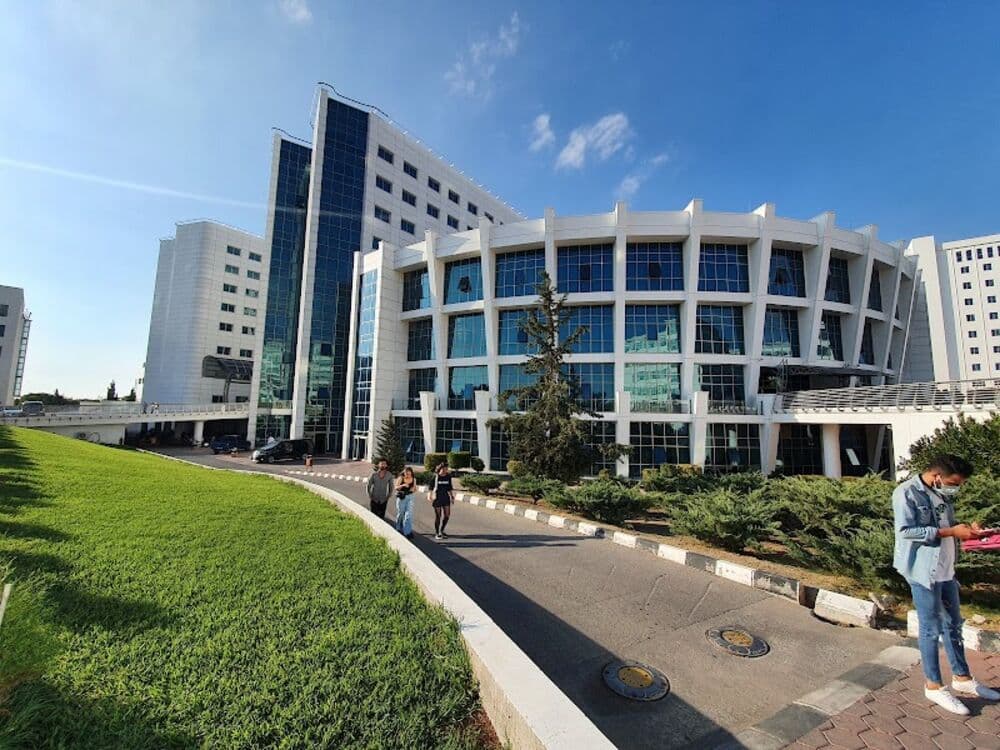
Didactique de l'histoire

Intitulé du diplôme
Diplôme
Langue du programme
Durée du programme
Frais de scolarité / par semestre
Frais et estimations
Frais universitaires
Facturés par Near East University en plus des frais de scolarité du programme. S'appliquent à chaque étudiant de cette université.
- École préparatoire d'anglais
Facturés uniquement aux étudiants qui doivent suivre une préparation d'anglais avant de commencer le programme.
3,225 €per semester
Tous les montants incluent la TVA (KDV) et sont indicatifs. Les frais finaux sont confirmés dans votre lettre d'offre.
Aperçu du programme
Le doctorat en didactique de l'histoire à la Near East University (NEU), proposé par la Faculté d'éducation Ataturk, est un programme doctoral de 4 ans sur campus conçu pour les éducateurs et chercheurs souhaitant approfondir leur expertise dans l'enseignement et l'apprentissage de l'histoire. Le programme met l'accent sur les cadres théoriques avancés, les méthodologies de recherche et les applications pratiques en didactique de l'histoire. Les étudiants abordent des questions cruciales telles que le développement des programmes, la pensée historique et l'utilisation d'outils numériques dans les cours d'histoire. Le programme n'exige pas de thèse, se concentrant plutôt sur les cours et un examen complet.
Ce que vous étudierez
Le programme couvre des sujets avancés en didactique de l'histoire, notamment l'historiographie, la psychologie de l'éducation et les stratégies d'évaluation. Les principaux domaines d'étude comprennent :
- Théories avancées de la conscience et du récit historiques
- Méthodes de recherche en didactique de l'histoire (qualitatives et quantitatives)
- Conception et évaluation de programmes pour l'histoire
- Intégration de la technologie et du multimédia dans l'enseignement de l'histoire
- Didactique comparée de l'histoire à travers les cultures
- Analyse des politiques et réformes en didactique de l'histoire
Les étudiants suivent une série de séminaires doctoraux, de cours optionnels et un examen complet. Le programme aboutit à un portfolio ou un projet de synthèse démontrant la compétence savante.
Perspectives de carrière
Les diplômés sont préparés à des rôles de direction dans le milieu universitaire, les établissements d'enseignement et les organismes de politique éducative. Les parcours professionnels possibles incluent :
- Professeur d'université ou chercheur en didactique de l'histoire
- Spécialiste des programmes pour les districts scolaires ou les ministères de l'Éducation
- Consultant pédagogique pour les musées, archives ou organismes du patrimoine culturel
- Conseiller politique pour les agences gouvernementales ou les organisations éducatives à but non lucratif
- Coordinateur pédagogique pour l'édition de manuels d'histoire
Le programme prépare également les diplômés à contribuer au discours savant par le biais de publications et de présentations lors de conférences.
Aperçu de l'admission
Les candidats doivent être titulaires d'un master en didactique de l'histoire ou dans un domaine connexe. Des conditions supplémentaires peuvent inclure les relevés de notes, des lettres de recommandation, une déclaration d'intention et un entretien. Une maîtrise de l'anglais ou du turc peut être exigée selon la langue d'enseignement. Pour les dates limites et les procédures de candidature spécifiques, les étudiants potentiels doivent consulter le bureau des admissions de la NEU.
Note de traduction : Si ces documents ne sont pas en anglais, des traductions officielles sont requises, accompagnées des documents originaux.
Passeport doit être valide au moins 6 mois après la date de candidature.
- Photo d'identité récente, fond uni, visage clairement visible. Doit être de haute qualité et adaptée aux documents officiels ou aux dossiers académiques.Photo
- Document de voyage officiel délivré par une autorité nationale, servant de preuve d'identité et de citoyenneté. Les exigences varient selon le pays (période de validité, caractéristiques biométriques, format), mais une validité d'au moins six mois est généralement requise pour les candidatures internationales.Passeport
- Document officiel répertoriant les cours suivis et les notes obtenues durant les études de premier cycle. Les formats varient selon les pays (par exemple, échelle GPA aux États-Unis, pourcentages en Inde, crédits ECTS en Europe), mais tous servent à vérifier les résultats académiques et l'éligibilité à l'admission en cycle supérieur ou à la reconnaissance professionnelle.Relevé de notes / Relevé académique de licence
- Document officiel répertoriant les cours suivis et les notes obtenues durant les études de premier cycle. Les formats varient dans le monde (par exemple, échelle GPA aux États-Unis, pourcentages en Inde, crédits ECTS en Europe), mais tous servent à vérifier les résultats académiques et l'éligibilité à l'admission en cycle supérieur ou à la reconnaissance professionnelle.Relevé de notes / Relevé académique de licence
- Preuve officielle d'achèvement d'un programme d'enseignement supérieur de deuxième cycle. Les titres et formats varient dans le monde entier (par exemple, « M.A. », « M.Sc. », « Magister », « Master »), mais tous confirment un niveau académique avancé et l'éligibilité à des études doctorales ou à une reconnaissance professionnelle.Diplôme de Master / Certificat d'études supérieures de deuxième cycle
- Document officiel listant les cours suivis, les notes obtenues et les crédits acquis durant les études de troisième cycle. Les formats varient selon les pays (par exemple, échelle GPA aux États-Unis, crédits ECTS en Europe, pourcentages en Asie), mais tous servent à vérifier les performances académiques et l'éligibilité aux programmes de doctorat ou à la reconnaissance professionnelle.Relevé de notes / Relevé académique de master
- Document structuré résumant la formation, l'expérience professionnelle, les compétences et les réalisations. Les formats varient selon les pays (par exemple, résumé aux États-Unis, CV en Europe), mais tous servent à présenter les qualifications et le parcours professionnel pour des candidatures académiques ou professionnelles.Curriculum Vitae (CV) / Résumé
- Document formel rédigé par un enseignant, un professeur ou un superviseur professionnel attestant des compétences, du caractère et des réalisations du candidat. Les formats et les attentes varient dans le monde, mais tous visent à fournir une validation externe de la préparation académique ou professionnelle.Lettre de recommandation
- Preuve officielle de compétence linguistique délivrée par des organismes de test reconnus (par exemple, IELTS, TOEFL, DELF, TestDaF). Chaque pays ou institution peut accepter différents examens et niveaux, mais tous servent à vérifier la capacité de communication pour l'éligibilité académique ou professionnelle.Certificat de langue
- Document officiel délivré par une autorité (école, université, organisme de formation ou gouvernement) attestant de l'achèvement d'un programme ou de l'obtention d'une qualification. Les formats et les titres varient dans le monde entier, mais tous constituent une preuve reconnue de compétences, de formation ou d'éligibilité.Certificat