
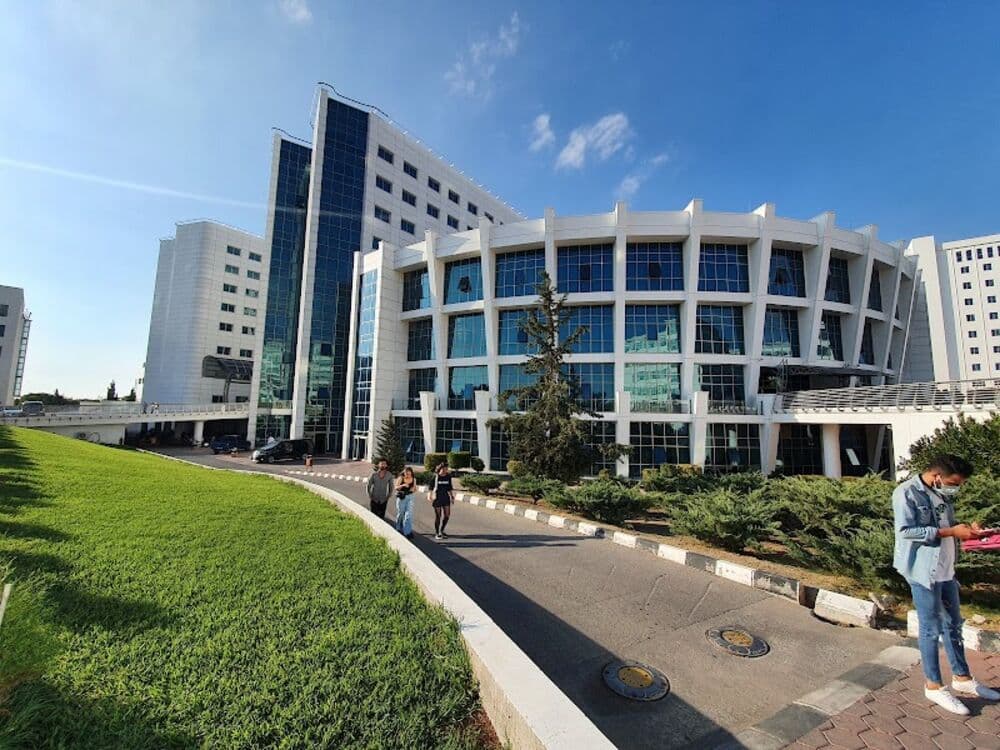
Peyzaj Mimarlığı

Derece Etiketi
Derece
Program Dili
Program Süresi
Öğrenim Ücreti / dönem başına
Ücretler ve Tahminler
Üniversite geneli ücretler
Program öğrenim ücretine ek olarak Yakın Doğu Üniversitesi tarafından tahsil edilir. Bu üniversitedeki tüm öğrencilere uygulanır.
- İngilizce hazırlık okulu
Yalnızca programa başlamadan önce İngilizce hazırlığı tamamlaması gereken öğrencilerden alınır.
3,225 €per semester
Tüm tutarlar KDV dâhildir ve bilgilendirme amaçlıdır. Nihai ücretler kabul mektubunuzda teyit edilir.
Programa Genel Bakış
Yakın Doğu Üniversitesi Mimarlık Fakültesi tarafından sunulan Peyzaj Mimarlığı Yüksek Lisans Programı (M.A.), peyzaj tasarımı, planlaması ve yönetimi konularında ileri düzey bilgi edinmek isteyen öğrenciler için tasarlanmış 2 yıllık bir kampüs programıdır. Kuzey Kıbrıs'ın Lefkoşa şehrinde bulunan program, teorik temelleri pratik stüdyo çalışmalarıyla birleştirerek mezunları çağdaş çevresel ve kentsel zorluklarla başa çıkmaya hazırlar. Müfredat, sürdürülebilir tasarım, ekolojik ilkeler ve kültürel peyzajın korunmasını vurgulayarak öğrencilere işlevsel ve estetik açıdan hoş dış mekanlar yaratma becerileri kazandırır.
Ne Öğreneceksiniz
Program, peyzaj mimarlığı profesyonelleri için gerekli olan çeşitli konuları kapsar. Temel alanlar şunlardır:
- Peyzaj Tasarım Stüdyosu: Farklı ölçek ve bağlamlarda alan analizi, konsept tasarımı ve master planlamaya odaklanan uygulamalı projeler.
- Ekolojik Planlama ve Yönetim: Doğal sistemler, çevresel etki değerlendirmesi ve sürdürülebilir kaynak yönetimi çalışmaları.
- Peyzaj Mimarlığı Tarihi ve Teorisi: Disiplini şekillendiren tarihsel öncüller ve çağdaş teorilerin incelenmesi.
- Bitki Materyalleri ve Bahçe Bitkileri: Estetik ve işlevsel amaçlar için bitki türlerinin seçimi ve uygulanması.
- Dijital Araçlar ve Görselleştirme: Tasarım ve sunum için GIS, CAD ve 3D modelleme yazılımlarının kullanımı.
- Kentsel Ekoloji ve Yeşil Altyapı: Yeşil çatılar, yağmur bahçeleri ve kentsel ormanlar dahil olmak üzere doğayı kentsel ortamlara entegre etme stratejileri.
Öğrenciler, genellikle mimarlık ve şehir planlama programlarındaki akranlarıyla işbirliği yaparak disiplinler arası projelerde yer alır. Program tez gerektirmez, bunun yerine ders çalışmalarına ve bir final tasarım projesine odaklanır.
Kariyer Olanakları
Peyzaj Mimarlığı Yüksek Lisans Programı mezunları, hem kamu hem de özel sektörde kariyer yapmaya hazırdır. Olası roller şunlardır:
- Peyzaj Mimarı: Firmalar veya devlet kurumları için parklar, bahçeler, kampüsler ve kamusal alanlar tasarlamak.
- Kentsel Tasarımcı: Şehir planlaması ve canlandırma projelerine katkıda bulunmak.
- Çevre Danışmanı: Geliştirme projelerinin çevresel etkilerini değerlendirmek ve azaltmak.
- Peyzaj Yöneticisi: Doğal ve yapılı peyzajların bakımını ve korunmasını denetlemek.
- Araştırmacı veya Eğitimci: İleri akademik çalışmalar yapmak veya üniversitelerde ders vermek.
Programın sürdürülebilirlik ve ekolojik tasarıma odaklanması, dirençli ve yaşanabilir ortamlar yaratabilecek profesyonellere yönelik artan küresel taleple uyumludur.
Kabul Koşulları
Başvuru sahipleri, akredite bir kurumdan lisans derecesine sahip olmalıdır. Peyzaj mimarlığı, mimarlık veya ilgili bir alanda geçmiş tercih edilmekle birlikte, diğer disiplinlerden adaylar ek hazırlık dersleri ile değerlendirilebilir. Gerekli belgeler genellikle akademik transkriptler, niyet mektubu, tasarım portföyü (varsa) ve referans mektuplarını içerir. Anadili İngilizce olmayanlar için İngilizce yeterliliği gereklidir. Belirli son başvuru tarihleri ve öğrenim ücretleri talep üzerine sağlanır.
Çeviri Notu: Belgeler İngilizce değilse, asıllarıyla birlikte resmi çevirileri gereklidir.
Pasaport başvuru tarihinden itibaren en az 6 ay geçerli olmalıdır.
- Son altı ayda çekilmiş, düz bir arka plana sahip, yüzü net gösteren pasaport tipi fotoğraf. Yüksek kaliteli olmalı ve resmi kimlik veya akademik kayıtlar için uygun olmalıdır.Fotoğraf
- Ulusal bir otorite tarafından verilen, kimlik ve vatandaşlık kanıtı olarak hizmet eden resmi seyahat belgesi. Gereksinimler ülkeye göre değişir (geçerlilik süresi, biyometrik özellikler, format), ancak uluslararası başvurular için genellikle en az altı ay geçerlilik beklenir.Pasaport
- Birinci döngü yükseköğretim programının tamamlandığına dair resmi kanıt. Unvanlar ve formatlar dünya genelinde farklılık gösterse de (ör. “Bachelor of Arts”, “Licence”, “B.Sc.”), tümü lisansüstü çalışma veya mesleki tanınma için uygunluğu onaylar.Lisans Diploması
- Lisans eğitimi sırasında tamamlanan dersleri ve alınan notları listeleyen resmi belge. Dünya genelinde formatlar farklılık gösterir (örneğin, ABD'de GPA ölçeği, Hindistan'da yüzde notları, Avrupa'da AKTS kredileri), ancak tümü akademik performansı doğrulamak ve lisansüstü kabul veya profesyonel tanınma için uygunluğu sağlamak amacıyla kullanılır.Lisans Transkripti
- Bir otorite (okul, üniversite, eğitim kurumu veya hükümet) tarafından bir programın tamamlandığını veya bir yeterliliğin elde edildiğini onaylayan resmi belge. Formatlar ve başlıklar dünya genelinde farklılık gösterir, ancak tümü becerilerin, eğitimin veya uygunluğun tanınmış kanıtı olarak hizmet eder.Sertifika
- Tanınmış sınav kuruluşları (örneğin IELTS, TOEFL, DELF, TestDaF) tarafından verilen resmi dil yeterlilik belgesi. Her ülke veya kurum farklı sınav ve seviyeleri kabul edebilir, ancak tümü akademik veya mesleki uygunluk için iletişim becerisini doğrulamaya yarar.Dil Sertifikası
- Bir öğretmen, profesör veya profesyonel danışman tarafından yazılan, başvuranın yeteneklerini, karakterini ve başarılarını onaylayan resmi belge. Formatlar ve beklentiler dünya genelinde farklılık gösterir, ancak tümü akademik veya profesyonel hazırbulunuşluğun dışsal doğrulamasını sağlamaya hizmet eder.Referans Mektubu
- Eğitim, iş deneyimi, beceriler ve başarıları özetleyen yapılandırılmış belge. Dünya genelinde formatlar farklılık gösterir (örneğin, ABD'de özgeçmiş, Avrupa'da CV), ancak hepsi akademik veya iş başvuruları için nitelikleri ve profesyonel geçmişi sunmaya yarar.Özgeçmiş (CV)