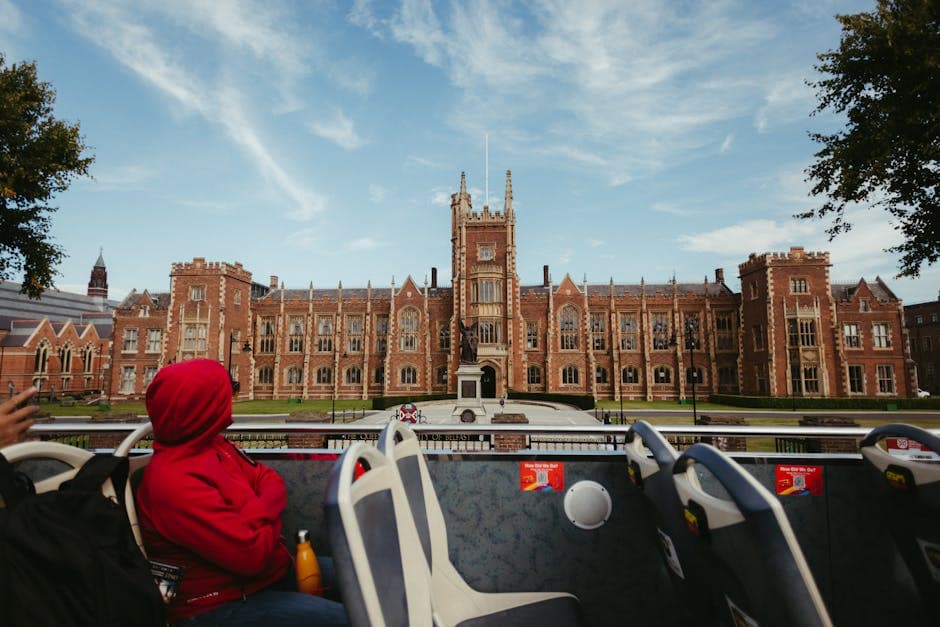
Why Australia Remains a Top Choice for International Students

Australia consistently ranks among the top three global destinations for international students, alongside the US and the UK. Its appeal is undeniable: world-class universities, vibrant multicultural cities, stunning natural landscapes, and a high standard of living. Institutions like the University of Melbourne and Australian National University are staples in global rankings, such as the Times Higher Education World University Rankings, cementing the country's reputation for academic excellence. The post-study work opportunities further enhance its attractiveness, offering graduates a pathway to gain international work experience.
However, this prestige comes at a significant price. For many prospective students and their families, the primary hurdle is financial. The combination of high tuition fees and one of the world's highest costs of living makes studying in Australia a substantial investment. The key question for many is not whether Australia offers a quality education—it does—but whether it's financially sustainable. This guide directly addresses that concern by identifying the most affordable universities for international students and providing a realistic picture of the total cost involved.
Unpacking the True Cost: Tuition Fees at Affordable Universities in Australia
While the prestigious 'Group of Eight' universities often charge international students upwards of AUD $45,000 per year for undergraduate degrees, a significant number of excellent institutions offer high-quality education at a much lower price point. Finding affordable universities in Australia requires looking beyond the major metropolitan hubs of Sydney and Melbourne. Universities in regional areas or smaller capital cities often provide a more accessible entry point without compromising on educational standards. These institutions are fully accredited and offer a comprehensive range of programs.
Here are some of the institutions consistently recognized for their value and affordability for international students, with estimated annual tuition fees for popular bachelor's programs like Business, IT, and Engineering for the 2026 intake:
- University of the Sunshine Coast (USC): Located in Queensland, USC offers a modern campus environment with annual fees typically ranging from AUD $26,000 to $30,000.
- Charles Darwin University (CDU): Based in the Northern Territory, CDU provides unique research opportunities and fees often fall between AUD $27,000 and $34,000 per year.
- Southern Cross University (SCU): With campuses in New South Wales and Queensland, SCU is known for its strong focus on student support, with fees generally in the AUD $28,000 to $35,000 range.
- Federation University Australia (FedUni): Located in Victoria, FedUni has a strong reputation for graduate employment, and its tuition is often between AUD $26,000 and $33,000.
- Victoria University (VU): Based in Melbourne, VU offers a unique block model of teaching and provides competitive fees for a major city, typically from AUD $29,000 to $36,000.
- University of Southern Queensland (UniSQ): A leader in online education but also with physical campuses, UniSQ's fees are often in the AUD $27,000 to $34,000 bracket.
Beyond Tuition: The High Cost of Living in Australian Cities

Tuition is only one part of the equation. The cost of living is a critical factor that can significantly impact your overall budget. There is a stark difference between major cities and regional centers. Sydney and Melbourne, while offering immense cultural and professional opportunities, are among the most expensive cities globally. Students can expect to pay a premium for accommodation, transport, and daily necessities.
In contrast, cities like Adelaide, Perth, and Brisbane offer a more balanced lifestyle with a lower cost of living. For instance, average weekly rent for a room in a shared apartment in Sydney might be AUD $350-$450, whereas in Adelaide it could be closer to AUD $200-$280. This difference alone can save a student over AUD $7,000 per year. Regional campuses of universities like Federation University or Southern Cross University offer even greater savings on living expenses. According to data from the OECD's Education at a Glance report, managing living costs is a primary concern for international students, making city choice a crucial financial decision.
Financial Aid and Scholarships: Easing the Burden
Australia offers several scholarship opportunities for international students, but competition is fierce. It's essential to research and apply well in advance. These scholarships are generally divided into two main categories: government-funded and university-specific.
The most prestigious government scholarships are the Australia Awards Scholarships, which are comprehensive awards covering full tuition fees, return air travel, establishment allowance, and living expenses. However, these are targeted at students from specific developing countries and focus on fields of study that contribute to their home country's development. The Destination Australia Program is another government initiative that provides funding to eligible tertiary education providers to offer scholarships to domestic and international students to study in regional Australia.
Beyond these, nearly every Australian university offers its own scholarships for international students. These are typically merit-based and might cover a percentage of the tuition fees, such as 15%, 25%, or 50%. For example, Victoria University offers a 'VU International Scholarship' that can reduce tuition by 10-20% for high-achieving students. It's crucial to check the specific international student section of each university's website for eligibility criteria and application deadlines. While helpful, these scholarships rarely cover the full cost, meaning students still need to secure substantial funding for the remainder of their fees and living expenses.
Australian Student Visa (Subclass 500): Costs and Work Rights

Securing a student visa is a mandatory step with its own associated costs. As of May 2026, the application fee for the Australian Student Visa (Subclass 500) is approximately AUD $720. In addition to the visa fee, applicants must show proof of sufficient funds to cover their travel, tuition, and living costs for the first year. They are also required to purchase Overseas Student Health Cover (OSHC) for the entire duration of their stay, which can cost between AUD $500 and $700 per year for a single student.
A significant advantage of the Australian student visa is the right to work. International students are permitted to work up to 48 hours per fortnight during academic sessions and unlimited hours during scheduled course breaks. This provides a valuable opportunity to gain work experience and supplement income. The national minimum wage in Australia is relatively high, allowing students working part-time in sectors like retail, hospitality, or administration to cover a portion of their living expenses. However, it is unwise to rely solely on part-time work to fund tuition fees; this income should be considered supplementary for daily costs, not a primary source of funding for your education.
Cost Comparison: Australia's Most Affordable Universities (Estimated Annual)
| University | Avg. Annual Tuition (AUD) | Estimated Living Costs (AUD) | Total Estimated Annual Cost (AUD) |
|---|---|---|---|
| University of the Sunshine Coast | ~$28,000 | ~$22,000 | ~$50,000 |
| Charles Darwin University | ~$30,000 | ~$21,000 | ~$51,000 |
| Southern Cross University | ~$31,000 | ~$23,000 | ~$54,000 |
| Federation University Australia | ~$29,000 | ~$22,000 | ~$51,000 |
| Victoria University (Melbourne) | ~$32,000 | ~$25,000 | ~$57,000 |
A High-Value Alternative: North Cyprus Education

While Australia presents a compelling case, the high costs remain a significant barrier. For students seeking an affordable, high-quality English-medium education in a safe and welcoming environment, North Cyprus has emerged as a powerful alternative. The financial contrast is stark. Annual undergraduate tuition fees at top North Cyprus universities typically range from €2,800 to €8,000. This is a fraction of the cost of even the most affordable universities in Australia.
Leading institutions like Eastern Mediterranean University (EMU), Cyprus International University (CIU), and Near East University (NEU) offer a vast array of programs taught entirely in English. Furthermore, the cost of living is substantially lower. Students can live comfortably on a budget of €400-€600 per month, covering accommodation, food, and transport. This brings the total annual cost of a European-standard education to a level that is often less than the living expenses alone in a major Australian city.
Global Recognition and Career Mobility: The North Cyprus Advantage
Affordability does not come at the expense of quality or recognition. Degrees from North Cyprus universities carry significant international weight due to a dual-accreditation anchor. Firstly, graduates receive the EU Diploma Supplement, often called the 'blue diploma'. This document, developed as part of the Bologna Process, ensures that qualifications are transparent and easily recognized by employers and universities across the European Higher Education Area. This provides a clear pathway for graduates seeking master's degrees or employment opportunities in Europe.
Secondly, all universities in North Cyprus are accredited by the Council of Higher Education (YÖK) in Turkey. This gives their degrees the same academic standing as those from Turkish state universities, a crucial advantage for anyone looking to work or study in Turkey's large and dynamic economy. This dual recognition from both European and Turkish systems provides graduates with remarkable international mobility, particularly in fields with global standards like engineering, IT, business, and health sciences. The local accrediting body, the TRNC's Higher Education Planning, Evaluation, Accreditation and Coordination Council (YÖDAK), ensures rigorous quality control in line with these international benchmarks.
Streamlined Admissions: A Key Difference
Another significant advantage of choosing North Cyprus is the accessible and straightforward admissions process. While Australian universities typically require standardized English tests like IELTS or TOEFL as a prerequisite for admission, North Cyprus universities have a more inclusive policy designed to assess your academic potential directly.
Comparing Admission Pathways: Australia vs. North Cyprus
- •
Australian University Admissions
Generally requires submission of academic transcripts AND a standardized English proficiency test score (e.g., IELTS 6.0+ or equivalent). Admission can be competitive, and meeting minimum scores does not guarantee an offer.
North Cyprus University Admissions
Admission is based on your secondary school transcripts (for bachelor's) or bachelor's transcripts (for master's). No external tests like IELTS, TOEFL, or SAT are required to receive an admission offer. This makes it easier to start your application without the stress and expense of test preparation.
English Proficiency Assessment in North Cyprus
After arriving, students without a prior English qualification take an in-house English proficiency exam. This is a placement test, not an admission barrier. Students who need to improve their skills are placed in a comprehensive English Preparatory School for one year before starting their degree program.
Frequently Asked Questions
Find Your Affordable, Globally-Recognized Degree
While Australia offers great opportunities, its cost can be prohibitive. North Cyprus provides a world-class education with European and Turkish recognition at a fraction of the price. Let us help you find the right fit.