
The Shifting Landscape of Global Education for Indian Students

The dream of an international degree has never been more potent for Indian students. Data from the UNESCO Institute for Statistics consistently shows India as one of the world's largest sources of international students. For decades, the path was well-trodden: aim for the USA, UK, Canada, or Australia. These nations built a reputation for world-class education and clear post-study work pathways. However, the global education landscape is undergoing a significant transformation, driven by rising costs, tightening visa policies, and a growing awareness of high-quality alternatives.
Today's students are more discerning. They are conducting rigorous cost-benefit analyses, looking beyond brand names to find the best return on investment. This has fueled a surge of interest in non-traditional destinations, particularly in Europe and the Mediterranean. Countries that offer English-taught programs, affordable tuition, and a high quality of life are capturing the attention of families who want a global education without the crippling debt. This guide explores both the traditional powerhouses and the emerging contenders to identify the best countries to study abroad for Indian students in 2026 and beyond.
Evaluating the "Big Four": A Cost-Benefit Analysis
The United States, United Kingdom, Canada, and Australia remain popular choices, and for good reason. They host many of the world's top-ranked universities and offer diverse, multicultural environments. However, aspiring students must weigh these benefits against significant financial and logistical hurdles.
United States: The gold standard for many, the US offers unparalleled academic variety and research opportunities. Post-study work options like the Optional Practical Training (OPT) program are a major draw. The downsides are substantial: annual tuition at public universities can range from $25,000 to $40,000, with private institutions often exceeding $50,000. The F-1 visa process is notoriously rigorous, and competition for admission and scholarships is intense.
United Kingdom: The UK's main advantages are the shorter duration of its degrees (three years for a bachelor's, one year for a master's) and the Graduate Route visa, which allows graduates to stay and work for two years. However, the cost of living, particularly in cities like London, is among the highest in the world. Recent policy shifts have also created uncertainty around long-term settlement prospects for international students.
Canada & Australia: Both countries have historically been very welcoming to Indian students, with clear pathways to permanent residency. Canada's Post-Graduation Work Permit (PGWP) is a significant incentive. Australia's education system is highly regarded, especially in fields like engineering and business. However, both nations are currently grappling with housing shortages and have begun to tighten visa regulations to manage intake numbers. Visa processing times for Canada can be lengthy, and Australian tuition fees remain high, often between AUD $30,000 and $45,000 per year.
Emerging European Hubs: Germany, Ireland, and Beyond

Disenchanted with the costs and complexities of the Big Four, many Indian students are turning to Europe. The continent offers a rich tapestry of cultures, high academic standards, and, in many cases, far more accessible price points. Germany stands out for its policy of offering free or very low-cost tuition at its public universities, even for international students. This is an incredible value proposition, but it comes with a significant challenge: the language of instruction is often German, especially at the undergraduate level. While English-taught master's programs are more common, competition is fierce, and proof of German language proficiency is typically required for daily life and part-time work.
Ireland has also become a popular choice due to its English-speaking population and booming tech and pharmaceutical sectors, which provide excellent career opportunities for graduates. However, the country is facing a severe housing crisis, making affordable student accommodations extremely difficult to find. The cost of living is also comparable to that of the UK. These factors, while not deal-breakers, highlight that even the most attractive alternatives come with their own set of challenges.
North Cyprus: The Smart Alternative for Indian Students
Amidst this complex global picture, North Cyprus is rapidly emerging as one of the best countries to study abroad for students seeking a high-quality, affordable, and accessible international education. Located in the Eastern Mediterranean, it combines European academic standards with a significantly lower cost of living. Universities like Eastern Mediterranean University (EMU), Near East University (NEU), and Cyprus International University (CIU) are attracting a growing cohort of Indian students with their wide range of English-taught programs and generous scholarships.
The most significant advantage North Cyprus offers is its refreshingly straightforward admissions process. Unlike almost every other major destination, universities in North Cyprus do not require external entrance exams like the SAT or standardised English tests like IELTS or TOEFL for admission. Admission is granted based on a review of the student's high school transcripts (and bachelor's transcripts for postgraduate applicants). Students who don't have a prior English qualification simply take an English proficiency test upon arrival. This is a placement exam, not a barrier to entry. Those who need to improve their language skills enter a comprehensive English Preparatory School for a year before seamlessly progressing to their chosen degree program. This policy removes a major source of stress and expense from the application journey.
A Head-to-Head Comparison: Costs, Visas, and Post-Study Prospects

To make an informed decision, it's essential to compare the key metrics directly. The following table provides an estimated overview for a typical undergraduate arts or science program. Note that costs for specialized programs like Medicine or Engineering can be higher across all countries. All figures are in USD for ease of comparison.
| Country | Avg. Annual Tuition (USD) | Avg. Annual Living Cost (USD) | Visa Process | Post-Study Work |
|---|---|---|---|---|
| USA | $28,000 - $55,000+ | $15,000 - $22,000 | Complex, requires interview | 1-3 years (OPT) |
| UK | $20,000 - $40,000 | $14,000 - $20,000 | Points-based system | 2 years (Graduate Route) |
| Canada | $18,000 - $35,000 | $12,000 - $18,000 | Lengthy processing times | Up to 3 years (PGWP) |
| Germany (Public Uni) | $0 - $3,500 | $11,000 - $14,000 | Requires blocked account | 18 months (Job Seeker Visa) |
| North Cyprus | $3,000 - $8,000 (after scholarship) | $4,500 - $7,000 | Straightforward, high success rate | Work permit possible upon job offer |
The financial difference is stark. A student can often complete an entire four-year degree in North Cyprus for less than the cost of a single year's tuition in the US or UK. This affordability, combined with generous scholarship support (often 50% or more), makes a world-class education financially viable for a much broader range of Indian families.
The Power of a North Cyprus Degree: YÖK Accreditation and the EU Diploma Supplement
A common question from parents and students evaluating emerging destinations is about the global recognition of the degree. This is where North Cyprus offers a uniquely powerful combination of accreditations that ensures international mobility. Firstly, all universities in North Cyprus are accredited by YÖK, the Council of Higher Education of Turkey. This means a degree from a university like EMU or NEU is considered equivalent to a degree from a state university in Turkey, a G20 country. This provides a significant advantage for graduates who may wish to pursue further studies or careers in Turkey.
Secondly, and perhaps more importantly for global ambitions, graduates from North Cyprus universities receive their qualification with the EU Diploma Supplement. This document is a key component of the Bologna Process, a framework designed to ensure comparability in the standards and quality of higher-education qualifications across the European Higher Education Area (EHEA). The Diploma Supplement makes the degree transparent and easily readable for European universities and employers, facilitating applications for master's programs, PhDs, and jobs across Europe. This dual recognition—regional power through YÖK and European compatibility through the Diploma Supplement—gives graduates a credible and versatile qualification recognized worldwide.
Addressing Key Concerns for Indian Students and Parents
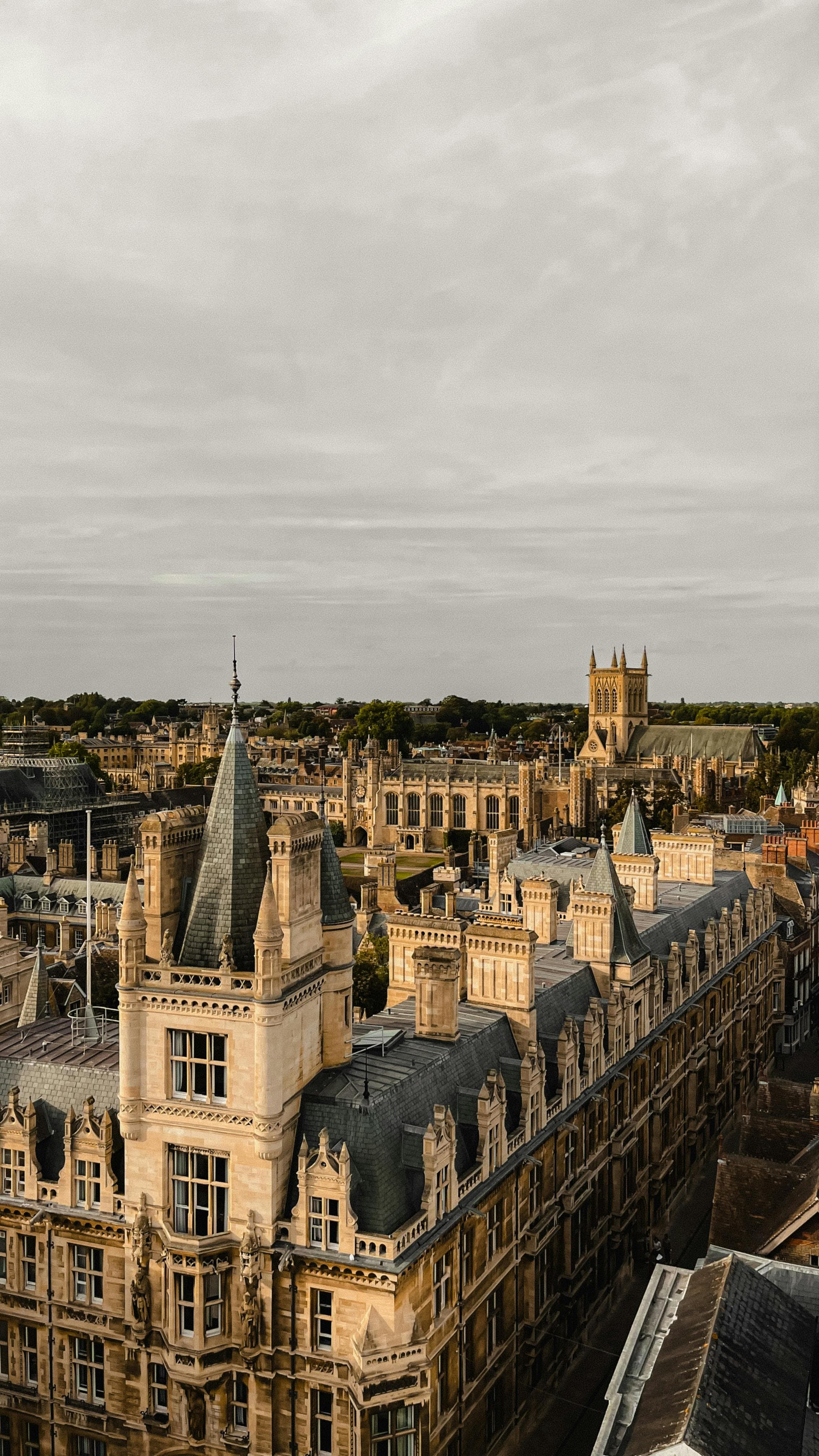
Choosing to study abroad involves more than just academics and finances. Cultural fit, safety, and daily life are paramount. North Cyprus excels in these areas, offering a welcoming environment for its large international student population.
Safety and Culture
North Cyprus is widely regarded as one of the safest regions in the Mediterranean, with extremely low crime rates. The culture is a unique blend of Turkish and Mediterranean influences, known for its hospitality. University campuses are vibrant, multicultural hubs with students from over 100 countries, creating a supportive and cosmopolitan atmosphere.
Food and Lifestyle
The availability of familiar food is a major concern for many Indian students. In North Cyprus, this is not an issue. Most university cafeterias offer diverse international cuisines, including vegetarian and halal options. Furthermore, cities like Famagusta, Kyrenia, and Nicosia have numerous Indian and South Asian restaurants and grocery stores, making it easy to find spices, lentils, and other essentials to cook meals at home.
Part-Time Work Opportunities
While the primary focus should be on studies, many students seek part-time work to supplement their income and gain experience. International students in North Cyprus are legally permitted to work part-time (up to 20 hours per week) after completing their first semester and obtaining a student work permit. On-campus jobs in libraries, administrative offices, and sports facilities are common, as are opportunities in the local tourism and hospitality sectors. Our career counselling services can provide guidance on this process.
Your Checklist for Choosing the Best Country to Study Abroad
Navigating the options can be overwhelming. Use this checklist to structure your research and compare potential countries, including North Cyprus, systematically.
Key Evaluation Criteria for Your Study Abroad Destination
Academic Fit & Program Availability
Does the country have strong universities for your chosen field? Do they offer the specific programs you're interested in, taught in English? Browse all programs available in North Cyprus to see the extensive options.
Tuition Fees & Scholarship Opportunities
What is the total tuition cost for the entire degree? What percentage of international students receive scholarships, and are they easy to apply for? North Cyprus universities offer automatic scholarships of 50% or more to most international students.
Cost of Living & Budgeting
Calculate the total expected cost for accommodation, food, transport, and health insurance. According to OECD Education at a Glance data, living costs can vary dramatically between countries, often exceeding tuition fees.
Admission Requirements & Application Simplicity
Do you need to take expensive and time-consuming exams like IELTS, TOEFL, or SAT? How complex is the application process? The straightforward, transcript-based admission in North Cyprus is a major advantage.
Visa Process & Post-Study Work Rules
How high is the visa success rate for Indian students? What are the financial requirements? Critically, what are the rules for staying and working in the country after graduation? Our student visa guidance team can help you navigate this.
Degree Recognition & Global Mobility
Will your degree be recognized in your home country and internationally? Look for markers of quality like the EU Diploma Supplement and accreditation from reputable bodies like YÖK.
Safety, Culture, and Student Support
Is the country safe and welcoming for international students? What kind of support services does the university offer for housing, health, and career development? A strong support system is crucial for a successful experience.
When evaluated against these criteria, North Cyprus presents a compelling and balanced profile. It offers the academic quality and global recognition of a European degree program without the prohibitive costs and complex admission hurdles of traditional destinations. For the discerning Indian student and their family, it represents not just an alternative, but a strategic choice for a successful global future. To begin your journey, you can start your application with our free expert support.
Frequently Asked Questions
Ready to Explore Your Future in North Cyprus?
Our expert advisors can help you find the perfect program and secure a scholarship. Get personalized guidance and start your application for free.