
Featured programs you can apply to
No IELTS or entrance exam required — admission is based on your transcript.


The Interdisciplinary Frontier of Biomedical Engineering

Biomedical Engineering (BME) stands at the unique intersection of engineering principles and biological sciences, dedicated to advancing healthcare solutions. It is an expansive discipline that applies design and problem-solving skills to medicine and biology, creating innovative technologies and devices that improve human health and quality of life. From developing artificial organs and advanced prosthetics to designing sophisticated diagnostic tools and therapeutic systems, biomedical engineers are at the forefront of medical innovation.
This interdisciplinary nature requires a robust understanding of various scientific and engineering domains, including mechanical, electrical, chemical engineering, computer science, materials science, biology, and physiology. The field's growth is largely driven by an aging global population, the increasing prevalence of chronic diseases, and the continuous demand for more effective, personalized, and accessible healthcare technologies. Studying biomedical engineering equips you with the skills to address some of the most pressing challenges in modern medicine, making a tangible difference in patient care and public health.
Core Branches and Specializations within Biomedical Engineering
The vast scope of Biomedical Engineering allows for numerous specializations, each contributing uniquely to the healthcare landscape. Understanding these branches is crucial for prospective students to identify their areas of interest and potential career paths.
Bioinstrumentation
This branch focuses on the application of electronics and measurement techniques to develop devices used for diagnosis and treatment. Biomedical engineers in bioinstrumentation design, develop, and maintain medical equipment such as pacemakers, MRI machines, X-ray systems, electrocardiographs (ECG), and various surgical tools. Their work ensures the accuracy, safety, and reliability of the technology healthcare professionals rely on daily.
Biomaterials

Biomaterials engineering involves the development and study of materials compatible with the human body. These materials are used to create implants, prosthetics, drug delivery systems, and tissue engineering scaffolds. Research in this area focuses on understanding how biological systems interact with synthetic and natural materials, aiming to minimize adverse reactions and optimize performance for long-term use within the body. Examples include hip and knee replacements, dental implants, and biodegradable sutures.
Biomechanics
Biomechanics applies mechanical engineering principles to biological systems. This specialization investigates the mechanics of human movement, blood flow, tissue deformation, and injury prevention. Engineers in this field might design improved athletic equipment, analyze the forces on joints to develop better prosthetics, or study the fluid dynamics of the cardiovascular system to understand disease progression. It often involves computational modeling and experimental testing to analyze biological structures and functions.
Tissue Engineering and Regenerative Medicine
This cutting-edge field focuses on creating biological substitutes to restore, maintain, or improve tissue and organ function. Utilizing cells, engineering materials, and biochemical factors, tissue engineers aim to grow new tissues and organs in the lab for transplantation or to repair damaged ones within the body. This includes developing artificial skin for burn victims, cartilage for joint repair, and even more complex organs like bladders and tracheas.
Medical Imaging
Medical imaging engineers develop and refine technologies that allow healthcare professionals to visualize the inside of the human body for diagnostic purposes. This includes technologies such as X-rays, Computed Tomography (CT) scans, Magnetic Resonance Imaging (MRI), and ultrasound. Their work is essential for early disease detection, accurate diagnosis, and guiding surgical procedures, constantly pushing the boundaries of non-invasive examination.
Why a Biomedical Engineering Degree is a Strategic Choice
High Demand for Professionals
The healthcare industry's continuous evolution ensures a steady and growing need for skilled biomedical engineers globally.
Direct Impact on Human Health
Contribute directly to improving lives by developing life-saving devices, diagnostic tools, and therapeutic solutions.
Interdisciplinary Skill Development
Gain a versatile skill set spanning engineering, biology, and medicine, making you adaptable to various industries.
Innovation-Driven Field
Be part of a field that constantly pushes scientific and technological boundaries, offering continuous learning and growth.
Global Career Prospects
A BME degree opens doors to international career opportunities in research, industry, and clinical settings worldwide.
Unlocking Diverse Career Pathways with a Biomedical Engineering Degree
Graduates with a degree in Biomedical Engineering are highly sought after in a variety of sectors, reflecting the broad applicability of their specialized knowledge. The skills acquired, such as problem-solving, analytical thinking, design, and an understanding of both engineering and biological systems, are invaluable across numerous industries. The career outlook for biomedical engineers is robust, with consistent demand for professionals who can bridge the gap between technological innovation and medical needs.
Common career roles include Clinical Engineer, working in hospitals to manage and maintain medical equipment; Research Scientist, developing new medical technologies or therapies in academic or industrial labs; Medical Device Designer, creating innovative instruments and devices; Biomaterials Engineer, focusing on the development of biocompatible materials; and Rehabilitation Engineer, designing assistive technologies for individuals with disabilities. Beyond these, graduates often find positions in quality assurance, regulatory affairs, sales and marketing for medical products, and even entrepreneurship, launching their own med-tech startups.
Industries that actively recruit biomedical engineers span from established medical device manufacturers and pharmaceutical companies to emerging biotechnology firms and government regulatory bodies. Research institutions, universities, and hospitals also provide significant employment opportunities. The interdisciplinary nature of the degree means that graduates are not confined to traditional engineering roles but can also pivot into areas like data science, bioinformatics, or health informatics, leveraging their analytical prowess in new contexts. For a broader perspective on global career trends in this field, organizations like the OECD regularly publish reports on the demand for STEM professionals, including those in biomedical fields.
North Cyprus: An Emerging Hub for Biomedical Engineering Education
For international students aspiring to a career in Biomedical Engineering, North Cyprus presents a compelling and increasingly popular destination. The region has rapidly established itself as an educational hub, offering high-quality, English-taught programs that are both accessible and globally recognized. This unique combination of factors makes it an attractive alternative to more traditional study-abroad destinations.
A primary advantage is the North Cyprus universities' commitment to English-medium instruction. All Biomedical Engineering programs are delivered entirely in English, eliminating language barriers for international students and fostering a truly global learning environment. Furthermore, the cost of tuition and living expenses in North Cyprus is significantly more affordable compared to universities in Western Europe, North America, or Australia, making a world-class education attainable for a wider range of students. Degrees awarded by North Cyprus universities are widely recognized, thanks to accreditations from the Turkish Council of Higher Education (YÖK) and the Higher Education Planning, Evaluation, Accreditation and Coordination Council of North Cyprus (YÖDAK), and often align with the principles of the Bologna Process, ensuring international comparability and facilitating credit transfer.
Leading Universities Offering Biomedical Engineering in North Cyprus
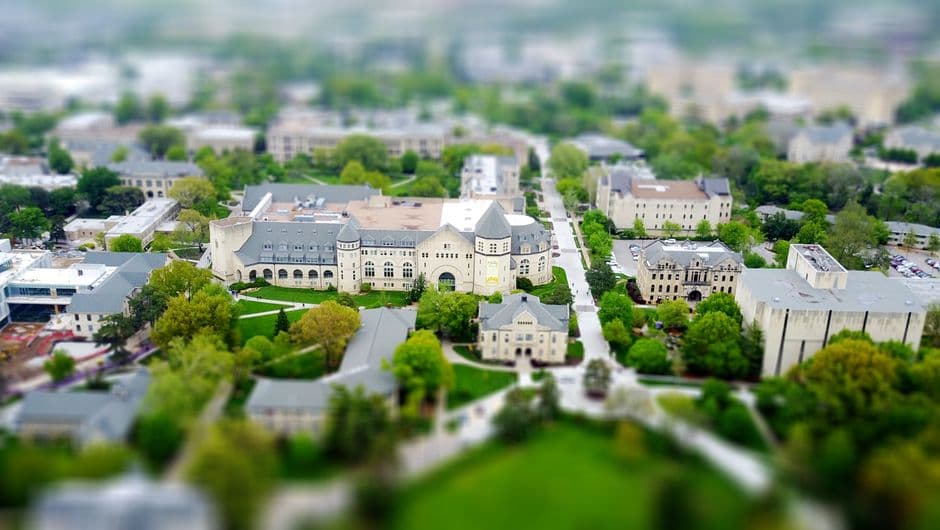
Several prominent universities in North Cyprus offer comprehensive Bachelor of Science (B.Sc.) programs in Biomedical Engineering, each with its unique strengths in research, facilities, and academic focus. These institutions are equipped with modern laboratories and experienced faculty, dedicated to preparing students for the challenges and innovations of the biomedical field.
Eastern Mediterranean University (EMU), located in Famagusta, boasts a well-established Faculty of Engineering with a strong emphasis on research and practical application. Their Biomedical Engineering program integrates theoretical knowledge with hands-on laboratory experience, covering areas such as medical instrumentation, biomaterials, and biomechanics. EMU is known for its international faculty and diverse student body, providing a rich multicultural learning environment. The university's facilities include specialized labs for medical electronics, biomechanics, and tissue engineering, supporting cutting-edge research projects.
Near East University (NEU) in Nicosia is another leading institution, offering a robust Biomedical Engineering program within its Faculty of Engineering. NEU places a significant focus on research and development, particularly in areas like medical imaging, bio-robotics, and regenerative medicine. The university is home to numerous research centers and a university hospital, providing students with unique opportunities for clinical exposure and collaborative projects. NEU's program is designed to equip graduates with the skills necessary for both academic research and industry roles.
Cyprus International University (CIU), also in Nicosia, offers a dynamic Biomedical Engineering program that emphasizes practical skills and industry relevance. CIU's curriculum is regularly updated to reflect the latest advancements in the field, ensuring graduates are well-prepared for the evolving job market. The university provides modern laboratory facilities and encourages student participation in research projects, fostering an innovative and hands-on learning approach. CIU is particularly noted for its focus on sustainable technologies and interdisciplinary collaboration.
Girne American University (GAU), situated in Kyrenia, offers a comprehensive Biomedical Engineering program that integrates global perspectives with a strong foundation in engineering and medical sciences. GAU's program focuses on developing critical thinking and problem-solving skills, preparing students for diverse roles in the healthcare technology sector. The university's international partnerships and diverse faculty enhance the learning experience, providing students with a broad understanding of global biomedical challenges and solutions.
| University | Estimated Annual Tuition (USD) | Typical Scholarship (%) |
|---|---|---|
| Eastern Mediterranean University (EMU) | $6,000 - $8,000 | 50% |
| Near East University (NEU) | $6,500 - $8,500 | 50% |
| Cyprus International University (CIU) | $5,500 - $7,500 | 50% |
| Girne American University (GAU) | $5,000 - $7,000 | 50% |
Streamlined Admission for International Biomedical Engineering Students
One of the most significant advantages of pursuing Biomedical Engineering in North Cyprus is the highly accessible and straightforward admission process for international students. Unlike many other global study destinations, North Cyprus universities maintain one of the most open admissions policies in the region, designed to welcome a diverse international cohort.
Crucially, North Cyprus universities do not require external English language proficiency exams such as IELTS, TOEFL, Pearson PTE, Cambridge English, or Duolingo English Test for admission. Similarly, standardized entrance exams like SAT, ACT, GRE, or GMAT are not prerequisites for entry into Bachelor's or Master's programs. Admission decisions are primarily based on your academic performance, specifically your secondary-school transcript for undergraduate programs, and your bachelor's transcript for graduate studies. This policy simplifies the application process significantly, allowing students to focus on their academic qualifications.
Upon arrival at the university, applicants who do not already hold an English-language qualification (such as a high school diploma from an English-medium institution or an optional IELTS score of 5.5 or equivalent) will take an in-house English Proficiency Exam. This is a placement test, not an admission gate. Students who do not pass this internal exam will enroll in the university's English Preparatory School, typically for one academic year, before commencing their degree program. This preparatory year ensures that all students have the necessary language skills to succeed in their English-taught Biomedical Engineering courses, without requiring a second admission decision after completing the prep school. To begin your journey, you can start your application today.
Essential Documents for Your North Cyprus Application
High School Diploma/Certificate
Official copy of your secondary school leaving certificate, with an official English translation if not originally in English.
Academic Transcripts
Official academic transcripts or mark sheets from all years of secondary school, also with English translations if necessary.
Valid Passport Copy
A clear, color copy of the photo page of your valid international passport.
Passport-sized Photographs
Recent digital passport-sized photographs meeting standard international requirements.
Optional English Language Certificate
If you possess an IELTS 5.5 or equivalent, you may submit it to be exempt from the university's internal English proficiency test upon arrival. This is not mandatory for admission.
Scholarship Opportunities and Financial Planning
North Cyprus universities are committed to making quality education accessible to international students, and this commitment is strongly reflected in the extensive scholarship opportunities available. Most universities offer significant tuition fee discounts, typically starting at 50% for international students, which are often automatically applied upon admission based on academic merit.
These scholarships substantially reduce the financial burden, making a Biomedical Engineering degree in North Cyprus highly competitive in terms of cost-effectiveness compared to programs of similar quality in other countries. Some universities may offer even higher scholarship percentages, up to 75% or even 100% for exceptionally high-achieving students. It is always advisable to check the specific scholarship policies of your chosen university, but a substantial reduction in tuition fees is a common and reliable expectation. For more detailed information on available financial aid, explore our dedicated scholarship support section.
Beyond Academics: Student Life and Support Services
Studying Biomedical Engineering in North Cyprus extends beyond the classroom and laboratory; it encompasses a vibrant student life and comprehensive support services designed to ensure a smooth and enriching experience for international students. Universities provide various student accommodations, including modern on-campus dormitories that offer convenience, safety, and a sense of community. These facilities often come with amenities such as internet access, study areas, and recreational spaces.
Furthermore, universities offer robust student visa guidance, assisting international applicants through the necessary immigration procedures to ensure a hassle-free entry and stay in North Cyprus. Once enrolled, students benefit from a range of support services, including academic advising, psychological counseling, and dedicated international student offices that help with integration into university life and local culture. For career development, most institutions provide career counselling services, helping students with internship placements, resume building, and job search strategies, connecting them with potential employers in the burgeoning medical technology sector. The island itself offers a safe, welcoming environment with a rich cultural heritage and Mediterranean lifestyle, providing an excellent backdrop for both academic pursuit and personal growth.
Frequently Asked Questions About Studying Biomedical Engineering in North Cyprus
Explore More Engineering Programs
Hand-picked programs from North Cyprus universities you can apply to directly.

Launch Your Biomedical Engineering Career in North Cyprus
Ready to innovate in healthcare? Discover accredited, affordable Biomedical Engineering programs tailored for international students. Start your application today and connect with leading universities.