Why Europe is a Top Choice for Pakistani Students

For students in Pakistan, the decision to study in Europe is driven by a desire for world-class education, cultural immersion, and enhanced career prospects. European universities are globally recognized for their academic rigor, research excellence, and commitment to innovation. Following frameworks like the Bologna Process, degrees are standardized across the continent, ensuring comparability and transferability. This means a bachelor's degree from Poland is understood and valued by a master's admissions committee in Germany or an employer in Spain.
The appeal extends beyond academics. Europe offers a rich tapestry of cultures, languages, and histories, providing an unparalleled personal growth experience. For many Pakistani families, the prospect of their children gaining international exposure, developing independence, and building a global network is a significant factor. Furthermore, the potential for post-study work opportunities and a higher standard of living makes the investment in a European education highly attractive. However, navigating the complex landscape of tuition fees, living costs, and stringent visa requirements can be daunting. This guide breaks down the reality of studying in the cheapest countries to study in Europe for international students, offering a clear path forward.
The German Model: 'Free' Tuition vs. Real Costs
Germany is often the first country that comes to mind for affordable European education. Its public universities famously charge no tuition fees for most bachelor's and master's programs, even for non-EU students. This is a massive draw, but the 'free' label can be misleading. While you don't pay tuition, you must pay a semester contribution fee, typically ranging from €150 to €350. This fee covers administrative costs and often includes a public transport ticket.
The most significant financial hurdle for a student from Pakistan is the 'Sperrkonto' or blocked account. To secure a German student visa, you must prove you have sufficient funds to cover your living expenses for the first year. As of 2026, this amount is €11,208 (approximately 3.4 million PKR). This entire sum must be deposited into a special blocked account before your visa interview. This is a non-negotiable requirement of the German government and represents a substantial upfront financial commitment that many families find challenging.
Furthermore, while many master's programs are taught in English, finding English-taught bachelor's programs at public universities is much more difficult. Most undergraduate degrees are taught in German, requiring C1-level proficiency. This language barrier effectively closes the door for many international students who are not prepared to spend an extra year or two in intensive language study before commencing their degree.
Emerging Europe: Poland & Hungary's Affordable Offerings
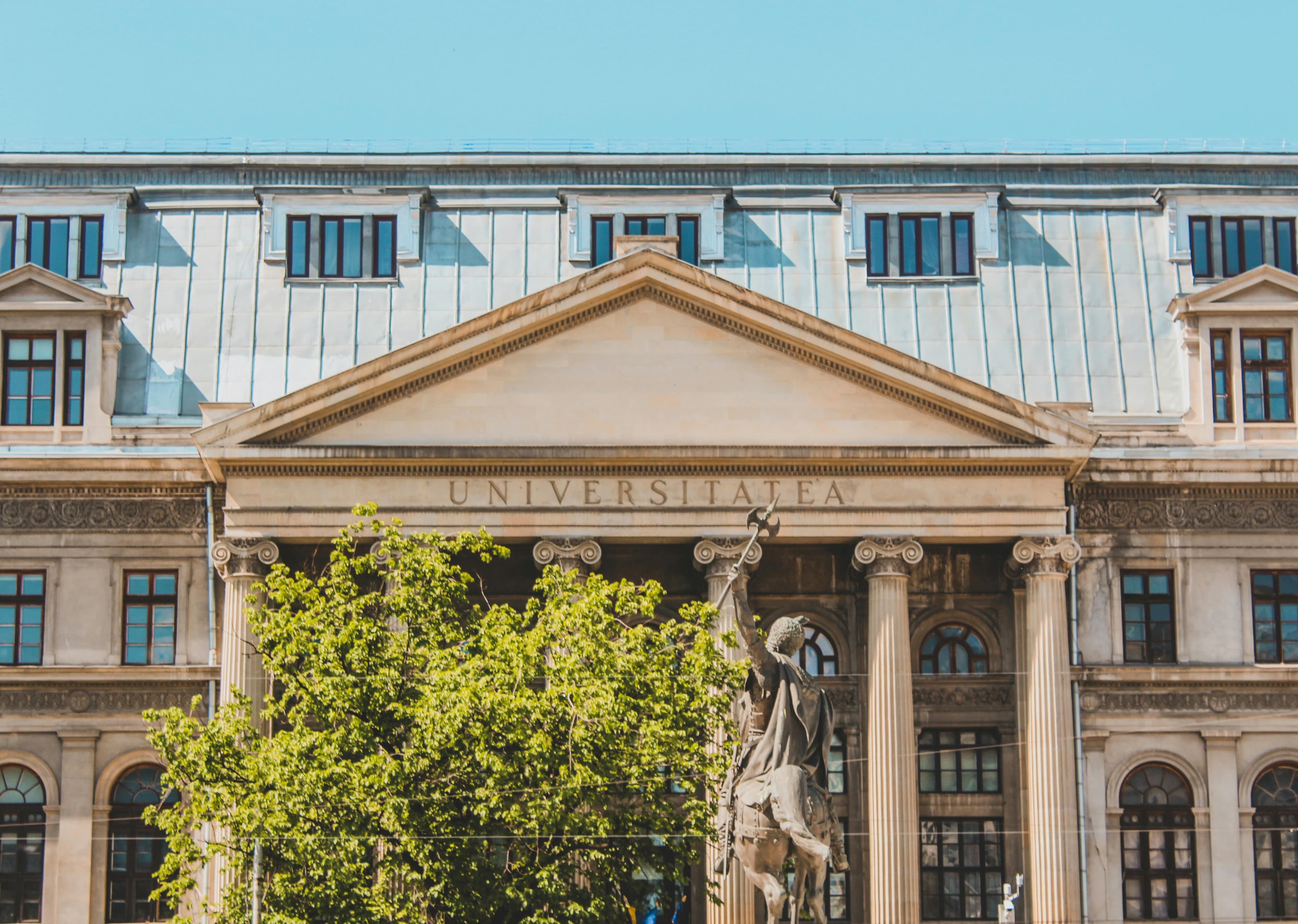
For students seeking English-taught programs without the language barrier of Germany, Eastern European countries like Poland and Hungary have become popular alternatives. These nations offer a high standard of education, particularly in fields like Medicine, Engineering, and IT, at a fraction of the cost of Western Europe.
In Poland, universities like the University of Warsaw and Jagiellonian University offer English-taught programs with tuition fees ranging from €2,000 to €5,000 per year for most disciplines. Medical programs are more expensive, often exceeding €10,000 annually. Living costs are also significantly lower than in Germany, with monthly expenses in cities like Warsaw or Krakow estimated between €400 and €700. The visa process requires proof of funds, but typically not a blocked account in the same rigid way as Germany.
Similarly, Hungary is a hub for international students, especially in health sciences. The University of Debrecen and the University of Szeged are well-regarded for their English-medium medical and dental programs. Tuition for these competitive programs can be high (€14,000 - €16,000 per year), but for business or engineering, fees are more manageable, often in the €4,000 to €7,000 range. Living costs are comparable to Poland, making the overall package affordable. However, competition for scholarships is high, and the visa process for Schengen countries can be lengthy and demanding for Pakistani applicants.
North Cyprus: The English-Taught, High-Value Alternative
An often-overlooked but highly compelling option is North Cyprus. It presents a unique blend of affordability, accessible admissions, and high-quality, English-medium education. Universities like Eastern Mediterranean University (EMU), a state university ranked by Times Higher Education, and large private institutions like Near East University (NEU) and Cyprus International University (CIU) offer a vast range of programs entirely in English.
The key advantage for students from Pakistan is the admissions process. North Cyprus universities do not require IELTS, TOEFL, or any other standardized English test for admission. Admission is granted based on your high school transcripts (e.g., FSC/A-Levels). Upon arrival, you take a university-administered English proficiency test. If you don't meet the standard for direct entry into your faculty, you simply enroll in the English Preparatory School for a year to build your skills before starting your degree. This removes a major barrier and expense that many applicants face with other European countries.
Moreover, tuition fees are exceptionally competitive. Most bachelor's programs range from €2,800 to €5,000 per year. Crucially, almost all international students are automatically awarded a 50% scholarship, bringing the effective annual tuition down to €1,400 - €2,500. This makes the total cost of education significantly lower than even the 'cheapest' options in mainland Europe. You can start your application and see what scholarships you qualify for without any commitment.
Tuition and Living Cost: A Head-to-Head Comparison
To make an informed decision, it's essential to look at the total annual cost: tuition plus living expenses. The table below provides an estimated comparison for a non-medical bachelor's program. Note that these are averages and can vary based on university, city, and lifestyle.
| Country | Average Annual Tuition (Non-Medical) | Estimated Annual Living Costs | Total Estimated Annual Cost |
|---|---|---|---|
| Germany (Public) | €0 (plus ~€600 in fees) | €11,208 (mandatory) | ~€11,808 |
| Poland | €2,000 - €4,000 | €4,800 - €8,400 | €6,800 - €12,400 |
| Hungary | €4,000 - €7,000 | €5,000 - €8,000 | €9,000 - €15,000 |
| North Cyprus | €1,400 - €2,800 (with 50% scholarship) | €4,000 - €6,000 | €5,400 - €8,800 |
As the data shows, North Cyprus emerges as one of the most financially accessible options when all costs are considered. The combination of low tuition after scholarships and a moderate cost of living in a Mediterranean environment provides exceptional value. The absence of a large, mandatory blocked account like Germany's also makes the initial financial planning far more manageable for families.
Visa and Part-Time Work Realities for Pakistani Students
Securing a student visa is a critical step in your journey to study in Europe. The process and requirements vary significantly between countries, and this is an area where careful planning is essential for Pakistani passport holders.
Comparing Visa and Work Regulations
Schengen Area (Germany, Poland, Hungary)
Applying for a student visa for these countries involves a rigorous process at the respective embassies in Pakistan. You'll need a comprehensive set of documents, including a university acceptance letter, proof of financial sufficiency (like the German blocked account), travel health insurance, and a detailed study plan. The process can take several months, and success is not guaranteed. Once there, students are typically allowed to work part-time, usually up to 20 hours per week during semesters and full-time during breaks. Post-study work visa options are available, often allowing graduates to stay for 18 months (Germany) to seek employment.
North Cyprus
The process for North Cyprus is markedly different and more straightforward. You don't apply for a visa from Pakistan. Instead, you travel to North Cyprus with your university acceptance letter and other required documents. The student permit (residence permit) is processed after you arrive and register at the university. This significantly reduces the upfront uncertainty and bureaucratic hurdles. International students are legally permitted to work part-time (up to 20 hours per week) after their first semester of study, providing an opportunity to gain work experience and supplement their income.
The Power of Your Diploma: Global Recognition and Mobility

A degree is only as valuable as its recognition. This is where North Cyprus universities offer a powerful, dual-pronged advantage for long-term career mobility. Firstly, all degrees from accredited North Cyprus universities are issued with an EU Diploma Supplement. This 'blue diploma' is a standardized document recognized across the European Higher Education Area. It makes your qualifications easily understandable to employers and universities throughout Europe, facilitating applications for master's programs or jobs in countries like Germany, Sweden, or the Netherlands.
Secondly, and just as importantly, these same degrees are fully accredited by Turkey's Council of Higher Education (YÖK). This gives them academic equivalence to degrees from Turkish state universities. For graduates who may wish to work or pursue further studies in Turkey, a major regional economic power, this accreditation is invaluable. This dual recognition—European readability via the Diploma Supplement and Turkish equivalence via YÖK—creates a uniquely flexible qualification. It opens doors not just in one region, but across Europe, Turkey, the Middle East, and globally, which is a significant advantage in an interconnected world.
How to Start Your Application Journey
Embarking on your study abroad journey can feel overwhelming, but breaking it down into manageable steps makes it achievable. The first step is always research. Use platforms like North Cyprus Education to browse all programs and compare universities. Look at the specific entry requirements for your chosen course—for most North Cyprus programs, this will be your high school transcript and a completed application form.
Once you've shortlisted your preferred universities and programs, the next step is to gather your documents. This typically includes:
- Scanned copy of your international passport.
- High school transcripts and diploma (e.g., FSC/HSSC or A-Level results).
- For postgraduate applicants, your bachelor's degree transcript and certificate.
- A completed university application form.
With these documents ready, you can submit your application. The process for North Cyprus is designed to be quick and transparent. You can often receive a conditional acceptance letter, detailing your program and scholarship offer, within a few business days. Our team can provide dedicated scholarship support to ensure you maximize your funding opportunities.
Frequently Asked Questions
Ready to Find Your Place in Europe?
Your affordable, high-quality European education is closer than you think. Let our advisors match you with the right North Cyprus university and program based on your goals and budget.