
North Cyprus Average Weather
Summer
Spring & Autumn
Winter
Understanding North Cyprus's Mediterranean Climate
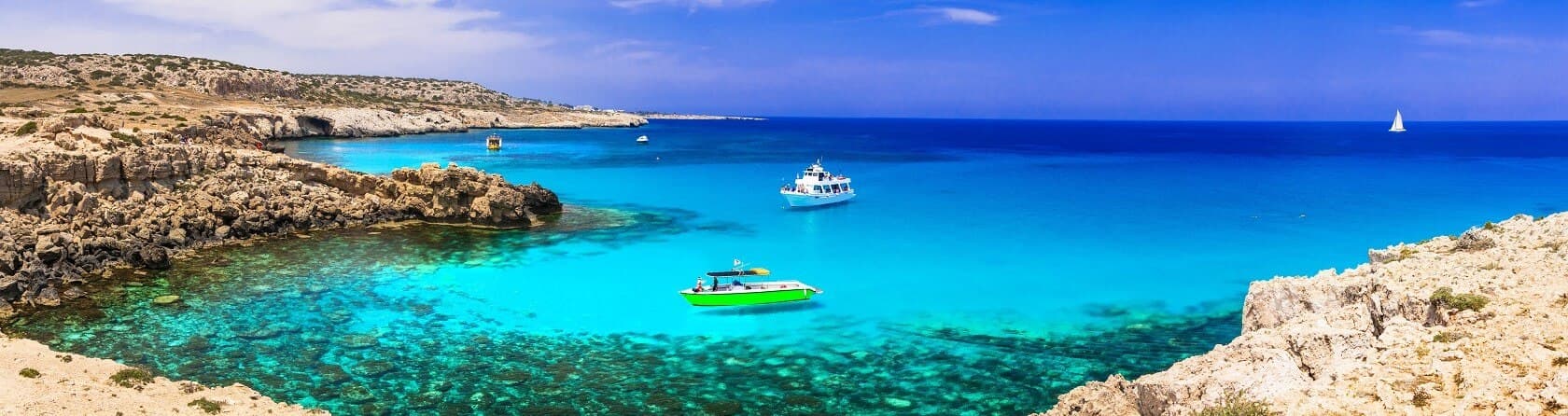
For international students considering a degree in North Cyprus, understanding the local climate is crucial for planning and adapting to a new environment. The island nation, situated in the eastern Mediterranean Sea, experiences a classic Mediterranean climate, characterized by distinct seasons that offer a diverse range of experiences throughout the academic year. This climate is defined by its long, hot, dry summers and short, mild, often rainy winters, with pleasant transitional periods in spring and autumn.
The geographical position of North Cyprus, specifically its proximity to the Anatolian peninsula to the north and the African continent to the south, plays a significant role in shaping its weather patterns. Sea breezes from the Mediterranean Sea help to temper the extreme heat during summer months, particularly in coastal cities like Famagusta, where Eastern Mediterranean University (EMU) is located, or Kyrenia, home to Girne American University (GAU) and the University of Kyrenia (UK). Inland areas, such as Nicosia (Lefkoşa), where Near East University (NEU) and Cyprus International University (CIU) are situated, tend to experience more extreme temperatures, with hotter summers and slightly cooler winters.
Seasonal Breakdown: What to Expect
Each season in North Cyprus brings its own unique characteristics, influencing everything from daily routines to recreational activities for students.
Summers (June – September)

Summers are long, hot, and dry, with average daytime temperatures ranging from 30°C to 35°C, often peaking at 40°C or higher in July and August, especially in inland areas like Nicosia. Coastal regions benefit from refreshing sea breezes, making the heat more bearable. Rainfall is virtually non-existent during these months. Students often spend their free time at the numerous beaches, engaging in water sports, or enjoying outdoor cafes and restaurants. Universities like Bahçeşehir Cyprus University (BAU) often schedule summer courses or internships, but the main academic year typically winds down by early June, allowing students to travel or enjoy the summer break.
Autumn (October – November)
Autumn is a highly pleasant season, marking the start of the academic year for most North Cyprus universities in late September or early October. Temperatures gradually cool, ranging from 20°C to 28°C, and the sea remains warm enough for swimming until late October. The first significant rains usually arrive in late October or November, bringing a welcome freshness to the landscape. This period is ideal for exploring the island's historical sites, hiking in the Kyrenia mountain range, or participating in university-organized outdoor events. The mild weather supports a vibrant student life, with many social activities taking place outdoors.
Winters (December – February)
Winters are mild and wet, particularly compared to many European and North American study destinations. Average daytime temperatures typically range from 10°C to 18°C, with night-time lows occasionally dropping to 5°C. Frost is rare, and snow is extremely uncommon, usually only seen on the highest peaks of the Kyrenia mountains. Most of the island's annual rainfall occurs during these months, sustaining the lush greenery that emerges in spring. Students should pack warm clothing, including waterproof jackets, but heavy winter gear is generally not required. Indoor activities, cultural events, and academic pursuits are prominent during this period.
Spring (March – May)

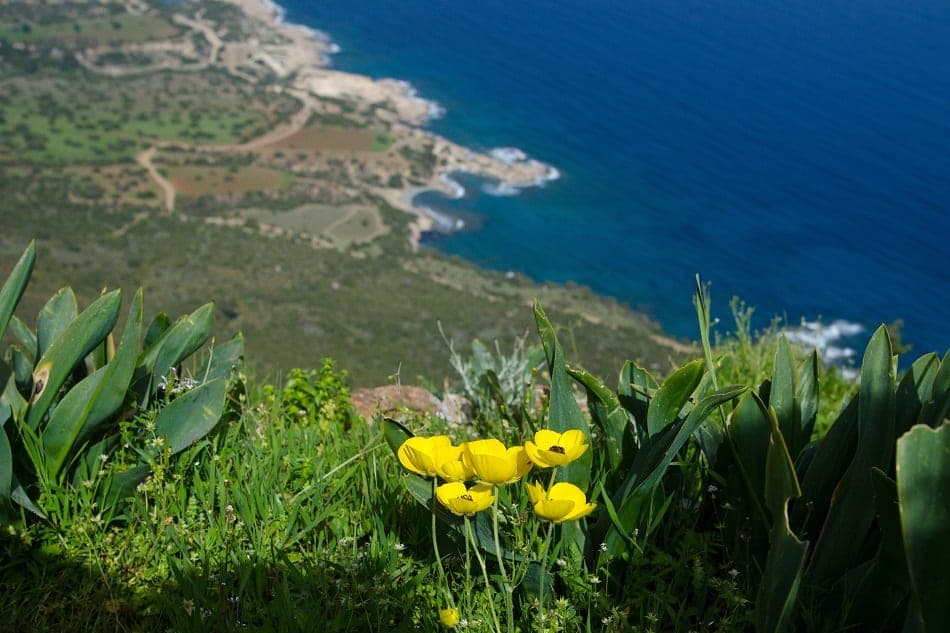
Spring is arguably the most beautiful season in North Cyprus. The landscape transforms into a vibrant tapestry of wildflowers, and temperatures are comfortably warm, ranging from 18°C to 25°C. Rainfall decreases significantly, and the days become longer and sunnier. This is an excellent time for outdoor excursions, nature walks, and enjoying the island's natural beauty before the summer heat sets in. Universities often host outdoor festivals, sports events, and graduation ceremonies during these months, making it a lively period for student life across campuses like those of Cyprus West University (CWU) and European University of Lefke (EUL).
Benefits of North Cyprus's Climate for International Students
Extended Outdoor Activities
With over 300 sunny days, students have ample opportunities for outdoor sports, beach trips, hiking, and exploring the island's natural beauty for much of the year.
Positive Well-being
Abundant sunshine is linked to improved mood and vitamin D levels, contributing to a positive mental and physical well-being for students far from home.
Mild Winters
North Cyprus offers a welcome respite from harsh winters found in many other study destinations, reducing the need for extensive winter clothing and making daily commutes more comfortable.
Diverse Seasonal Experiences
Each season provides distinct opportunities, from summer beach life to spring wildflower excursions, ensuring a varied and engaging experience throughout your studies.
Reduced Heating Costs
The mild winters mean lower energy consumption for heating student accommodations, contributing to a more affordable cost of living compared to colder climates.
Preparing for the North Cyprus Climate
When preparing to study in North Cyprus, packing strategically for the climate is essential. For the hot summer months, lightweight, breathable clothing made from natural fabrics like cotton or linen is advisable. Sunscreen, sunglasses, and a wide-brimmed hat are indispensable for protection against the strong Mediterranean sun. Hydration is key, so carrying a reusable water bottle is a good habit to adopt.
During autumn and spring, layers are your best friend. Days are warm, but evenings can be cooler, especially after sunset. A light jacket or cardigan will be useful. For winter, a medium-weight coat, sweaters, and waterproof footwear are generally sufficient. While temperatures rarely drop below freezing, indoor heating systems in some older buildings might not be as robust as those in colder countries, so warm loungewear for dorms or apartments can add to your comfort. Many students find that their existing wardrobe, with a few additions, is perfectly adequate for the North Cyprus climate.
Climate's Impact on Student Life and Activities
The favorable climate in North Cyprus profoundly shapes the student experience. Universities actively leverage the weather by organizing numerous outdoor events, sports tournaments, and social gatherings throughout the year. For instance, the sprawling campuses of Near East University (NEU) and Cyprus International University (CIU) in Nicosia offer extensive green spaces and outdoor sports facilities that are utilized almost year-round. Students can participate in football, basketball, tennis, and swimming in open-air pools for much of the academic calendar.
The coastal locations of universities like Eastern Mediterranean University (EMU) in Famagusta and Girne American University (GAU) in Kyrenia mean easy access to beaches and water sports. Many students spend weekends swimming, sunbathing, or engaging in activities like diving and sailing. The mild climate also encourages exploration of the island's rich history and natural beauty, from the ancient ruins of Salamis to the Karpas Peninsula's wild beaches. This outdoor-centric lifestyle contributes to a healthy, active, and socially engaging environment for international students, fostering a strong sense of community and well-being.
| Month | Avg. High (°C) | Avg. Low (°C) | Avg. Rainfall (mm) |
|---|---|---|---|
| January | 15 | 7 | 80 |
| February | 16 | 7 | 60 |
| March | 18 | 8 | 40 |
| April | 22 | 11 | 20 |
| May | 27 | 15 | 10 |
| June | 31 | 19 | 5 |
| July | 34 | 22 | 0 |
| August | 34 | 22 | 0 |
| September | 31 | 19 | 10 |
| October | 27 | 16 | 30 |
| November | 22 | 12 | 50 |
| December | 17 | 9 | 90 |
Health and Well-being in the Mediterranean Climate
The Mediterranean climate is often associated with a healthy lifestyle, and North Cyprus is no exception. The abundance of sunshine naturally boosts Vitamin D production, which is crucial for bone health and immune function. The prevalence of fresh, locally grown produce, including fruits, vegetables, and olive oil, supports a nutritious diet, often referred to as the Mediterranean diet, known for its health benefits. Students can find fresh ingredients at local markets, encouraging healthy eating habits.
However, it is vital for students to be mindful of sun protection, especially during the peak summer months. Consistent use of high-SPF sunscreen, wearing protective clothing, and seeking shade during the hottest parts of the day (typically between 11 AM and 4 PM) are crucial to prevent sunburn and long-term skin damage. Staying hydrated by drinking plenty of water is also paramount, particularly when engaging in physical activities or spending extended periods outdoors. The generally pleasant weather also contributes to mental well-being, providing ample opportunities for relaxation and stress reduction through outdoor recreation, which can be a significant advantage for students managing academic pressures.
Comparing North Cyprus Climate to Other Study Destinations
When international students evaluate study abroad options, climate often plays a subtle yet significant role. North Cyprus offers a stark contrast to destinations known for harsh winters or consistently overcast skies. For example, students from colder regions of Europe or North America will find the mild, sunny winters of North Cyprus a welcome change. Conversely, those from tropical climates might need to adjust to the distinct seasonal variations, particularly the cooler, wetter winters, though these are still far from extreme.
The island's climate is comparable to other Mediterranean study hubs in Southern Europe, such as parts of Greece, Italy, or Spain, but often with slightly higher average temperatures and more sunshine hours. This consistent warmth and light contribute to a vibrant outdoor culture that may not be as prevalent in more temperate or continental climates. The climate of Cyprus, as detailed by meteorological data, underscores its appeal as a year-round destination, offering a balanced environment for both academic focus and recreational pursuits. This makes North Cyprus an attractive option for students seeking a study experience that combines academic rigor with a high quality of life under sunny skies.
Planning Your Arrival: Best Times and What to Pack
Most international students arrive in North Cyprus for the autumn intake, typically in late September or early October. This timing coincides with the pleasant transition from summer heat to mild autumn weather, making the initial adjustment easier. Temperatures are still warm enough to enjoy outdoor activities, but the intense summer heat has subsided. For those arriving for the spring intake (usually February), they will experience the tail end of winter, characterized by cooler temperatures and occasional rain, before the island bursts into vibrant spring bloom.
Regardless of your arrival month, it is advisable to pack a versatile wardrobe. For autumn arrivals, focus on light clothing for daytime, with a few warmer layers for evenings. If you arrive in February, ensure you have a good waterproof jacket and some warm sweaters. Don't forget swimwear, regardless of the season, as many university accommodations, like those at Cyprus International University (CIU), offer indoor pools, and the sea remains inviting well into autumn. For more detailed guidance on what to bring, consider checking out our student accommodations section and specific university guides.
Frequently Asked Questions About Climate & Weather in North Cyprus
Discover Your Ideal Program in North Cyprus
Ready to experience a vibrant student life under the Mediterranean sun? Explore programs that fit your academic goals and start your application today.