Study Pilotage in North Cyprus
No IELTS or entrance exam required — admission is based on your transcript.

Introduction: Navigating Your Aviation Career Path
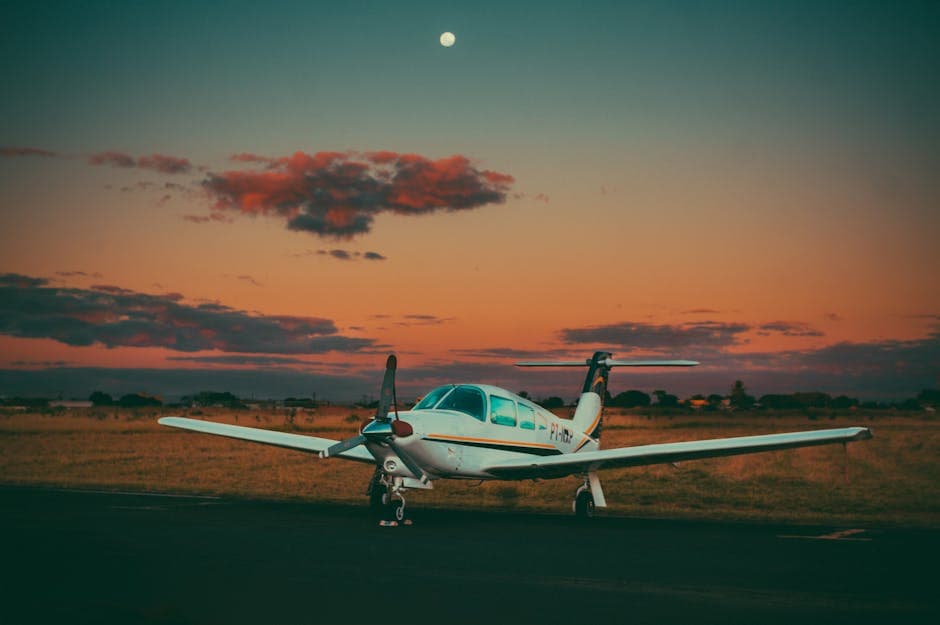
Embarking on a career in aviation is an exhilarating prospect, but understanding the foundational steps is crucial. For many, the journey begins with deciding between a Private Pilot License (PPL) and a Commercial Pilot License (CPL). While both licenses enable you to fly an aircraft, their requirements, training intensity, privileges, and ultimately, career implications, differ significantly. This guide provides a comprehensive comparison, shedding light on the nuances of each, including the emerging trend of cpl online training, and how North Cyprus offers a compelling destination for international students aspiring to join the ranks of professional aviators.
North Cyprus universities provide robust aviation programs, often integrating flight training with academic degrees. Furthermore, the degrees issued carry the prestigious EU Diploma Supplement, ensuring international recognition and enhancing graduate employability across Europe and beyond. This unique advantage, coupled with accreditation by Turkey's Council of Higher Education (YÖK), positions North Cyprus as a strategic hub for aviation education, offering pathways to global careers.
PPL Traiing: Your First Step into Aviation
The Private Pilot License (PPL) is the entry-level certification for recreational flying. It allows you to fly an aircraft for personal use, carry passengers, and share flight expenses, but strictly prohibits flying for hire or compensation. The focus of ppl traiing is on fundamental flight skills, navigation, and aviation regulations necessary for safe personal operation of an aircraft.
To obtain a PPL, applicants must typically be at least 17 years old (16 to solo), be able to read, speak, and understand English, and hold a valid FAA (or equivalent national authority) third-class medical certificate. The training involves both ground school and flight instruction. Ground school covers aerodynamics, meteorology, navigation, aircraft systems, and regulations, culminating in a written knowledge test. Flight training requires a minimum of 40-60 hours, including at least 10 hours of solo flight, cross-country flights, and night flying, before a practical flight test (checkride) with an examiner.
The cost of PPL training can vary widely depending on the flight school, aircraft type, and location, generally ranging from $10,000 to $20,000 USD. This includes instructor fees, aircraft rental, ground school materials, and examination fees. While this is a significant investment, it is considerably less than the cost of a CPL, making it an accessible starting point for many aviation enthusiasts.
CPL Online Training and In-Person: The Path to Professional Piloting
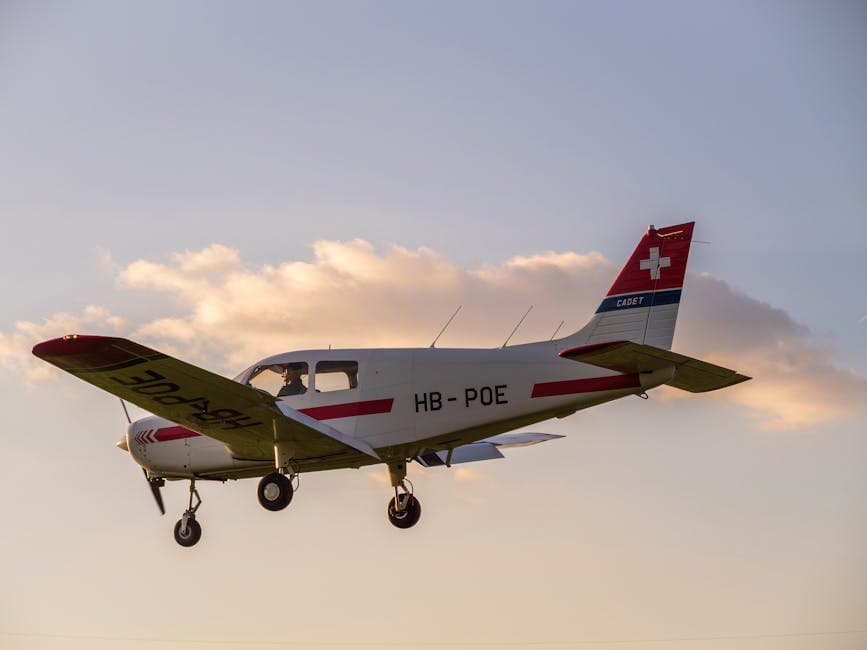
The Commercial Pilot License (CPL) is the gateway to a professional aviation career. It grants pilots the privilege to fly for hire or compensation, opening doors to roles such as airline pilot, cargo pilot, flight instructor, charter pilot, or aerial tour guide. The training for a CPL is far more extensive and rigorous than for a PPL, building upon the foundational skills acquired during PPL training.
CPL requirements include being at least 18 years old, holding a PPL, and possessing a valid FAA (or equivalent) second-class medical certificate. A minimum of 250 total flight hours is typically required, including specific hours of cross-country, night, and instrument flight time. The ground school curriculum delves deeper into advanced aerodynamics, complex aircraft systems, commercial operations, and air law. This culminates in a comprehensive written exam and a highly demanding practical flight test.
The Rise of CPL Online Training
In recent years, cpl online training has emerged as a flexible alternative to traditional in-person ground school. Online platforms offer structured curricula, interactive modules, video lectures, and practice exams that allow students to study at their own pace and from any location. This can be particularly advantageous for students balancing other commitments or those in regions without immediate access to a physical flight school.
While online training covers the theoretical aspects of the CPL syllabus, it does not replace the mandatory practical flight training. Students pursuing an online CPL ground school must still complete the required flight hours and practical examinations with a certified flight instructor and examiner. The primary benefit of online training is its flexibility and often lower cost for the ground school component, but the flight training remains a significant financial and time commitment, typically ranging from $40,000 to $80,000+ USD for the entire CPL program, depending on the school and aircraft type.
Pros and Cons of CPL Online Training
Pros: Flexibility and Accessibility
Online platforms allow students to learn at their own pace, fitting studies around work or other commitments. This is ideal for self-motivated learners and those in remote areas.
Pros: Cost-Effectiveness
The ground school portion of CPL online training is often more affordable than traditional classroom instruction, reducing overall program costs.
- •
Cons: Lack of Direct Interaction
Some students may miss the immediate feedback and collaborative environment of in-person classes. Self-discipline is paramount for success in online learning.
- •
Cons: No Replacement for Flight Hours
Crucially, online training only covers theoretical knowledge. The extensive practical flight training and hands-on experience remain essential and must be completed in person.
Core Differences: PPL vs. CPL Requirements and Training

The fundamental distinction between a PPL and a CPL lies in their purpose: recreational versus professional. This difference permeates every aspect of the training, from minimum age to flight hours and theoretical depth. Understanding these disparities is critical for any aspiring pilot to chart their career trajectory effectively.
A PPL focuses on foundational airmanship and safety for personal use, requiring fewer flight hours and a less intensive theoretical curriculum. Conversely, a CPL demands a far greater commitment, both in terms of flight experience and advanced knowledge, preparing pilots for the complexities and responsibilities of flying for commercial operations. The medical certificate requirements also differ, reflecting the higher standards for commercial pilots.
| Feature | Private Pilot License (PPL) | Commercial Pilot License (CPL) |
|---|---|---|
| Purpose | Recreational flying, non-commercial | Flying for hire or compensation, professional career |
| Minimum Age | 17 (16 for solo) | 18 |
| Medical Certificate | Third-Class Medical | Second-Class Medical |
| Minimum Flight Hours | 40-60 hours (e.g., FAA minimum 40) | 250 hours (e.g., FAA minimum 250) |
| Ground School Focus | Basic aerodynamics, navigation, regulations, meteorology | Advanced aerodynamics, complex aircraft systems, commercial operations, air law |
| Exams | Written knowledge test, practical flight test (checkride) | Comprehensive written knowledge test, highly demanding practical flight test |
| Estimated Cost | $10,000 - $20,000 USD | $40,000 - $80,000+ USD |
| Career Path | Hobbyist, personal travel | Airline pilot, cargo pilot, flight instructor, charter pilot, aerial tours |
Choosing a Pilot Training Program in North Cyprus
For international students, North Cyprus presents a unique and advantageous environment for pilot training. Several universities offer comprehensive aviation programs that integrate academic degrees with flight training, providing a holistic education that goes beyond just obtaining a license. This approach ensures graduates are not only skilled pilots but also possess a strong theoretical foundation in aviation management, safety, and technology.
Universities such as Eastern Mediterranean University (EMU), the University of Kyrenia (UK), and Cyprus Science University (CSU) are prominent institutions offering degrees in aviation-related fields. The University of Kyrenia, for instance, is particularly renowned for its Faculty of Aviation and Space Sciences, which offers Pilotage (Flight Training) programs designed to meet international standards. These programs typically lead to a Bachelor's degree in Pilotage, incorporating both theoretical instruction and practical flight hours, preparing students for both PPL and CPL certifications.
The degrees from North Cyprus universities are globally recognized, a critical factor for an internationally mobile profession like aviation. They are accredited by YÖDAK (Higher Education Planning, Evaluation, Accreditation and Coordination Council of North Cyprus) and hold academic equivalence through YÖK accreditation. Crucially, they are issued with the EU Diploma Supplement, a document that ensures the qualification is easily understood and accepted by universities and employers across the European Higher Education Area. This dual accreditation significantly enhances the employability and further study opportunities for graduates in Europe, Turkey, and other international markets.
Scholarships, Cost of Living, and Visa Advantages
Studying pilotage in North Cyprus offers distinct advantages for international students, particularly concerning financial accessibility and ease of entry. North Cyprus universities are known for their generous scholarship programs, which significantly reduce the financial burden of tuition fees. Most international students receive scholarships ranging from 50% to 75% on tuition, making high-quality aviation education more attainable. While pilotage programs inherently involve higher costs due to flight hours, these scholarships can still provide substantial relief. Students can explore available scholarships by visiting our scholarship support page.
The cost of living in North Cyprus is considerably lower than in many Western European countries or North America. On average, international students can expect to spend between $350 and $600 USD per month on accommodation, food, transportation, and personal expenses. University-provided student accommodations are widely available and often include utilities, further simplifying budgeting. This affordability allows students to focus more on their rigorous training without excessive financial strain.
The student visa process for North Cyprus is generally straightforward and less complex compared to many other popular study-abroad destinations. Upon receiving an acceptance letter from a North Cyprus university, students can apply for a student visa. The TRNC Ministry of Foreign Affairs website provides detailed guidance, and universities often assist international applicants with the necessary documentation. This streamlined process, coupled with the welcoming environment for international students, makes North Cyprus an attractive choice for aspiring pilots from around the globe.
Practical Steps for Aspiring Pilots in North Cyprus
If you're an international student considering pilot training in North Cyprus, here are the practical steps to guide your application and enrollment process. The admission process is designed to be accessible, focusing on academic merit rather than standardized tests.
Your Application Checklist for Aviation Programs
Research Programs
Identify specific aviation or pilotage programs at universities like University of Kyrenia or Eastern Mediterranean University. Review their curriculum, flight training partners, and degree outcomes. You can browse all aviation programs on our platform.
- 2
Prepare Documents
Gather your secondary school transcripts, passport copy, and any other academic qualifications. For graduate programs, your bachelor's transcript will be required. North Cyprus universities do not require IELTS, TOEFL, SAT, or other external entrance exams for admission. Admission is based on your academic transcript.
Apply Online
Submit your application directly through the university's portal or via our apply now service. Ensure all required documents are uploaded correctly. Typical intake months are September/October for the Fall semester and February for the Spring semester.
Secure Scholarship
Upon admission, universities will often automatically assess you for available scholarships, typically offering 50-75% tuition discounts for international students. Confirm your scholarship percentage with your offer letter.
- 5
Visa Application
Once you receive your acceptance letter and confirm your enrollment, begin the student visa application process. Our student visa guidance section can provide further assistance.
- 6
Medical Examination
Before commencing flight training, you will need to undergo a medical examination to obtain the necessary aviation medical certificate (e.g., Class 2 for CPL). This is typically done in North Cyprus or your home country, following international aviation standards.
Career Paths and License Conversion
A CPL opens numerous career avenues. Graduates from North Cyprus aviation programs, equipped with internationally recognized degrees and flight licenses, are well-prepared for roles in commercial airlines, cargo operations, flight instruction, and various other sectors of the aviation industry. The strong international mobility afforded by the EU Diploma Supplement means that your qualification is readily understood and valued by employers and aviation authorities globally.
Regarding license conversion, pilot licenses are generally issued under the regulations of a specific civil aviation authority (e.g., EASA, FAA, ICAO Annex 1). While the core skills are universal, converting a license from one authority to another typically involves additional theoretical exams and sometimes practical assessments to demonstrate proficiency under the new regulatory framework. However, the foundational training received in North Cyprus, which adheres to international standards, provides an excellent base for such conversions, facilitating career opportunities across different regions.
Frequently Asked Questions About Pilot Training in North Cyprus
Explore Aviation Programs in North Cyprus
Hand-picked programs from North Cyprus universities you can apply to directly.

Ready to Launch Your Aviation Career?
Discover the perfect pilot training program in North Cyprus that aligns with your ambitions and budget. Our advisors can help you navigate the application process, scholarship opportunities, and visa requirements.