
Featured programs you can apply to
No IELTS or entrance exam required — admission is based on your transcript.
The Global Demand for Engineering Talent

Engineering stands as a cornerstone of modern society, driving innovation, infrastructure development, and technological advancement. From designing sustainable cities to developing cutting-edge software and medical devices, engineers are at the forefront of solving complex global challenges. This omnipresent need translates into robust career opportunities and, critically for prospective students, competitive compensation across a multitude of specializations.
The landscape of engineering is constantly evolving, with emerging fields like artificial intelligence, renewable energy, and biotechnology creating new demand for specialized skills. This dynamic environment ensures that a degree in engineering remains one of the most future-proof educational investments. Understanding the earning potential within this vast field is crucial for students considering this academic path, particularly those looking to study abroad and leverage their qualifications internationally.
Engineering Salary Landscape: A Regional and Specialization Overview
Engineering salaries vary significantly based on the specific discipline, years of experience, geographical location, and the industry sector. Entry-level positions typically command lower salaries, which can increase substantially with experience, advanced degrees, and specialized skills. For instance, a software engineer in Silicon Valley will likely earn a different salary than a civil engineer in Southeast Asia, even with similar experience levels, due to regional economic factors and cost of living.
Salaries by Engineering Specialization

Certain engineering disciplines consistently rank among the highest-paying due to their complexity, demand, and impact on critical industries. As of 2026, some of the top-earning specializations include:
- Software Engineering: With the digital transformation accelerating globally, software engineers, especially those proficient in AI, machine learning, and cybersecurity, are highly sought after. Entry-level salaries can range from $60,000 to $90,000 annually in developed markets, escalating to over $150,000 for experienced professionals.
- Petroleum Engineering: Despite shifts towards renewable energy, petroleum engineers remain critical for the oil and gas sector, often commanding some of the highest salaries, with experienced professionals earning upwards of $180,000 annually in major producing regions.
- Electrical and Electronics Engineering: These engineers are vital in sectors from telecommunications to power generation and consumer electronics. Salaries typically range from $70,000 to $120,000, with specialists in advanced robotics or power systems earning more.
- Biomedical Engineering: A rapidly growing field, biomedical engineers combine engineering principles with medical sciences. Salaries generally start around $65,000 and can reach $110,000+ with experience, particularly in medical device development or pharmaceuticals.
- Civil Engineering: Essential for infrastructure, civil engineers design and oversee construction projects. While entry-level salaries might be lower ($55,000-$75,000), experienced project managers can earn over $100,000, especially in large-scale urban development.
- Mechanical Engineering: A versatile field, mechanical engineers work across manufacturing, automotive, aerospace, and energy. Salaries often fall between $60,000 and $100,000, with specialists in R&D or advanced manufacturing earning higher.
Regional Salary Variations
The geographical location plays a significant role in determining an engineer's salary. North America (particularly the USA and Canada) and Western Europe generally offer the highest compensation packages, albeit with higher costs of living. The Middle East, especially countries like UAE and Saudi Arabia, also offers competitive, tax-free salaries for experienced engineers, attracting a large expatriate workforce. Asia, with its burgeoning economies like China and India, presents a wide range of salaries, often lower in absolute terms but with strong growth potential. For detailed global statistics, resources like the OECD Education at a Glance reports often provide insights into labor market outcomes for graduates.
The North Cyprus Advantage: A Gateway to Global Engineering Careers
For international students seeking a high-quality, internationally recognized engineering education without the prohibitive costs of Western universities, North Cyprus presents a compelling option. Universities in North Cyprus offer a wide array of English-taught engineering programs, accredited by the Higher Education Planning, Evaluation, Accreditation and Coordination Council (YÖDAK) of North Cyprus and the Turkish Council of Higher Education (YÖK). This dual accreditation ensures that degrees are widely recognized, facilitating career progression or further studies globally.
North Cyprus universities are also committed to the principles of the Bologna Process, which ensures academic comparability and mobility across Europe. Graduates often receive an EU Diploma Supplement, further enhancing the international recognition and transferability of their qualifications. This strong foundation prepares students not just for regional roles but for competitive positions in the global engineering market.
Leading Engineering Programs and Specializations in North Cyprus

North Cyprus boasts several prominent institutions offering robust engineering faculties. For example, Eastern Mediterranean University (EMU) is renowned for its Faculty of Engineering, offering Bachelor of Science (B.Sc.) degrees in Civil Engineering, Computer Engineering, Electrical and Electronic Engineering, Industrial Engineering, Mechanical Engineering, and Software Engineering. These programs are designed with a strong emphasis on practical application and research, preparing graduates for immediate entry into the workforce or advanced academic pursuits.
Near East University (NEU), another leading institution, provides an extensive range of engineering programs, including Automotive Engineering, Biomedical Engineering, Civil Engineering, Computer Engineering, Electrical and Electronic Engineering, Food Engineering, Mechanical Engineering, and Software Engineering. NEU's commitment to research and development provides students with access to state-of-the-art laboratories and project opportunities. Similarly, Cyprus International University (CIU) offers programs such as Environmental Engineering, Energy Systems Engineering, and Mechatronics Engineering, catering to modern industrial demands.
Other reputable universities like Girne American University (GAU) and Bahçeşehir Cyprus University (BAU) also feature strong engineering departments with diverse specializations, including Architecture, Civil Engineering, and Computer Engineering. These institutions consistently update their curricula to align with global industry standards, ensuring graduates are equipped with relevant and in-demand skills.
Unlocking Your Future: Tuition Fees and Scholarship Opportunities
One of the most attractive aspects of studying engineering in North Cyprus is the affordability of tuition fees, especially when compared to universities in North America, Western Europe, or Australia. North Cyprus universities are highly competitive, offering substantial scholarship opportunities to international students, making quality education accessible to a broader demographic.
Most North Cyprus universities automatically grant international students a significant scholarship, typically ranging from 50% to 75% off the standard tuition fees. This means that a program with a listed tuition of $10,000 per year might only cost an international student $5,000 or even $2,500 after scholarships. Merit-based scholarships, often covering up to 100% of tuition, are also available for exceptionally qualified applicants, further reducing the financial burden.
| University | Typical Annual Tuition Range (USD) | Common Scholarship Percentage |
|---|---|---|
| Eastern Mediterranean University (EMU) | $4,500 - $6,500 | 50% - 75% |
| Near East University (NEU) | $3,800 - $6,000 | 50% - 75% |
| Cyprus International University (CIU) | $3,500 - $5,500 | 50% - 75% |
| Girne American University (GAU) | $3,000 - $5,000 | 50% - 75% |
| Bahçeşehir Cyprus University (BAU-CY) | $3,500 - $5,800 | 50% - 75% |
| European University of Lefke (EUL) | $3,200 - $5,200 | 50% - 75% |
These figures represent a significant saving, allowing students to invest more in their living expenses or future career development. For more details on specific scholarship opportunities, students are encouraged to visit our scholarship support page.
Streamlined Admissions: Your Path to North Cyprus Engineering Programs
North Cyprus universities are known for their open and accessible admissions policies for international students, making the application process straightforward and less stressful compared to many other study destinations. A key advantage is the absence of external standardized test requirements, which significantly broadens access for a global student body.
Prospective engineering students do not need to provide IELTS, TOEFL, Pearson PTE, Cambridge English, Duolingo English Test, SAT, ACT, GRE, or GMAT scores for admission. Admission decisions are primarily based on the applicant's secondary-school academic transcript. For graduate engineering programs, a bachelor's transcript is the main requirement. This policy ensures that academic merit, as demonstrated through previous studies, is the primary criterion for entry.
Upon arrival at the university, applicants who do not already hold an English-language qualification (such as an A-level in English or a recognized university-level English course) will take an in-house English Proficiency Exam. This is a placement test, not an admission gate. Students who do not pass this internal exam will enroll in the university's English Preparatory School, typically for one academic year, before commencing their chosen engineering degree. This ensures all students have the necessary language skills to succeed in their English-taught programs.
Required Documents for Engineering Program Admission
Secondary School Diploma/Certificate
Official copy of your high school leaving certificate or equivalent qualification.
Academic Transcripts
Official transcripts detailing all courses taken and grades obtained during secondary education. For Master's programs, your Bachelor's transcript is required.
Passport Copy
A clear, color copy of the biographical page of your valid passport.
Passport-sized Photographs
Typically 2-4 recent passport-sized photographs.
Application Form
Completed university application form, available through our platform or the university's website.
Career Prospects and Employability for North Cyprus Engineering Graduates
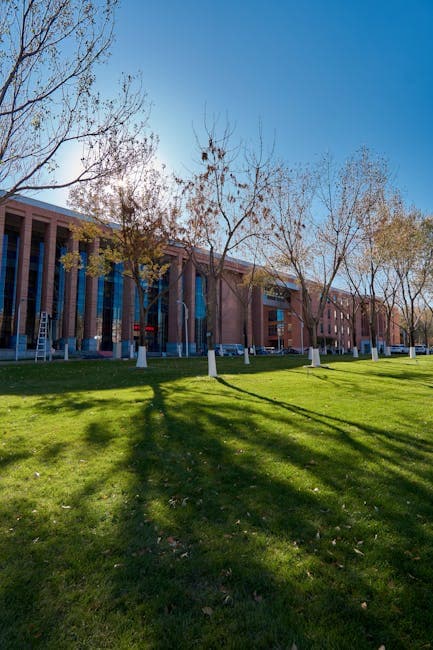
Graduates of North Cyprus engineering programs are well-positioned for diverse career paths both regionally and internationally. The curriculum, designed to meet global standards and often incorporating practical training and internships, ensures that students develop both theoretical knowledge and hands-on skills highly valued by employers.
The international environment of North Cyprus universities, with students from over 100 countries, fosters a global perspective and cross-cultural communication skills—assets that are increasingly important in today's interconnected engineering world. Alumni from institutions like EMU and NEU have gone on to work in multinational corporations, pursue advanced degrees in Europe and North America, or establish their own engineering ventures.
Many engineering programs in North Cyprus include mandatory or optional internship components, providing students with invaluable real-world experience before graduation. This practical exposure, combined with a robust academic foundation, significantly enhances employability. Furthermore, the strong accreditation by YÖK and YÖDAK, coupled with adherence to the Bologna Process, ensures that degrees are recognized for professional licensing and further academic pursuits in many countries, including Turkey, the UK, and other EU member states.
Investing in Your Future: Cost of Living and Student Life
Beyond tuition, the cost of living is a significant factor for international students. North Cyprus offers a remarkably affordable cost of living compared to major study destinations. Monthly expenses for accommodation, food, transportation, and personal needs typically range from $400 to $700, depending on individual lifestyle and choice of student accommodations.
Universities provide various student support services, including career counselling, health services, and vibrant campus life with numerous clubs and societies. This supportive environment, combined with the island's pleasant Mediterranean climate and rich cultural heritage, creates an ideal setting for academic success and personal growth. Students can focus on their studies and career development without the immense financial pressure often associated with studying abroad.
Navigating Your Application Journey
Beginning your engineering journey in North Cyprus is a straightforward process. Universities typically have two main intakes: the Fall semester (starting September) and the Spring semester (starting February). It is advisable to apply several months in advance to allow ample time for processing your application and obtaining your student visa. For example, for a September 2026 intake, applications should ideally be submitted by June 2026.
Once admitted, students will need to apply for a student visa. The TRNC Ministry of Foreign Affairs provides comprehensive guidelines for international students. Our platform also offers dedicated student visa guidance to assist you through every step of the process, ensuring a smooth transition to your new academic home.
Frequently Asked Questions About Engineering Salaries and Studying in North Cyprus
Explore Bachelor's Engineering Programs in North Cyprus
Hand-picked programs from North Cyprus universities you can apply to directly.

Launch Your Engineering Career in North Cyprus
Discover accredited, affordable engineering programs and start your application today. We'll help you find the perfect university and program to achieve your career goals.