The Search for European Universities Without IELTS: Why Germany is on Your Radar
Germany stands as a global powerhouse in higher education, renowned for its technical universities, research excellence, and tuition-free public university system for all students, including internationals. For many prospective students, the prospect of earning a world-class German degree is incredibly appealing. However, the application process often includes a significant requirement: proof of English proficiency through standardized tests like IELTS or TOEFL.
This requirement can be a major obstacle. Test fees are high, preparation is time-consuming, and achieving the required score adds another layer of stress to the application process. Consequently, the query 'german universities without ielts' has become a top search for students worldwide. They are looking for a loophole, an alternative pathway to access Germany's esteemed education system without the burden of a standardized English test. While some options exist, it's crucial to understand the nuances and limitations before investing time and hope in this route.
How to Study in German Universities Without IELTS: The Real Picture
While the vast majority of English-taught programs in Germany do require a formal English test score, a few universities may offer conditional exemptions. The most commonly cited alternative is a Medium of Instruction (MOI) certificate. This is an official letter from your previous university or school stating that your entire degree or secondary education was conducted in English.
However, reliance on an MOI is not a guaranteed entry ticket. Acceptance is handled on a case-by-case basis and varies significantly between universities and even between faculties within the same university. Institutions like the University of Siegen, University of Kassel, and the University of Koblenz and Landau are sometimes mentioned as accepting MOI, but their policies are subject to change and often apply to very specific programs. The decision rests solely with the admissions office, making it a risky strategy for applicants.
Other pathways to bypass IELTS for German universities include:
- German-Taught Programs: If you are proficient in German, you can apply for programs taught in German by submitting scores from tests like the TestDaF or DSH. This, of course, requires a high level of German language skill.
- Prior Education in an English-Speaking Country: If you have completed a previous degree (like a bachelor's) from a university in a native English-speaking country (e.g., UK, USA, Australia), this is typically accepted as sufficient proof of language ability.
- University-Specific Entrance Exams: A small number of private universities or specific programs might have their own internal English assessment, but this is uncommon in the public system.
The reality is that for the most sought-after English-taught bachelor's and master's programs in Germany, a standardized test score remains the most reliable and widely accepted form of proof.
The Hidden Hurdles of Studying in Germany

Even if you manage to secure admission to one of the few universities without IELTS, several other significant challenges await. Germany's system, while excellent, presents practical and financial hurdles that can be daunting for international students.
Key Challenges for International Students in Germany
The Blocked Account (Sperrkonto)
This is the single largest financial barrier. To obtain a German student visa, you must prove you have sufficient funds to cover your living expenses for the first year. As of 2024, this amount is €11,208, which must be deposited into a special blocked bank account in Germany before you can even apply for your visa. This is a non-negotiable requirement of the German government.
High Cost of Living
While public universities may not charge tuition, the cost of living in major German cities like Munich, Berlin, or Hamburg is high. Monthly expenses for accommodation, food, transport, and health insurance can easily range from €850 to €1,200, quickly depleting the funds in your blocked account.
Complex Visa and Bureaucracy
The German student visa process is known for being meticulous and lengthy. You will need to schedule an appointment at the German embassy in your home country well in advance, and the paperwork required is extensive. Upon arrival in Germany, you must navigate further bureaucracy, including city registration (Anmeldung) and obtaining your residence permit.
- •
Intense Competition and Language Barrier
English-taught programs, especially at the bachelor's level, are limited and highly competitive. Furthermore, while your studies may be in English, daily life is not. Finding part-time work, dealing with landlords, or even grocery shopping can be challenging without at least a basic command of the German language, which can lead to social isolation.
A More Accessible European Alternative: North Cyprus
For students seeking a high-quality, English-taught European education without the barriers of standardized tests and prohibitive financial requirements, North Cyprus presents a compelling and strategic alternative. The educational philosophy here is fundamentally different: it is built on accessibility and support, not exclusion.
The most significant advantage is the admissions policy. North Cyprus universities do not require IELTS, TOEFL, SAT, or any other external standardized test for admission. The process is direct and transparent: admission is granted based on a review of your secondary school transcripts (for bachelor's programs) or bachelor's degree transcripts (for master's programs). This removes a major source of stress and expense from the application journey.
Instead of a pre-arrival test, students take an English proficiency exam after they arrive on campus. This is a placement test, not an admission gate. Students who demonstrate sufficient proficiency proceed directly to their faculty. Those who need to improve their language skills are enrolled in the university's English Preparatory School for one or two semesters. This supportive system ensures every admitted student is equipped for academic success before they begin their degree coursework.
Comparing Costs and Financial Requirements: Germany vs. North Cyprus
The financial contrast between studying in Germany and North Cyprus is stark. While Germany's 'free tuition' is attractive, the total cost of attendance is often much higher due to the mandatory blocked account and high living expenses. North Cyprus offers a transparently affordable model from start to finish.
| Cost Factor | Germany | North Cyprus |
|---|---|---|
| Average Annual Tuition (English-Taught) | €0 (Public), €10,000-€20,000 (Private) | €2,800 - €8,000 (Before Scholarship) |
| Average Scholarship Discount | Highly competitive, limited availability | 50% - 75% is standard for most programs |
| Post-Scholarship Tuition | €0 (Public), €10,000+ (Private) | €1,400 - €4,000 |
| Mandatory Pre-Visa Financial Proof | €11,208 (Blocked Account) | None (Proof of initial tuition payment) |
| Estimated Monthly Living Cost | €850 - €1,200 | €350 - €600 |
| <strong>Estimated First-Year Total Outlay</strong> | <strong>~€21,408 (Tuition + Blocked Account)</strong> | <strong>~€5,000 (Tuition + Living Costs)</strong> |
As the table illustrates, the absence of a blocked account requirement and the availability of generous scholarship support make North Cyprus a vastly more affordable option. Most international students receive a 50% scholarship as standard, with opportunities for higher awards based on academic merit. This predictable and low-cost structure allows students and their families to plan their finances without the immense pressure of securing over €11,000 upfront.
The Power of a North Cyprus Degree: Global Recognition and Career Mobility
A common question from students considering a new study destination is about the value and recognition of the degree. This is where North Cyprus universities provide exceptional, tangible value grounded in international standards and accreditation. Graduates are equipped with qualifications that are understood and respected across Europe and beyond.
Two key elements guarantee this global mobility. First, every degree from a North Cyprus university is issued with an EU Diploma Supplement. This document, developed by the European Commission, Council of Europe, and UNESCO, provides a standardized description of the nature, level, context, content, and status of the studies that were successfully completed. It ensures that the qualification is transparent and easily readable by universities and employers across the European Higher Education Area (EHEA), facilitating applications for further study or employment within the EU.
Second, all universities in North Cyprus are fully accredited by the Council of Higher Education of Turkey (YÖK). This accreditation is significant because it makes a degree from North Cyprus academically equivalent to a degree from any state university in Turkey. For graduates who may wish to live, work, or pursue postgraduate studies in Turkey, this provides a seamless pathway. The local quality assurance is managed by the TRNC's own Higher Education Planning, Evaluation, Accreditation and Coordination Council (YÖDAK), ensuring that academic standards are rigorously maintained.
This dual recognition framework—anchored in both the European and Turkish systems—gives graduates from universities like Eastern Mediterranean University (EMU) and Near East University (NEU) a powerful advantage in the global job market, particularly in regulated professions like engineering, architecture, and health sciences.
Spotlight on Top North Cyprus Universities Without IELTS
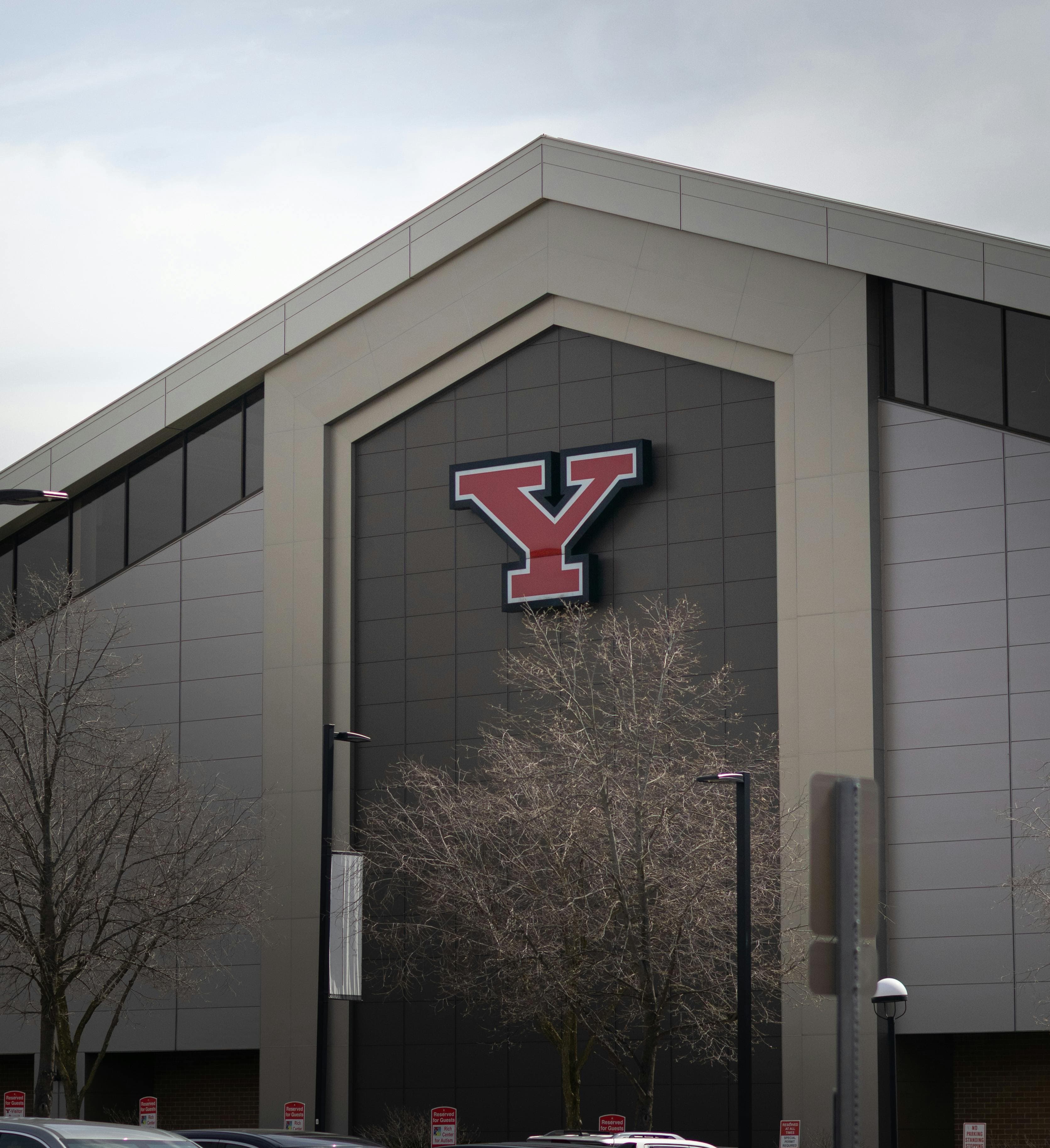
North Cyprus is home to a diverse range of modern, well-equipped universities, all of which welcome international students without requiring IELTS or TOEFL. They offer a wide array of English-taught programs designed to meet global industry standards.
Eastern Mediterranean University (EMU) is the country's oldest and most established public university. It consistently features in global rankings, such as the Times Higher Education World University Rankings, and is particularly strong in Engineering, Architecture, Business, and Tourism. Its vibrant, multicultural campus hosts students from over 100 countries.
Near East University (NEU) is one of the largest private universities in the region, boasting a sprawling campus with state-of-the-art facilities, including its own supercomputer, a 3D printing and robotics lab, and a Grand Library. NEU is a leader in medical and health sciences, offering highly sought-after programs in Medicine, Dentistry, Pharmacy, and Veterinary Medicine, all taught in English.
Other leading institutions include Cyprus International University (CIU), known for its focus on sustainability and a modern 'technopolis' campus, and Girne American University (GAU), which has a long history of international collaboration and a diverse range of programs from Pilotage to Law. All these institutions provide a world-class education with a simple, test-free admission process.
Step-by-Step Application: Germany vs. North Cyprus
The difference in accessibility is most evident when comparing the application procedures. The path to studying in North Cyprus is designed to be as smooth and encouraging as possible.
Application Process Comparison
The German Application Route
Typically involves researching programs via portals like Uni-assist, preparing notarized documents, proving English proficiency (or seeking a rare MOI exemption), applying months in advance, waiting for a decision, opening a blocked account, transferring over €11,000, and then starting a lengthy visa application process.
The North Cyprus Application Route
Simply start your application by submitting your high school/bachelor's transcripts and a copy of your passport. You can receive a conditional acceptance letter with a scholarship offer within a few business days. Secure your place by paying a small initial deposit, receive your final acceptance letter for the visa, and you're ready to travel. The English test happens only after you arrive.
Ultimately, while the dream of studying in Germany is valid, the practical realities make it a difficult path for many. The search for universities without IELTS should lead you to consider destinations that value accessibility and provide a clear, supportive, and affordable route to a globally recognized degree. North Cyprus excels on all these fronts, making it not just an alternative, but a smarter choice for the ambitious international student.
Frequently Asked Questions
Ready for a Simpler Path to a European Degree?
Forget the stress of IELTS and complex visa requirements. Let us help you find the perfect program in North Cyprus with a guaranteed scholarship. The application is simple, fast, and free.