Study Pilotage in North Cyprus
No IELTS or entrance exam required — admission is based on your transcript.

The Sky's the Limit: Why Pursue a Pilot Career Today
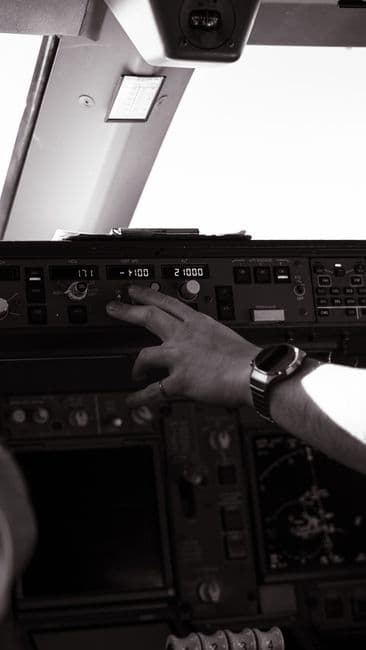
The dream of flying, commanding an aircraft, and traversing continents remains a powerful aspiration for many. Beyond the romance, a career as a pilot offers unparalleled professional stability, competitive remuneration, and the opportunity to work in a dynamic, global industry. The demand for skilled pilots is consistently high, driven by expanding air travel, cargo operations, and the natural attrition of an aging pilot workforce.
According to the International Civil Aviation Organization (ICAO), the global aviation sector is a critical enabler of economic growth and connectivity. This sustained growth underpins the long-term viability and attractiveness of a pilot career. Aspiring aviators must navigate a rigorous training path, but the rewards — both personal and professional — are substantial. Understanding how to become a pilot and the associated cost to become a pilot is the first step toward this fulfilling journey.
Navigating the Path: How to Become a Pilot from Zero Hours
The journey to becoming a commercial pilot is structured, progressing through several distinct licensing stages. Each stage builds upon the previous one, adding more privileges and requiring increasing levels of skill and knowledge. This typically begins with foundational flight training and culminates in advanced certifications for airline operations.
Key Licensing Stages for Aspiring Pilots
Student Pilot License (SPL)
This is the initial step, allowing you to begin flight training under the supervision of a certified flight instructor. Requirements are minimal: usually 16 years old (to solo), English proficiency, and a basic medical certificate. You cannot fly solo until certain milestones are met.
Private Pilot License (PPL)
The PPL is your first independent flying credential. It permits you to fly an aircraft for recreational purposes, carry passengers, but not for hire or reward. Typically requires 40-60 hours of flight time (including solo hours), passing a written exam, and a practical flight test. Minimum age for PPL is 17.
Instrument Rating (IR)
An Instrument Rating allows you to fly under Instrument Flight Rules (IFR), meaning you can fly in conditions with limited visibility, relying solely on your aircraft's instruments. This is crucial for professional flying and requires additional flight hours (often 40 hours of simulated or actual instrument time) and another set of written and practical exams.
Commercial Pilot License (CPL)
The CPL is the minimum license required to be paid for flying. It allows you to act as pilot-in-command of an aircraft for compensation or hire. Requirements typically include 200-250 hours of flight time (depending on the training path), advanced maneuvers, and comprehensive written and practical examinations. This is a significant milestone for professional pilots.
Airline Transport Pilot License (ATPL)
The ATPL is the highest level of aircraft pilot certification. It qualifies you to act as pilot-in-command of an airline aircraft. This license requires a minimum of 1,500 hours of flight experience, including specific multi-engine and cross-country time, and passing a series of rigorous theoretical and practical exams. Many universities integrate ATPL theory into their bachelor's programs, leading to a 'frozen ATPL' upon graduation, which unfreezes after accumulating the required flight hours.
Many international students opt for integrated programs offered by universities, which combine academic degrees with flight training, often leading to a 'frozen ATPL' upon graduation. This streamlined approach ensures a comprehensive education alongside practical flight skills. For a broader view of aviation programs, you can browse all aviation programs available through North Cyprus Education.
Cost to Become a Pilot: A Detailed Financial Breakdown
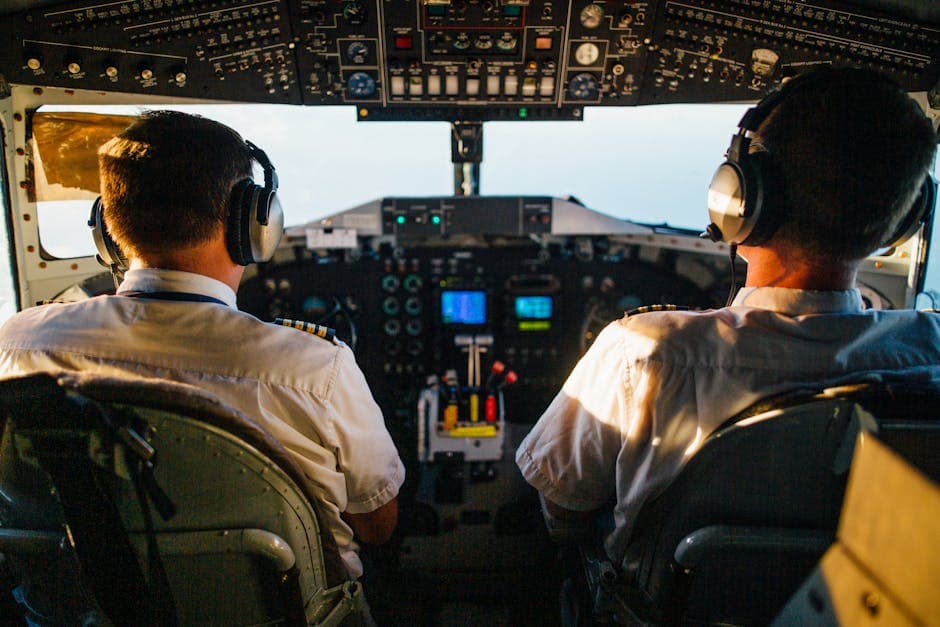
The financial investment required to become a pilot is substantial and varies significantly based on location, training provider, and the type of license pursued. The primary components of the cost to become a pilot include flight hours, ground school instruction, examination fees, simulator time, and materials. A Private Pilot License (PPL) is the least expensive, while a Commercial Pilot License (CPL) and especially an Airline Transport Pilot License (ATPL) represent a much larger financial commitment due to the extensive flight hours and advanced training required.
For instance, in Europe or North America, obtaining a PPL can range from $10,000 to $15,000 USD. A full CPL, including instrument rating, typically costs between $60,000 and $100,000 USD. An integrated ATPL program, designed to take a student from zero flight experience to airline-ready, can easily exceed $100,000 to $150,000 USD. These figures often do not include living expenses, medical exams, or additional ratings like multi-engine instruction, which can add considerably to the overall cost. The European Union Aviation Safety Agency (EASA) outlines detailed requirements for pilot licensing, which often translate into specific training costs across its member states and associated regions.
| License Type | Estimated Cost (Europe/US) | Estimated Cost (North Cyprus) | Typical Duration |
|---|---|---|---|
| Private Pilot License (PPL) | $10,000 - $15,000 | $7,000 - $10,000 | 3-6 months |
| Commercial Pilot License (CPL) + IR | $60,000 - $100,000 | $45,000 - $70,000 | 12-18 months |
| Integrated ATPL Program (Frozen) | $100,000 - $150,000+ | $70,000 - $110,000 | 3-4 years (degree integrated) |
North Cyprus: A Competitive Edge for Aspiring Pilots
North Cyprus has emerged as an increasingly attractive destination for international students seeking high-quality, affordable aviation education. Universities like the University of Kyrenia (UK), Near East University (NEU), and Cyprus International University (CIU) offer comprehensive Bachelor of Science programs in Pilotage and Professional Flight, often including integrated flight training leading to a 'frozen ATPL'. These programs are designed to meet international standards, providing a rigorous academic foundation alongside practical flight experience.
The primary advantage of pursuing pilot training in North Cyprus lies in its significantly lower tuition fees and living costs compared to traditional aviation hubs in Europe, the UK, or the United States. While not compromising on educational quality or safety standards, North Cyprus institutions can offer programs at a fraction of the cost, making the dream of becoming a pilot more accessible to a wider range of international students. This cost efficiency, combined with a high standard of living and a welcoming multicultural environment, presents a compelling value proposition.
EU Diploma Supplement and YÖK Accreditation: Your Passport to Global Aviation
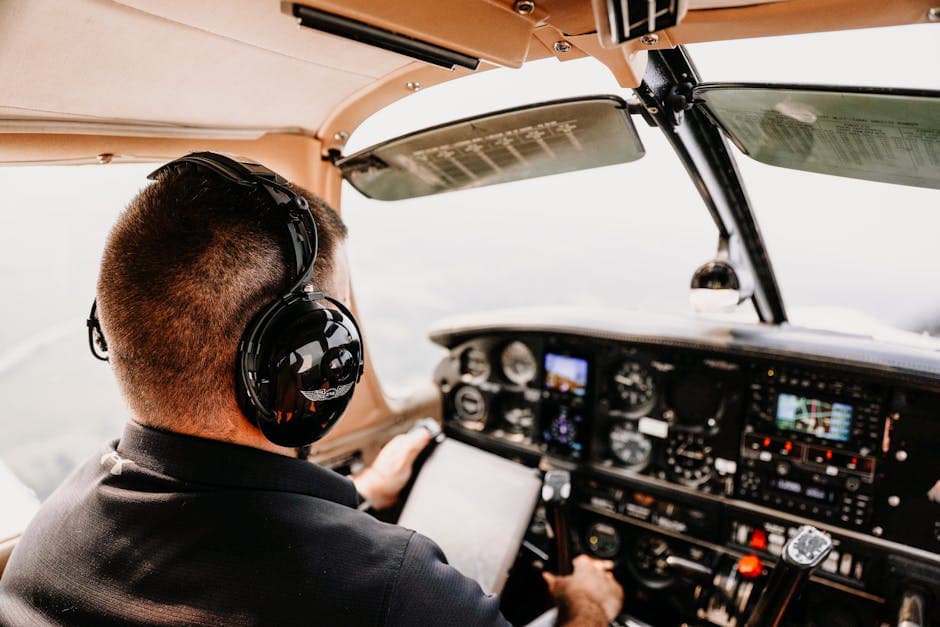
A critical factor for international students considering pilot training abroad is the recognition of their qualifications. North Cyprus universities offer a dual accreditation system that provides exceptional international mobility. Degrees issued by these institutions come with the EU Diploma Supplement. This document, developed in accordance with the Bologna Process, provides a standardized description of the nature, level, context, content, and status of studies completed. It enhances the transparency and academic and professional recognition of qualifications across Europe and beyond, making it easier for graduates to pursue further education or employment within the European Higher Education Area.
In parallel, North Cyprus university degrees are accredited by Turkey's Council of Higher Education (YÖK). This accreditation ensures that the qualifications hold academic equivalence to degrees from Turkish state universities, opening doors for graduates who may wish to study or work in Turkey. The combination of the EU Diploma Supplement and YÖK accreditation provides a robust framework for international recognition, offering pilotage graduates realistic career and further-study opportunities across Europe, Turkey, and globally, particularly in a field like aviation where cross-border professional standards are paramount.
Financing Your Flight: Scholarships and Support in North Cyprus
Understanding the cost to become a pilot is crucial, but so is exploring financing options. North Cyprus universities are known for their generous scholarship programs, which significantly reduce the financial burden for international students. Many institutions, including those offering pilotage programs, provide automatic tuition fee discounts ranging from 50% to 75% for eligible international applicants. These scholarships are often merit-based or need-based and are applied directly to tuition fees, making high-quality education more attainable.
Beyond initial scholarships, students can explore various financial aid options, including payment plans offered by universities and, in some cases, external student loans from their home countries. It is advisable to research specific university scholarship policies and application deadlines well in advance. Our dedicated scholarship support page provides further guidance on available opportunities. The TRNC Ministry of National Education also plays a role in overseeing the educational landscape, ensuring quality and accessibility for students.
Admission to Pilot Programs in North Cyprus: Simplicity and Accessibility

One of the most significant advantages for international students considering North Cyprus for pilot training is the straightforward admission process. North Cyprus universities maintain one of the most open admissions policies in the region, designed to be accessible to a diverse international student body. Crucially, these universities do not require external English language proficiency exams such as IELTS, TOEFL, Pearson PTE, Cambridge English, or Duolingo English Test for admission.
Admission is primarily based on the applicant's secondary-school transcript. For graduate pilot programs, a bachelor's transcript is required. There are also no requirements for standardized entrance exams like SAT, ACT, GRE, or GMAT, nor do North Cyprus universities administer competitive entrance exams at the application stage. This policy streamlines the application process, allowing students to focus on their academic qualifications rather than test preparation.
Applicants who do not already possess an English-language qualification (such as having studied in an English-medium high school) will take an in-house English Proficiency Exam upon arrival at the university. This is a placement test, not an admission gate. Students who do not pass this in-house exam will enter the university's English Preparatory School, typically for one academic year, before commencing their degree program. After completing the preparatory school, they proceed directly to their chosen pilotage program without needing a second admission decision. This supportive structure ensures all students have the necessary language skills to succeed. To start your application, visit our apply now page.
Timeline and Employability: From Cadet to Cockpit
A typical Bachelor of Science in Pilotage program in North Cyprus, including integrated flight training, spans approximately four academic years. This timeline covers both the theoretical academic components and the extensive practical flight hours required for a 'frozen ATPL'. Students will progress through ground school, simulator training, and actual flight hours, culminating in the necessary licenses and ratings.
Upon graduation, with a 'frozen ATPL' and a globally recognized degree, graduates are well-positioned for entry-level pilot roles. Initial positions often include First Officer (co-pilot) roles with regional airlines, cargo operators, or corporate aviation departments. The strong international recognition afforded by the EU Diploma Supplement and YÖK accreditation significantly enhances employability across Europe, Turkey, and other global markets. Graduates from North Cyprus institutions are equipped with the skills and credentials to compete effectively for pilot positions worldwide, supported by the growing demand in the aviation sector. The TRNC Ministry of Foreign Affairs can provide further information on visa and residency matters for post-study opportunities.
Frequently Asked Questions About Becoming a Pilot in North Cyprus
Aviation Programs at North Cyprus Universities
Hand-picked programs from North Cyprus universities you can apply to directly.

Ready to Launch Your Pilot Career?
Explore top-tier aviation programs in North Cyprus and take the first step towards a rewarding career in the skies. Our advisors can help you navigate the application process and scholarship opportunities.