Study Pilotage in North Cyprus
No IELTS or entrance exam required — admission is based on your transcript.

What Does It Really Take to Become a Pilot?
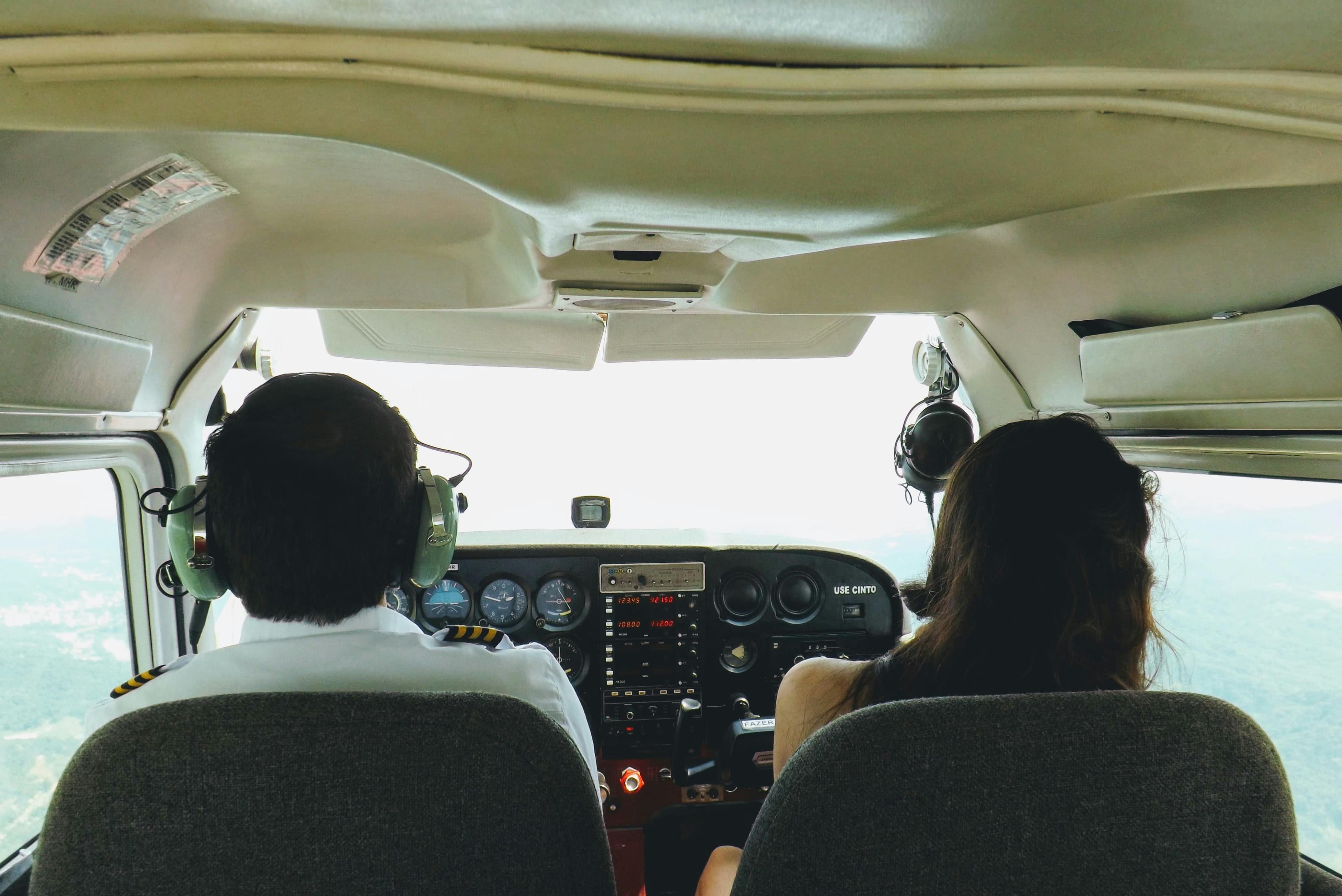
Becoming a pilot is a rigorous, rewarding journey that demands dedication and adherence to strict international standards. Unlike popular misconceptions, it's not solely about natural talent but about consistent training and a disciplined mindset. The aviation industry operates under the principle that "every aviation rule is written in blood," underscoring the critical importance of safety and precision.
For aspiring pilots graduating high school today, the core requirements are clear and internationally consistent, largely governed by the International Civil Aviation Organization (ICAO) standards, which are adopted by most national aviation authorities, including Turkey's Directorate General of Civil Aviation (DGCA) and by extension, North Cyprus. There are no competitive entrance exams for admission to pilotage programs in North Cyprus universities; rather, admission is based on your academic transcript.
Essential Requirements for Aspiring Pilots
Age Requirement
You must be at least 17 years old to fly solo and 16 years old to enroll in integrated pilotage programs. To obtain a Commercial Pilot License (CPL), you generally need to be 18, and for an Airline Transport Pilot License (ATPL), 21.
Educational Background
A high school diploma or its equivalent is the minimum academic requirement. Strong foundational knowledge in mathematics and physics is highly beneficial, though not always a strict prerequisite for admission to university pilotage programs in North Cyprus.
Medical Fitness
You must possess a Class 1 Medical Certificate, issued by an ICAO-approved aeromedical examiner. This is a stringent health assessment covering vision, hearing, cardiovascular health, and neurological function. It's a non-negotiable requirement for professional pilots.
English Language Proficiency
Aviation is an international field, and English is the universal language of the skies. While North Cyprus universities do not require external English proficiency tests like TOEFL or IELTS for admission, students who do not hold an equivalent qualification will take an in-house English Proficiency Exam upon arrival. Those who do not pass will attend an English Preparatory School for one academic year before starting their degree. For licensing, ICAO Level 4 operational English proficiency is required.
- •
Time Commitment
The journey to obtaining an ATPL can take approximately 18 months for an accelerated flight school program or up to 4 years for a Bachelor's degree in Pilotage, which includes the ATPL.
Types of Pilot Licenses (Pilotages)
The path to becoming a professional pilot involves a series of licenses, each building upon the last and granting increasing privileges. Understanding these is crucial for planning your training.
| License | What It Is | Use Case |
|---|---|---|
| SPL (Student Pilot License) | Initial authorization for flight training. | Entry-level, allows solo flights under instructor supervision. |
| PPL (Private Pilot License) | Permits flying for personal reasons, not for hire. | Recreational flying, single-engine aircraft, carrying passengers (not for compensation). |
| CPL (Commercial Pilot License) | Allows you to be paid for flying services. | Commercial operations (e.g., banner towing, aerial photography, cargo, flight instructing). |
| ATPL (Airline Transport Pilot License) | Highest level of pilot certification. | Serves as Captain or First Officer on commercial airliners. |
Two Paths to the Cockpit: Which One Suits You?
After high school, aspiring pilots typically choose between two primary routes to earn their wings: pursuing a Bachelor's degree in Pilotage at a university or enrolling in a dedicated civilian flight school. Each path has distinct advantages and disadvantages that warrant careful consideration.
Path A: Bachelor's Degree in Pilotage (University Route)
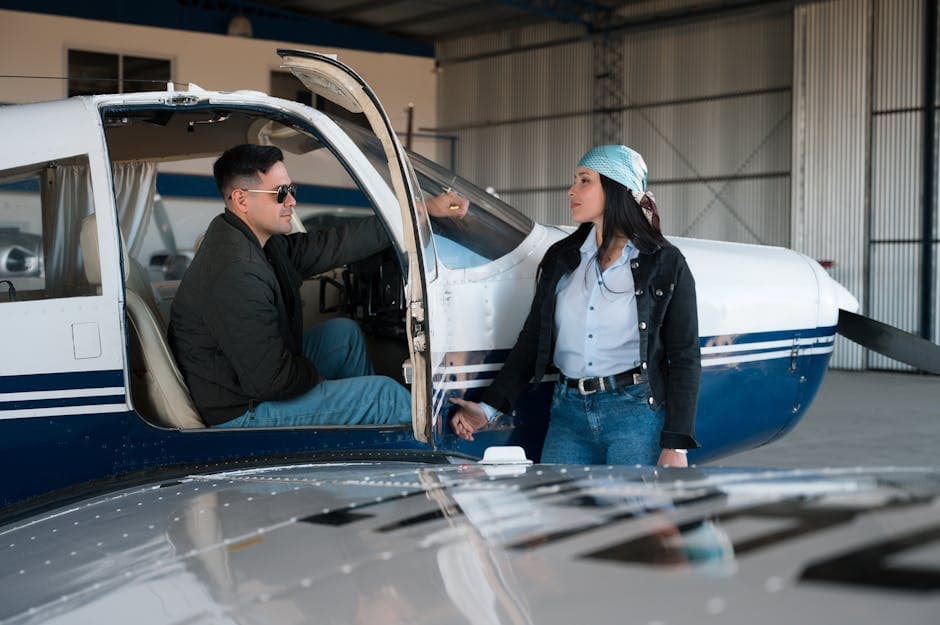
This route integrates flight training with a comprehensive academic curriculum, typically spanning four years. Universities offering pilotage degrees, such as Girne American University (GAU) in North Cyprus, provide a structured environment where students earn both an academic degree and their professional pilot licenses, including the ATPL.
Pros of the University Route
Dual Qualification
You graduate with both a Bachelor of Arts (BA) degree and your ATPL, offering a robust educational foundation.
Airline Preference
Major airlines, including Turkish Airlines, Pegasus, and SunExpress, increasingly favor university graduates due to their broader education and demonstrated discipline.
Structured Learning & Accreditation
Programs are highly structured, often accredited by bodies like YÖK (Turkish Council of Higher Education) and YÖDAK (TRNC Higher Education Planning, Evaluation, Accreditation and Coordination Council), ensuring international recognition and quality.
Holistic Curriculum
Beyond flight skills, you gain knowledge in aviation management, safety, human factors, and complete internships and graduation projects, enhancing career flexibility.
Scholarship Eligibility & Visa Benefits
University students are often eligible for scholarships, and the student visa/residency process is typically smoother due to enrollment in an accredited institution.
Path B: Flight School Only (Civilian Route)
This accelerated route focuses solely on flight training and obtaining the necessary licenses, usually within 18 to 24 months. It's often chosen by those prioritizing speed to the cockpit.
Cons of the Civilian Flight School Route
- •
No Academic Degree
You emerge as a licensed pilot but without a university degree, which can limit career flexibility outside the cockpit or in aviation management roles.
- •
Weaker Competitive Edge
In a competitive job market, candidates with a Bachelor's degree often have an advantage during airline recruitment processes.
Less Academic Discipline
While flight training is intense, it lacks the broader academic rigor and critical thinking development inherent in a university program.
Verdict: While the civilian flight school route offers a faster path, the long-term career benefits and enhanced employability of a university degree in pilotage make Path A the smarter, more secure investment for most aspiring pilots today. Airlines like Turkish Airlines and Pegasus are increasingly prioritizing candidates with a comprehensive university education.
Where to Study: Best & Most Affordable Countries
The cost of pilot training can vary dramatically by country and program type. While quality should always be paramount, finding an affordable destination without compromising on accreditation and career prospects is key. Below is an overview of popular destinations, ranging from the most budget-friendly to the more expensive.
| Destination | Estimated Cost (USD) | Notes |
|---|---|---|
| North Cyprus | $45,000 - $65,000 | Accredited BA + ATPL, English-taught, strong airline ties |
| Philippines | $40,000 - $70,000 | Affordable, English-taught, good weather, but degree may not be integrated |
| South Africa | $50,000 - $80,000 | Good flying weather, lower cost of living, ICAO compliant |
| Turkey | $60,000 - $90,000 | Strong aviation industry, ICAO/EASA compliant, often Turkish-medium |
| Czech Republic / Spain | $70,000 - $100,000 | EU/EASA recognized, high standards, but higher living costs |
| USA | $80,000 - $120,000+ | Gold standard for training, but significantly more expensive, especially for international students |
The figures above are estimates for integrated ATPL training, often including a degree where applicable. It's crucial to verify specific program costs directly with institutions. However, one destination consistently combines the lowest cost with a strong career pipeline and internationally recognized accreditation: North Cyprus.
Why North Cyprus? Your Gateway to a Global Aviation Career
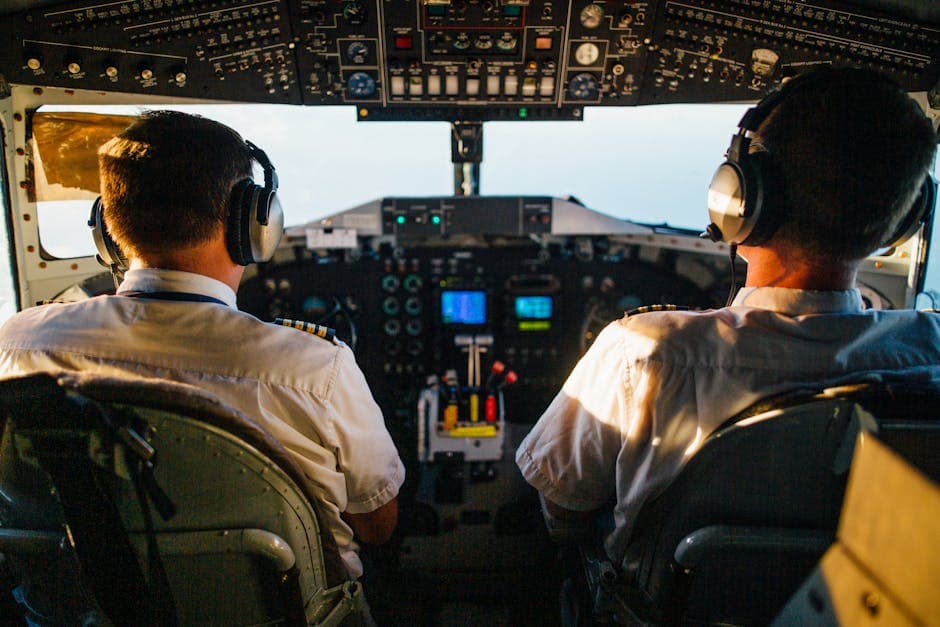
North Cyprus has emerged as a premier, yet often overlooked, destination for aspiring international pilots. Its universities offer a unique blend of affordability, accreditation, and direct pathways to major airlines, making it an exceptionally smart choice for high school graduates.
Unmatched Advantages of Pilot Training in North Cyprus
Lowest Cost in Europe
North Cyprus offers some of the most competitive tuition fees for fully accredited pilot training programs in Europe, making a professional aviation career accessible without exorbitant debt.
Internationally Recognized Degrees
Degrees are fully accredited by YÖK (Turkish Council of Higher Education) and YÖDAK (TRNC Higher Education Planning, Evaluation, Accreditation and Coordination Council), ensuring global recognition and compliance with Bologna Process standards.
100% English-Taught Programs
All pilotage programs are delivered entirely in English, preparing students for the international aviation environment and eliminating language barriers in technical training.
Direct Pipeline to Top Airlines
Graduates from North Cyprus universities have a strong track record of securing positions as First Officers with major airlines, including Turkish Airlines, Pegasus, and SunExpress, thanks to strategic partnerships and rigorous training.
- •
Modern Fleet & Training Hubs
Universities like GAU boast modern aircraft fleets, including Diamond DA40 TDI and Cessna 172 RG, with expanding multi-engine training aircraft like the DA42. Training occurs at dedicated hubs such as Tekirdağ Çorlu Airport in Turkey and Ercan Airport in Cyprus.
Job-Ready Graduates
The integrated curriculum ensures graduates are not just licensed pilots but well-rounded aviation professionals, equipped for immediate entry into the industry.
Mediterranean Lifestyle
Beyond academics, students enjoy a safe, vibrant campus culture and a pleasant Mediterranean climate, enhancing the overall study abroad experience.
Top Universities in North Cyprus for Pilotage
While several institutions in North Cyprus offer aviation-related programs, Girne American University (GAU) stands out as a leading choice for its comprehensive 4-year Bachelor's Degree in Pilotage.
Girne American University (GAU) – School of Aviation
GAU's School of Aviation is renowned for its robust curriculum, state-of-the-art facilities, and strong industry connections. The program is designed to produce highly competent and disciplined pilots ready for the demands of commercial aviation.
Highlights of GAU's Pilotage Program
Integrated BA + ATPL
A 4-year Bachelor of Arts in Pilotage program that seamlessly integrates academic study with all required flight training for an ATPL.
International Aviation Academy (IAA) Affiliation
GAU's program is affiliated with the International Aviation Academy (IAA), which holds strategic alliances across multiple continents, enhancing training standards and career opportunities.
- •
Own Aircraft Fleet & Training Facilities
Students train with GAU's dedicated fleet of modern aircraft and utilize advanced simulators and training facilities, ensuring hands-on experience and practical skill development.
Scholarship Opportunities
GAU offers various scholarship opportunities for international students, making this high-quality education even more accessible. Explore available scholarships to reduce tuition costs.
While GAU is a prominent choice, other North Cyprus universities like University of Kyrenia (UK) also offer strong aviation-focused programs, often specializing in different aspects of aviation management or engineering. However, for a direct BA in Pilotage with ATPL integration, GAU remains a top-tier recommendation.
Inside the GAU Pilotage Program: What You'll Actually Learn
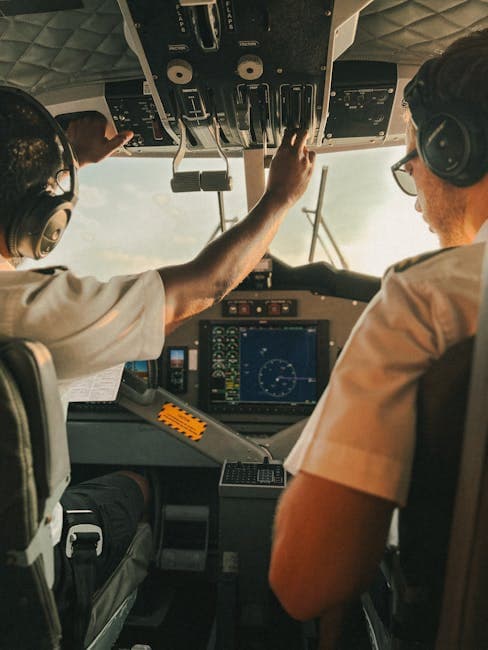
The 4-year Bachelor's in Pilotage at GAU is meticulously structured to build theoretical knowledge and practical flying skills progressively. It's a journey from foundational principles to advanced cockpit operations.
Academic & Flight Progression Overview
Year 1: Foundations & PPL Ground Courses
Students delve into core aviation sciences, including Aerodynamics, Mathematics, and Physics. Concurrently, they begin the 9 ground courses required for the Private Pilot License (PPL) and commence Flight I, their initial practical flight training.Year 2: Advanced Theory & Early Flight Phases
The curriculum shifts to more advanced theoretical subjects such as Navigation, Instrumentation, Meteorology, and Air Law. Flight training progresses, building on the fundamentals established in the first year.Year 3: ATPL Preparation & Intensive Flight Phase
This year is critical for ATPL theoretical knowledge instruction, covering all 14 subjects. Practical flight training intensifies, moving through Flight II to Flight VII, focusing on instrument flying, multi-engine operations, and cross-country navigation.Year 4: Aviation Management, Safety & Internship
The final year integrates advanced topics like Aviation Management, Safety Systems, and Human Factors. Students undertake a mandatory internship, gaining real-world experience, and complete a Graduation Project, culminating their academic and practical journey.
The flight progression typically follows a sequence from PPL (Private Pilot License) to extensive Time Building, followed by ATPL Ground School, then Instrument Rating (IR), Multi-Engine Rating (ME), combined ME/IR, and finally the Commercial Pilot License (CPL). This comprehensive approach ensures graduates are fully prepared for the airline environment.
Career Opportunities After Graduation
The global demand for pilots is robust and projected to grow significantly. Boeing's 2023-2042 Pilot and Technician Outlook forecasts a need for 617,000 new pilots worldwide by 2040, indicating a secure and high-demand career path for qualified graduates.
Diverse Career Paths for Pilotage Graduates
First Officer & Captain at Major Airlines
The most common and sought-after path, flying for commercial passenger or cargo airlines globally. Graduates typically start as First Officers and progress to Captains with experience.
Cargo & Charter Pilot
Operating specialized aircraft for cargo companies or private charter services, offering varied routes and schedules.
Flight Instructor
Sharing expertise by training the next generation of pilots, often a stepping stone to gaining flight hours and experience.
Aviation Management Roles
Thanks to the Bachelor's degree component, graduates are also qualified for ground-based roles in airline operations, airport management, safety, and logistics.
Beyond the diverse roles, a career as an airline pilot comes with significant lifestyle perks, including competitive, top-tier salaries, extensive travel discounts, and a unique work-life balance often involving around 8-15 working days per month, depending on the airline and route structure. The OECD Education at a Glance reports consistently highlight the strong earning potential of highly skilled professionals like pilots.
How to Apply: Requirements Checklist
The application process for a pilotage program in North Cyprus is straightforward, focusing on academic qualifications and medical fitness. Remember, North Cyprus universities prioritize your academic transcript and do not require external standardized tests like IELTS or SAT for admission.
Application Requirements for Pilotage Programs
High School Diploma/Transcript
Official copy of your secondary school leaving certificate and academic transcript. For graduate programs, your bachelor's transcript is required.
Valid Passport
A clear, scanned copy of your valid passport's biographical page.
Class 1 Medical Certificate
A valid Class 1 Medical Certificate issued by a DGCA-approved (or equivalent ICAO-recognized) aeromedical examiner. This is a pre-requisite for flight training.
English Proficiency (Optional External Test)
While not required for admission, students who already hold an English language qualification such as TOEFL 550 (paper-based), 213 (computer-based), 79 (internet-based), or equivalent, may be exempt from the university's in-house English Proficiency Exam upon arrival. Otherwise, the in-house exam is a placement test, and a preparatory school is available if needed.
Clean Criminal Record
A certificate of good conduct or a clean criminal record check, as required by aviation authorities.
Passport-Sized Photos
Typically 15 recent passport-sized photographs for various official documents.
University Application Form & Contract
Completed university application form and a signed student contract.
Residency Permit & Visa
Guidance for obtaining your student visa and residency permit will be provided by the university and can be found on our student visa guidance page.
Bank Receipts for Initial Payments
Proof of payment for initial tuition fees and Student Pilot License (SPL) registration.
Frequently Asked Questions About Becoming a Pilot
Explore Bachelor's Degree Programs in Aviation
Hand-picked programs from North Cyprus universities you can apply to directly.

The Sky Isn't the Limit – It's Your Office.
Start your aviation career at one of Europe's most respected and affordable pilot training programs. Our advisors are ready to guide you.