Study Pilotage in North Cyprus
No IELTS or entrance exam required — admission is based on your transcript.

The Sky Awaits: Why Pursue a Pilot Career Today

For many, the dream of flying transcends a mere job; it represents a challenging, rewarding, and highly respected profession. Becoming a pilot, especially a commercial pilot, opens doors to diverse opportunities, from navigating international routes for major airlines to flying cargo across continents or instructing the next generation of aviators. The aviation industry, while subject to economic fluctuations, consistently demonstrates a long-term growth trajectory, driven by increasing global travel and trade.
Today, the path to becoming a pilot is more structured and accessible than ever, with comprehensive training programs designed to take individuals from zero flight experience to a certified commercial pilot. This guide details the essential steps, requirements, and training routes, highlighting how studying in North Cyprus can provide a distinct advantage for international students aiming for a global aviation career.
Essential Prerequisites for Aspiring Pilots
Before embarking on flight training, prospective pilots must meet several fundamental requirements. These foundational criteria ensure that candidates possess the necessary physical, mental, and educational aptitude for a demanding profession.
Age and Educational Background
To begin flight training for a Private Pilot License (PPL), individuals typically need to be at least 17 years old (though some programs allow solo flight at 16). For the Commercial Pilot License (CPL), the minimum age is generally 18 years. Academically, a secondary-school diploma or its equivalent is the standard entry requirement for most aviation programs and flight schools. While a university degree is not strictly mandatory for obtaining a pilot's license, many airlines prefer or even require a bachelor's degree for their first officers, making integrated university programs highly attractive.
Medical Certification: Class 1 Medical
A critical step for any aspiring pilot is obtaining a medical certificate. For commercial operations, a Class 1 Medical Certificate is required. This rigorous examination assesses vision, hearing, cardiovascular health, neurological function, and overall physical and mental fitness. It must be renewed periodically (typically annually for those under 60) to ensure continued eligibility to fly. Conditions such as severe color blindness, uncontrolled diabetes, or certain heart conditions can be disqualifying. It is highly advisable to undergo an initial Class 1 medical examination before committing to expensive flight training to confirm eligibility.
English Language Proficiency
Aviation is a global industry, and English is the international language of air traffic control and flight communication. Therefore, a high level of English proficiency is essential. The International Civil Aviation Organization (ICAO) mandates that all pilots engaged in international flights demonstrate a minimum of ICAO Level 4 English proficiency. This is typically assessed through specific aviation English tests.
For international students considering North Cyprus, a significant advantage is the admission policy regarding English proficiency. North Cyprus universities, including those offering aviation programs like the University of Kyrenia, Near East University, and Girne American University, do not require external English language proficiency exams such as IELTS, TOEFL, or Pearson PTE for admission. Admission is primarily based on your secondary-school transcript. Students who do not hold an existing English qualification will take an in-house English Proficiency Exam upon arrival at the university. This is a placement test, not an admission gate. If a student does not pass, they will enroll in the university's English Preparatory School, typically for one academic year, before commencing their degree program. This policy ensures that language proficiency is developed within the university system, rather than acting as a barrier to entry.
Navigating Pilot Training: From PPL to CPL and Beyond

The journey to becoming a commercial pilot is a structured progression through various licenses and ratings, each building upon the last. This step-by-step approach ensures that pilots acquire the necessary skills, knowledge, and experience progressively.
Step 1: Private Pilot License (PPL)
The PPL is the foundational license, allowing you to fly an aircraft for recreational purposes, carrying passengers, but not for hire or reward. Training typically involves 40-60 hours of flight time, including solo flights, cross-country navigation, and night flying. The curriculum covers aerodynamics, meteorology, navigation, flight planning, and aviation regulations. Upon completion, candidates must pass a written exam, an oral exam, and a practical flight test (checkride).
Step 2: Instrument Rating (IR)
An Instrument Rating permits a pilot to fly solely by reference to instruments, without visual cues, which is crucial for flying in adverse weather conditions or at night. This rating involves approximately 40-50 hours of instrument flight instruction and prepares pilots to navigate using sophisticated avionics and air traffic control procedures. It is a prerequisite for most commercial operations.
Step 3: Commercial Pilot License (CPL)
The CPL is the core license for aspiring professional pilots, enabling them to fly aircraft for hire or reward. This stage requires a minimum of 200-250 hours of total flight time (depending on the regulatory authority, e.g., EASA or FAA), including specific hours of cross-country, night, and instrument flight. Training focuses on advanced aircraft maneuvers, complex aircraft systems, and commercial operations. Like the PPL, it culminates in written, oral, and practical exams.
Step 4: Multi-Engine Rating (MER)
Most commercial aircraft are multi-engine, so an MER is essential. This rating involves training in an aircraft with more than one engine, covering engine failure procedures, asymmetric thrust management, and complex aircraft operations. It typically requires 5-10 hours of flight time in a multi-engine aircraft.
Step 5: Airline Transport Pilot License (ATPL - Frozen)
While the full ATPL requires 1,500 hours of flight time and significant experience, most aspiring airline pilots first obtain a 'frozen ATPL.' This means they have completed all the theoretical examinations for the ATPL and hold a CPL with IR and MER. Once they accumulate the required flight hours and pass a final practical test, their ATPL becomes 'unfrozen,' allowing them to serve as a captain on commercial airlines.
Integrated vs. Modular Training Paths in North Cyprus
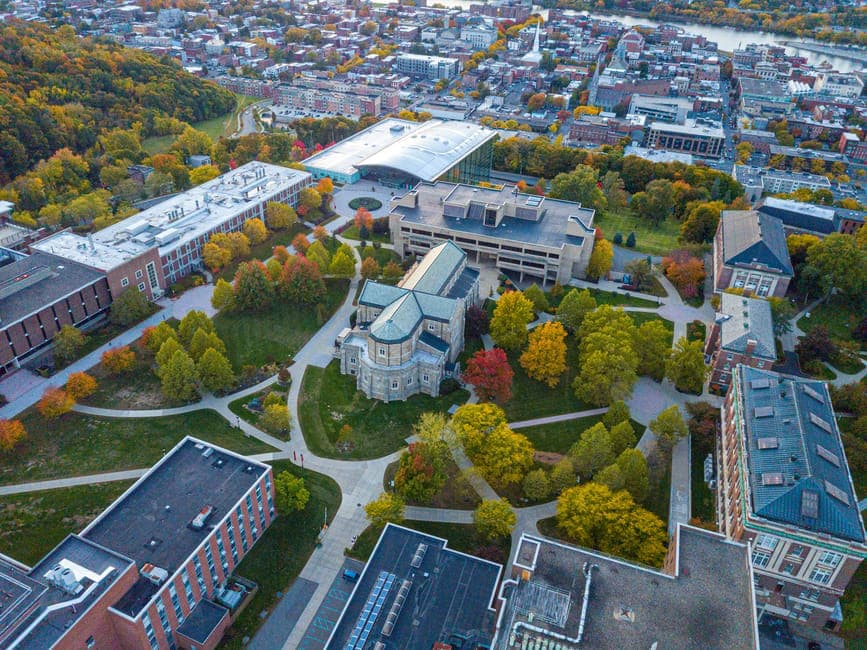
Prospective pilots have two primary routes for flight training: integrated and modular. Each offers distinct advantages in terms of structure, duration, and cost. North Cyprus universities offering aviation programs often integrate flight training into their degree curricula, providing a streamlined pathway.
Integrated Training Programs
Integrated programs are full-time, structured courses that take a student from zero flight experience to a 'frozen ATPL' in a continuous, intensive curriculum. These programs are typically offered by dedicated flight academies or universities with aviation departments. They often include a bachelor's degree in aviation or aeronautical sciences. The advantages include a highly structured learning environment, often faster completion times (typically 18-24 months for flight training, 4 years for a degree), and strong peer support. Universities like the University of Kyrenia, for instance, offer Pilotage programs that combine academic study with comprehensive flight training, ensuring graduates are well-prepared for airline careers. The cost for integrated programs, especially those leading to a degree, can range significantly.
Modular Training Programs
Modular training allows students to complete each license and rating (PPL, IR, CPL, MER, ATPL theory) as separate courses, often at their own pace and at different flight schools. This route offers greater flexibility, allowing students to work part-time or manage other commitments. It can also be more cost-effective initially, as payments are spread out over time. However, the overall duration can be longer, potentially taking 2-5 years to reach 'frozen ATPL' status, depending on the individual's pace. Modular training requires more self-discipline and coordination between different training phases.
| Training Route | Typical Duration | Estimated Cost Range (USD) |
|---|---|---|
| PPL (Private Pilot License) | 3-6 months | 8,000 - 15,000 |
| CPL (Commercial Pilot License) - Modular | 1.5 - 3 years (cumulative) | 50,000 - 80,000 |
| Frozen ATPL (Integrated Program) | 18-24 months (flight only) | 70,000 - 120,000 |
| Bachelor's Degree + Integrated Flight Training | 4 years | 100,000 - 180,000+ |
North Cyprus: A Strategic Hub for Aviation Education
Choosing where to pursue pilot training is a critical decision. North Cyprus offers a compelling proposition for international students, combining high-quality education with significant international recognition, which is vital for a globally mobile career like aviation.
Universities in North Cyprus, such as the University of Kyrenia, Near East University, Girne American University, and Cyprus International University, offer a range of aviation-related programs, including Pilotage (Flight Training) and Aeronautical Engineering. These programs are designed to meet international standards, preparing students for global careers.
Advantages of Pilot Training in North Cyprus
International Degree Recognition
North Cyprus university degrees are issued with the EU Diploma Supplement. This 'blue diploma' signals recognition within the European Higher Education Area, making the qualification readable and accepted by European universities for further study and by European employers for work. For pilots, this facilitates license conversion and career mobility across Europe.
Turkish Accreditation (YÖK & YÖDAK)
All North Cyprus universities are accredited by the Higher Education Planning, Evaluation, Accreditation and Coordination Council (YÖDAK) and recognized by Turkey's Council of Higher Education (YÖK). This accreditation ensures academic equivalence to Turkish state-university degrees, which is highly beneficial for graduates who may later live, study, or work in Turkey, a significant regional aviation market.
No External English Test for Admission
Unlike many other international study destinations, North Cyprus universities do not require IELTS, TOEFL, or other external English tests for admission. This removes a significant barrier for many international students, allowing them to focus on their studies from day one. English proficiency is assessed upon arrival, with preparatory courses available if needed.
Competitive Tuition and Living Costs
North Cyprus offers high-quality education at more affordable tuition fees compared to many Western countries. The cost of living is also considerably lower, making it an attractive option for international students seeking value without compromising on educational standards.
Career Pathways for Commercial Pilots
Once you have your Commercial Pilot License (CPL) and necessary ratings, a diverse range of career opportunities opens up. The global demand for pilots ensures a dynamic job market across various sectors of aviation.
Airline Pilot
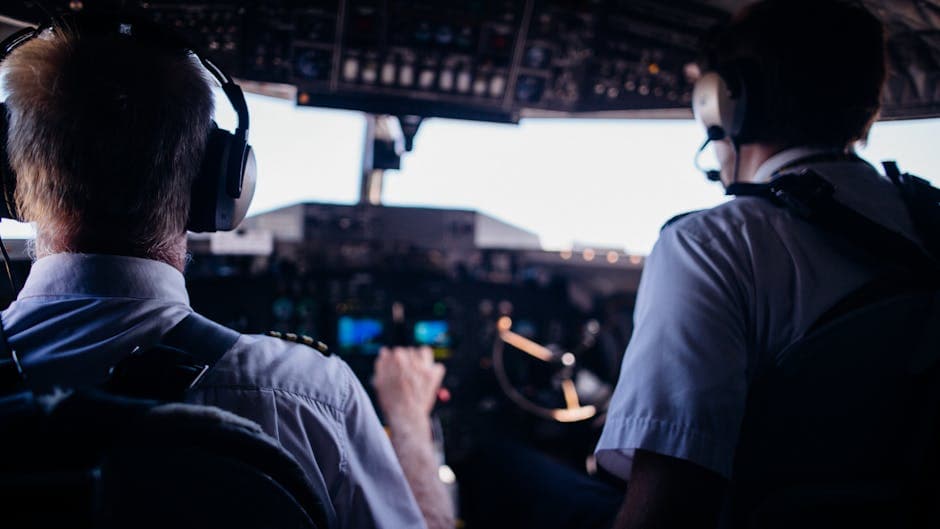
This is the most common aspiration for CPL holders. Airlines hire first officers (co-pilots) who, with experience, can advance to captain. Major airlines typically require a 'frozen ATPL' and significant flight hours (often 1,500+). The work involves flying scheduled passenger and cargo routes, often internationally, with competitive salaries and benefits.
Cargo Pilot
Flying cargo for companies like FedEx, UPS, or DHL offers a different lifestyle, often involving night flights and less direct interaction with passengers. The requirements are similar to passenger airlines, focusing on flight hours and ratings. The air cargo industry has seen significant growth, particularly with the rise of e-commerce, creating stable demand for pilots.
Charter and Corporate Pilot
Charter pilots fly for private companies or individuals on demand, offering more varied routes and schedules. Corporate pilots work for specific businesses, flying executives and employees on company-owned aircraft. These roles often require strong customer service skills and adaptability.
Flight Instructor
Becoming a Certified Flight Instructor (CFI) is a common first step for new CPL holders to build flight hours and gain experience. Instructors teach aspiring pilots, refine their own skills, and contribute to aviation safety. This role is crucial for meeting the ongoing demand for new pilots globally.
Licensing and International Recognition
One of the critical considerations for international students training to become a pilot is the recognition and conversion of their license in different jurisdictions. Aviation licenses are issued by national authorities (e.g., EASA in Europe, FAA in the USA, DGCA in India), but global standards are guided by the International Civil Aviation Organization (ICAO). North Cyprus universities, with their EU Diploma Supplement and YÖK accreditation, offer a strong foundation for international mobility.
A degree from a North Cyprus university with the EU Diploma Supplement helps ensure that the academic component of your pilot training is understood and valued across the European Higher Education Area. This can simplify the process of applying for further education or employment within Europe. While flight licenses themselves are subject to national aviation authority regulations, the academic background provided by a university degree can significantly aid in the conversion process or when seeking employment with international airlines that operate under different regulatory frameworks.
For instance, if you train under EASA standards in North Cyprus (as many programs align with), converting your license to an FAA license (for the USA) or another ICAO-compliant license typically involves passing specific written exams and potentially a checkride to demonstrate proficiency under the new authority's regulations. The robust academic foundation from a North Cyprus university, coupled with internationally recognized flight training, prepares graduates to navigate these conversion processes effectively, enhancing their global career prospects.
Your Journey to the Cockpit Starts in North Cyprus
The dream of becoming a commercial pilot is an ambitious yet entirely achievable goal. By understanding the structured steps from Private Pilot License to Commercial Pilot License and beyond, you can strategically plan your training. North Cyprus offers a unique and advantageous pathway for international students, combining quality education with a clear route to global employability.
With universities offering comprehensive Pilotage programs, coupled with the benefits of EU Diploma Supplement and YÖK accreditation, graduates are equipped with qualifications that resonate across Europe, Turkey, and the wider international aviation industry. The supportive environment, coupled with the absence of external English test requirements for admission, makes North Cyprus an ideal launchpad for your aviation career. Explore aviation programs and begin your application today to take the first step towards a thrilling career in the skies.
Frequently asked questions about becoming a pilot
Aviation Programs at North Cyprus Universities
Hand-picked programs from North Cyprus universities you can apply to directly.

Get matched with a North Cyprus university
Tell us your field, budget, and intake; we'll route you to the right program.