Study Pilotage in North Cyprus
No IELTS or entrance exam required — admission is based on your transcript.

Charting Your Course: Understanding the Path to Becoming a Pilot
The aspiration to fly is a powerful one, drawing individuals to a dynamic and rewarding career. For many, the first question is often, "How can I become a pilot?" The journey involves a structured progression through various licenses, rigorous training, and adherence to international aviation standards. Unlike some highly competitive fields that demand entrance exams or specific external English proficiency tests at the application stage, the pathway in North Cyprus universities is designed to be accessible, focusing on your academic background and commitment to the demanding curriculum.
Becoming a pilot is not merely about learning to operate an aircraft; it's about mastering complex systems, understanding meteorology, navigation, and air traffic control procedures, and developing critical decision-making skills under pressure. This comprehensive skill set is cultivated through a blend of theoretical instruction and practical flight hours, typically culminating in an academic degree that provides a strong foundation for a long-term career in aviation.
The Licenses You'll Earn: From Private Pilot to Airline Transport Pilot
The journey to becoming a professional pilot is segmented by different license types, each building upon the previous one. Understanding this progression is key to mapping out your training.
Private Pilot License (PPL)
The PPL is your entry point into aviation. It allows you to fly an aircraft for recreational purposes, carrying passengers, but not for hire or reward. Training for a PPL typically involves around 45-60 hours of flight time, including solo flights, cross-country navigation, and night flying. You'll also complete ground school covering aerodynamics, meteorology, air law, and navigation, culminating in written exams and a practical flight test (checkride).
Commercial Pilot License (CPL)
The CPL is the minimum requirement for flying professionally. It allows you to fly for compensation or hire. This license demands significantly more flight experience, often around 200-250 hours, including advanced maneuvers, instrument flying, and complex aircraft operations. The theoretical component is much more extensive than the PPL, delving deeper into aviation systems, performance, and regulations. Universities in North Cyprus, such as the University of Kyrenia (UK) and Near East University (NEU), integrate CPL training directly into their Bachelor of Science in Pilotage programs, providing a streamlined path to this crucial qualification.
Airline Transport Pilot License (ATPL)

The ATPL is the highest level of pilot certification, required to act as captain (Pilot in Command) for an airline. While the full ATPL can only be issued after accumulating 1,500 hours of flight time, including specific multi-crew and jet experience, most integrated university programs offer an "ATPL Frozen" certificate. This means you have completed all the theoretical knowledge exams for the ATPL, and once you meet the flight hour requirements, your ATPL becomes unfrozen. This is the ultimate goal for most aspiring airline pilots, and programs in North Cyprus are designed to prepare students for these demanding theoretical examinations.
Educational Foundations and Admission Requirements in North Cyprus
To embark on a pilot training program, a strong educational background is essential. North Cyprus universities offer a unique and accessible entry point for international students interested in aviation. Admission to pilotage programs is primarily based on your secondary-school transcript, with a focus on strong performance in subjects like Mathematics, Physics, and English.
Crucially, North Cyprus universities maintain one of the most open admissions policies in the region. This means they do not require external English language proficiency exams like IELTS, TOEFL, or Pearson PTE for admission. Similarly, there are no standardised entrance exams such as SAT, ACT, GRE, or GMAT. Your academic record from high school is the primary determinant for receiving an offer of admission.
Upon arrival at the university, applicants who do not already hold an English-language qualification (such as an IELTS 5.5 or equivalent, which can optionally be submitted to skip this step) will take an in-house English Proficiency Exam. This is a placement test, not an admission gate. If a student does not pass this internal exam, they will enter the university's English Preparatory School for typically one academic year before starting their degree program. This ensures all students have the necessary language skills to succeed in their aviation studies, without the initial barrier of external tests.
Age and Medical Requirements
Beyond academic qualifications, specific age and medical criteria must be met:
- Age: You must typically be at least 17 years old to begin flight training for a PPL and 18 years old to obtain a CPL. For an ATPL, the minimum age is 21.
- Medical Fitness: This is non-negotiable for pilots. You must pass a Class 1 Aviation Medical Examination, conducted by an authorized Aero Medical Examiner (AME). This comprehensive examination assesses vision, hearing, cardiovascular health, neurological function, and psychological well-being. Maintaining this medical certificate is mandatory throughout your flying career. North Cyprus universities offering pilotage programs will guide students on how to arrange these essential medical assessments in compliance with international aviation regulations, often referencing standards set by bodies like the TRNC Higher Education Planning, Evaluation, Accreditation and Coordination Council (YÖDAK) and relevant European aviation authorities.
The Financial Investment: Cost Breakdown and Scholarship Opportunities
Becoming a pilot represents a significant financial investment, but it is an investment in a high-earning, globally mobile career. The costs typically include university tuition, flight training fees (which cover aircraft rental, fuel, instructor fees), examination fees for licenses, medical examination costs, and living expenses.
In North Cyprus, universities strive to make aviation education more accessible. While specific figures can vary, integrated pilotage programs generally combine academic tuition with flight training costs. Many universities offer substantial scholarships to international students, significantly reducing the overall financial burden.
| University | Estimated Annual Tuition (USD) | Scholarship Potential |
|---|---|---|
| <a href="/universities/university-of-kyrenia">University of Kyrenia (UK)</a> | $7,500 - $9,500 | 50% - 75% |
| <a href="/universities/near-east-university">Near East University (NEU)</a> | $8,000 - $10,000 | 50% - 75% |
| <a href="/universities/girne-american-university">Girne American University (GAU)</a> | $7,000 - $9,000 | 50% - 70% |
These tuition figures typically include the academic portion of the degree and a significant part of the flight training, though additional hours or specific advanced ratings might incur extra costs. Scholarships are a vital component of financing. Most North Cyprus universities automatically apply a scholarship to international students upon admission, often ranging from 50% to 75% of the tuition fee. For detailed information on specific scholarship percentages and application procedures, prospective students should consult our scholarship support page or contact the university admissions offices directly.
Integrated Flight Training and Academic Degrees in North Cyprus
One of the most effective ways to become a pilot is through an integrated program that combines academic study with flight training. Unlike modular training, where licenses are acquired one by one, integrated programs offer a continuous, structured curriculum that leads to a Bachelor's degree alongside your pilot licenses. This approach is highly valued by airlines because it produces well-rounded professionals with both theoretical depth and practical expertise.
Universities in North Cyprus, such as the University of Kyrenia and Near East University, are pioneers in offering such integrated programs. Their Bachelor of Science in Pilotage degrees are designed to take students from zero flight experience to an "ATPL Frozen" status, coupled with a university degree. This holistic approach ensures that graduates possess not only the technical skills to fly but also the critical thinking, communication, and leadership abilities developed through higher education.
These programs typically span four years, encompassing extensive ground school instruction, simulator training, and actual flight hours in various aircraft types. The curriculum covers everything from basic flight principles to advanced airline operations, preparing students for the complexities of modern commercial aviation. The flight training components are conducted at university-affiliated flight schools, ensuring a seamless integration between classroom learning and practical application.
Accreditation and Global Employability: The North Cyprus Advantage
A critical consideration for any international student is the recognition and portability of their degree. North Cyprus universities offer a significant advantage in this regard, ensuring that your pilotage qualification is robustly recognized internationally.
EU Diploma Supplement and Bologna Process
Degrees issued by North Cyprus universities, including pilotage programs, come with the EU Diploma Supplement. This document, developed in cooperation with the European Commission, the Council of Europe, and UNESCO/CEPES, provides a standardized description of the nature, level, context, content, and status of the studies successfully completed by the holder. It significantly enhances the transparency and academic and professional recognition of qualifications across Europe and beyond. This means your pilotage degree is easily understood and accepted by European universities for further study and by European employers for work, facilitating strong international mobility within the European Higher Education Area (EHEA).
YÖK Accreditation
In addition to the EU Diploma Supplement, all North Cyprus university degrees are accredited by the Turkish Council of Higher Education (YÖK). This accreditation grants academic equivalence to degrees from Turkish state universities, which is particularly beneficial for graduates considering living, studying, or working in Turkey. The dual accreditation from the EU Diploma Supplement and YÖK provides a powerful foundation for global career and further-study opportunities, especially in a field like aviation where international standards and cross-border professional mobility are paramount.
Steps to Becoming a Pilot in North Cyprus
Your Step-by-Step Pilot Pathway
Research and Choose a University Program
Explore Bachelor of Science in Pilotage programs at universities like the University of Kyrenia or Near East University. Consider curriculum, facilities, and scholarship opportunities.
Submit Your Application
Gather your secondary-school transcript and any other required documents. Remember, no external English tests or entrance exams are needed for admission. You can start your application directly through our platform.
Secure Your Admission and Visa
Upon receiving your offer letter, proceed with visa application guidance provided by the university or our advisors. North Cyprus offers a straightforward student visa process. Consult our student visa guidance for more information.
Complete Your Class 1 Medical Exam
Before commencing flight training, you must pass a comprehensive Class 1 Aviation Medical Examination. Your chosen university will provide guidance on authorized medical examiners.
Undertake English Proficiency Placement (if applicable)
If you don't have an existing English qualification, you'll take an in-house English Proficiency Exam upon arrival. If needed, you'll attend the English Preparatory School before starting your degree.
Engage in Ground School and Flight Training
Begin your integrated program, combining theoretical classroom instruction with practical simulator and actual flight training, progressing from PPL to CPL and ATPL theory.
Earn Your Degree and Licenses
Upon successful completion of all academic and flight training modules, you will graduate with your Bachelor's degree and relevant pilot licenses, including your ATPL Frozen.
Diverse Career Paths for Qualified Pilots
The aviation industry offers a wide array of career opportunities for qualified pilots, extending far beyond the traditional image of an airline captain. With an ATPL Frozen and a Bachelor's degree from a recognized institution, graduates are well-positioned for various roles.
Airline First Officer
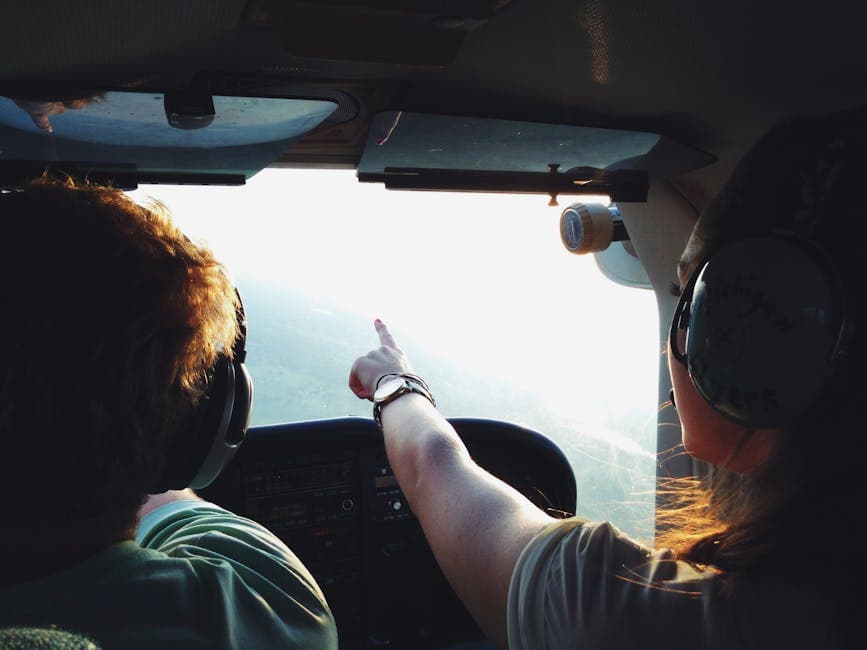
This is the most common entry point for new pilots into commercial aviation. As a First Officer, you will fly alongside a Captain, gaining invaluable experience on commercial routes. This role is a stepping stone to becoming a Captain yourself, typically after accumulating significant flight hours and experience.
Cargo Pilot
The global logistics and e-commerce boom has led to a significant demand for cargo pilots. These roles often involve flying at night and on different routes than passenger airlines, offering a distinct set of experiences and challenges. Companies like FedEx, UPS, and DHL operate vast global networks, providing ample opportunities.
Flight Instructor
Many new pilots choose to become flight instructors to build flight hours and gain experience while sharing their knowledge with aspiring aviators. This role is crucial for developing instructional skills and a deeper understanding of aviation principles, often serving as a bridge to airline careers.
Charter and Corporate Pilot
Flying for private charter companies or corporations offers a varied schedule, often involving smaller aircraft and diverse destinations. This path can provide exposure to different types of operations and a more personalized flying experience. The demand for business aviation continues to grow, as evidenced by reports from the UNESCO Institute for Statistics on global economic activities and specialized workforce needs.
Why North Cyprus is an Excellent Choice for Aspiring Pilots
For international students looking to understand "how to become a pilot" and then execute that plan, North Cyprus presents a compelling proposition. The combination of high-quality, internationally recognized education, coupled with an accessible admissions process, makes it an ideal destination.
The integrated Bachelor of Science in Pilotage programs at institutions like the University of Kyrenia and Near East University provide a comprehensive pathway from beginner to a professional pilot candidate. These programs are designed to meet international aviation standards, ensuring that graduates are well-prepared for global careers. The academic rigor, combined with practical flight training, equips students with both the theoretical knowledge and the hands-on experience demanded by the industry.
Furthermore, the dual accreditation through the EU Diploma Supplement and YÖK ensures that your qualification is not only recognized across Europe but also holds equivalence within the Turkish higher education system. This dual recognition significantly enhances your career mobility, allowing you to pursue opportunities for further study or employment in a wide range of countries. Coupled with affordable tuition fees and generous scholarship opportunities, North Cyprus offers a cost-effective yet high-quality route to achieving your dream of becoming a pilot. Explore all North Cyprus universities and their programs to find the perfect fit for your aviation ambitions.
Frequently Asked Questions About Becoming a Pilot in North Cyprus
Aviation Programs at North Cyprus Universities
Hand-picked programs from North Cyprus universities you can apply to directly.

Ready to Launch Your Aviation Career?
The sky is not the limit; it's your new beginning. Explore pilotage programs in North Cyprus and take the first step towards a fulfilling career in aviation.