Study Pilotage in North Cyprus
No IELTS or entrance exam required — admission is based on your transcript.

The Dream of Flight and the ATPL Course
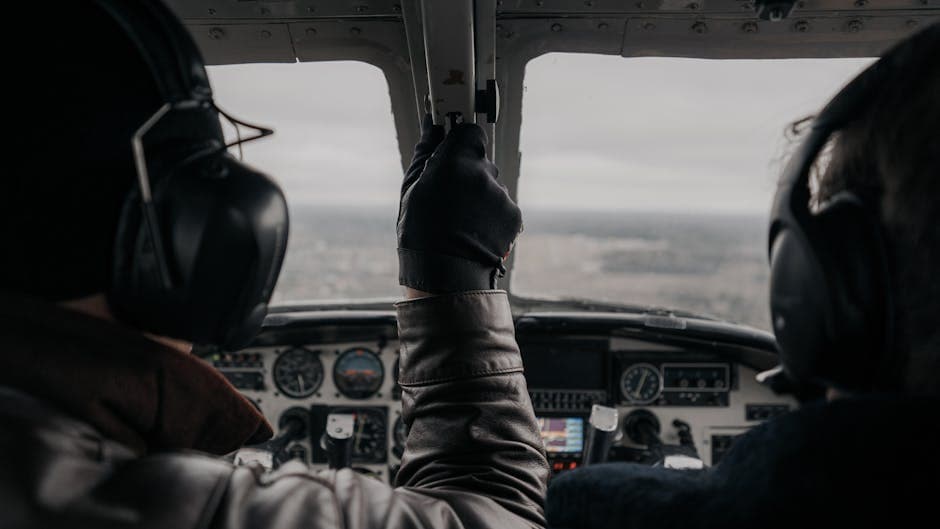
For many, the sky represents not just a boundless expanse but a future career. Becoming an airline pilot is a demanding yet incredibly rewarding profession, requiring rigorous training, unwavering discipline, and a deep understanding of aviation principles. The journey begins with selecting the appropriate pilot school and embarking on the right licensing pathway. The Airline Transport Pilot License (ATPL) is the highest level of aircraft pilot certification, essential for those aspiring to command multi-crew, multi-engine aircraft in commercial air transport operations, such as major airlines.
The decision of where and how to pursue an ATPL course is one of the most significant choices an aspiring pilot will make. This guide aims to demystify the process, outlining the different license types, critical factors in selecting a pilot school, the structure of ATPL training, and the career opportunities that follow. Furthermore, it will highlight why North Cyprus has emerged as an increasingly attractive destination for high-quality, internationally recognized pilot training, offering a unique blend of academic rigor, affordability, and global mobility.
Understanding Pilot Licenses: ATPL, CPL, and PPL
Before diving into the specifics of an ATPL course, it is crucial to understand the hierarchy of pilot licenses. Each license grants different privileges and represents a distinct stage in a pilot's training progression. The International Civil Aviation Organization (ICAO), a specialized agency of the United Nations, sets global standards for these licenses, ensuring a baseline of competency across member states.
Private Pilot License (PPL)
The Private Pilot License (PPL) is the entry-level certification. It allows the holder to fly an aircraft for recreational purposes, but not for remuneration. Training typically involves 40-60 hours of flight time, including solo flights, cross-country navigation, and instrument training. A PPL holder can carry passengers and share operating expenses but cannot be paid to fly. It serves as a foundational step for those pursuing a professional aviation career.
Commercial Pilot License (CPL)
The Commercial Pilot License (CPL) is the next step, enabling pilots to fly for compensation or hire. This license requires a more extensive training regimen, typically involving 150-250 hours of flight time, advanced maneuvers, and a deeper understanding of aviation regulations and aerodynamics. CPL holders can perform various commercial operations, such as banner towing, aerial photography, flight instruction, or flying smaller charter aircraft. Many professional pilots begin their careers with a CPL before accumulating the experience needed for an ATPL.
Airline Transport Pilot License (ATPL)
The Airline Transport Pilot License (ATPL) is the pinnacle of pilot certifications. It is mandatory for pilots who wish to act as pilot-in-command (captain) or co-pilot (first officer) of aircraft in scheduled air transport services with multiple crew members. An ATPL course encompasses advanced theoretical knowledge, including subjects like air law, aircraft systems, meteorology, navigation, and human performance, alongside extensive practical flight training. Aspiring airline pilots typically complete an 'ATPL frozen' course, which means they complete all theoretical ATPL exams and gain a CPL with Instrument Rating (IR) and Multi-Engine Rating (ME). The 'frozen' status is unfrozen once the pilot accumulates 1,500 hours of flight time in a multi-crew environment, allowing them to fully exercise ATPL privileges.
Essential Factors When Choosing a Pilot School
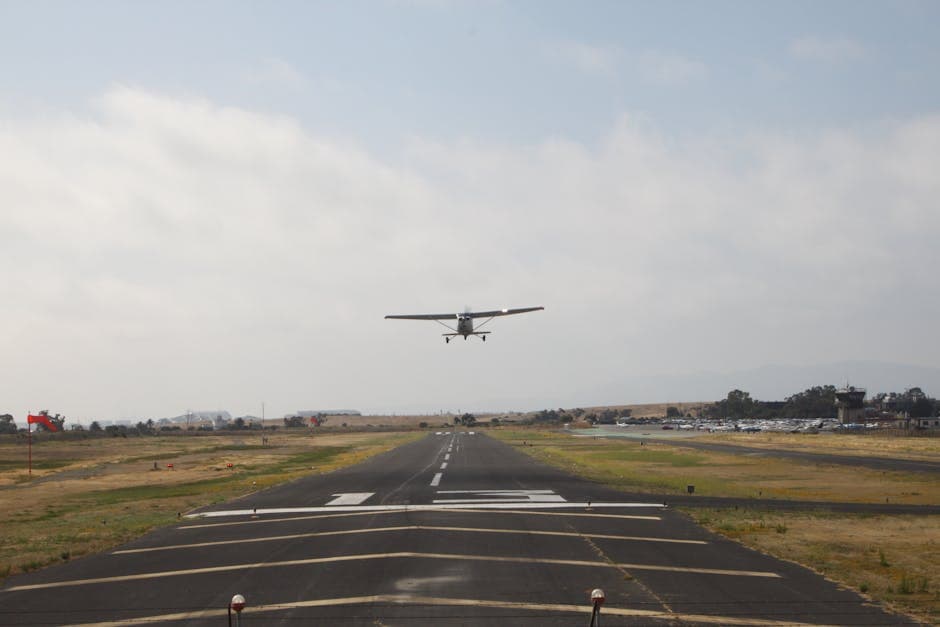
Selecting the right pilot school is a decision that will profoundly impact your training quality, career prospects, and overall investment. It requires careful consideration of several critical factors beyond just the cost.
Key Factors for Evaluating a Pilot School
Accreditation and Regulatory Approval
Ensure the school is fully accredited by relevant national and international aviation authorities. For training in Europe or for European-standard licenses, this means approval by the European Union Aviation Safety Agency (EASA) or an equivalent national authority that adheres to ICAO standards. In North Cyprus, universities offering pilotage programs are accredited by the Higher Education Planning, Evaluation, Accreditation and Coordination Council (YÖDAK) of the Turkish Republic of Northern Cyprus and recognized by Turkey's Council of Higher Education (YÖK), ensuring a robust academic foundation and international recognition.
Fleet Modernity and Maintenance
The quality and age of a school's aircraft fleet are paramount. A modern fleet with glass cockpits (digital displays) provides training relevant to contemporary airline operations. Equally important is the maintenance program; inquire about the school's safety record and maintenance protocols to ensure aircraft are consistently airworthy and safe.
Instructor Experience and Student-Instructor Ratio
Experienced instructors with real-world airline or commercial flying experience can offer invaluable insights. A low student-to-instructor ratio ensures personalized attention and tailored instruction, which is crucial for complex ATPL training. Inquire about the instructors' qualifications and their pass rates for students.
Course Structure and Duration
Understand the curriculum, including the balance between theoretical ground school and practical flight training. The duration of an ATPL course can vary, typically ranging from 18 to 24 months for an integrated program. A well-structured program will have clear milestones and progression paths.
Simulator Facilities
High-fidelity flight simulators are integral to modern pilot training, allowing students to practice complex procedures and emergency scenarios in a controlled environment. Ensure the school has advanced simulator facilities that accurately mimic the aircraft you will eventually fly.
Post-Graduation Support and Career Placement
Some pilot schools offer career counseling, airline interview preparation, and even direct pathways or partnerships with airlines. While no school can guarantee a job, strong career support can significantly enhance your employability after completing your ATPL course.
Accreditation and Recognition
Accreditation is the bedrock of any credible educational program, especially in aviation where safety and international standards are paramount. When evaluating a pilot school, verify its regulatory approvals. In North Cyprus, universities offering pilotage programs are rigorously accredited by the local Higher Education Planning, Evaluation, Accreditation and Coordination Council (YÖDAK), ensuring adherence to national educational quality standards. Beyond local accreditation, these degrees are also recognized by Turkey's Council of Higher Education (YÖK) (https://www.yok.gov.tr), providing academic equivalence to degrees from Turkish state universities. This dual accreditation is a significant advantage for graduates seeking further study or employment in Turkey.
Crucially, North Cyprus university degrees are issued with the EU Diploma Supplement. This internationally recognized document provides a standardized description of the nature, level, context, content, and status of the studies successfully completed by the holder. It signals recognition within the European Higher Education Area, a framework established by the Bologna Process. For pilotage, this means your qualification is readable and accepted by European universities for further specialized training and by European employers, including airlines, for work. This combination of YÖDAK, YÖK, and EU Diploma Supplement recognition provides robust international mobility, opening doors for realistic career and further-study opportunities across Europe, Turkey, and globally.
The ATPL Course Structure and Duration
An ATPL course is typically structured into two main phases: theoretical ground school and practical flight training. The duration can vary based on whether you choose an integrated or modular program, but generally, an integrated ATPL course takes between 18 to 24 months to complete.
Theoretical Ground School
This intensive phase covers 14 subjects, typically requiring around 750-800 hours of classroom instruction and self-study. Subjects include Air Law, Aircraft General Knowledge (Systems, Structure, Powerplant), Flight Planning and Monitoring, Human Performance, Meteorology, Navigation, Operational Procedures, Principles of Flight, Communications, and Mass & Balance. Students must pass rigorous examinations for each subject, often administered by national aviation authorities.
Practical Flight Training
Following ground school, students transition to practical flight training, which progresses through various aircraft types and ratings. This typically includes:
- Basic Flight Training: Initial hours on single-engine aircraft to build fundamental flying skills.
- Instrument Rating (IR): Training to fly solely by reference to instruments, crucial for commercial operations in varying weather conditions.
- Multi-Engine Rating (ME): Training on aircraft with more than one engine.
- Commercial Pilot License (CPL) Skills Test: The practical examination for the CPL.
- Multi-Crew Cooperation (MCC) Course: Training in a simulator to develop teamwork and communication skills essential for multi-pilot operations.
- Jet Orientation Course (JOC): Often included, this familiarizes pilots with jet aircraft handling characteristics.
The total flight time accumulated during an integrated ATPL course typically exceeds 200 hours, culminating in the 'frozen ATPL' status.
| Phase | Duration | Key Activities |
|---|---|---|
| Theoretical Ground School | 6-9 months | 14 ATPL subject exams, classroom instruction, self-study |
| Basic Flight Training (PPL/Hour Building) | 3-5 months | Single-engine aircraft, solo flights, navigation |
| Instrument Rating (IR) | 2-3 months | Instrument flying, simulator sessions |
| Multi-Engine Rating (ME) | 1 month | Multi-engine aircraft handling |
| CPL Skills Test | Ongoing | Practical examination for Commercial Pilot License |
| Multi-Crew Cooperation (MCC) | 2-3 weeks | Simulator training, crew resource management |
| Jet Orientation Course (JOC) | 1-2 weeks | Jet aircraft familiarization (optional but recommended) |
| Total Course Duration | 18-24 months | Comprehensive theoretical & practical training |
Career Pathways After Obtaining Your ATPL

Upon successful completion of your ATPL course and obtaining your 'frozen ATPL', a world of opportunities in commercial aviation opens up. The primary career path for ATPL holders is becoming an airline pilot, but other specialized roles also exist.
Airline Pilot
The most common progression is to join an airline as a First Officer (co-pilot) on short-haul or long-haul routes. With accumulated flight hours and experience, typically around 3,000-5,000 hours, First Officers can then upgrade to Captain. Airlines globally, from major carriers like Turkish Airlines, Lufthansa, and Emirates to regional airlines, are continuously recruiting qualified ATPL holders. The global nature of aviation means that a well-recognized ATPL, especially one backed by EU Diploma Supplement and YÖK accreditation, offers significant mobility for career progression across different countries and continents.
Other Aviation Roles
Beyond scheduled passenger services, ATPL holders can pursue careers in:
- Cargo Aviation: Flying freight for dedicated cargo airlines.
- Corporate and Business Jet Aviation: Piloting private jets for corporations or high-net-worth individuals.
- Flight Instruction: After obtaining a Flight Instructor rating, ATPL holders can train the next generation of pilots.
- Ferry Pilot: Delivering aircraft from one location to another.
- Test Pilot: Involved in testing new aircraft or modifications (requires specialized experience).
The rigorous training of an ATPL course equips graduates with a broad skill set applicable to various demanding roles within the aviation sector.
Pilot Training in North Cyprus: A Strategic Choice
North Cyprus has steadily gained recognition as an emerging hub for higher education, including specialized fields like aviation. Its universities offer a compelling proposition for international students seeking high-quality pilot training that is both academically sound and globally recognized.
North Cyprus Universities Offering Aviation Programs
Several prominent North Cyprus universities offer programs related to aviation and pilotage, often in collaboration with established flight training organizations. These collaborations ensure students receive comprehensive theoretical instruction within the university setting, combined with practical flight training conducted by experienced flight schools.
For instance, Eastern Mediterranean University (EMU) offers an undergraduate program in Pilotage, designed to provide students with both a strong academic foundation in aviation management and the practical skills required for flight. Similarly, Girne American University (GAU) provides a Professional Pilotage program, emphasizing hands-on flight experience alongside theoretical knowledge. The University of Kyrenia (UK), with its strong focus on maritime and aviation studies, offers a Professional Pilotage program that integrates academic learning with intensive flight training. Near East University (NEU) also features a Professional Pilotage program, leveraging modern facilities and experienced instructors to prepare students for airline careers. These universities often partner with flight schools approved by relevant aviation authorities, ensuring that the flight training component meets international standards.
Cost of Living and Training in North Cyprus

One of the most significant advantages of pursuing an ATPL course in North Cyprus is the comparatively lower cost of living and tuition fees compared to traditional aviation training hubs in Western Europe or North America. This affordability does not come at the expense of quality, thanks to the robust accreditation frameworks in place.
Tuition Fees for Pilotage Programs
While specific tuition fees for pilotage programs can vary widely depending on the university and the flight school partnership, they are generally more accessible than in many other countries. For a comprehensive pilotage program leading to a frozen ATPL, international students can expect annual tuition fees ranging from approximately $8,000 to $12,000 for the academic portion at universities like EMU, GAU, or UK. The flight training component, which is often a separate cost or bundled into a higher program fee, can add significantly to this, but even combined, the total investment remains competitive.
Cost of Living
The cost of living in North Cyprus is considerably lower than in many European countries. A student can comfortably live on a monthly budget ranging from $400 to $700, covering accommodation, food, transportation, and personal expenses. Student accommodations are readily available, with dormitories offered by universities like EMU and NEU, or private apartments for rent. This lower cost of living significantly reduces the overall financial burden of undertaking a demanding and lengthy ATPL course.
| Category | North Cyprus (USD) | Comparison (e.g., Western Europe/USA, USD) |
|---|---|---|
| University Tuition (Academic Portion) | $8,000 - $12,000 | $15,000 - $30,000+ |
| Flight Training Fees (Estimated Additional) | Varies, often $50,000 - $80,000 | Varies, often $70,000 - $120,000+ |
| Accommodation (on-campus/shared apt.) | $2,500 - $4,500 | $6,000 - $12,000+ |
| Food & Groceries | $2,000 - $3,000 | $4,000 - $7,000+ |
| Transportation (local) | $300 - $600 | $800 - $1,500+ |
| Personal Expenses & Utilities | $1,000 - $2,000 | $2,500 - $5,000+ |
| Total Estimated Annual Cost (Academic + Living, excluding full flight training) | $13,800 - $22,100 | $28,300 - $55,500+ |
Prospective students should always consult the specific university and its affiliated flight school for the most accurate and up-to-date tuition and training fee structures. Many North Cyprus universities also offer scholarship support, which can further reduce the financial outlay for eligible students. For example, some universities provide up to 50% or 75% scholarships on tuition fees for international students, making pilot training even more accessible.
Admission to Pilot Schools in North Cyprus
A key advantage for international students considering North Cyprus for their ATPL course is the straightforward and accessible admissions process. North Cyprus universities maintain one of the most open admissions policies in the region, designed to welcome a diverse international student body.
Crucially, North Cyprus universities do not require external English-language proficiency exams such as IELTS, TOEFL, Pearson PTE, Cambridge English, or Duolingo English Test for admission. They also do not require standardized entrance exams like SAT, ACT, GRE, or GMAT, nor do they administer a competitive entrance exam at the application stage for any program, including competitive fields like Pilotage. Admission is primarily based on the applicant's secondary-school transcript (and, for graduate programs, their bachelor's transcript).
Applicants who do not already hold an English-language qualification (such as a high school diploma from an English-medium institution) will take an in-house English Proficiency Exam upon arrival at the university. This is a placement test, not an admission gate. Students who do not pass this in-house exam will enter the university's English Preparatory School, typically for one academic year, before commencing their degree program. There is no second admission decision after Prep School; students seamlessly transition to their chosen ATPL course. This policy ensures that language proficiency is developed within the university's supportive environment, rather than being a barrier to entry.
Securing Your Future: Employability and Global Recognition
The ultimate goal of undertaking an ATPL course is to secure a fulfilling and successful career as a professional pilot. The international recognition of qualifications obtained in North Cyprus significantly enhances graduates' employability on a global scale.
As previously highlighted, the combination of local YÖDAK accreditation, recognition by Turkey's YÖK, and the issuance of the EU Diploma Supplement provides a powerful framework for international mobility. This means that an ATPL obtained through a North Cyprus university program is readily understood and accepted by aviation authorities and employers across Europe, Turkey, and other ICAO member states. This robust accreditation and recognition system ensures that your investment in pilot training translates into credible, evidenced career opportunities, rather than being limited to a specific region. Graduates are well-positioned to pursue airline pilot roles or other aviation careers with confidence in their qualification's international standing.
Frequently Asked Questions About Choosing a Pilot School for ATPL
Aviation and Pilotage Programs in North Cyprus
Hand-picked programs from North Cyprus universities you can apply to directly.

Ready to Launch Your Aviation Career in North Cyprus?
Explore top-tier pilotage and aviation programs at accredited North Cyprus universities. Start your application today and take the first step towards becoming a globally recognized pilot.