
Featured programs you can apply to
No IELTS or entrance exam required — admission is based on your transcript.



What is Mechanical Engineering?

Mechanical engineering is one of the oldest and broadest engineering disciplines. It involves the design, analysis, manufacturing, and maintenance of mechanical systems. This field requires a deep understanding of core areas including mechanics, dynamics, thermodynamics, materials science, structural analysis, and electricity. Mechanical engineers use these principles, along with tools like computer-aided design (CAD) and product lifecycle management, to design and analyze manufacturing plants, industrial equipment and machinery, heating and cooling systems, transport systems, aircraft, robotics, medical devices, and more. It is a discipline that constantly evolves, integrating new technologies and methodologies to solve complex real-world problems.
The scope of mechanical engineering extends from microscopic components to large-scale systems. For instance, a mechanical engineer might design a tiny sensor for a medical implant, develop a new manufacturing process for automotive parts, or contribute to the structural integrity of a skyscraper. The interdisciplinary nature of the field means that mechanical engineers often collaborate with electrical, civil, and software engineers, making it a pivotal force in nearly every industry. According to the OECD Education at a Glance report, engineering disciplines consistently rank among the most sought-after fields globally, underscoring the enduring relevance and career stability offered by a mechanical engineering degree.
Key Branches and Specializations in Mechanical Engineering
The vastness of mechanical engineering allows for numerous specializations, enabling students to tailor their studies to specific interests and career aspirations. These branches often overlap, reflecting the integrated nature of modern engineering challenges. Understanding these specializations is crucial for prospective students considering a mechanical engineering degree, as it helps in identifying potential career paths and research areas.
Robotics and Mechatronics
This branch combines mechanical engineering with electronics, computer engineering, and control systems. Professionals in this area design, build, and maintain robots and automated systems used in manufacturing, healthcare, exploration, and service industries. Universities like Eastern Mediterranean University (EMU) and Near East University (NEU) often integrate robotics and automation modules into their mechanical engineering curricula, preparing students for this high-demand sector.
Thermodynamics and Heat Transfer
Focusing on energy conversion, storage, and transfer, this specialization is critical for designing efficient power plants, HVAC (heating, ventilation, and air conditioning) systems, internal combustion engines, and refrigeration units. With increasing global emphasis on sustainable energy, this area continues to be vital for developing green technologies and optimizing energy use across industries.
Manufacturing and Materials Science
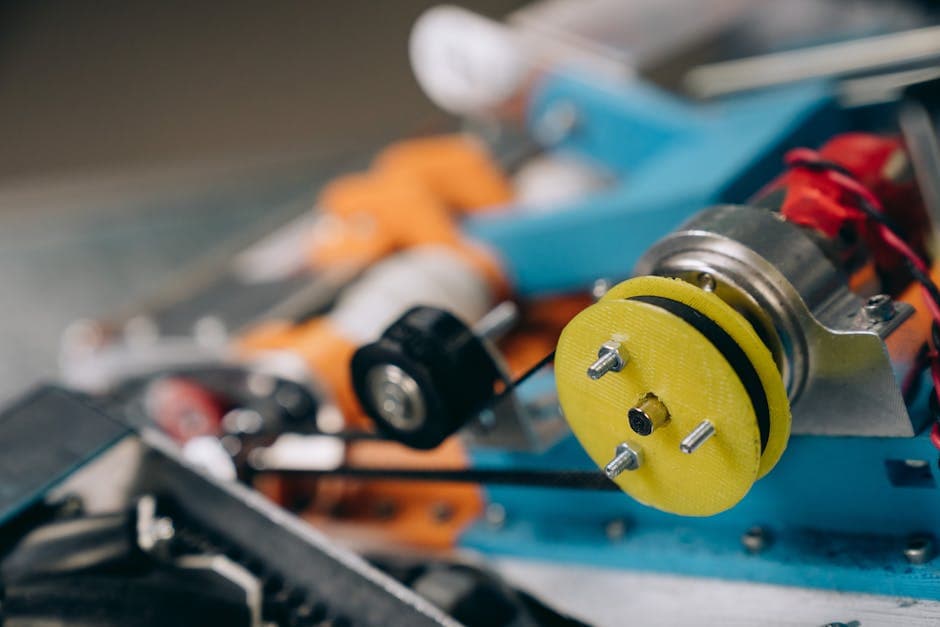
This involves the design and optimization of manufacturing processes and the study of material properties to create durable, efficient, and cost-effective products. From traditional machining to advanced additive manufacturing (3D printing), this field is at the forefront of industrial innovation. Many North Cyprus universities, including Cyprus International University (CIU), offer extensive laboratory facilities to support practical learning in materials science and manufacturing techniques.
Automotive and Aerospace Engineering
These specializations apply mechanical engineering principles to the design, development, and testing of vehicles, aircraft, and spacecraft. This includes everything from engine design and aerodynamics to structural integrity and safety systems. While distinct, both fields heavily rely on advanced mechanics, fluid dynamics, and materials engineering.
Essential Skills for Aspiring Mechanical Engineers
Strong Analytical Skills
The ability to analyze complex systems, identify problems, and devise effective solutions using mathematical and scientific principles.
Problem-Solving Aptitude
A critical mindset for tackling engineering challenges, often requiring innovative and creative approaches.
Computer-Aided Design (CAD) Proficiency
Expertise in software like SolidWorks, AutoCAD, and CATIA is fundamental for designing and simulating mechanical components and systems.
Teamwork and Communication
Engineers often work in multidisciplinary teams, requiring strong interpersonal and communication skills to collaborate effectively.
Attention to Detail
Precision is paramount in mechanical engineering, where small errors can have significant consequences in design and functionality.
Career Opportunities and Industry Outlook
A Bachelor of Science in Mechanical Engineering opens doors to a vast array of career opportunities across virtually every industry. Mechanical engineers are essential for innovation, development, and optimization, making them highly sought-after professionals globally. The versatility of the degree allows graduates to adapt to evolving technological landscapes and contribute to diverse sectors, from traditional manufacturing to cutting-edge research.
Diverse Industries and Roles
Graduates can find roles in sectors such as automotive (designing engines, chassis, safety systems), aerospace (aircraft and spacecraft components, propulsion systems), energy (renewable energy systems, power generation), robotics and automation, biomedical (prosthetics, medical devices), manufacturing (process optimization, product development), and consulting. Common job titles include Mechanical Design Engineer, Research and Development Engineer, Manufacturing Engineer, HVAC Engineer, Robotics Engineer, and Project Engineer. The Times Higher Education World University Rankings consistently highlight the strong employability of engineering graduates, reflecting the global demand for these skills.
For example, a mechanical engineer might work on developing more fuel-efficient engines for electric vehicles, designing sustainable heating and cooling solutions for smart buildings, or creating advanced robotic systems for surgical procedures. The average starting salary for mechanical engineers varies significantly by region and industry, but typically ranges from $60,000 to $80,000 annually in developed economies, with significant growth potential as experience is gained. In North Cyprus, universities often foster connections with local and international industries, providing internship opportunities that can lead to full-time employment for graduates.
Why Choose North Cyprus for Mechanical Engineering Studies?

North Cyprus has emerged as an increasingly attractive destination for international students seeking high-quality, English-taught mechanical engineering programs. The region offers a unique blend of academic excellence, cultural diversity, and affordability, making it a compelling choice for aspiring engineers from around the world. The higher education system in North Cyprus is regulated by YÖDAK (Higher Education Planning, Evaluation, Accreditation and Coordination Council) and is aligned with the YÖK (Turkish Council of Higher Education), ensuring degrees are recognized internationally.
One of the primary advantages is the accessible admissions policy. Unlike many Western countries, North Cyprus universities do not require IELTS, TOEFL, SAT, GRE, or any competitive entrance exams for admission into their mechanical engineering programs. Admission is primarily based on your secondary school academic transcript. This streamlined process significantly reduces barriers for international students. Furthermore, the cost of living and tuition fees are considerably lower compared to institutions in the UK, USA, or Canada, without compromising on educational quality. Most universities offer substantial scholarships, making a world-class engineering education even more attainable. Students can also explore various scholarship support options to further reduce their financial burden.
Leading Universities for Mechanical Engineering in North Cyprus
Several universities in North Cyprus offer robust Bachelor of Science programs in Mechanical Engineering, taught entirely in English. These institutions are equipped with modern laboratories, experienced faculty, and strong industry links, providing students with both theoretical knowledge and practical skills essential for a successful engineering career. Here’s a look at some prominent options:
Eastern Mediterranean University (EMU)
Eastern Mediterranean University (EMU), located in Famagusta, boasts a well-established Mechanical Engineering Department accredited by ABET. Their program emphasizes a broad foundation in mechanical engineering principles, with opportunities for specialization in areas such as energy, manufacturing, and mechatronics. EMU is known for its extensive campus facilities, including state-of-the-art engineering labs and research centers. The annual tuition for Mechanical Engineering at EMU typically ranges from $7,000 to $9,000 after a standard 50% international student scholarship, with intake months in September and February.
Near East University (NEU)
Near East University (NEU) in Nicosia offers a comprehensive Mechanical Engineering program focusing on design, analysis, and manufacturing. NEU is recognized for its strong research output and modern infrastructure, including advanced workshops and simulation labs. The university often provides scholarships up to 75% for international students, bringing the annual tuition down to approximately $5,500 to $6,500. NEU's curriculum is designed to meet international standards, preparing graduates for global employment. Admissions are typically open for Fall (September) and Spring (February) semesters.
Cyprus International University (CIU)
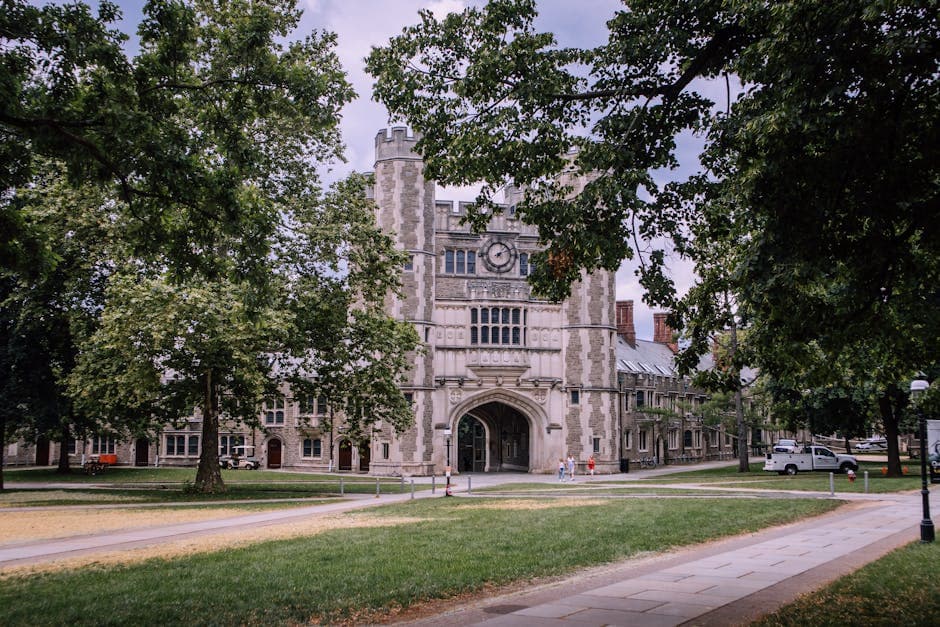
Cyprus International University (CIU), also in Nicosia, provides a dynamic Mechanical Engineering program with a focus on practical application and interdisciplinary studies. CIU places a strong emphasis on sustainability and innovation within its engineering faculty. International students at CIU can expect tuition fees in the range of $6,000 to $8,000 per year after scholarships, which commonly cover 50% to 75% of the full fee. CIU's programs are regularly updated to reflect the latest industry trends and technological advancements, ensuring graduates are well-prepared for the workforce. The main intake periods are September and February.
Girne American University (GAU)
Girne American University (GAU), located in Kyrenia, offers a Mechanical Engineering program that integrates theoretical knowledge with hands-on experience. GAU's engineering faculty is known for its diverse international student body and faculty, fostering a multicultural learning environment. Tuition for Mechanical Engineering at GAU, with typical international student scholarships, can range from $6,500 to $8,500 annually. GAU provides a supportive academic environment and opportunities for students to engage in research projects and extracurricular activities. Applications are accepted for Fall and Spring intakes.
| University | Estimated Annual Tuition (after scholarship) | Typical Scholarship Range |
|---|---|---|
| Eastern Mediterranean University (EMU) | $7,000 - $9,000 | 50% |
| Near East University (NEU) | $5,500 - $6,500 | 50% - 75% |
| Cyprus International University (CIU) | $6,000 - $8,000 | 50% - 75% |
| Girne American University (GAU) | $6,500 - $8,500 | 50% - 75% |
Admission Requirements for International Students
One of the most compelling aspects of studying mechanical engineering in North Cyprus is the straightforward and student-friendly admission process for international applicants. North Cyprus universities have an open admissions policy designed to welcome a diverse student body from around the globe. This policy is a significant advantage for many students who might face stringent requirements elsewhere.
Crucially, North Cyprus universities do not require any external English language proficiency tests such as IELTS, TOEFL, Pearson PTE, or Cambridge English for admission. Similarly, standardized entrance exams like SAT, ACT, GRE, or GMAT are not mandatory. Admission decisions are primarily based on your academic performance in secondary school. Upon arrival at the university, students who do not already possess an English language qualification (such as a high school diploma from an English-medium institution) will take an in-house English Proficiency Exam. This is a placement test, not an admission barrier. Students who do not pass this internal exam will attend the university's English Preparatory School for one academic year before commencing their degree program, ensuring they have the necessary language skills to succeed.
Key Documents for Your Application
Secondary School Diploma/Certificate
Official copy of your high school leaving certificate or equivalent qualification.
Academic Transcripts
Official transcripts detailing your grades from all years of secondary school.
Passport Copy
A clear, color copy of the biodata page of your valid international passport.
Passport-Sized Photographs
Usually 2-4 recent passport-sized photographs with a white background.
Application Form
A completed university application form, often available online through the university's admissions portal or via our apply now page.
Student Life and Resources for Mechanical Engineering Students
Studying mechanical engineering in North Cyprus offers more than just academic rigor; it provides a vibrant and supportive student life experience. Universities are committed to creating an environment where international students can thrive both academically and personally. Campuses are typically modern, well-equipped, and designed to foster a sense of community among students from over 100 different nationalities.
Students have access to extensive resources, including state-of-the-art engineering laboratories, computer centers with specialized software (CAD, CAE, CAM), and comprehensive libraries. Many universities, such as EMU and NEU, have dedicated career counseling services to assist engineering students with internships, job placements, and career development. Additionally, a wide range of student clubs and societies, including engineering associations, sports teams, and cultural groups, ensures a rich extracurricular life. On-campus student accommodations are readily available, offering convenience and a safe living environment. The multicultural atmosphere provides an excellent opportunity to network with peers and faculty from diverse backgrounds, enriching the overall learning experience and preparing students for a globalized professional world.
Frequently Asked Questions About Studying Mechanical Engineering in North Cyprus
Explore Bachelor's in Engineering & Technology Programs
Hand-picked programs from North Cyprus universities you can apply to directly.

Ready to Engineer Your Future in North Cyprus?
Start your journey towards a rewarding career in Mechanical Engineering. Our advisors can help you navigate program options, scholarships, and the application process.