
Study Pilotage in North Cyprus
No IELTS or entrance exam required — admission is based on your transcript.

The Enduring Demand for Pilots and What It Means for Your Career
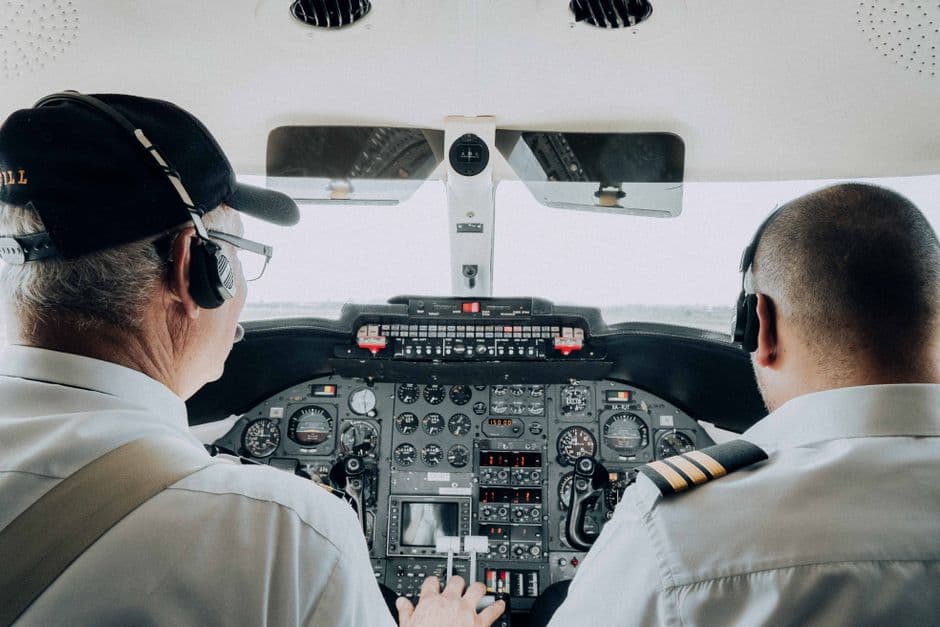
The dream of flying high often comes with practical questions, chief among them: what is the typical pilot salary? As of 2026, the aviation industry continues to experience significant growth, driven by expanding global travel and cargo operations. This sustained demand directly impacts pilot compensation, making it a lucrative career choice for those who successfully navigate the rigorous training and educational pathways.
A career as a pilot is not merely about flying; it's about precision, responsibility, and continuous learning. The educational journey to become a pilot, particularly when you choose to study pilot at an internationally recognized institution, lays the foundation for a career that offers both professional satisfaction and substantial financial rewards. Understanding the salary structure, career progression, and the value of your academic qualifications is crucial for prospective students and their families.
Pilot Salary: What to Expect by Experience Level and Airline Type
Pilot salaries vary significantly based on several factors, including experience level, the type of aircraft flown, the airline's size and operational scope, and geographical location. Entry-level pilots, often starting as First Officers (FOs) or co-pilots, will earn less than seasoned Captains with thousands of flight hours. Major international carriers generally offer higher compensation packages compared to regional or cargo airlines.
For instance, a newly qualified First Officer at a regional airline might expect an annual salary in the range of $40,000 to $70,000 USD in their first few years. As they gain experience, accumulate flight hours, and transition to larger aircraft or major airlines, this figure can rise dramatically. A seasoned Captain at a major international airline, flying wide-body aircraft on long-haul routes, can command an annual salary upwards of $150,000 to $300,000 USD, and in some cases, even higher, particularly in regions with high demand or specific airline agreements. These figures often include base pay, flight pay, per diems, and various allowances.
| Role/Airline Type | Entry-Level (1-3 years) | Mid-Career (5-10 years) | Senior (15+ years) |
|---|---|---|---|
| Regional Airline First Officer | $40,000 - $70,000 | $70,000 - $120,000 | N/A (typically transition to Captain or major airline) |
| Regional Airline Captain | N/A (requires experience) | $90,000 - $150,000 | $130,000 - $200,000 |
| Major Airline First Officer | $60,000 - $100,000 | $100,000 - $180,000 | $160,000 - $250,000 |
| Major Airline Captain | N/A (requires extensive experience) | $150,000 - $250,000 | $200,000 - $350,000+ |
| Cargo Airline Pilot | $50,000 - $90,000 | $90,000 - $180,000 | $170,000 - $300,000+ |
Educational Pathway: How Studying Pilot Academically Complements Flight Training

Becoming a pilot involves more than just mastering flight controls; it requires a deep understanding of aerodynamics, meteorology, navigation, aviation law, human factors, and airline operations. This is where academic programs, such as those offered in North Cyprus, become invaluable. A university degree in Aviation Management, Professional Pilotage, or Aeronautical Engineering provides the theoretical underpinning that complements practical flight training.
Universities like the University of Kyrenia and Near East University offer comprehensive aviation programs designed to produce well-rounded aviation professionals. These programs integrate ground school instruction, simulator training, and often facilitate actual flight training through partnerships with flight academies. Graduates emerge not only with flight certifications but also with a bachelor's degree, enhancing their employability and long-term career progression.
Key Components of a Comprehensive Pilot Education
Academic Degree
A Bachelor's degree in Aviation or Professional Pilotage covers essential theoretical knowledge, including aviation safety, air traffic control, airline economics, and human performance in aviation. This academic foundation is highly valued by airlines and provides a broader understanding of the industry beyond just flying.
Flight Training & Certifications
This involves practical flying lessons, leading to certifications such as Private Pilot License (PPL), Commercial Pilot License (CPL), Instrument Rating (IR), and Multi-Engine Rating (ME). These are typically obtained through approved flight schools, often affiliated with university programs.
Type Ratings
After initial certifications, pilots must obtain 'type ratings' for specific aircraft models (e.g., Boeing 737, Airbus A320). This specialized training is often sponsored by airlines upon employment or pursued independently.
Continuous Professional Development
The aviation industry requires ongoing training, recurrent checks, and adherence to evolving regulations. Pilots continuously engage in simulator training and theoretical refreshers to maintain their proficiency and licenses.
Global Pilot Demand and Salary Outlook
The global aviation market is in a growth phase, with air travel demand steadily increasing. Projections from leading aviation bodies consistently point to a significant need for new pilots over the next two decades. For instance, the International Civil Aviation Organization (ICAO) and other industry forecasts indicate that regions like Asia-Pacific, North America, and Europe will experience the highest demand, driven by fleet expansion and pilot retirements.
This strong demand underpins a positive salary outlook for aspiring pilots. Airlines are increasingly offering competitive compensation packages, signing bonuses, and attractive benefits to attract and retain talent. Furthermore, the specialized nature of the profession ensures that pilot salaries remain robust, often outpacing average wage growth in many economies. The long-term career stability and earning potential make the initial investment in education and training a worthwhile endeavor.
Regional Pilot Salary Comparisons

While global demand is high, pilot salaries can vary considerably by region due to differences in cost of living, airline profitability, labor laws, and pilot union strength. For example, pilots in North America and the Middle East often command some of the highest salaries globally, particularly with major international carriers. Gulf airlines, known for their rapid expansion and modern fleets, frequently offer tax-free salaries and comprehensive benefits packages.
In Europe, pilot salaries are competitive, though they can be influenced by the presence of numerous low-cost carriers. Pilots working for flag carriers like Lufthansa, Air France, or British Airways typically earn significantly more than those at budget airlines. Asia-Pacific countries, with their booming economies and expanding air travel markets, also present strong earning opportunities, especially for experienced Captains. Understanding these regional nuances can help prospective pilots strategize their career path and target regions that align with their salary expectations.
Studying Pilot in North Cyprus: A Gateway to Global Aviation
North Cyprus has emerged as an attractive destination for international students seeking high-quality, internationally recognized aviation education. Universities such as the University of Kyrenia and Near East University offer Bachelor's degrees in Professional Pilotage and related aviation fields. These programs are meticulously designed to meet international aviation standards, preparing students for careers with airlines worldwide.
A key advantage of pursuing your pilot education in North Cyprus is the dual accreditation and recognition framework. Degrees from North Cyprus universities are recognized by the Turkish Council of Higher Education (YÖK), ensuring equivalence with degrees from Turkish state universities. This recognition is particularly beneficial for career opportunities within Turkey and for further academic pursuits there. Moreover, North Cyprus universities operate within the principles of the Bologna Process, which facilitates academic and professional recognition across the European Higher Education Area. Graduates receive an EU Diploma Supplement, a document that enhances the transparency and readability of their qualifications for employers and universities across Europe and beyond.
This combination of YÖK accreditation and the EU Diploma Supplement provides North Cyprus graduates with strong international mobility. For aspiring pilots, this means their qualifications are readily understood and accepted by aviation authorities and airlines globally, paving realistic career and further-study paths across Europe, Turkey, and other international markets where cross-border aviation standards apply. The comprehensive curriculum, coupled with practical flight training opportunities, ensures that students are well-prepared for the demands of a global pilot career.
Advantages of a North Cyprus Pilot Degree

Beyond the robust accreditation, North Cyprus offers several distinct advantages for international students looking to study pilot. The universities boast modern facilities, experienced faculty, and a multicultural campus environment. The cost of living and tuition fees are generally more affordable compared to many Western European or North American countries, making a high-quality pilot education accessible.
Crucially, North Cyprus universities maintain one of the most open admissions policies in the region. They do not require external English language proficiency exams such as IELTS, TOEFL, or Pearson PTE for admission. Similarly, standardized entrance exams like SAT or ACT are not prerequisites. Admission is primarily based on the applicant's secondary-school academic transcript. Students who do not hold an existing English language qualification will take an in-house English Proficiency Exam upon arrival. This is a placement test, not an admission gate. Those who do not pass enter the university's English Preparatory School for one academic year before commencing their degree program, ensuring they have the necessary language skills without facing an admission barrier.
For example, the University of Kyrenia's Faculty of Aviation and Aeronautical Sciences offers programs such as Professional Pilotage, preparing students for commercial pilot careers. Near East University also provides strong programs in the aviation sector, focusing on both the technical and managerial aspects of the industry. These institutions are committed to providing a holistic education that encompasses both theoretical knowledge and practical skills, ensuring graduates are competitive in the global job market.
Practical Steps to Start Your Pilot Journey in North Cyprus
Embarking on a pilot career in North Cyprus is a straightforward process for international students. The primary intake months for most universities are September and February, though some programs may offer additional intakes. Prospective students should begin their application process well in advance to secure their place and arrange for necessary documentation and travel.
The application typically involves submitting your secondary school leaving certificate and transcript. For graduate programs, a bachelor's transcript is required. There are no competitive entrance exams at the application stage, simplifying the process significantly. Once admitted, students will receive an offer letter, which is essential for student visa guidance. Many universities also offer substantial scholarship support, often covering 50% or more of the tuition fees, making the education even more accessible. Exploring aviation programs and comparing options across different North Cyprus universities is a crucial first step.
Frequently Asked Questions About Pilot Salary and Studying Pilot in North Cyprus
Aviation Programs at North Cyprus Universities
Hand-picked programs from North Cyprus universities you can apply to directly.

Ready to Launch Your Pilot Career?
Explore top-tier aviation programs in North Cyprus and take the first step towards a rewarding global career. Our advisory platform can help you navigate the application process and find the right university.