Study Pilotage in North Cyprus
No IELTS or entrance exam required — admission is based on your transcript.

The Sky's the Limit: Understanding PPL traiing and BAA Training
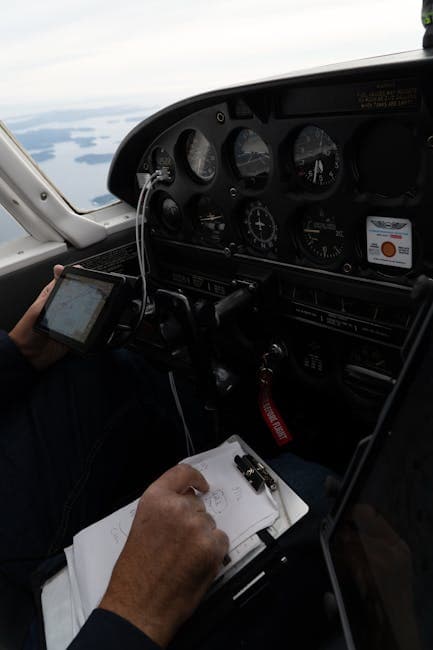
Embarking on a career as a pilot is a dream for many, and the journey typically begins with Private Pilot License (PPL) traiing. A PPL is the first crucial step, allowing individuals to fly single-engine aircraft for recreational purposes. It serves as the foundational qualification upon which all further professional pilot certifications, such as the Commercial Pilot License (CPL) and Airline Transport Pilot License (ATPL), are built. PPL traiing focuses on fundamental flight maneuvers, navigation, meteorology, and aviation regulations, instilling the discipline and skills necessary for safe flight operations.
Within the broader aviation training landscape, institutions like BAA Training stand out as prominent global players. BAA Training is an independent aviation training academy, part of the Avia Solutions Group, offering a comprehensive suite of pilot, cabin crew, ground handling, and maintenance training services. While BAA Training is not located in North Cyprus, its model exemplifies the integrated and modular training pathways available globally. These academies provide structured programs that guide aspiring aviators from initial PPL traiing through advanced ATPL certification, often equipped with state-of-the-art flight simulators and experienced instructors. Understanding the offerings of such academies helps contextualize the various routes available for professional pilot development.
Navigating the PPL traiing Landscape: Costs, Duration, and Requirements
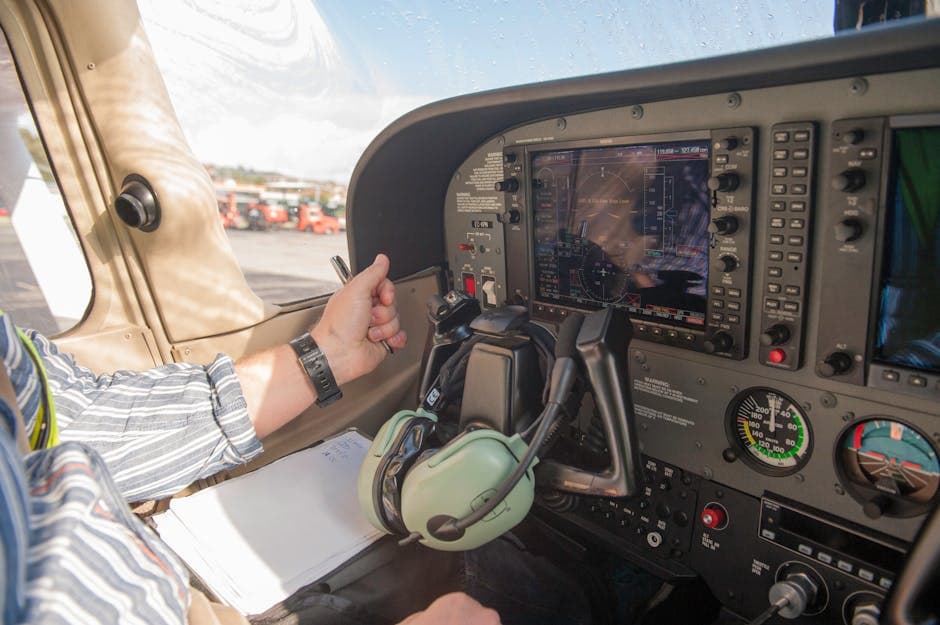
The cost and duration of PPL traiing can vary significantly depending on the region, the type of flight school (part 141 or part 61 in the US, or EASA-approved in Europe), and the individual student's pace. Generally, PPL traiing involves a minimum of 40-45 flight hours, including solo and dual instruction. The total cost for a PPL can range from approximately $10,000 to $18,000 (USD) in countries like the United States or parts of Europe. The duration typically spans from 3 to 6 months for full-time students, though it can extend up to a year or more for those pursuing it part-time.
Beyond financial considerations, specific requirements must be met to undertake PPL traiing. Applicants must typically be at least 17 years old to obtain the license, though training can commence earlier. A crucial requirement is passing a medical examination to obtain a Class 2 Medical Certificate, ensuring the applicant meets the necessary health standards for flying. Furthermore, a reasonable command of English is essential for aviation communication, though formal external English proficiency tests like IELTS or TOEFL are not universally required for admission to academic aviation programs in North Cyprus universities. Instead, admission to North Cyprus universities for aviation-related academic programs is based primarily on your secondary-school transcript.
For international students considering academic pathways in North Cyprus, the admissions process is notably accessible. North Cyprus universities DO NOT require IELTS, TOEFL, Pearson PTE, Cambridge English, Duolingo English Test, SAT, ACT, GRE, GMAT, or any competitive entrance exam for admission. Instead, admission decisions are made based on the applicant's secondary-school transcript. Students who do not already possess an English-language qualification will take an in-house English Proficiency Exam upon arrival at their chosen university. This is a placement test, not an admission barrier. If a student does not pass this in-house exam, they will enroll in the university's English Preparatory School, typically for one academic year, before commencing their degree program. This policy ensures that academic potential, rather than standardized test scores, is the primary determinant for entry.
North Cyprus Universities: A Strategic Pathway to Aviation Careers
While North Cyprus itself may not host large-scale flight training academies like BAA Training, its universities offer robust academic programs that can provide a strong foundation for an aviation career, complementing external flight training. For instance, the University of Kyrenia (UK) is a notable institution with a dedicated Faculty of Aviation and Space Sciences. It offers Bachelor of Science (BSc) programs in Pilotage, Aviation Management, and Aeronautical Engineering. Similarly, Girne American University (GAU), Eastern Mediterranean University (EMU), Near East University (NEU), and Cyprus International University (CIU) all offer Bachelor's degrees in Aviation Management, providing essential knowledge in airline operations, airport management, aviation law, and logistics.
A significant advantage of pursuing an aviation-related academic degree in North Cyprus is the international recognition of the qualifications. North Cyprus university degrees are issued with the EU Diploma Supplement, a document that enhances the transparency and academic and professional recognition of qualifications across Europe. This facilitates further study or employment within the European Higher Education Area. Concurrently, these degrees are accredited by Turkey's Council of Higher Education (YÖK), ensuring academic equivalence to degrees from Turkish state universities. This dual accreditation provides graduates with strong international mobility, opening doors for career and further-study opportunities across Europe, Turkey, and globally, particularly in fields with cross-border professional standards like aviation.
| University | Program (BSc) | Estimated Annual Tuition (USD) |
|---|---|---|
| University of Kyrenia (UK) | Pilotage | $7,500 - $8,500 |
| University of Kyrenia (UK) | Aviation Management | $5,500 - $6,500 |
| Girne American University (GAU) | Aviation Management | $6,000 - $7,000 |
| Eastern Mediterranean University (EMU) | Civil Aviation Management | $6,500 - $7,500 |
| Near East University (NEU) | Aviation Management | $5,800 - $6,800 |
| Cyprus International University (CIU) | Aviation Management | $5,700 - $6,700 |
Beyond PPL: Career Paths and Advanced Pilot Qualifications
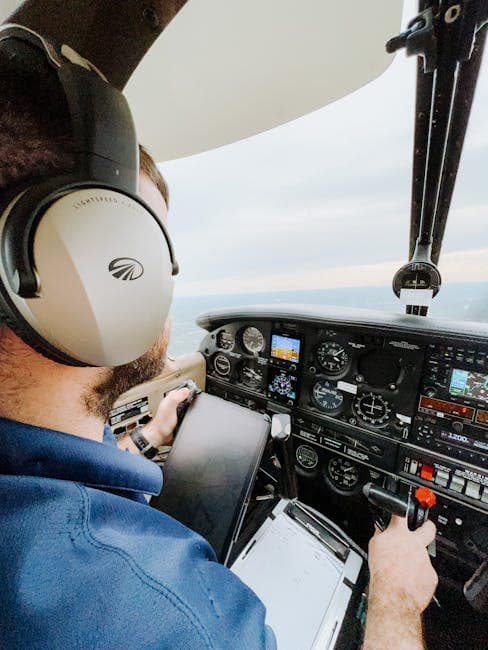
Obtaining your PPL is merely the first step. For those aspiring to a professional career in aviation, the next major milestone is typically the Airline Transport Pilot License (ATPL). There are two primary pathways to achieving an ATPL: modular and integrated. An integrated ATPL program is a full-time, intensive course that takes approximately 18-24 months, covering all stages from zero flight experience to ATPL frozen. This structured approach is often favored by major airlines. In contrast, the modular ATPL pathway allows students to complete each license and rating (PPL, Night Rating, Instrument Rating, CPL, Multi-Engine Rating, ATPL theory exams) separately, offering greater flexibility and often a lower upfront cost, though it may take longer.
After securing an ATPL, pilots must obtain type ratings for specific aircraft models they intend to fly, such as the Boeing 737 or Airbus A320. These ratings involve intensive simulator and line training. Career prospects for pilots are robust, particularly with the aforementioned global demand. Graduates can pursue roles as commercial airline pilots, cargo pilots, flight instructors, or corporate jet pilots. The international recognition of North Cyprus degrees, bolstered by the EU Diploma Supplement and YÖK accreditation, means that graduates of aviation management or aeronautical engineering programs from institutions like the University of Kyrenia are well-positioned for ground-based aviation roles or to complement their flight training for opportunities across Europe and Turkey. The TRNC Ministry of Foreign Affairs can provide further information on international agreements impacting professional recognition.
Key Stages in a Commercial Pilot Career
Private Pilot License (PPL)
The initial license for recreational flying, requiring 40-45 hours of flight time and a Class 2 Medical Certificate.
Instrument Rating (IR)
Allows pilots to fly under Instrument Flight Rules (IFR), crucial for commercial operations in varying weather conditions.
Commercial Pilot License (CPL)
Permits pilots to be compensated for flying, requiring more advanced skills and flight hours (typically 150-200 hours total).
Multi-Engine Rating (ME)
Essential for flying aircraft with more than one engine, a standard for most commercial planes.
Airline Transport Pilot License (ATPL)
The highest level of pilot certification, required to act as pilot in command for commercial airlines, often obtained as 'frozen ATPL' then 'unfrozen' with experience.
Type Rating
Specific training and certification to fly a particular aircraft type (e.g., Boeing 737, Airbus A320).
Funding Your Flight: Scholarships and Financial Aid Options
The significant investment required for pilot training often necessitates exploring various funding options. While direct flight training scholarships are competitive and often offered by airlines or specific aviation organizations, North Cyprus universities provide substantial scholarship support for their academic programs. Many universities, including Eastern Mediterranean University (EMU), Near East University (NEU), and Cyprus International University (CIU), offer scholarships ranging from 25% to 75% on tuition fees for international students. These scholarships are typically merit-based or need-based and can significantly reduce the cost of obtaining an Aviation Management or Aeronautical Engineering degree.
For example, a student pursuing an Aviation Management degree at Girne American University (GAU) might secure a 50% scholarship, reducing their annual tuition from approximately $12,000 to $6,000. These academic programs can be a strategic part of a pilot's journey, providing a fallback career path or a deeper understanding of the aviation industry while saving for or pursuing flight training modules. Exploring available scholarships at North Cyprus universities can make the academic component of an aviation career more accessible. Students can also look into external funding sources such as aviation-specific grants, student loans, or sponsorships from airlines, though these are typically for more advanced stages of training.
Why North Cyprus for Your Aviation Journey?
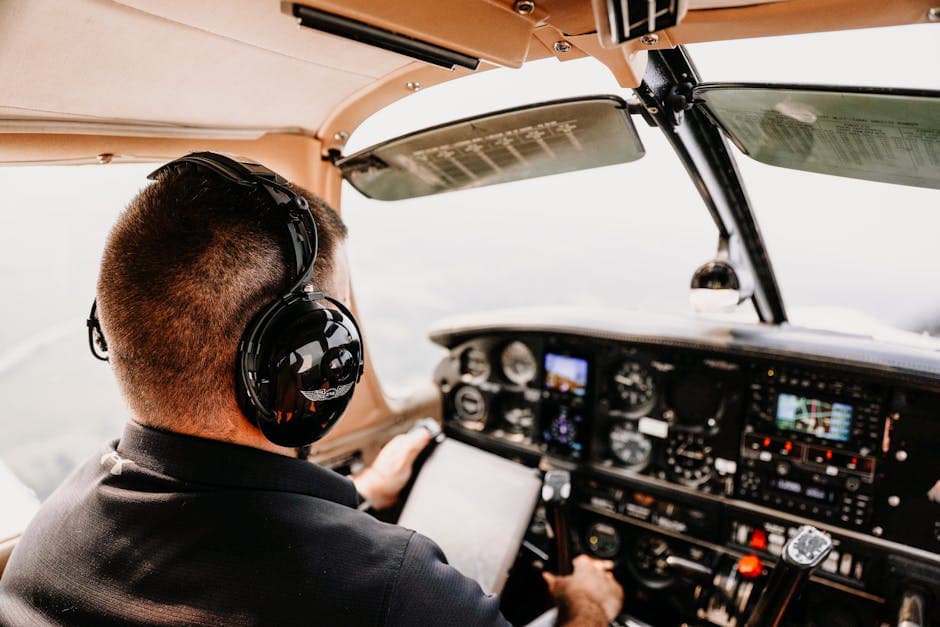
Choosing North Cyprus for your aviation-related academic studies offers a unique blend of quality education, affordability, and international recognition. The open admissions policy, which bypasses the need for external standardized tests like IELTS or SAT, makes higher education accessible to a wider pool of international talent. This focus on transcript-based admission, coupled with an in-house English proficiency assessment and preparatory school option, ensures that students are academically prepared without facing unnecessary barriers.
Furthermore, the strategic advantage of the EU Diploma Supplement and YÖK accreditation cannot be overstated. These accreditations mean that a Bachelor's degree in Aviation Management or Aeronautical Engineering from institutions like the University of Kyrenia holds significant weight, not just locally but across Europe and Turkey. This robust framework for degree recognition enhances employability and opportunities for further postgraduate study, providing a secure and internationally mobile qualification that can support a diverse range of aviation careers, whether in the cockpit or in crucial ground operations. The TRNC Higher Education Planning, Evaluation, Accreditation and Coordination Council (YÖDAK) oversees this quality assurance.
Your Application Checklist for North Cyprus Aviation Programs
Applying to an aviation-related program in North Cyprus is a straightforward process designed to be student-friendly. The key is to prepare your academic documents thoroughly. Here’s a general checklist:
Required Documents for University Admission in North Cyprus
High School Diploma/Certificate
Official copy of your secondary school leaving certificate.
High School Transcripts
Official academic transcripts detailing your courses and grades from secondary school.
Passport Copy
A clear, color copy of your valid passport's biodata page.
Passport-sized Photographs
Recent digital passport-sized photographs (usually 4-6 copies).
Optional English Proficiency Proof
If you hold an IELTS 5.5 or equivalent, you may submit it to skip the university's in-house English Proficiency Exam upon arrival. This is not a requirement for admission.
Once you have these documents ready, you can start your application. Most universities have multiple intake periods, typically in September (Fall semester) and February (Spring semester), with some offering a Summer intake in June. It is advisable to apply at least 2-3 months before your desired intake to allow ample time for processing and visa arrangements. Our team can provide student visa guidance to ensure a smooth transition to North Cyprus.
Frequently asked questions about pilot training and North Cyprus universities
Aviation programs at North Cyprus universities
Hand-picked programs from North Cyprus universities you can apply to directly.

Ready to Launch Your Aviation Career in North Cyprus?
Explore academic programs that complement your pilot training ambitions and benefit from internationally recognized degrees. Our advisors are ready to guide you.