Study Pilotage in North Cyprus
No IELTS or entrance exam required — admission is based on your transcript.

The Aspiring Aviator's Journey: Why a Private Pilot Study Guide is Essential

Embarking on a career in aviation is a dream for many, but the journey from ground school to solo flight demands meticulous preparation and a structured approach. A comprehensive private pilot study guide serves as the backbone of this preparation, ensuring that every theoretical concept and practical skill is mastered. Without a well-defined guide, students risk overlooking critical information, which can lead to delays in training, increased costs, and, most importantly, compromise safety.
For international students, the decision of where to study pilotage is as crucial as the study material itself. Factors such as program accreditation, cost-effectiveness, and international recognition of the qualification play a pivotal role. North Cyprus has emerged as a compelling destination, offering accredited aviation programs that are both accessible and globally valued, providing a solid foundation for a successful career in the skies.
Decoding the Private Pilot Study Guide: Essential Topics and Skills
A robust private pilot study guide is meticulously structured to cover all facets of flight, from the fundamental principles of aerodynamics to the intricacies of navigation and emergency procedures. Aspiring pilots must immerse themselves in a broad spectrum of subjects to develop the comprehensive understanding required for safe and proficient flight operations.
Aeronautical Knowledge
This foundational segment of any private pilot study guide encompasses subjects like aerodynamics, aircraft systems, performance and limitations, weather theory, and regulations. Understanding how an aircraft generates lift, the function of each instrument, and the impact of atmospheric conditions on flight are non-negotiable. Furthermore, a thorough grasp of air law and operational procedures, often guided by international standards set by bodies like the International Civil Aviation Organization (ICAO), is paramount for operating within regulated airspace.
Flight Maneuvers and Procedures
Beyond theory, practical application is key. The study guide details essential flight maneuvers such as takeoffs, landings, turns, climbs, descents, and stalls. It also covers emergency procedures, including engine failures, instrument malfunctions, and forced landings. Mastery of these practical skills, often honed through extensive simulator training and dual instruction, builds the confidence and competence necessary for solo flight and beyond.
Pre-Flight and Post-Flight Operations
A pilot's responsibilities extend well beyond being in the air. A comprehensive guide will cover pre-flight planning, including weather briefings, flight plan filing, weight and balance calculations, and aircraft inspections. Post-flight duties involve securing the aircraft, logging flight time, and debriefing. These elements ensure that every flight is conducted safely and efficiently, minimizing risks and maximizing learning.
Key Elements of a Comprehensive Private Pilot Study Guide
Aircraft Systems & Aerodynamics
Understanding how the aircraft works, its components, and the principles of flight that keep it airborne.
Aviation Weather
Interpreting meteorological reports, forecasts, and understanding weather phenomena that affect flight safety.
Navigation & Flight Planning
Mastering chart reading, GPS usage, flight plan preparation, and cross-country navigation techniques.
Air Law & Regulations
Familiarity with national and international aviation regulations, airspace classifications, and pilot responsibilities.
Emergency Procedures
Knowing how to react to various in-flight emergencies, from engine failure to instrument malfunctions, ensuring safety and control.
Selecting Your Flight School: A Critical Decision for Pilot Training
Choosing the right flight school is arguably one of the most impactful decisions an aspiring pilot will make. It dictates the quality of instruction, the type of aircraft you'll train on, and ultimately, the efficiency and success of your journey to study pilotage. Several factors warrant careful consideration.
Location and Climate
The geographical location and prevailing weather conditions of a flight school significantly affect training schedules. Regions with consistently clear weather allow for more frequent flights, potentially shortening the training duration. North Cyprus, for instance, boasts over 300 days of sunshine annually, providing an ideal environment for uninterrupted flight training. This consistent weather minimizes delays, allowing students to progress steadily through their practical hours.
Fleet Modernity and Diversity

The age and variety of a flight school's aircraft fleet are crucial. Modern, well-maintained aircraft ensure safety and expose students to contemporary aviation technology. Schools with a diverse fleet, including single-engine, multi-engine, and simulator options, offer a broader training experience. Universities in North Cyprus, such as the University of Kyrenia (UK) and Girne American University (GAU), often invest in modern fleets and advanced flight simulators to provide a cutting-edge learning environment for their Professional Pilotage and Aviation Management programs.
Instructor Experience and Student-to-Instructor Ratio
Experienced instructors are invaluable. Look for schools with instructors who have extensive flight hours, diverse backgrounds (e.g., commercial, military), and a proven track record of student success. A low student-to-instructor ratio ensures personalized attention, which is critical for mastering complex maneuvers and theoretical concepts. Universities like Near East University (NEU) emphasize a strong faculty-to-student relationship, fostering a supportive learning atmosphere.
Accreditation and Recognition
Ensuring the flight school and its programs are accredited by relevant national and international aviation authorities is non-negotiable. For North Cyprus universities, accreditation by the TRNC Higher Education Planning, Evaluation, Accreditation and Coordination Council (YÖDAK) and recognition by the Turkish Council of Higher Education (YÖK) are standard. This dual accreditation ensures that degrees are recognized across Turkey and, importantly, within the European Higher Education Area through the EU Diploma Supplement, enhancing global employability and opportunities for further study.
Understanding the Investment: A Comprehensive Cost Breakdown for Pilot Training
The cost of pilot training is a significant consideration for most aspiring aviators and their families. It's not merely about tuition fees; a realistic budget must account for various components that contribute to the overall expense of learning to study pilotage.
Training Fees
This is typically the largest component, covering ground school instruction, flight hours with an instructor, and solo flight time. Fees vary widely based on the school's location, reputation, and the type of aircraft used. For a Private Pilot License (PPL), costs can range from $10,000 to $20,000 in many Western countries, while a full Commercial Pilot License (CPL) with instrument ratings can easily exceed $70,000-$100,000. In North Cyprus, these costs are often significantly more affordable, making it an attractive option for international students.
Medical Exam
Before commencing flight training, aspiring pilots must pass a medical examination to ensure they meet the stringent health requirements for aviation. This involves a comprehensive physical, vision, and hearing test. The cost for an initial Class 2 medical certificate (required for PPL) typically ranges from $100-$300, with renewals required periodically.
Study Materials and Equipment
A good private pilot study guide will necessitate accompanying textbooks, charts, logbooks, and navigation tools (e.g., E6B flight computer, plotter). Additionally, essential equipment like a quality headset is a necessary investment, often costing between $300-$1,000. These materials are crucial for both ground school and practical flight training.
Hidden Expenses
Beyond the obvious, students should budget for unexpected costs. These can include re-take fees for written or practical exams, additional flight hours if proficiency takes longer than anticipated, transportation to and from the airfield, and living expenses during the training period. For international students, visa application fees (such as those for the TRNC student visa, guided by the TRNC Ministry of Foreign Affairs) and travel insurance also add to the overall cost.
North Cyprus: An Accessible Gateway to International Pilot Careers
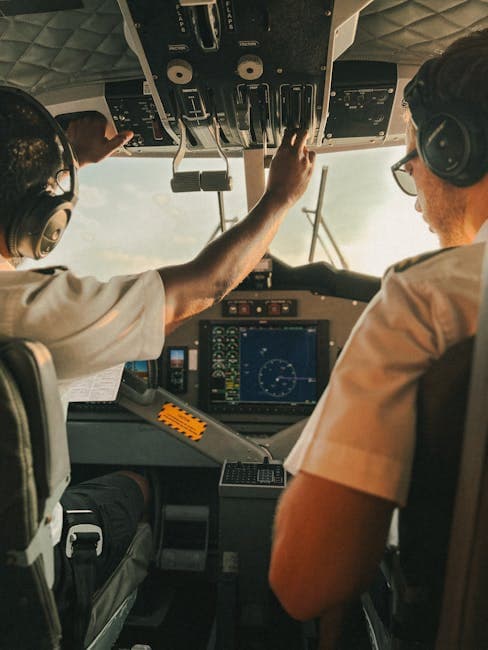
For international students looking to study pilotage, North Cyprus presents a unique and compelling value proposition. The combination of affordable education, a favorable climate for flight training, and internationally recognized qualifications makes it an increasingly popular choice.
Affordable Tuition and Living Costs
One of the primary advantages of studying in North Cyprus is the significantly lower tuition fees compared to institutions in Western Europe or North America. While exact figures vary by university and program, annual tuition for Bachelor's degrees in aviation-related fields typically ranges from $5,000 to $8,000 after scholarships. This affordability extends to living expenses, with student accommodations and daily costs being considerably lower than in many other study-abroad destinations. This financial accessibility allows students to focus on their studies without the immense financial burden often associated with pilot training.
Internationally Recognized Degrees
North Cyprus universities operate under a robust accreditation framework. All degrees are issued with the EU Diploma Supplement. This document, standardized across the European Higher Education Area (EHEA) as part of the Bologna Process, significantly enhances the readability and acceptance of qualifications by European universities for further study and by European employers. This means a pilotage degree from North Cyprus is readily understood and valued across Europe.
Furthermore, these degrees are accredited by the Turkish Council of Higher Education (YÖK), ensuring academic equivalence to degrees from Turkish state universities. This dual recognition — within the EHEA and Turkey — provides graduates with strong international mobility, opening doors for realistic career and further-study opportunities across Europe, Turkey, and globally. For a field like aviation, where international standards and mobility are paramount, this level of recognition is a distinct advantage.
| University | Program (Example) | Annual Tuition (USD, after scholarships) |
|---|---|---|
| University of Kyrenia (UK) | Professional Pilotage (BSc) | $7,000 - $8,500 |
| Near East University (NEU) | Aviation Management (BSc) | $6,500 - $8,000 |
| Eastern Mediterranean University (EMU) | Aviation Management (BSc) | $5,500 - $7,500 |
| Girne American University (GAU) | Professional Pilotage (BSc) | $7,500 - $9,000 |
| Cyprus International University (CIU) | Aviation Management (BSc) | $5,000 - $7,000 |
Top Universities for Pilotage and Aviation Studies in North Cyprus
Several universities in North Cyprus offer excellent programs for students aspiring to study pilotage or pursue careers in aviation management. These institutions provide comprehensive curricula, modern facilities, and experienced faculty.
University of Kyrenia (UK)
The University of Kyrenia (UK) is a prominent institution for aviation studies. Its Faculty of Aviation and Aeronautical Sciences offers a Bachelor of Science in Professional Pilotage, designed to train students to become qualified airline pilots. The program integrates theoretical knowledge with extensive practical flight training, utilizing modern aircraft and state-of-the-art simulators. UK also offers an Aviation Management program, providing a broader understanding of the aviation industry's operational and business aspects.
Girne American University (GAU)
Girne American University (GAU) is another leading choice, offering a Bachelor of Science in Professional Pilotage. GAU's program is structured to meet international aviation standards, preparing graduates for global career opportunities. The curriculum emphasizes hands-on experience, with flight training conducted at affiliated flight schools that adhere to rigorous safety protocols. GAU also provides programs in Aviation Management, focusing on airline operations, airport management, and aviation logistics.
Near East University (NEU)
Near East University (NEU), one of the largest and most established universities in North Cyprus, offers a robust Bachelor of Science in Aviation Management. While not a direct pilotage program, it provides essential knowledge for those interested in the operational, commercial, and administrative sides of aviation. Graduates are well-prepared for roles in airline management, airport operations, and aviation logistics, with a strong foundation that complements pilot training.
Eastern Mediterranean University (EMU) and Cyprus International University (CIU)

Eastern Mediterranean University (EMU) and Cyprus International University (CIU) also offer strong Bachelor of Science programs in Aviation Management. These programs provide a comprehensive understanding of the aviation industry's complex ecosystem, covering areas such as air transportation economics, aviation law, safety management systems, and marketing. While not directly leading to a pilot license, they are ideal for students who wish to combine their passion for aviation with strong business and management skills, often serving as a complementary degree for aspiring pilots or a pathway into other aviation careers.
Life as an Aviation Student in North Cyprus: Beyond the Cockpit
Studying pilotage in North Cyprus offers more than just academic and flight training; it provides a unique cultural experience and a supportive environment for international students. Understanding the practicalities of student life is crucial for a smooth transition.
Student Visa Process
The process for obtaining a student visa for North Cyprus is generally straightforward. Upon receiving an acceptance letter from a university, international students can apply for a student visa. The TRNC Ministry of Foreign Affairs provides detailed guidance. Required documents typically include a valid passport, acceptance letter, proof of financial means, and academic transcripts. Our platform offers comprehensive student visa guidance to assist applicants through each step.
Accommodation Options
North Cyprus universities offer a range of student accommodations, primarily modern dormitory facilities on or near campus. These dorms are typically well-equipped with amenities like Wi-Fi, study areas, and social spaces. Private rental apartments are also available, often at competitive rates, particularly when shared with other students. Universities usually have dedicated international student offices to help with housing arrangements and provide ongoing support.
Support for International Aviation Students
North Cyprus universities are well-versed in supporting international students. Dedicated student support services assist with everything from academic advising and career counselling to social integration and health services. For aviation students, this includes specific guidance related to flight training regulations, medical certifications, and career placement within the global aviation industry. The multicultural environment also fosters a sense of community, with students from over 100 countries creating a vibrant and inclusive campus life.
Navigating the Application Process for Pilot Programs in North Cyprus
Applying to study pilotage or aviation management in North Cyprus is designed to be accessible for international students. The admission policy prioritizes academic merit based on previous qualifications, rather than requiring competitive entrance exams or external English proficiency tests as a barrier to application.
Admission Requirements: A Transcript-Based Approach
North Cyprus universities maintain one of the most open admissions policies in the region. They do not require IELTS, TOEFL, Pearson PTE, Cambridge English, Duolingo English Test, SAT, ACT, GRE, GMAT, or any other standardized entrance exam for admission. Admission decisions are primarily based on the applicant's secondary-school transcript for undergraduate programs, and their bachelor's transcript for graduate programs. This streamlined process means that submitting your academic documents is the key step to receiving an offer.
Applicants who do not already hold an English-language qualification (such as a high school diploma from an English-medium institution) will take an in-house English Proficiency Exam upon arrival at the university. This is a placement test, not an admission gate. Students who do not pass this in-house exam will enter the university's English Preparatory School, typically for one academic year, before commencing their degree program. After completing Prep School, they proceed directly to their chosen program without needing a second admission decision.
Key Application Documents and Deadlines
To start your application, you will typically need:
- A copy of your high school diploma or equivalent certificate.
- Official academic transcripts from your secondary education.
- A copy of your passport's identification page.
- Passport-sized photographs.
Most North Cyprus universities have two main intakes: the Fall semester (starting in September/October) and the Spring semester (starting in February/March). Application deadlines for the Fall intake are typically in late July or August, while Spring intake deadlines are in December or January. It is always advisable to apply well in advance to allow sufficient time for visa processing and accommodation arrangements.
Exploring available scholarships is also highly recommended. North Cyprus universities offer various merit-based scholarships, often covering 25% to 75% of tuition fees, making pilotage and aviation studies even more affordable. Our platform can help you compare every program and scholarship opportunity across North Cyprus universities.
Frequently Asked Questions About Studying Pilotage in North Cyprus
Aviation Programs at North Cyprus Universities
Hand-picked programs from North Cyprus universities you can apply to directly.

Ready to Launch Your Aviation Career?
Let us help you navigate the path to studying pilotage or aviation management in North Cyprus. Discover programs, scholarships, and start your application today.