Study Pilotage in North Cyprus
No IELTS or entrance exam required — admission is based on your transcript.

The Soaring Demand for Aviation Professionals
The aviation sector is experiencing unprecedented growth, driven by increasing air travel demand and the expansion of cargo operations worldwide. According to the International Air Transport Association (IATA), global passenger traffic is expected to double by 2040, necessitating a massive influx of skilled personnel, particularly pilots. This robust demand translates into significant career opportunities for aspiring aviators.
Leading industry forecasts underscore this need. Boeing's 2023-2042 Pilot and Technician Outlook projects a requirement for 602,000 new pilots globally over the next two decades. This isn't merely a statistic; it represents a tangible career pathway for individuals who choose to study pilot programs now. The stability and growth potential of an aviation career make it an attractive option, and North Cyprus universities are positioned to help meet this global demand.
Why Study Pilot in North Cyprus: A Strategic Advantage
Choosing North Cyprus for your pilot training offers a distinct strategic advantage, combining high-quality education with significant affordability. Universities in North Cyprus provide comprehensive aviation programs designed to meet international standards, preparing students for a global career. Beyond the academic rigor, the cost of living and tuition fees are considerably lower than in many traditional aviation training hubs in Europe or North America, making a professional pilot career more accessible.
A key differentiator for North Cyprus degrees, including those in aviation, is their dual international recognition. Graduates receive an EU Diploma Supplement, which standardizes the description of qualifications across the European Higher Education Area. This 'blue diploma' ensures that your pilot degree is readily understood and accepted by European universities for further study and by European employers for professional opportunities. Concurrently, these degrees are accredited by Turkey's Council of Higher Education (YÖK), granting them academic equivalence to degrees from Turkish state universities. This dual accreditation significantly enhances the international mobility and employability of North Cyprus graduates across Europe, Turkey, and beyond, particularly in a globally regulated field like aviation.
The educational framework in North Cyprus aligns with the Bologna Process, a series of agreements aimed at standardizing higher education qualifications across Europe. This alignment ensures that the curriculum and learning outcomes in pilot programs are internationally benchmarked, facilitating seamless integration into the global aviation workforce. For students seeking comprehensive scholarship support, North Cyprus universities also offer various tuition discounts, further enhancing affordability.
Leading Pilot Institutes and Aviation Programs
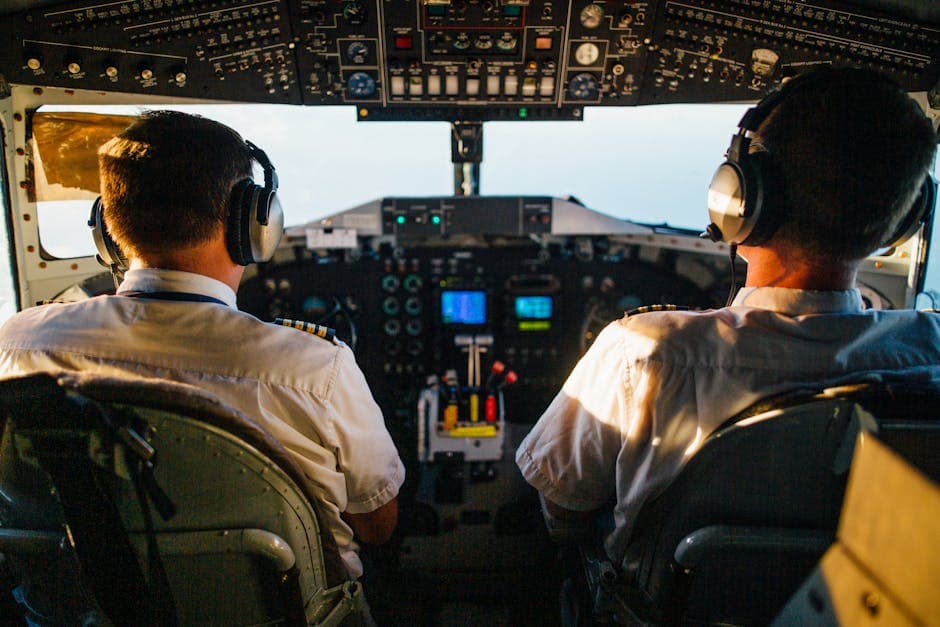
Several prominent institutions in North Cyprus offer robust aviation programs, preparing students for various roles within the industry. Among the most recognized for pilot training are Girne American University (GAU) and University of Kyrenia (UK). Both universities boast state-of-the-art flight training facilities, including modern flight simulators and a fleet of training aircraft, providing hands-on experience crucial for developing competent pilots.
Girne American University, through its School of Aviation, offers a Bachelor of Science in Professional Piloting. This integrated program typically spans four years, combining rigorous academic coursework with practical flight training. Students progress through various license stages, from Private Pilot License (PPL) to Commercial Pilot License (CPL) with Instrument Rating, culminating in the Airline Transport Pilot License (ATPL) theory. Similarly, the University of Kyrenia, known for its strong maritime and aviation focus, provides comprehensive pilot training programs that emphasize safety, professionalism, and adherence to international aviation standards.
These programs are designed not just to teach flying, but to instill a deep understanding of aviation principles, meteorology, air navigation, aircraft systems, and human factors in aviation. Graduates are equipped with both the theoretical knowledge and practical skills required to excel in a demanding and dynamic industry. The practical training often includes extensive hours in both single-engine and multi-engine aircraft, under the guidance of experienced flight instructors.
| University/Region | Annual Tuition (USD) | Scholarship Range | Program Type |
|---|---|---|---|
| Girne American University (GAU) | $10,000 - $12,000 | 25% - 75% | BSc Professional Piloting |
| University of Kyrenia (UK) | $9,500 - $11,500 | 25% - 75% | BSc Professional Piloting |
| Comparable EU/US Institutions | $40,000 - $80,000+ | Limited | Integrated ATPL |
Navigating Pilot Licenses: PPL, CPL, and ATPL Explained
The journey to becoming a professional pilot involves a structured progression through various licenses, each granting different privileges. Understanding these stages is crucial for any aspiring aviator. The primary licenses you will encounter in your study pilot journey are the Private Pilot License (PPL), Commercial Pilot License (CPL), and the Airline Transport Pilot License (ATPL).
Private Pilot License (PPL)
The PPL is the first step, allowing you to fly an aircraft for recreational purposes, carrying passengers but not for hire or reward. It involves approximately 45-60 hours of flight time, including solo flights, and covers basic aerodynamics, navigation, and aviation regulations. This license provides the foundational skills and confidence needed before advancing to professional training.
Commercial Pilot License (CPL)
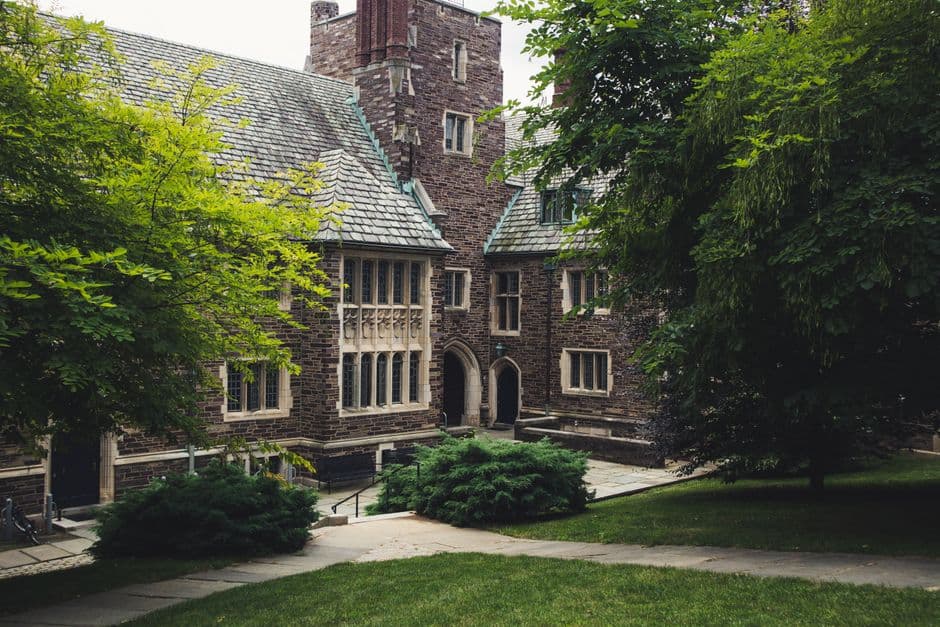
The CPL is the minimum requirement for flying aircraft for compensation or hire. It builds upon the PPL, requiring more advanced flight maneuvers, instrument flying skills, and a deeper understanding of commercial aviation operations. A CPL typically requires around 200-250 hours of flight time. With a CPL, you can work as a flight instructor, charter pilot, or perform aerial work like photography or surveying. Many North Cyprus programs integrate CPL training into their bachelor's degrees, often including an Instrument Rating (IR) which allows flying under Instrument Flight Rules (IFR).
Airline Transport Pilot License (ATPL)
The ATPL is the highest level of pilot certification, required to act as pilot-in-command of an aircraft in commercial air transport. While the full ATPL requires significant flight experience (typically 1,500 hours), integrated pilot programs in North Cyprus, like those at Girne American University and University of Kyrenia, often complete the 'ATPL theory' component. This means you pass the rigorous theoretical exams, and then accumulate the necessary flight hours post-graduation to convert your 'frozen ATPL' into a full ATPL. These programs often align with European Union Aviation Safety Agency (EASA) standards, ensuring broad international recognition of your training.
Streamlined Admission to Pilot Programs in North Cyprus

One of the most compelling advantages of pursuing your pilot training in North Cyprus is the highly accessible admissions process. Unlike many countries that impose stringent language proficiency tests or competitive entrance exams, North Cyprus universities maintain one of the most open admissions policies in the region. This means you do not need to present IELTS, TOEFL, Pearson PTE, Cambridge English, Duolingo English Test, SAT, ACT, GRE, GMAT, or any other standardized external examination for admission to pilot programs.
Admission to pilot programs, even highly competitive ones like those in aviation, is primarily based on your secondary-school academic transcript. For graduate pilot programs (if available), your bachelor's transcript will be the key document. This straightforward approach removes significant barriers for international students, allowing you to focus on your academic preparation rather than test scores. While specific GPA expectations may be higher for pilotage due to its demanding nature, the core principle remains: submit your documents, and you will receive an offer if you meet the academic criteria.
Upon arrival at the university, applicants who do not already hold an English-language qualification (such as a high school diploma from an English-medium institution) will take an in-house English Proficiency Exam. This is a placement test, not an admission gate. If you do not pass this internal exam, you will simply enter the university's English Preparatory School, typically for one academic year, before commencing your degree program. This preparatory year ensures you have the necessary language skills to succeed in your aviation studies, without any second admission decision. Students who already possess an IELTS 5.5 or equivalent may opt to provide this to skip the in-house proficiency exam, but it is never a mandatory requirement for admission.
Key Documents for Your Pilot Program Application
Secondary School Transcript
Official academic records from your high school, showing your grades and courses. For graduate programs, your bachelor's transcript is required.
High School Diploma
A copy of your high school leaving certificate or equivalent qualification.
Passport Copy
A clear, color copy of your valid passport's biographical page.
- •
Passport-sized Photographs
Recent passport-sized photos with a white background.
Medical Certificate (Class 1)
While not always required for initial application, a valid Class 1 medical certificate is essential before commencing flight training. It demonstrates you meet the strict health standards for pilots.
To begin your application process for a pilot program in North Cyprus, simply gather these documents and visit our apply now page. Our advisors are ready to guide you through each step.
Cost-Effectiveness: Pilot Training in North Cyprus
The financial commitment for pilot training can be substantial globally, often ranging from $60,000 to over $100,000 for an integrated ATPL program in countries like the United States, Canada, or Western Europe. In contrast, North Cyprus presents a significantly more affordable alternative without compromising on the quality or international recognition of the training. The annual tuition fees for a Bachelor of Science in Professional Piloting at institutions like Girne American University or University of Kyrenia typically range from $9,500 to $12,000, as highlighted in the table above. This is a fraction of the cost found in many other aviation training hubs.
Beyond tuition, the cost of living in North Cyprus is remarkably student-friendly. International students can expect monthly living expenses, including accommodation, food, transportation, and personal costs, to average between $400 and $600. This contrasts sharply with major cities in the UK, US, or Australia, where similar expenses can easily exceed $1,200 to $2,000 per month. This affordability extends to student accommodations, with many universities offering modern dormitory options at competitive rates. For a detailed breakdown of expenses, refer to our student living cost guide.
Furthermore, North Cyprus universities are committed to making education accessible. Most international students receive a tuition scholarship, often ranging from 25% to 75% of the standard fees. These scholarships are typically applied automatically upon admission, significantly reducing the financial burden and making pilot training a realistic goal for a wider range of aspiring aviators. This combination of lower tuition, generous scholarships, and affordable living expenses positions North Cyprus as an exceptionally cost-effective destination for pilot education.
Launching Your Career: Employability and Global Recognition
Graduates of pilot programs in North Cyprus are well-positioned for diverse career opportunities within the global aviation industry. The comprehensive training, combined with the international recognition of their degrees, ensures strong employability. The EU Diploma Supplement, issued with every degree, acts as a transparent and standardized description of your qualification, making it easily understood by employers and regulatory bodies across Europe and beyond. This is a critical advantage in a profession that frequently involves international travel and cross-border operations.
Furthermore, the accreditation by YÖK (Turkish Council of Higher Education) provides a strong foundation for career opportunities in Turkey, a significant regional aviation market. This dual recognition means that whether you aspire to fly for major international airlines, cargo carriers, or corporate aviation departments, your North Cyprus qualification holds substantial weight. The rigorous training received at institutions like University of Kyrenia prepares you for roles such as airline pilot, cargo pilot, flight instructor, or even in aviation management and operations.
The growing demand for pilots globally ensures that graduates with internationally recognized qualifications are highly sought after. North Cyprus degrees provide the academic and practical foundation, coupled with the essential international portability, to launch a successful and rewarding career in the skies. The TRNC Ministry of Foreign Affairs actively works to foster international relations, indirectly supporting the global recognition of its educational institutions and the mobility of its graduates.
Frequently Asked Questions About Studying Pilot in North Cyprus
Explore Aviation Programs in North Cyprus
Hand-picked programs from North Cyprus universities you can apply to directly.

Ready to Launch Your Aviation Career?
Your journey to becoming a professional pilot starts here. Explore our partner universities and their world-class pilot training programs.