
Featured programs you can apply to
No IELTS or entrance exam required — admission is based on your transcript.


The Enduring Relevance of Electrical Engineering in a Connected World

Electrical engineering stands as a foundational discipline, powering virtually every aspect of modern life. From the intricate microprocessors in our smartphones to the vast grids distributing electricity across continents, electrical engineers are the architects of the systems that define our technological landscape. This field encompasses diverse specializations, including power generation and distribution, electronics, telecommunications, control systems, and signal processing. As societies increasingly rely on smart technologies, sustainable energy solutions, and advanced automation, the demand for skilled electrical engineers continues to expand globally.
For international students considering a career that offers both intellectual challenge and significant impact, electrical engineering presents a compelling choice. The curriculum typically blends theoretical physics and mathematics with practical design and problem-solving, preparing graduates to innovate across industries ranging from automotive and aerospace to healthcare and information technology. Pursuing this degree in an English-medium environment like North Cyprus offers a distinct advantage, providing access to internationally recognized programs and a diverse student body.
Why North Cyprus Excels for Electrical Engineering Studies
North Cyprus has rapidly emerged as a prominent hub for higher education, particularly in engineering disciplines. Its universities offer a compelling combination of academic rigor, multicultural environments, and affordability, making it an attractive destination for aspiring electrical engineers worldwide. The higher education system in North Cyprus operates under the supervision of the Higher Education Planning, Evaluation, Accreditation and Coordination Council (YÖDAK) and aligns with the Turkish Council of Higher Education (YÖK) standards, ensuring degrees are widely recognized internationally. Furthermore, adherence to the Bologna Process facilitates degree recognition across Europe and beyond, often complemented by an EU Diploma Supplement.
The universities in North Cyprus are committed to providing English-taught programs, eliminating language barriers for international students. This focus on English instruction, combined with state-of-the-art laboratory facilities and experienced faculty, creates an ideal learning environment. Institutions like Eastern Mediterranean University (EMU), Near East University (NEU), and Cyprus International University (CIU) are particularly renowned for their robust Electrical and Electronics Engineering departments, offering comprehensive curricula that cover both theoretical foundations and practical applications.
Accreditation and Global Recognition

The quality of Electrical Engineering programs in North Cyprus is consistently monitored. For instance, many engineering programs are accredited by ABET (Accreditation Board for Engineering and Technology) or equivalent international bodies, ensuring that graduates possess skills and knowledge that meet global industry standards. This rigorous accreditation process means that a degree earned in North Cyprus is not just a local credential but a passport to international career opportunities. Students can verify specific program accreditations directly on university websites or through the official YÖDAK portal at yodak.gov.ct.tr.
Bachelor's Programs in Electrical and Electronics Engineering
A Bachelor of Science (B.Sc.) in Electrical and Electronics Engineering typically spans four academic years, comprising eight semesters. The curriculum is designed to provide a strong foundation in core electrical engineering principles while allowing for specialization in later years. Common course modules include circuit analysis, digital logic design, electromagnetics, power systems, control theory, microprocessors, and communication systems. Practical laboratory work and project-based learning are integral components, equipping students with hands-on experience using industry-standard tools and software.
Several North Cyprus universities offer highly-regarded Electrical and Electronics Engineering programs:
- Eastern Mediterranean University (EMU): EMU's Faculty of Engineering is a long-established institution, with its Electrical and Electronics Engineering program boasting strong international faculty and research opportunities.
- Near East University (NEU): NEU's Faculty of Engineering is known for its extensive campus facilities, including specialized laboratories for power electronics, telecommunications, and control systems.
- Cyprus International University (CIU): CIU offers a modern curriculum with a focus on sustainable energy systems and smart grid technologies within its Electrical and Electronics Engineering program.
- Girne American University (GAU): GAU provides an Electrical and Electronics Engineering program that emphasizes practical application and industry collaboration, preparing students for immediate employment.
- European University of Lefke (EUL): EUL's program integrates theoretical knowledge with hands-on experience, focusing on areas like renewable energy and embedded systems.
These programs prepare graduates for a wide array of roles, from design and development to research and project management in various sectors.
Key Learning Outcomes in Electrical Engineering
Circuit Design & Analysis
Proficiency in designing, analyzing, and troubleshooting analog and digital electronic circuits.
Electromagnetics
Understanding of electromagnetic theory and its applications in devices like antennas, sensors, and communication systems.
Power Systems
Knowledge of power generation, transmission, distribution, and the integration of renewable energy sources.
Control Systems
Ability to design and implement control systems for automation, robotics, and industrial processes.
Digital Signal Processing
Skills in processing and analyzing signals for applications in telecommunications, audio, and image processing.
Admission Requirements and Application Process
One of the most significant advantages of studying in North Cyprus for international students is the highly accessible admissions policy. North Cyprus universities do not require external English language proficiency tests such as IELTS, TOEFL, Pearson PTE, or Cambridge English. They also do not require standardized entrance exams like SAT, ACT, GRE, or GMAT for admission to Electrical Engineering programs.
Admission is primarily based on your secondary-school academic transcript. For postgraduate Electrical Engineering programs (Master's or PhD), your bachelor's transcript is the key document. This streamlined process means that qualified applicants can secure an offer of admission by submitting their academic documents. Students who hold an IELTS score of 5.5 or equivalent may submit it to be exempted from the university's in-house English Proficiency Exam. Otherwise, all admitted students take a placement test upon arrival. Those who do not pass enter a one-year English Preparatory School before commencing their degree program, ensuring they have the necessary language skills for academic success.
Required Documents for Application

To begin your application for an Electrical Engineering program, you will typically need the following documents:
- High School Diploma or equivalent (e.g., WAEC, NECO, A-Levels, IB Diploma)
- Official High School Transcripts (academic records)
- Copy of Passport (valid for at least 6 months)
- Passport-sized Photographs
- Application Form (completed online or provided by the university)
For Master's or PhD programs, you will also need your Bachelor's degree certificate and transcripts. Some universities may request a Statement of Purpose or Letters of Recommendation, though this is less common for undergraduate admissions. You can start your application today through our apply now portal.
Tuition Fees and Scholarship Opportunities
Studying Electrical Engineering in North Cyprus is remarkably affordable compared to many Western countries. Tuition fees for Bachelor's programs in Electrical and Electronics Engineering typically range from $5,000 to $7,500 USD per academic year after scholarships. These figures represent the heavily discounted rates available to international students, as North Cyprus universities are keen to attract a diverse global talent pool.
Scholarships are a cornerstone of the North Cyprus education system, with most international students receiving significant tuition fee reductions. These scholarships are often merit-based, automatically applied upon admission, and can cover anywhere from 25% to 75% of the tuition fees. Some universities, such as Near East University (NEU) and Cyprus International University (CIU), are known for offering competitive scholarship packages to high-achieving applicants. It is advisable to check the specific scholarship policies of each university you are interested in, as these can vary. Our scholarship support page provides further details on available funding.
| University | Annual Tuition (USD) | Typical Scholarship Range |
|---|---|---|
| Eastern Mediterranean University (EMU) | $6,800 - $7,500 | 50% - 75% |
| Near East University (NEU) | $5,500 - $6,500 | 50% - 75% |
| Cyprus International University (CIU) | $5,000 - $6,000 | 50% - 75% |
| Girne American University (GAU) | $6,000 - $7,000 | 50% - 70% |
| European University of Lefke (EUL) | $5,200 - $6,200 | 50% - 70% |
| Bahçeşehir Cyprus University (BAU-CY) | $6,500 - $7,200 | 50% - 70% |
Career Prospects for Electrical Engineering Graduates
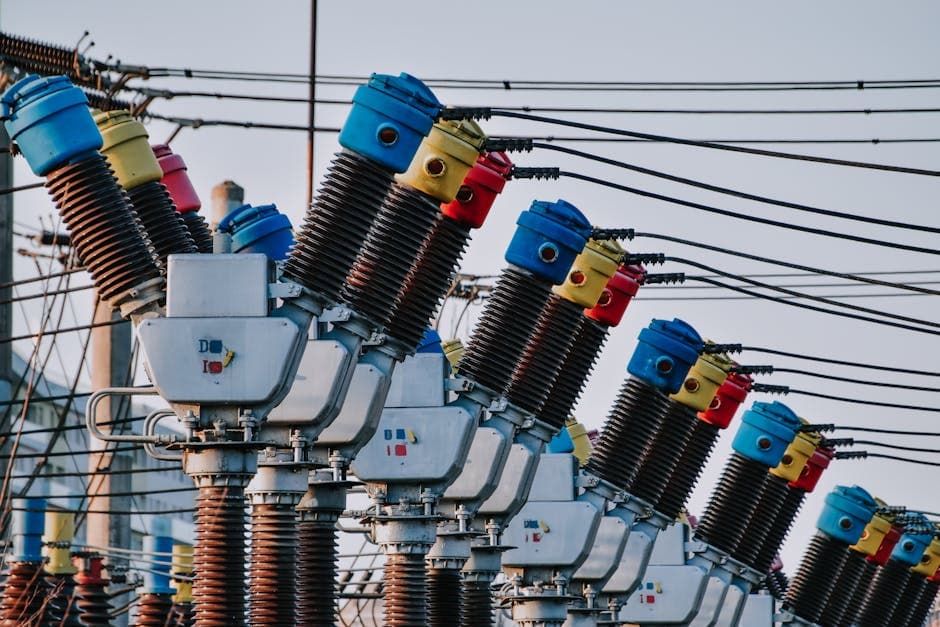
A degree in Electrical Engineering from a North Cyprus university opens doors to a vast array of career opportunities worldwide. Graduates are equipped with highly transferable skills that are in demand across numerous industries. The global market for electrical engineers is robust, driven by continuous innovation in areas such as renewable energy, automation, telecommunications, and smart infrastructure. According to the OECD Education at a Glance reports, STEM graduates, including electrical engineers, consistently command higher salaries and experience lower unemployment rates.
Common career paths for Electrical Engineering graduates include:
- Electronics Engineer: Designing, developing, and testing electronic components and systems.
- Power Systems Engineer: Working on the generation, transmission, and distribution of electrical power, including renewable energy projects.
- Control Systems Engineer: Developing automated systems for manufacturing, robotics, and industrial processes.
- Telecommunications Engineer: Designing and managing communication networks, from mobile to satellite systems.
- Embedded Systems Engineer: Developing hardware and software for specialized computer systems within larger devices.
- Research and Development Engineer: Innovating new technologies and improving existing ones in various sectors.
Many graduates find employment in multinational corporations, government agencies, and research institutions, or even venture into entrepreneurship, leveraging their technical expertise to create new solutions.
Student Life and Support Services
Beyond academics, North Cyprus offers a vibrant and welcoming environment for international students. The island's Mediterranean climate, rich history, and diverse cultural scene provide a unique backdrop for student life. Universities in North Cyprus are well-equipped with modern student accommodations, sports facilities, student clubs, and cultural activities, ensuring a well-rounded experience. The cost of living is generally lower than in many European countries, making it an even more attractive option for budget-conscious students.
Universities provide extensive support services tailored for international students, including orientation programs, academic advising, and visa guidance. Many institutions also offer career counselling and internship placement assistance, helping students bridge the gap between academia and the professional world. The multicultural campus environments foster global networking opportunities, allowing students to interact with peers from over 100 different countries, enriching their educational journey and broadening their perspectives.
Choosing Your Electrical Engineering Program
When selecting an Electrical Engineering program in North Cyprus, consider factors such as specific program specializations (e.g., power electronics, telecommunications, control systems), faculty expertise, research opportunities, and laboratory facilities. Reviewing the curriculum details on university websites can help you identify programs that align with your career aspirations. For example, if you are particularly interested in renewable energy, you might look for programs with strong modules or research groups in that area.
Intake months for most Bachelor's programs are typically September (Fall semester) and February (Spring semester). Some universities may also offer a limited intake in the summer. It is always best to check the specific academic calendar of your chosen university and apply well in advance to ensure you meet all deadlines for admission and scholarship consideration. Exploring our comprehensive list of North Cyprus universities can help you make an informed decision.
Frequently Asked Questions About Studying Electrical Engineering in North Cyprus
Explore Bachelor's Engineering Programs
Hand-picked programs from North Cyprus universities you can apply to directly.

Ready to Power Your Future with Electrical Engineering?
Let us help you navigate the options and find the perfect Electrical Engineering program in North Cyprus that matches your academic profile and career ambitions.