Study Pilotage in North Cyprus
No IELTS or entrance exam required — admission is based on your transcript.

The Dream of Flight: Why PPL Training Matters
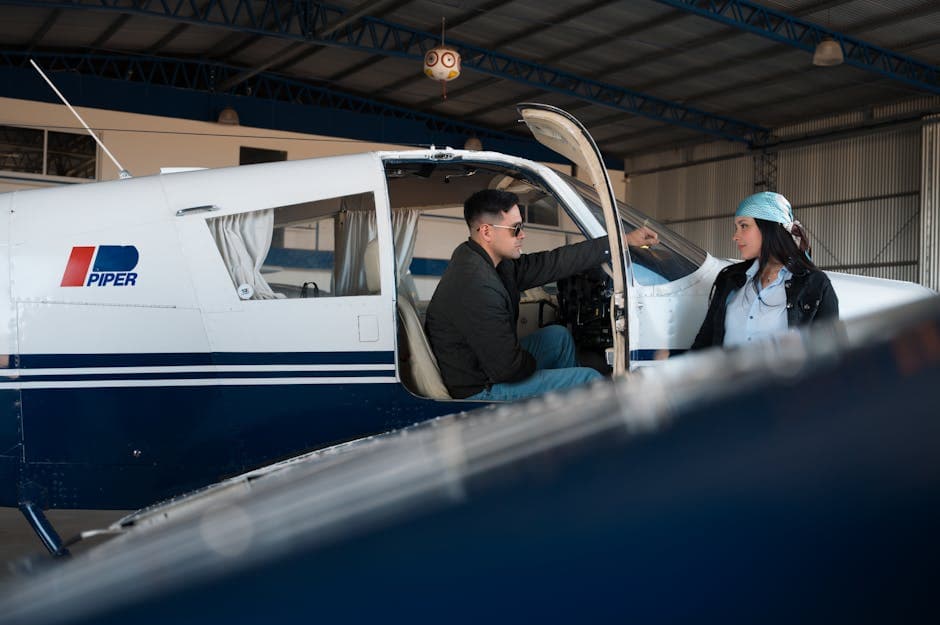
For many, the allure of flying is a lifelong dream. The Private Pilot License (PPL) is the entry point into this world, allowing individuals to fly an aircraft for personal use, carry passengers, and gain invaluable experience that forms the bedrock of any aviation career. It's more than just a license; it's a comprehensive educational experience that instills discipline, critical thinking, and a profound understanding of aeronautical principles. The journey of ppl traiing is rigorous, combining theoretical knowledge with practical flight hours, preparing you for the responsibilities of commanding an aircraft.
The aviation industry is dynamic and growing, with projections from the International Civil Aviation Organization (ICAO) consistently highlighting the need for new pilots. Whether your ambition is to fly commercially, pursue advanced ratings, or simply enjoy the freedom of recreational flight, the PPL is the essential first credential. Understanding its requirements, costs, and the best places for training is paramount for aspiring aviators.
What is a Private Pilot License (PPL)?
A Private Pilot License (PPL) permits the holder to act as pilot-in-command of an aircraft for non-commercial purposes. This means you can fly for leisure, take friends or family on trips, and build flight hours towards more advanced certifications like the Commercial Pilot License (CPL) or Airline Transport Pilot License (ATPL). The PPL is universally recognized, though specific regulations and training requirements can vary slightly by country, typically adhering to standards set by the International Civil Aviation Organization (ICAO).
The training for a PPL is broadly divided into two components: ground school and flight training. Ground school covers theoretical subjects such as aerodynamics, aircraft systems, meteorology, navigation, flight planning, and aviation regulations. Flight training involves dual instruction with a certified flight instructor and solo flight hours, where you apply the theoretical knowledge in a real aircraft. Successful completion culminates in a practical flight test (checkride) and a written examination.
Steps to Obtain Your PPL
Your Journey to a Private Pilot License
Meet Eligibility Requirements
Typically, you must be at least 17 years old to obtain the license (training can begin earlier) and be able to read, speak, and understand English. A medical certificate from an aviation medical examiner is also mandatory, ensuring you meet the physical and mental standards for safe flight.
Ground School Training
This phase covers all theoretical aspects of flight. It can be completed through formal classroom instruction, online courses, or self-study. Key topics include principles of flight, aircraft performance, airspace regulations, and weather interpretation. Many universities offering aviation programs, such as the University of Kyrenia, integrate ground school directly into their pilotage degree curricula.
Pass the Written Exam
After completing ground school, you must pass a comprehensive written examination demonstrating your theoretical knowledge. This exam assesses your understanding of all subjects covered in ground school.
Flight Training (Minimum Hours)
This is the practical component. While specific minimums vary by country (e.g., 40 hours in the USA, 45 hours in Europe), it generally includes dual instruction with a certified flight instructor, solo flight time, cross-country flights, and night flying. You'll learn maneuvers, takeoffs, landings, navigation, and emergency procedures.
Pass the Practical Flight Test (Checkride)
The final step is a practical examination with an authorized examiner. This involves both an oral examination of your knowledge and a flight test where you demonstrate your piloting skills and ability to safely operate an aircraft under various conditions.
Cost of PPL Training: A Global Perspective
The cost of obtaining a PPL can vary significantly depending on the region, the flight school, the type of aircraft used for training, and how quickly a student progresses. It's a substantial investment, but one that opens doors to a rewarding career or hobby. Understanding these variations is crucial for planning your aviation education.
In North America, particularly the United States, PPL training typically ranges from $10,000 to $15,000 USD. This often includes flight hours, instructor fees, ground school materials, and examiner fees. European countries, while offering high-quality training, can have higher costs, often ranging from €12,000 to €20,000 (approximately $13,000 to $22,000 USD) due to higher operational expenses and taxes. Regions in Asia and the Middle East can present a wider range, with some schools offering competitive pricing, while others align with Western costs. These figures are illustrative and subject to change based on fuel prices, aircraft maintenance, and regulatory updates.
| Region | Estimated Cost Range (USD) |
|---|---|
| United States | $10,000 - $15,000 |
| Europe (e.g., UK, Germany) | $13,000 - $22,000 |
| Australia/New Zealand | $12,000 - $18,000 |
| North Cyprus | Significantly competitive (typically lower than EU/US) |
Why Consider North Cyprus for PPL Training?
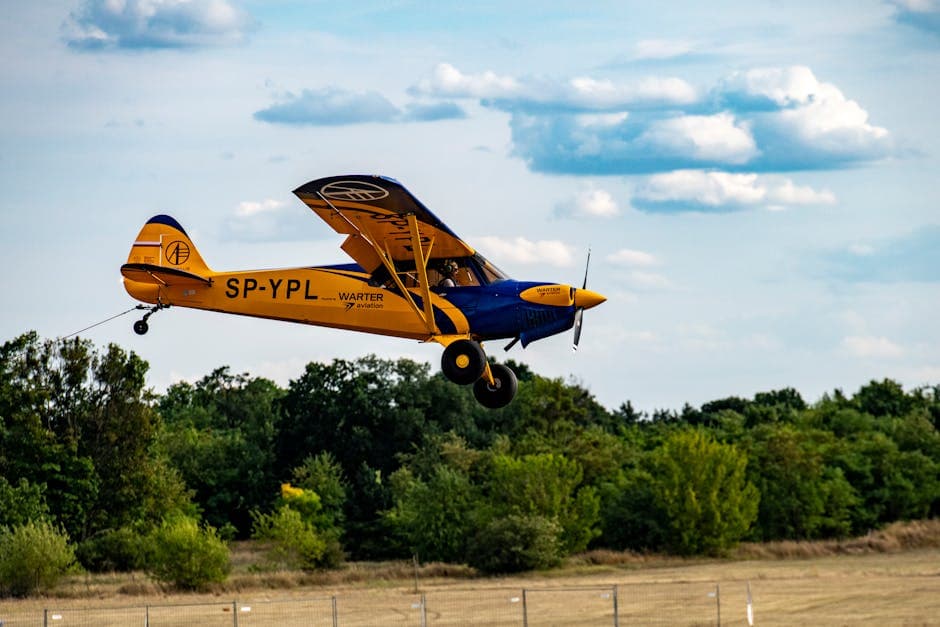
North Cyprus is emerging as an attractive destination for international students seeking high-quality education at competitive costs, and this extends to specialized fields like aviation. Universities in North Cyprus, such as the University of Kyrenia (UK) and Near East University (NEU), offer comprehensive pilotage programs that integrate PPL training into their bachelor's degree curricula. This approach provides students with a holistic education, combining theoretical aviation science with practical flight experience, leading to a globally recognized degree.
One of the primary advantages is the affordability. While specific PPL training costs integrated into a degree program can vary, the overall tuition fees for higher education in North Cyprus are generally more competitive than in many Western countries. This makes the dream of becoming a pilot more accessible without compromising on educational quality. Furthermore, the favorable flying weather conditions throughout much of the year in North Cyprus allow for consistent flight training, potentially reducing the overall time needed to complete the practical hours.
International Recognition and Employability
A critical factor for any international student is the global recognition of their qualification. North Cyprus universities offer degrees that are issued with the EU Diploma Supplement. This 'blue diploma' significantly enhances the readability and acceptance of your qualification across the European Higher Education Area (EHEA). For aspiring pilots, this means your degree and associated flight training credentials are well-understood by European aviation authorities and employers, facilitating further study or career opportunities within Europe.
In addition to EU recognition, degrees from North Cyprus universities are accredited by Turkey's Council of Higher Education (YÖK). This accreditation ensures academic equivalence to degrees from Turkish state universities, providing a strong foundation for those considering living, studying, or working in Turkey. The dual accreditation from the EU Diploma Supplement and YÖK provides graduates with exceptional international mobility, creating realistic career and further-study opportunities across Europe, Turkey, and globally, particularly in a field with cross-border professional standards like aviation.
Leading Aviation Programs in North Cyprus

Several North Cyprus universities have invested significantly in developing robust aviation programs. The University of Kyrenia (UK) is particularly renowned for its Faculty of Aviation and Space Sciences, offering a Bachelor of Science in Professional Flight Training (Pilotage). This program is designed to train future airline pilots, integrating theoretical knowledge with extensive practical flight training. Students engage in ground school, simulator training, and actual flight hours, often leading to a PPL, CPL, and ATPL frozen upon graduation.
Similarly, Near East University (NEU) offers an Aviation School with various programs, including Pilotage. NEU's facilities are modern, providing students with access to advanced flight simulators and experienced instructors. These programs are structured to meet international aviation standards, ensuring that graduates are well-prepared for the demands of the global aviation industry. Other institutions like Girne American University (GAU) and Eastern Mediterranean University (EMU) also offer aviation-related degrees, though UK and NEU are prominent for direct pilot training.
Navigating Admissions and Scholarships for Pilot Training
One of the most appealing aspects of studying in North Cyprus, especially for international students, is the straightforward admissions process. North Cyprus universities maintain one of the most open admissions policies in the region. They do not require IELTS, TOEFL, or any other external English-language proficiency exam for admission. Similarly, standardized entrance exams like SAT, ACT, GRE, or GMAT are not required. Admission is primarily based on your secondary-school transcript, and for graduate programs, your bachelor's transcript. This significantly reduces the barriers to entry for aspiring pilots from around the world.
Upon arrival, applicants who do not already hold an English-language qualification (such as an IELTS 5.5 or equivalent, which is optional to provide) will take an in-house English Proficiency Exam. This is a placement test, not an admission gate. If you do not pass this internal exam, you will enter the university's English Preparatory School, typically for one academic year, before commencing your degree program. This ensures all students have the necessary language skills to succeed without delaying their academic journey. You can explore more about the application process and required documents on our apply now page.
Scholarship Opportunities
North Cyprus universities are committed to making education accessible. Most institutions, including the Cyprus International University (CIU), Eastern Mediterranean University (EMU), and the University of Kyrenia, offer generous scholarships to international students. These often range from 25% to 75% tuition fee waivers, significantly reducing the financial burden. Some universities may even offer 100% scholarships for exceptional academic performance or specific programs. These scholarships are typically awarded based on academic merit from your previous studies. Information on available scholarships can be found on our scholarship support section.
Intake months for pilotage programs generally align with the standard academic calendar, with major intakes in September/October for the Fall semester and February/March for the Spring semester. Prospective students are encouraged to apply well in advance to secure their spot and maximize their chances for scholarships. Our platform provides comprehensive student visa guidance to help you navigate the necessary procedures for studying in North Cyprus.
Frequently Asked Questions About PPL Training in North Cyprus
Explore Aviation Programs in North Cyprus
Hand-picked programs from North Cyprus universities you can apply to directly.

Ready to Start Your Aviation Career?
Discover world-class pilotage and aviation programs in North Cyprus. Let us help you find the perfect university to launch your journey into the skies.