
Study Pilotage in North Cyprus
No IELTS or entrance exam required — admission is based on your transcript.

The Rise of ATPL Online Pilot School: A Flexible Path to the Cockpit

The Airline Transport Pilot License (ATPL) is the highest level of aircraft pilot certification, required for commanding multi-crew, multi-engine aircraft in commercial air transport. Traditionally, obtaining an ATPL involved extensive classroom-based theoretical instruction. However, the landscape of pilot training has evolved significantly, with ATPL online pilot school options gaining prominence.
Online ATPL theory courses allow aspiring pilots to complete the demanding theoretical component of their training remotely, offering unparalleled flexibility. This model is particularly appealing to students balancing other commitments or those who prefer a self-paced learning environment. The rigorous curriculum covers 14 subjects, including Air Law, Aircraft General Knowledge, Flight Planning, Meteorology, Human Performance, and Navigation, all designed to meet the stringent standards set by regulatory bodies like the European Union Aviation Safety Agency (EASA).
How ATPL Online Courses Work: Structure and Delivery
An ATPL online pilot school program typically divides the 14 theoretical subjects into modules. Students engage with interactive learning materials, participate in virtual classroom sessions, and complete regular progress tests. While the theoretical instruction is delivered online, it must be overseen by an approved training organization (ATO) to ensure compliance with EASA regulations. This structure ensures that despite the remote learning format, students receive comprehensive and accredited education.
The online phase culminates in official EASA theoretical examinations, which must be passed before a student can progress to practical flight training. This blended approach—online theory followed by hands-on flight instruction—has made pilot training more accessible to a global cohort of students, including those considering international study destinations like North Cyprus.
Advantages and Considerations of Online ATPL Theory Training

Key Aspects of ATPL Online Pilot School
Flexibility and Self-Paced Learning
Online programs allow students to study at their own pace and schedule, fitting training around existing work or personal commitments. This reduces the need for relocation during the theory phase, offering significant convenience.
Cost-Effectiveness
Online theory courses often have lower tuition fees compared to traditional classroom settings. Additionally, students save on living expenses and relocation costs during the theoretical phase of their training.
Global Accessibility
Students from anywhere in the world can access high-quality ATPL theoretical instruction, broadening opportunities for international students to pursue their aviation dreams.
- •
Self-Discipline Required
While flexible, online learning demands strong self-motivation and discipline. Students must manage their time effectively and proactively engage with the material without constant direct supervision.
Practical Training Still Essential
It's crucial to remember that online ATPL covers only the theory. The practical flight training, including simulator sessions and actual flying hours, must still be completed in person at an EASA-approved Flight Training Organization (FTO).
Choosing the Right Pilot School: Beyond the Online Component
Selecting a pilot school, whether for online theory or integrated practical training, requires careful consideration of several critical factors. Accreditation is paramount; ensure the institution and its programs are recognized by relevant national and international bodies. In North Cyprus, universities are accredited by the Higher Education Planning, Evaluation, Accreditation and Coordination Council (YÖDAK) and also by Turkey's Council of Higher Education (YÖK), ensuring academic equivalence to Turkish state-university degrees.
Beyond accreditation, evaluate the quality of the flight training fleet, including the types of aircraft and their maintenance records. The experience and qualifications of flight instructors are equally vital, as they directly impact the quality of practical skill development. Furthermore, consider the availability of modern flight simulators, which are essential for advanced training scenarios and emergency procedure drills. Some universities, particularly those in North Cyprus, offer comprehensive programs that integrate both theoretical and practical components, often through partnerships with or ownership of dedicated flight schools.
North Cyprus Universities: Integrating ATPL Theory into Aviation Degrees
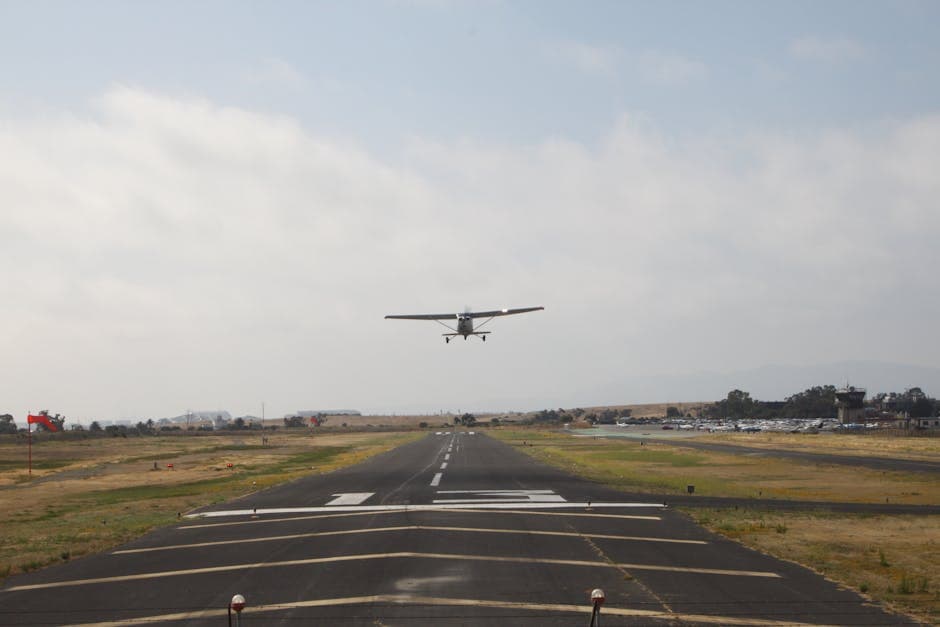
North Cyprus has emerged as an attractive destination for aviation students, with several universities offering robust programs that often incorporate ATPL theoretical knowledge instruction. Universities like the University of Kyrenia (UK) and Near East University (NEU) stand out for their commitment to aviation education. The University of Kyrenia, for instance, offers a BSc in Professional Pilotage, designed to equip students with both academic knowledge and practical flying skills, often in collaboration with its own EASA-approved flight training organization.
These programs blend the academic rigor of a university degree with the specialized training required for an ATPL. Graduates receive a university degree issued with the EU Diploma Supplement. This 'blue diploma' signals recognition within the European Higher Education Area, making the qualification readable and accepted by European universities for further study and by European employers for work. This strong international mobility is a significant advantage for aspiring pilots seeking global career opportunities.
The degrees are also accredited by YÖK, Turkey's Council of Higher Education, providing academic equivalence to Turkish state-university degrees. This dual accreditation from YÖDAK and YÖK, coupled with the EU Diploma Supplement, provides North Cyprus aviation graduates with credible, evidenced advantages for careers across Europe, Turkey, and beyond. For example, a pilot graduating from the University of Kyrenia with a Professional Pilotage degree would hold a qualification recognized for both academic progression and professional employment in a wide array of international contexts.
Admission to Pilot Programs in North Cyprus: A Clear Pathway
One of the most compelling aspects of studying in North Cyprus is the highly accessible admissions policy. North Cyprus universities, including those offering competitive programs like Professional Pilotage, DO NOT require external English-language proficiency exams such as IELTS, TOEFL, Pearson PTE, or Cambridge English. They also DO NOT require standardized entrance exams like SAT, ACT, GRE, or GMAT, nor do they administer a competitive entrance exam at the application stage.
Admission to aviation programs is primarily based on the applicant's secondary-school transcript. Prospective students submit their academic documents, and if they meet the GPA expectations for the chosen program, they receive an offer. Applicants who do not already hold an English-language qualification (e.g., a high school diploma from an English-medium institution) take an in-house English Proficiency Exam upon arrival at the university. This is a placement test, not an admission gate. Those who do not pass enter the university's English Preparatory School, typically for one academic year, before commencing their degree program. This policy ensures that language proficiency is developed without creating an initial barrier to admission.
Cost Comparison: Pilot Training in North Cyprus vs. International Hubs
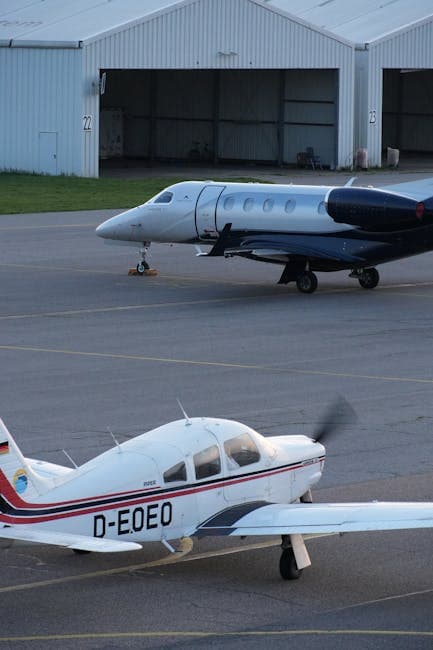
The cost of pilot training is a significant factor for many aspiring aviators. North Cyprus offers a highly competitive option compared to traditional aviation training hubs in North America or Western Europe. While exact figures vary by university and specific program structure, the overall cost of a Professional Pilotage degree, which includes ATPL theory and practical flight training, is generally more affordable.
For example, a full bachelor's degree in Professional Pilotage at a North Cyprus university, which integrates ATPL theory and practical flight hours, might range from $35,000 to $60,000 for the entire program (excluding living costs). This often represents a substantial saving compared to similar programs in the USA or UK, where total costs can easily exceed $80,000 to $120,000. Furthermore, North Cyprus universities offer generous scholarships, often covering 50% or even 75% of tuition fees for international students, significantly reducing the financial burden. This makes studying aviation in North Cyprus an attractive proposition for students seeking quality education at a reasonable price.
| Region | Estimated Total Program Cost (USD) | Typical Scholarship Availability |
|---|---|---|
| North Cyprus (e.g., UK, NEU) | $35,000 - $60,000 | 50% - 75% tuition scholarships |
| USA (Private Flight School) | $80,000 - $120,000+ | Limited, often merit-based |
| UK (Integrated ATPL Program) | £80,000 - £120,000 ($100,000 - $150,000+) | Very limited |
| Western Europe (e.g., Spain, Germany) | €70,000 - €100,000 ($75,000 - $110,000+) | Limited |
EASA Licensing and International Recognition for North Cyprus Graduates
For international students, understanding the licensing framework is crucial. While ATPL online pilot school covers the theoretical component, the practical flight training must be conducted at an EASA-approved Flight Training Organization (FTO). Many North Cyprus universities offering pilotage programs, such as the University of Kyrenia, have their own EASA-approved FTOs or strong partnerships to facilitate this essential practical phase.
Upon successful completion of both theoretical exams and practical flight tests, graduates can apply for their EASA ATPL. The academic degree obtained from a North Cyprus university, bolstered by the EU Diploma Supplement and YÖK accreditation, provides a strong foundation for career mobility. This means that not only is the pilot license recognized, but the underlying academic qualification is also understood and accepted across the European Higher Education Area and in Turkey, facilitating further education or employment in related aviation management roles. The TRNC Ministry of National Education oversees local educational standards, ensuring quality and compliance.
Career Prospects and Global Mobility for North Cyprus Aviation Graduates
Graduating from a North Cyprus pilot school with an EASA ATPL and a university degree offers significant career advantages. The global aviation industry is constantly expanding, with airlines, cargo operators, and corporate aviation firms actively recruiting qualified pilots. The international recognition afforded by the EU Diploma Supplement and YÖK accreditation means that a degree from a North Cyprus university is a credible credential in the global job market.
Pilots trained in North Cyprus are well-positioned for roles with European airlines, Turkish carriers, and other international operators. The combination of rigorous EASA-compliant training and a recognized academic degree enhances employability, providing graduates with a competitive edge. Beyond the cockpit, the academic foundation can also open doors to roles in aviation management, operations, and safety, offering diverse career pathways within the dynamic aviation sector. Students can explore aviation programs and learn more about scholarship support to make their dreams a reality.
Frequently Asked Questions About ATPL Online Pilot School and North Cyprus
Explore Aviation Programs in North Cyprus
Hand-picked programs from North Cyprus universities you can apply to directly.

Ready to Launch Your Aviation Career?
Discover top-tier pilot programs and aviation degrees in North Cyprus. Start your application today and take the first step towards becoming a global aviator.