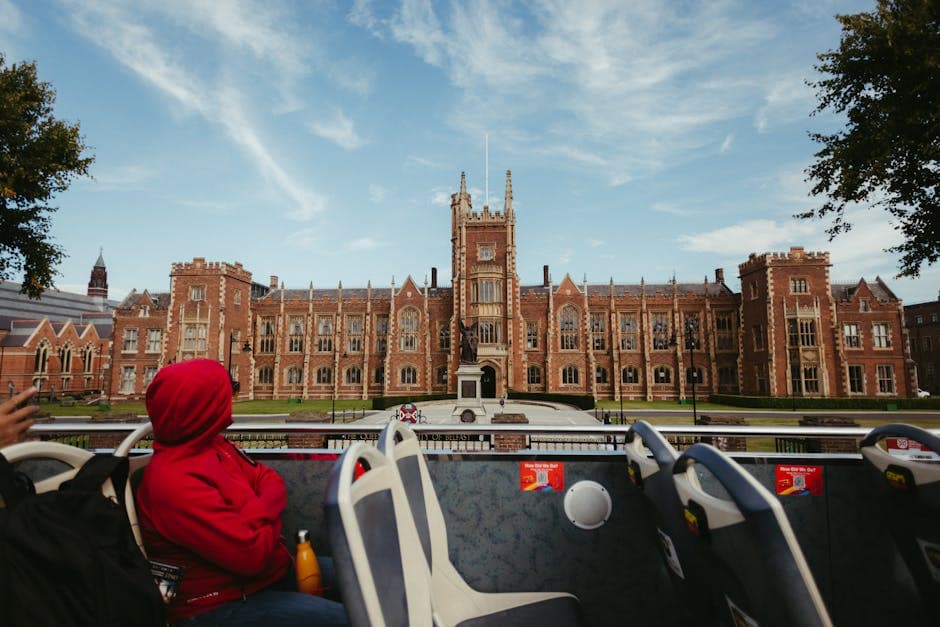
Understanding the True Cost of Studying in Australia

For decades, Australia has been a top-tier destination for international education, famed for its world-class universities, vibrant cities, and high quality of life. However, this prestige comes at a significant price. The australia living cost for international students is among the highest in the world, a factor that requires careful and realistic financial planning. Before dreaming of the Sydney Opera House or Melbourne's laneway cafes, it's crucial to understand the numbers that will define your daily life.
The Australian government mandates that prospective students demonstrate access to sufficient funds to cover their expenses. This isn't just a formality; it's a reflection of the real-world costs on the ground. While the official figure provides a baseline, students in major metropolitan areas like Sydney, Melbourne, and Brisbane often find their actual expenses exceed this minimum. Factors like accommodation scarcity, rising inflation, and fluctuating currency exchange rates can stretch a student's budget to its limits, turning a dream educational journey into a source of financial stress.
A Detailed Breakdown of Living Costs in Australia (2026 Estimates)
To create a realistic budget, you must break down the living cost for international students into its core components. These figures are estimates and can vary significantly based on your city, lifestyle, and spending habits. The following breakdown uses Australian Dollars (AUD) for accuracy.
Accommodation: The Largest Expense
- On-Campus Housing: University dormitories or residential colleges are convenient but can be costly, ranging from AUD $900 to $2,000 per month. This often includes utilities, but competition for spots is high.
- Private Rentals (Shared): The most common option. Renting a room in a shared apartment or house can cost between AUD $700 and $1,500 per month, plus a share of utilities. Prices in Sydney and Melbourne are at the higher end of this spectrum.
- Homestay: Living with an Australian family costs approximately AUD $1,000 to $1,400 per month. This usually includes some meals, offering a cultural immersion experience but less independence.
Food and Groceries

A weekly grocery bill for one person typically ranges from AUD $100 to $150 if you cook most of your meals. This includes fresh produce, meat, dairy, and pantry staples. Eating out is significantly more expensive; a simple cafe lunch can cost AUD $20-$25, and a restaurant dinner can easily exceed AUD $40. Budgeting AUD $400 to $600 per month for food is a realistic estimate.
Transportation and Utilities
Major cities have extensive public transport networks, but they are not cheap. A monthly transport pass can cost between AUD $100 and $200, depending on the city and your travel zones. Utilities like electricity, gas, and internet are typically shared in rental accommodations and can add another AUD $150 to $250 per month to your expenses. A mobile phone plan will cost around AUD $30 to $50 per month.
Healthcare: Overseas Student Health Cover (OSHC)
It is a mandatory condition of your student visa to have Overseas Student Health Cover (OSHC) for the entire duration of your stay. The cost for a single student is approximately AUD $500 to $700 per year. This covers visits to doctors, some hospital treatments, and prescription medicines, but may not cover dental or optical services.
The Financial Reality: Sample Annual Budget in Australia

When you add everything up, the financial picture becomes clear. The living cost for international students in Australia is a substantial investment, often equalling or even exceeding tuition fees. Below is a sample annual budget that illustrates the potential costs, aligning with figures often cited by Australian universities and government bodies like the OECD which tracks education expenditure globally.
| Expense Category | Estimated Annual Cost (AUD) |
|---|---|
| Accommodation (Shared Rental) | $12,000 - $18,000 |
| Food & Groceries | $4,800 - $7,200 |
| Transport | $1,200 - $2,400 |
| Utilities & Phone | $2,160 - $3,600 |
| OSHC (Healthcare) | $500 - $700 |
| Personal & Entertainment | $2,400 - $4,800 |
| <strong>Total Estimated Annual Living Cost</strong> | <strong>$23,060 - $36,700</strong> |
This total, which can easily reach over AUD $30,000 (approx. €18,500 or USD $20,000), does not include tuition fees, which can range from AUD $25,000 to $45,000 per year for bachelor's degrees. This brings the total annual outlay to a staggering AUD $48,000 to $81,700, a figure that is simply out of reach for many talented students worldwide.
Searching for Value: An Alternative Path to a Global Degree
What if you could receive a high-quality, internationally-recognized education without the immense financial burden? This is the question leading a growing number of students to consider North Cyprus. Located in the heart of the Mediterranean, North Cyprus offers a unique combination of affordable living, high academic standards, and a safe, welcoming environment. It presents a strategic alternative, not as a compromise on quality, but as a smart investment in a global future.
The universities in North Cyprus operate within a framework of international standards, offering a vast array of programs taught entirely in English. From engineering at Eastern Mediterranean University (EMU) to maritime studies at the University of Kyrenia (UK), the educational landscape is diverse and modern. The key difference is the cost structure, which makes this high-quality education accessible to a much broader range of students. Furthermore, generous scholarship opportunities, often covering 50% or more of tuition, further reduce the financial barrier.
North Cyprus vs. Australia: A Head-to-Head Cost Comparison
The contrast in living costs between Australia and North Cyprus is dramatic. While a student in Sydney might struggle to find a room for under AUD $1,200 a month, a student in Famagusta or Kyrenia can secure modern, comfortable dormitory accommodation for a fraction of that price. This affordability extends across all aspects of daily life, allowing students to focus on their studies rather than financial stress. Let's compare the annual estimated expenses side-by-side.
| Expense Category | Australia (Mid-Range Estimate) | North Cyprus (Mid-Range Estimate) |
|---|---|---|
| Average Annual Tuition (after scholarship) | €22,000 | €3,500 |
| Accommodation | €9,000 | €2,500 |
| Food & Groceries | €3,700 | €2,400 |
| Transport & Utilities | €2,500 | €600 |
| Health Insurance | €400 | €100 |
| Personal Expenses | €2,000 | €1,200 |
| <strong>Total Estimated Annual Cost</strong> | <strong>€39,600</strong> | <strong>€10,300</strong> |
The data is unequivocal. A student can live and study in North Cyprus for an entire year for what amounts to just over one-quarter of the cost in Australia. The savings of nearly €30,000 per year can be transformative, eliminating the need for substantial student loans and allowing families to support their children's education without enduring financial hardship. This isn't about finding a 'cheap' option; it's about finding an economically sustainable path to a globally valuable degree.
Beyond Affordability: The Academic Power of a North Cyprus Degree

The most critical question for any prospective student is the value and recognition of their degree. This is where North Cyprus universities provide a compelling and often misunderstood advantage. Graduates do not receive a local, isolated qualification. Instead, their degrees are anchored in two major international academic frameworks, ensuring broad acceptance and mobility.
First, all major North Cyprus universities issue their diplomas with the EU Diploma Supplement. This document is a standard across the European Higher Education Area (EHEA), established by the Bologna Process. It makes the degree transparent and easily readable for employers and universities across Europe, facilitating applications for master's programs or jobs in EU member states. This 'blue diploma' signals that the curriculum, credits, and quality assurance meet European standards.
Second, degrees from North Cyprus universities are fully accredited by Turkey's Council of Higher Education (YÖK). This gives them the same academic and professional status as a degree from a state university in Istanbul or Ankara. For students who may wish to live, work, or pursue further studies in Turkey—a major regional economy and G20 member—this recognition is invaluable. This dual recognition, along with local accreditation from the TRNC's own YÖDAK, creates a powerful combination, opening doors across Europe, Turkey, the Middle East, and beyond, especially in regulated professions like engineering, architecture, and health sciences.
Top Universities and Programs in North Cyprus for Global Students
The quality of education in North Cyprus is concentrated in several key institutions, each with its own strengths. These universities are home to thousands of international students from over 100 countries, creating a truly global campus environment.
- Eastern Mediterranean University (EMU): As the oldest and most established public university, EMU is highly regarded for its Engineering, Architecture, and Business programs. It consistently features in global rankings by entities like Times Higher Education, a testament to its research output and academic reputation.
- Near East University (NEU): Located in the capital, Nicosia, Near East University (NEU) boasts one of the largest campuses in the region. It is a powerhouse in the health sciences, with faculties of Medicine, Dentistry, and Pharmacy featuring state-of-the-art hospitals and labs.
- Cyprus International University (CIU): Also in Nicosia, Cyprus International University (CIU) is known for its modern campus, focus on sustainability, and strong programs in Social Sciences, Communications, and Fine Arts.
- Girne American University (GAU): Situated in the beautiful coastal city of Kyrenia, Girne American University (GAU) has a long history of international collaboration and offers a wide range of popular programs, including Pilotage, Law, and Tourism.
These institutions, among others, provide a comprehensive range of options for students. You can browse all programs available to find the perfect fit for your academic and career goals, from computer engineering to international relations.
Navigating Your Application to North Cyprus: A Simple, Direct Process
One of the most significant advantages of the North Cyprus education system is its accessible and straightforward admissions process. Unlike the highly competitive and test-heavy application systems in countries like Australia, the UK, or the US, North Cyprus universities focus on your academic history, not standardized test scores.
Steps to Apply to a North Cyprus University
No Standardized Tests Required
Universities in North Cyprus do not require SAT, ACT, GRE, GMAT, or any external entrance exams for admission. Furthermore, you are not required to provide an IELTS or TOEFL score to receive an admission offer. This removes a major hurdle and expense for many international applicants.
Submit Your Academic Transcripts
The primary basis for admission is your secondary school transcript (for bachelor's programs) or your bachelor's degree transcript (for master's/PhD programs). A strong academic record is what universities look for.
Receive Your Conditional Offer
Once your documents are reviewed, you will receive a conditional offer letter, which will also detail your scholarship award. This process is typically fast, often taking just a few weeks.
Confirm Your Place & Begin Visa Process
To accept your offer, you'll pay an initial deposit. With the final acceptance letter, you can then begin the student visa guidance process. The university and our team will support you through these steps.
English Proficiency Assessment on Arrival
After arriving on campus, students who do not already hold an English qualification will take an in-house English proficiency exam. This is a placement test, not an admission barrier. Students who need to improve their English are placed in the university's English Preparatory School for one year before seamlessly continuing to their chosen degree program.
Frequently Asked Questions
Ready to Explore a Smarter Path to Your Global Degree?
Don't let the high living cost for international students in destinations like Australia limit your ambitions. Discover high-quality, affordable, and globally-recognized programs in North Cyprus.