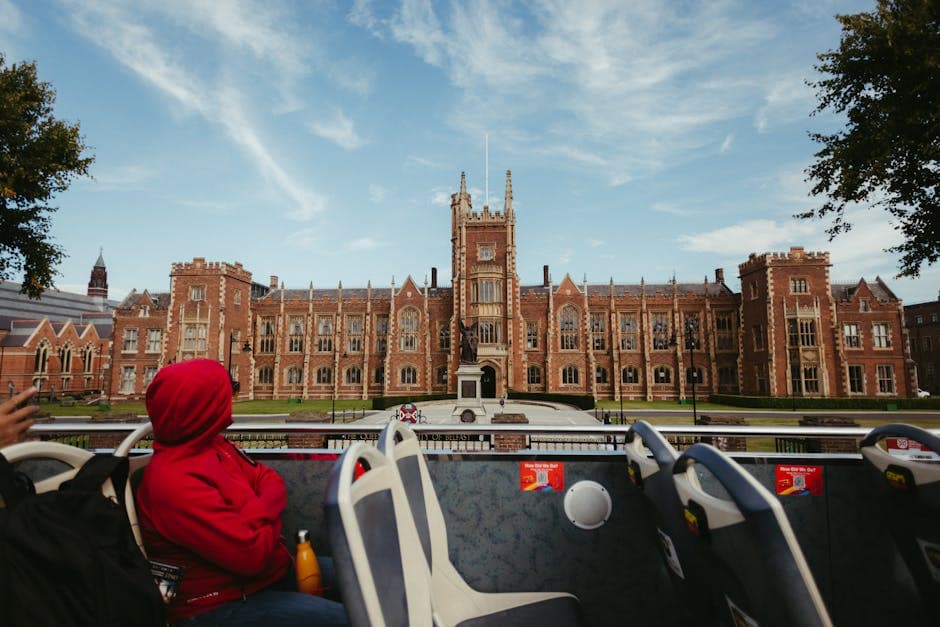
The UK Dream: Unpacking the Real Cost for International Students

For decades, the United Kingdom has stood as a premier destination for higher education, home to iconic universities and a vibrant multicultural society. The appeal is undeniable. Yet, for many prospective students and their families, the crucial question isn't about academic prestige, but financial feasibility. The conversation is shifting from 'Which university?' to 'Which university can we afford?' as the living cost for international students becomes an increasingly dominant factor in decision-making.
Understanding the full financial picture is more than just looking at a tuition fee. It involves a meticulous calculation of accommodation, food, transport, healthcare, and daily incidentals—costs that vary dramatically from one city to another. This guide provides a rigorous, transparent breakdown of what it truly costs to study in the UK, spotlighting the more accessible options and presenting a powerful, high-value alternative for those seeking a globally recognized degree without the staggering price tag.
Identifying Cheap Universities in UK: Tuition Fees Under £15,000
While the headlines often focus on elite institutions with fees exceeding £30,000 per year, a significant number of excellent UK universities offer high-quality education at a much lower price point. The term 'cheap universities in UK' doesn't imply lower quality; it refers to institutions with more accessible tuition structures, often located in cities with a lower cost of living. For the 2025-2026 academic year, several universities are offering undergraduate programs to international students for under £15,000 annually.
Institutions like the University of Bolton, Teesside University, and the University of Sunderland consistently feature in this category. For example, the University of Bolton's international undergraduate fees for many classroom-based courses start around £13,550. Similarly, Teesside University in Middlesbrough offers a range of programs in fields like computing and business with fees starting from approximately £14,000. Others to consider include Leeds Beckett University, the University of Cumbria, and Staffordshire University, all of which provide competitive tuition rates well below the national average. These universities offer a complete British academic experience, robust student support, and strong graduate outcomes without the financial burden of their more famous counterparts.
Decoding the Living Cost for International Students in the UK

Tuition is only half the story. The day-to-day living cost for international students is where budgets are truly tested. The UK government's minimum financial requirement for a student visa serves as a baseline, but actual expenses can be higher. A realistic monthly budget outside London typically breaks down as follows for the 2025-2026 period:
- Accommodation: £450 - £700 (University halls are often at the lower end, while private rentals, especially studios, are higher).
- Food & Groceries: £180 - £250 (This assumes cooking most meals at home).
- Utilities (Gas, Electricity, Water, Internet): £60 - £90 (Often included in halls, but a separate cost in private housing).
- Transport: £50 - £80 (A monthly student bus pass or pay-as-you-go travel within a city).
- Books & Supplies: £30 - £40 (Varies by course).
- Mobile Phone: £15 - £25.
- Social & Personal Care: £100 - £150.
This brings the estimated monthly total to between £885 and £1,335, aligning with the government's figures but demonstrating how quickly costs can escalate. This doesn't even include one-off expenses like visa fees, the Immigration Health Surcharge (IHS), flights, or initial setup costs for bedding and kitchenware.
City by City: A Regional Look at UK Living Expenses
Location is the single biggest variable in your budget. London is in a league of its own, with accommodation costs often 50-100% higher than in other major cities. A room in a shared private flat in London (Zone 2-3) can easily cost £850-£1,100 per month, pushing the total monthly living cost well above the £1,334 baseline.
In contrast, cities in the North of England, Scotland, and Northern Ireland offer a significantly more affordable student life. For example, in cities like Manchester or Birmingham, average student accommodation costs are closer to £550-£750 per month. In even more affordable locations like Sunderland, Belfast, or Cardiff, these costs can drop further. This regional variation is why choosing one of the cheap universities in UK located outside the South East can slash your total cost of education by thousands of pounds each year. Your choice of city has a direct and profound impact on your overall financial health as a student.
A High-Value Alternative: Comparing UK vs. North Cyprus Costs

When the total cost of a UK education—even at an affordable university—remains a stretch, it's critical to explore other options that deliver international recognition and quality without the high price. North Cyprus has emerged as a leading destination for students seeking this balance. Universities here, operating within the European Higher Education Area, offer English-taught programs at a fraction of the cost.
Most international students at North Cyprus universities receive a 50% scholarship as standard, bringing annual tuition fees down to a range of €2,800 to €4,000 for most undergraduate programs. Even highly competitive degrees like Medicine or Dentistry at institutions like Near East University (NEU) are significantly more affordable than their UK counterparts. When combined with a much lower cost of living, the financial advantages become undeniable. Let's compare the estimated annual costs directly.
| Expense Category | UK (Affordable University) | North Cyprus (with 50% Scholarship) |
|---|---|---|
| Annual Tuition Fee | £14,000 (€16,500) | €3,500 |
| Annual Accommodation | £6,000 (€7,080) | €2,500 |
| Annual Living Expenses (Food, Transport etc.) | £4,800 (€5,660) | €3,000 |
| <strong>Estimated Total Annual Cost</strong> | <strong>£24,800 (€29,240)</strong> | <strong>€9,000</strong> |
Note: Figures are estimates for comparison purposes. Exchange rates (GBP to EUR) are approximate and subject to fluctuation.
The difference is stark. A student can complete their entire degree in North Cyprus for less than the cost of a single year at many UK universities. This isn't about compromising on quality; it's about finding a smarter, more sustainable financial path to the same goal: a globally valuable degree.
The North Cyprus Advantage: Global Recognition and Career Mobility
The affordability of North Cyprus would mean little without robust international recognition. This is where the system's dual accreditation provides a powerful advantage for graduates. Firstly, all degrees from universities like Eastern Mediterranean University (EMU) and Cyprus International University (CIU) are issued with the EU Diploma Supplement. This document, developed as part of the Bologna Process, makes qualifications easily understood and accepted by universities and employers across the European Higher Education Area. It standardizes the description of the nature, level, context, content, and status of studies, facilitating academic and professional mobility across Europe.
Secondly, all North Cyprus universities are fully accredited by Turkey's Council of Higher Education (YÖK). This gives their degrees the same academic and legal status as those from any state university in Turkey. For students who may wish to pursue postgraduate studies or build a career in Turkey, this is a crucial guarantee of quality and acceptance. This dual anchor—European readability and Turkish accreditation—creates a graduate who is mobile and competitive, ready for opportunities in Europe, Turkey, and beyond, particularly in fields with international standards like engineering, IT, and health sciences.
Practical Budgeting: How to Manage Your Finances in the UK

If you do choose the UK path, disciplined financial management is non-negotiable. Success depends on your ability to budget effectively from day one. Beyond simply tracking expenses, you need a proactive strategy to minimize your living cost for international students and make your funds last.
5 Essential Budgeting Tips for Students in the UK
Open a Student Bank Account Immediately
As soon as you enroll, open a UK student bank account. Many offer interest-free overdrafts, which can be a vital safety net. Avoid using your home country's bank cards, which often incur high international transaction and withdrawal fees.
Leverage Student Discounts
Sign up for a TOTUM (formerly NUS Extra) card. This provides discounts on everything from groceries and clothing to tech and travel. Always ask if a student discount is available wherever you shop, eat, or visit.
Master Home Cooking
Eating out and takeaways are budget killers. Shopping at budget supermarkets like Aldi and Lidl and cooking meals in bulk can save you hundreds of pounds a month. It's also a great way to socialize with flatmates.
Plan Your Transport
Invest in a 16-25 Railcard for 1/3 off train fares. For local travel, a monthly or annual student bus pass is almost always cheaper than paying daily fares. If your campus and accommodation are close, walking or cycling are the best options.
Use a Budgeting App
Use apps like Monzo, Revolut, or YNAB (You Need A Budget) to track every penny. Seeing exactly where your money is going is the first step to controlling your spending and staying within your monthly budget.
Part-Time Work and Visa Regulations for UK Students
Many international students rely on part-time work to supplement their income. Under the current rules for the UK Student visa, students at degree level or above at a higher education provider are typically permitted to work up to 20 hours per week during term time and full-time during official vacation periods. It is absolutely essential to check the specific conditions printed on your Biometric Residence Permit (BRP) and never exceed the permitted hours, as this is a serious breach of visa conditions.
Common part-time jobs for students include roles in retail, hospitality (cafes, restaurants, bars), campus jobs (library, student union), and tutoring. The national minimum wage depends on your age, but you can generally expect to earn between £8.60 and £11.44 per hour (as of April 2024 rates). While helpful, income from part-time work should be considered supplementary. It is unlikely to cover all your living costs and cannot be used to demonstrate the required funds for your visa application. For more general context on the visa, the Wikipedia page on the UK Student visa offers a helpful overview.
Frequently Asked Questions
Find Your Affordable Path to a Global Degree
The cost of education shouldn't be a barrier to your ambitions. Explore high-quality, internationally recognized, and affordable programs in North Cyprus. Let our advisors match you with the right university and scholarship.