Navigating the Labyrinth: Why the German Student Visa Demands Precision
Germany stands as a global powerhouse in higher education, attracting hundreds of thousands of international students with its world-class universities and low-to-no tuition fees at public institutions. However, this academic promise is guarded by a notoriously meticulous and demanding visa process. The list of required student visa documents is long, the standards are exacting, and a single mistake can lead to significant delays or an outright rejection, jeopardizing your academic start date.
For many applicants, the journey to secure a student visa Germany is their first encounter with German bureaucracy. It's a system that values precision, completeness, and adherence to rules above all else. Unlike more flexible systems, there is little room for error. Every document must be in the correct format, translated if necessary, and submitted within the specified timeframe. This guide provides an authoritative breakdown of the entire process, offering a clear checklist and highlighting common pitfalls to help you succeed. We will also compare this rigorous path with the more accessible and streamlined approach offered by universities in North Cyprus, a compelling alternative for students seeking a high-quality, internationally recognized education without the bureaucratic barriers.
The Definitive Checklist: Essential Student Visa Documents for Germany
Your application is only as strong as your documentation. The German consulate or embassy in your home country will scrutinize every paper you submit. Below is a comprehensive list of the essential student visa documents you must prepare. Always double-check the specific requirements of the German mission in your country, as minor variations can exist.
German Student Visa Application Checklist
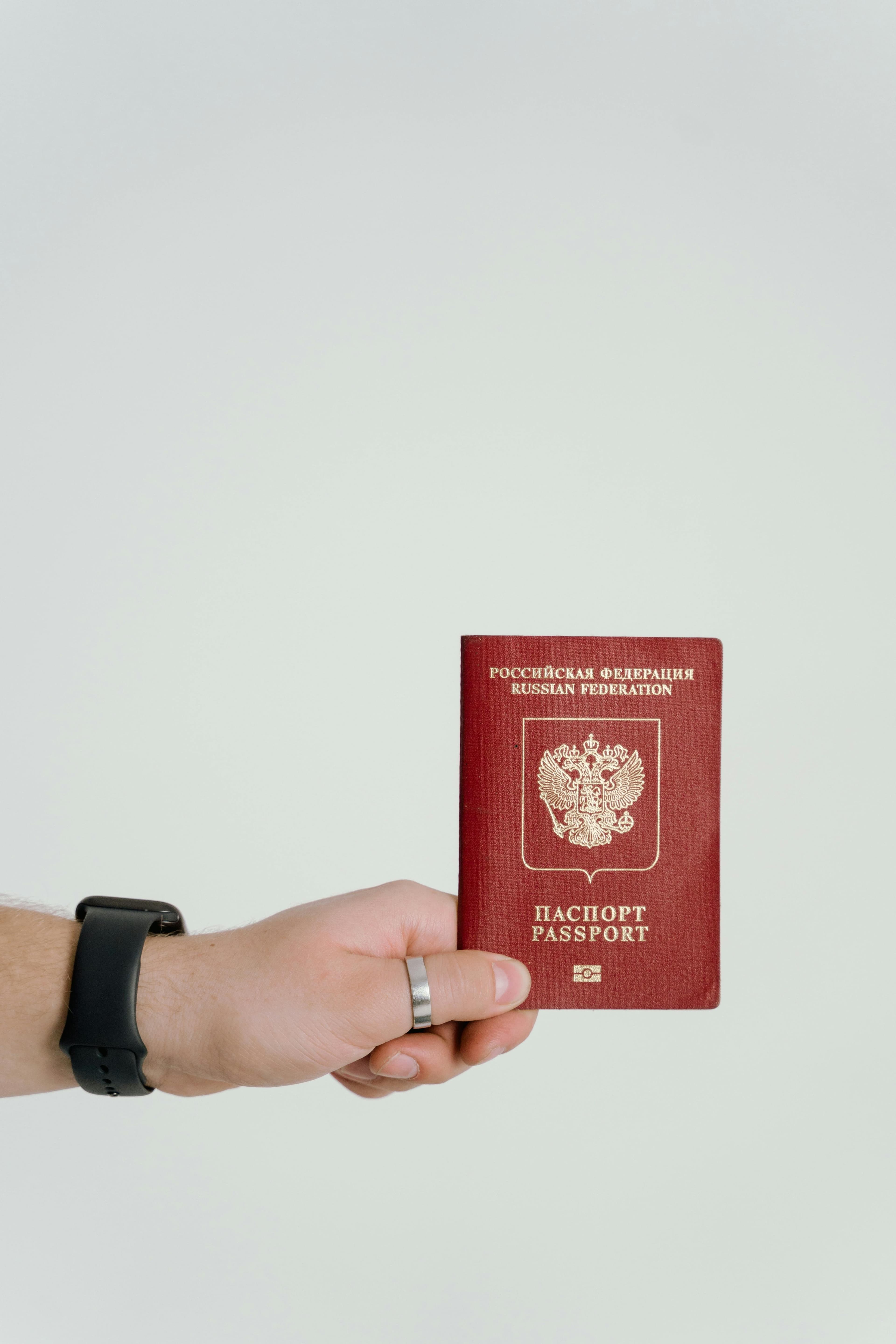
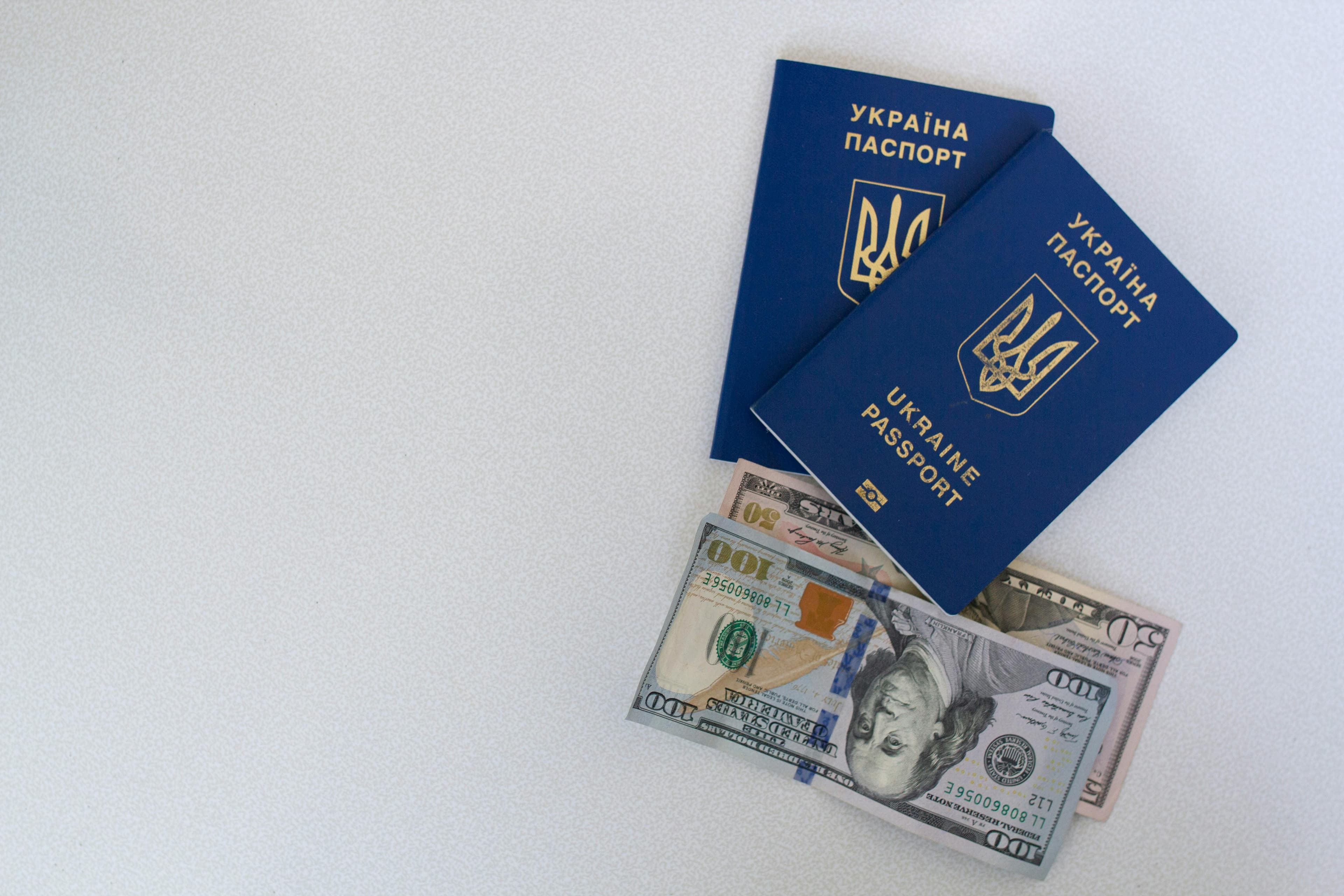
Valid Passport
Your passport must have at least two blank pages and be valid for at least three months beyond your intended stay in Germany. It's wise to ensure it's valid for the entire duration of your studies to avoid renewal issues abroad.
Completed Visa Application Form
You must fill out the national visa application form (D-Visa) completely and truthfully. Many German missions now use the online VIDEX portal for this. Print it, sign it, and bring it to your appointment.
Biometric Photographs
Typically, two recent, identical, biometric passport photos are required. They must meet strict specifications regarding size, background color, and facial expression. Do not use old photos.
University Admission Letter (Zulassungsbescheid)
This is the official letter from your German university confirming your admission to a specific degree program. A conditional offer may be acceptable if the only condition is a preparatory course or language test.
Proof of Financial Resources (Finanzierungsnachweis)
This is the most critical document. The primary method is a confirmation of a blocked account (Sperrkonto) with at least €11,208 for your first year. Other options like a scholarship award letter or a formal letter of obligation from a sponsor in Germany are sometimes accepted.
Proof of Health Insurance
You need proof of health insurance coverage. This usually means a travel health insurance policy valid from your arrival until you can enroll in a statutory German health insurance plan.
Academic Transcripts and Certificates
Submit your previous academic records, including your high school leaving certificate and any university degrees. These must be original or certified copies, and often require translation into German by a certified translator.
Proof of Language Proficiency
If your course is in German, you'll need a certificate like TestDaF or DSH. If it's in English, a TOEFL or IELTS score is typically required. The specific test and score depend on the university.
Letter of Motivation
A detailed letter explaining why you chose your specific university and study program, your academic and career goals, and your plans after graduation. This must be well-written and convincing.
The Sperrkonto Explained: Proving Your Financial Stability

The 'Sperrkonto', or blocked account, is a unique and non-negotiable requirement for most non-EU students applying for a student visa Germany. It is a special type of bank account into which you must deposit a full year's worth of living expenses before your visa application. As of 2024, the required amount is €934 per month, which totals €11,208 for the year. The purpose of this account is to guarantee to the German state that you can support yourself financially without needing to work excessively or rely on social welfare.
Once you arrive in Germany and activate the account, you can only withdraw the monthly amount of €934. You cannot access the full sum at once. Setting up this account must be done from your home country through approved providers like Fintiba, Coracle, or Expatrio, or sometimes through Deutsche Bank. The process can take several weeks, so it is crucial to start early. This single requirement is often a significant financial and logistical barrier, demanding substantial upfront capital that can be difficult for many families to arrange.
Health Insurance and Accommodation: Securing Your Stay in Germany
German law requires everyone residing in the country to have health insurance. For your visa application, you must present proof of a policy that covers you from the day you arrive until you officially enroll at your university. This is typically a travel health insurance policy. Once enrolled, you must switch to a German statutory health insurance provider (like AOK, TK, or Barmer) or a private one. The cost for student public health insurance is approximately €110-€120 per month.
Finding accommodation in major German university cities can be extremely competitive. For your visa, you may need to provide proof of where you will live, which is a classic chicken-and-egg problem—it's hard to rent a flat without being in the country. Accepted forms of proof can include a rental contract, a letter of confirmation from a university dormitory, or a formal letter of invitation from a friend or relative in Germany who will host you. Start your search for accommodation months in advance on platforms like WG-Gesucht or through the university's student services (Studentenwerk).
A Tale of Two Pathways: Germany vs. North Cyprus Visa and Admission Process
While Germany offers an excellent education, its demanding application process is not the only route to a European-aligned degree. North Cyprus presents a compelling alternative with a significantly more straightforward and student-friendly approach. The contrast in requirements for admission and visa processing is stark, making it an attractive option for students who value speed, simplicity, and affordability. Let's compare the key aspects of the journey.
| Feature | Germany | North Cyprus |
|---|---|---|
| Admission Decision Speed | Slow; can take 2-4 months, highly competitive. | Fast; typically 1-2 weeks for an admission offer. |
| Entrance Exams / Tests | Often requires specific SAT/ACT scores for some bachelor's programs or standardized tests for master's. | No SAT, ACT, GRE, or GMAT required for admission. Admission is based on high school/bachelor's transcripts. |
| English Proficiency Test | IELTS or TOEFL scores are almost always mandatory for English-taught programs. | No external English test (IELTS/TOEFL) required for admission. An on-arrival placement exam determines if a one-year English Prep School is needed. |
| Financial Proof | Strict requirement of a blocked account (Sperrkonto) with €11,208. | Proof of sufficient funds via a standard bank statement (typically €6,000-€8,000). The funds are not blocked. |
| Visa Application Timeline | Lengthy and complex; 3-6 months on average. | Streamlined; students receive an admission letter quickly, and the visa process is managed with university support upon arrival. |
| Document Complexity | High; requires certified copies, official translations, and often an Apostille. | Simple; standard copies of passport and academic transcripts are sufficient for the initial application. |
The table clearly illustrates the difference in accessibility. Universities in North Cyprus, such as Eastern Mediterranean University (EMU) and Cyprus International University (CIU), have designed their admissions to be as open as possible. The philosophy is clear: remove unnecessary barriers and assess a student's potential based on their academic history, not their ability to navigate a complex web of standardized tests and bureaucratic procedures.
The North Cyprus Advantage: Global Recognition Without the Bureaucracy
A simpler process does not mean a compromise on quality or international recognition. In fact, degrees from North Cyprus universities are strategically positioned for global mobility. This is achieved through two key pillars of accreditation and recognition that every prospective student should understand.
First, all major universities in North Cyprus issue the EU Diploma Supplement with their degrees. This official document, developed by the European Commission, Council of Europe, and UNESCO, provides a standardized description of the nature, level, context, content, and status of the studies that were successfully completed. It makes the qualification transparent and easily readable for employers and universities across the European Higher Education Area, which is governed by the Bologna Process. This means a graduate from Near East University (NEU) or Girne American University (GAU) holds a credential that is legible and respected in Germany, France, Sweden, and beyond.
Second, all universities are fully accredited by the Council of Higher Education of Turkey (YÖK). This gives their degrees academic equivalence to those awarded by state universities in Turkey. For students who may wish to pursue graduate studies or a career in Turkey, this is a direct and powerful advantage. The combination of YÖK accreditation and the EU Diploma Supplement creates a unique 'dual-anchor' of recognition, opening doors both in Europe and in the major regional economy of Turkey.
Career Mobility: How a North Cyprus Degree Opens Doors Globally
The practical outcome of this dual-recognition framework is tangible career mobility. A graduate with a Bachelor's in Civil Engineering from EMU holds a degree that is understood by a German engineering firm and is also fully recognized for professional licensing in Turkey. A graduate with an MBA from CIU can apply for Ph.D. programs across Europe with a transcript and diploma that admissions committees can easily evaluate, thanks to the Diploma Supplement.
This international validity is overseen locally by the TRNC's Higher Education Planning, Evaluation, Accreditation and Coordination Council (YÖDAK), which ensures that academic standards are maintained in line with global best practices. This robust system of quality assurance means students are not just getting an accessible education, but one that serves as a credible foundation for a global career. This is particularly valuable in fields with international standards, such as medicine, pharmacy, engineering, and information technology, all of which are popular programs offered across North Cyprus universities.
Practical Steps for Your North Cyprus Application
The contrast with the German process is most evident when looking at the required documents for admission. To apply to a university in North Cyprus, you don't need a blocked account, a motivation letter, or certified translations to start. The initial application is straightforward and can be completed online in a short amount of time.
The core documents required to receive an initial acceptance letter are:
- A completed online application form.
- A scanned copy of your valid international passport.
- Scanned copies of your high school diploma and transcripts (for undergraduate applicants).
- Scanned copies of your Bachelor's degree diploma and transcripts (for postgraduate applicants).
That's it. Once these documents are submitted, a decision is typically made within 5-10 business days. Upon acceptance, the university provides the official acceptance letter needed for your travel and visa processing. Our team provides full student visa guidance to ensure you have everything you need. You can start your application today and receive a conditional offer letter and information on available scholarships, which can cover up to 50-100% of tuition fees.
Frequently Asked Questions About Student Visas
Ready for a Simpler Path to a Global Degree?
Skip the bureaucratic hurdles. Get a fast admission decision and an internationally recognized degree from North Cyprus.