Study Pilotage in North Cyprus
No IELTS or entrance exam required — admission is based on your transcript.

The Sky's the Limit: Understanding the Cost of Pilot School

Embarking on a career as a pilot is a dream for many, offering unparalleled views and a dynamic profession. However, the path to becoming a licensed pilot involves a significant financial commitment. The cost of pilot school is a primary concern for prospective students and their families, encompassing not just academic tuition but also extensive flight training hours, simulator sessions, instructor fees, and licensing examinations. Understanding these components is the first step in planning your aviation journey.
Globally, pilot training can range from approximately $50,000 to over $150,000, depending on the type of license sought (e.g., Private Pilot License, Commercial Pilot License, Airline Transport Pilot License), the training institution, and the country of study. This substantial investment necessitates careful research into program structures, accreditation, and potential financial aid options. North Cyprus has emerged as an increasingly attractive destination for aspiring international pilots due to its accredited programs and comparatively lower overall costs.
Breaking Down Pilot School Fees in North Cyprus
When considering the cost of pilot school in North Cyprus, it's essential to differentiate between the academic degree tuition and the practical flight training expenses. Universities in North Cyprus, such as Near East University (NEU) and Eastern Mediterranean University (EMU), offer comprehensive aviation programs that often integrate theoretical ground school with practical flight training. These programs are designed to meet international standards set by bodies like the International Civil Aviation Organization (ICAO), ensuring graduates are prepared for global careers.
Tuition and Academic Program Fees
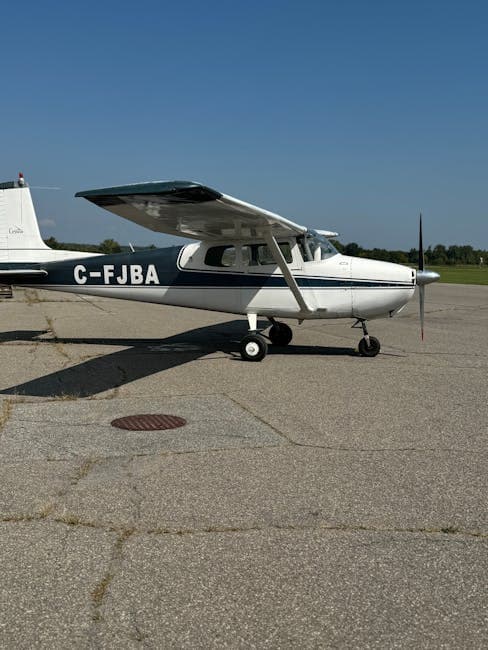
For bachelor's degree programs in aviation, which might include specializations like Professional Pilotage, Aviation Management, or Aeronautical Engineering, annual tuition fees at North Cyprus universities typically range from $6,000 to $9,000 for international students after scholarships. For instance, universities like NEU offer Bachelor of Science programs in Professional Pilotage, which include extensive ground school education alongside flight training. These academic fees cover classroom instruction, access to university facilities, and theoretical components of aviation science.
Operational Flight Training Costs
The most significant portion of the cost of pilot school comes from the actual flight training. This includes: aircraft rental, fuel, instructor fees, simulator hours, and examination fees for various licenses (e.g., Private Pilot License (PPL), Commercial Pilot License (CPL), Multi-Engine Rating, Instrument Rating). These operational costs are often paid directly to the university's flight school or an affiliated flight academy. For a complete Commercial Pilot License with Instrument and Multi-Engine Ratings, the flight training component in North Cyprus can range from approximately $40,000 to $70,000, depending on the specific program, flight hours required, and individual student progress.
For example, University of Kyrenia (UK), known for its maritime and aviation programs, offers pilot training through its own flight academy, providing structured courses that lead to professional pilot licenses. These flight training costs are typically separate from the academic tuition and are often paid in installments as training progresses. Students should budget for approximately 200-250 flight hours to achieve a CPL with ratings, with hourly rates varying by aircraft type and instructor experience.
Living Expenses and Additional Costs for Aspiring Pilots

Beyond tuition and flight training, prospective pilots must account for living expenses, which form a crucial part of the overall cost of pilot school. North Cyprus offers a notably affordable cost of living compared to many European or North American study destinations, making it an attractive option for international students.
Essential Living Costs for Pilot Students in North Cyprus (Monthly Estimates)
Accommodation
On-campus dormitory rooms typically range from $150 to $350 per month, including utilities. Off-campus shared apartments can cost between $250 and $500 per person, excluding utilities.
Food and Groceries
A budget of $200 to $350 per month is generally sufficient for groceries and occasional meals out. University cafeterias also offer affordable meal plans.
Transportation
Public transport (dolmuş/minibus) is inexpensive, with monthly passes or daily fares costing around $30-$50. Many universities also offer shuttle services.
Health Insurance
Mandatory health insurance for international students costs approximately $50-$100 annually, covering basic medical services.
Personal Expenses
Budget an additional $100 to $200 for personal care, entertainment, study materials, and miscellaneous items.
In total, a student can expect monthly living expenses in North Cyprus to fall within the range of $500 to $1,000, depending on their lifestyle and accommodation choices. This affordability significantly reduces the overall financial burden associated with pilot training, allowing students to focus more on their rigorous studies and flight hours.
North Cyprus vs. Global Pilot Training Costs: A Comparative Advantage
Comparing the cost of pilot school in North Cyprus to other popular aviation training hubs reveals a clear financial advantage. While the quality of training remains high, meeting European and international aviation standards, the overall expenditure is often considerably lower.
In countries like the United States, a Commercial Pilot License (CPL) program can easily cost between $70,000 and $100,000, not including living expenses. In Western Europe, similar programs often range from €80,000 to €120,000. Even in some parts of Asia, pilot training can be equally expensive, with programs reaching upwards of $90,000. The combined academic and flight training costs in North Cyprus, typically ranging from $46,000 to $79,000 (after scholarships for academic tuition), present a compelling alternative without compromising on quality or recognition.
| Region/Country | Estimated Training Cost (USD) | Estimated Annual Living Cost (USD) |
|---|---|---|
| North Cyprus | $46,000 - $79,000 | $6,000 - $12,000 |
| United States | $70,000 - $100,000 | $12,000 - $20,000 |
| Western Europe | $85,000 - $130,000 | $10,000 - $18,000 |
| Canada | $60,000 - $90,000 | $10,000 - $15,000 |
This comparison clearly illustrates the value proposition of North Cyprus. Students receive internationally recognized pilot training and academic degrees at a fraction of the cost, making a professional pilot career more accessible. The accreditation of North Cyprus universities by the TRNC Higher Education Planning, Evaluation, Accreditation and Coordination Council (YÖDAK) and equivalence by Turkey's Council of Higher Education (YÖK) ensures that your qualification holds weight globally.
Unlocking Opportunities: Scholarships and Financial Aid for Pilot Training
Recognizing the substantial cost of pilot school, North Cyprus universities offer various scholarships and payment plans to support aspiring aviators. These financial aid options primarily target the academic tuition fees, significantly reducing the overall burden.
Most North Cyprus universities, including Near East University and Eastern Mediterranean University, automatically grant international students a scholarship upon admission, typically covering 50% of the tuition fees. For exceptional academic achievers, scholarships can extend up to 75% or even 100% in rare cases. These scholarships are a key factor in making pilot training in North Cyprus highly affordable. For specific details on available scholarships, students are encouraged to visit our scholarship support page.
Beyond scholarships, universities often provide flexible payment plans for both academic tuition and flight training components. Students can typically pay fees in installments throughout the academic year or as flight hours are accumulated. While dedicated pilot-specific grants from external bodies might be less common than general academic scholarships, the substantial university-offered tuition reductions significantly ease the financial pressure, allowing students to focus on their rigorous training.
The North Cyprus Advantage: Global Recognition and Employability
Choosing North Cyprus for your pilot training extends beyond mere affordability; it offers a strategic advantage in terms of global career mobility. Degrees from North Cyprus universities are issued with the EU Diploma Supplement. This crucial document standardizes your qualification, making it easily understandable and accepted across the European Higher Education Area (EHEA). This means your pilot qualification will be recognized by European universities for further study and by European employers for work, streamlining your pathway to international opportunities.
Furthermore, these same degrees are accredited by Turkey's Council of Higher Education (YÖK), granting them academic equivalence to degrees from Turkish state universities. This dual accreditation provides robust international mobility, opening doors for realistic career and further-study opportunities across Europe, Turkey, and globally. For pilots, whose profession inherently involves cross-border operations and standardized licenses, this level of recognition is invaluable, enhancing employability in a competitive global market. Graduates from North Cyprus pilot schools are well-positioned for careers with airlines, cargo operators, and charter companies worldwide.
Navigating Your Path to the Cockpit: Application Steps
The application process for pilot school in North Cyprus is straightforward and designed to be accessible for international students. Unlike many other countries, North Cyprus universities maintain one of the most open admissions policies in the region.
North Cyprus universities do not require external English-language proficiency exams such as IELTS, TOEFL, Pearson PTE, Cambridge English, or Duolingo English Test for admission. Similarly, standardized entrance exams like SAT, ACT, GRE, or GMAT are not required. Admission is primarily based on your secondary-school transcript (and for graduate pilot programs, your bachelor's transcript). Simply submit your academic documents, and you will receive an offer.
Upon arrival at the university, applicants who do not already hold an English-language qualification will take an in-house English Proficiency Exam. This is a placement test, not an admission gate. If you do not pass this in-house exam, you will enter the university's English Preparatory School, typically for one academic year, before commencing your degree program. There is no second admission decision after Prep School; you simply continue to your chosen pilot program. This policy ensures that language proficiency does not become an insurmountable barrier to pursuing your aviation dreams. To begin your journey, you can start your application through our platform.
Frequently Asked Questions About Pilot School Costs and Admission
Aviation Programs at North Cyprus Universities
Hand-picked programs from North Cyprus universities you can apply to directly.

Get Matched with a North Cyprus University for Pilot Training
Tell us your academic background, budget, and desired intake. We'll connect you with accredited pilot programs that fit your aspirations.