Study Pilotage in North Cyprus
No IELTS or entrance exam required — admission is based on your transcript.

The Sky's the Limit: Understanding Global Pilot Demand and Training Standards
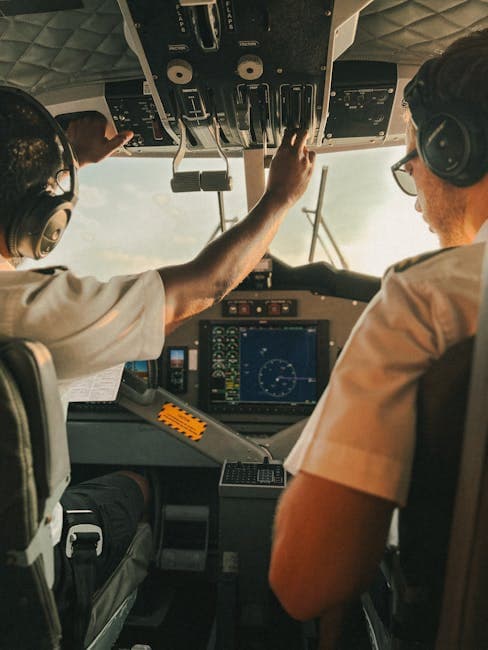
The global aviation sector is experiencing unprecedented growth, driven by increasing air travel and cargo operations. This expansion translates into a sustained, high demand for qualified pilots. Aspiring aviators must navigate a complex training landscape, culminating in a series of rigorous aviation exams that certify their competence and readiness for the cockpit. These examinations are standardized internationally, primarily under the guidelines set by organizations like the International Civil Aviation Organization (ICAO), ensuring that pilots trained anywhere can operate globally.
Pilot schools worldwide structure their curricula to align with these international benchmarks, preparing students not just for specific tests, but for a career where safety, precision, and adherence to protocol are paramount. The training encompasses extensive theoretical knowledge, covering subjects from aerodynamics and navigation to meteorology and aviation law, alongside intensive practical flight instruction. The goal is to produce pilots who are not only skilled operators but also critical thinkers capable of making sound decisions under pressure.
Navigating the Core Aviation Exams: PPL, CPL, and ATPL
The journey to becoming a commercial airline pilot typically involves progressing through several key licenses, each requiring its own set of theoretical and practical aviation exams:
Private Pilot License (PPL)

The PPL is the first step, allowing individuals to fly aircraft for recreational purposes, but not for hire. Training for the PPL involves approximately 40-60 hours of flight time, including solo flights, and covers fundamental aviation principles. The theoretical examinations typically include subjects like Air Law, Aircraft General Knowledge, Flight Performance and Planning, Human Performance, Meteorology, Navigation, Operational Procedures, Principles of Flight, and Radiotelephony. A successful PPL demonstrates basic proficiency in aircraft operation and navigation.
Commercial Pilot License (CPL)
The CPL is the minimum requirement for pilots who wish to fly for remuneration. This license demands a higher level of skill and knowledge. CPL training typically involves around 150-250 hours of flight time, building upon PPL skills with advanced maneuvers, instrument flying, and cross-country navigation. The theoretical component for the CPL is significantly more in-depth than the PPL, preparing students for more complex operational scenarios and commercial aviation regulations. Passing these aviation exams is crucial for employment in roles such as flight instruction, banner towing, or certain charter operations.
Airline Transport Pilot License (ATPL)
The ATPL is the highest level of pilot certification, required to act as pilot-in-command of an aircraft in commercial air transport. While the full ATPL is typically obtained after accumulating significant flight hours (usually 1,500 hours), pilot schools offer an 'ATPL frozen' program. This means students complete all the theoretical ATPL aviation exams during their initial training. These exams are comprehensive, covering 14 subjects in detail, including advanced aerodynamics, flight planning, mass and balance, and general navigation. The practical flight training for the ATPL frozen includes multi-engine instrument ratings and advanced crew resource management. Pilot schools meticulously structure their programs to cover every aspect of these exams, ensuring graduates are well-prepared for the theoretical challenges before accumulating the necessary flight experience for the full ATPL.
Pilot School in North Cyprus: A Gateway to Global Aviation
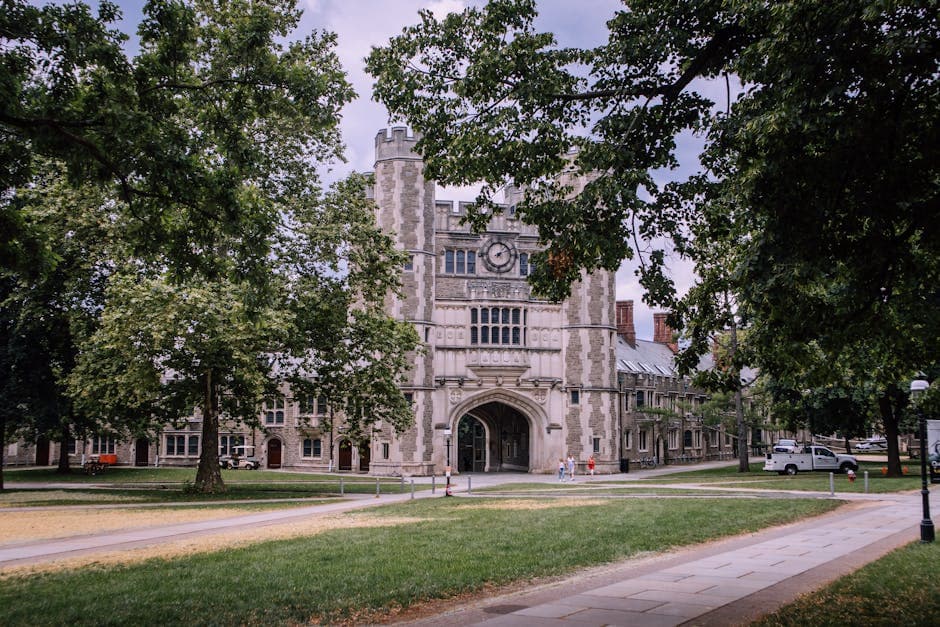
North Cyprus has emerged as an attractive destination for aspiring pilots, offering high-quality pilot school programs that adhere to international aviation standards. Universities such as Near East University (NEU) and University of Kyrenia (UK) are prominent institutions providing comprehensive pilotage degrees. These programs are designed to integrate the theoretical knowledge required for PPL, CPL, and ATPL aviation exams with extensive practical flight training, utilizing modern flight simulators and aircraft fleets.
The curriculum at these institutions is meticulously developed to meet the requirements of aviation authorities, ensuring that graduates possess qualifications recognized globally. For instance, the pilotage program at the University of Kyrenia includes both academic studies and practical flight training conducted at their own flight training organization, equipped with advanced simulators and a diverse fleet of training aircraft. This integrated approach ensures students gain hands-on experience alongside theoretical mastery.
Accreditation and International Recognition
A significant advantage of studying at a pilot school in North Cyprus is the robust international recognition of its degrees. All North Cyprus university degrees, including pilotage programs, are issued with the EU Diploma Supplement. This 'blue diploma' provides a standardized description of the nature, level, context, content, and status of the studies successfully completed, making the qualification transparent and easily understood across the European Higher Education Area. This recognition facilitates further study or employment within Europe, offering graduates realistic career and academic mobility.
Furthermore, these degrees are accredited by Turkey's Council of Higher Education (YÖK), granting them academic equivalence to degrees from Turkish state universities. This dual accreditation by both the EU Diploma Supplement and YÖK provides graduates with strong international mobility, opening doors for career and further-study opportunities across Europe, Turkey, and globally. This is particularly valuable in a field like aviation, where cross-border professional standards are common.
Admission to Pilot Programs in North Cyprus: Simplicity and Support
North Cyprus universities maintain one of the most accessible admissions policies in the region, making pilot school an achievable dream for many international students. Unlike many other global destinations, North Cyprus universities do not require external English-language proficiency exams such as IELTS, TOEFL, or Pearson PTE for admission. Similarly, standardized entrance exams like SAT, ACT, GRE, or GMAT are not prerequisites, nor do universities administer competitive entrance exams at the application stage.
Admission to pilotage programs is primarily based on the applicant's secondary-school transcript. For graduate programs, a bachelor's transcript is required. Prospective students simply submit their academic documents to receive an offer. Upon arrival at the university, applicants who do not already hold an English-language qualification (such as an IELTS 5.5 or equivalent, which can optionally be provided to skip the in-house test) will take an in-house English Proficiency Exam. This is a placement test, not an admission gate. Students who do not pass this in-house exam will enter the university's English Preparatory School, typically for one academic year, before commencing their degree program. There is no second admission decision after completing the Prep School.
Key Steps for Pilot Program Admission in North Cyprus
Prepare Academic Documents
Gather your secondary-school transcripts, diplomas, and any other relevant academic certificates. For graduate pilot programs, your bachelor's transcript is essential.
Submit Your Application
Complete the online application form for your chosen pilot school and upload your documents. The process is straightforward and designed for international students. You can start your application today.
Receive Your Offer Letter
Upon review of your academic qualifications, the university will issue an offer letter for your pilotage program.
Undergo English Proficiency Assessment
If you don't have an existing English qualification, you'll take an in-house English Proficiency Exam upon arrival. This determines if you start your degree directly or attend the English Preparatory School.
Begin Your Pilot Training
Whether you start your degree directly or after Prep School, you'll embark on a comprehensive program designed to prepare you for all necessary aviation exams and a successful career.
Tuition Costs and Value: North Cyprus vs. International Hubs
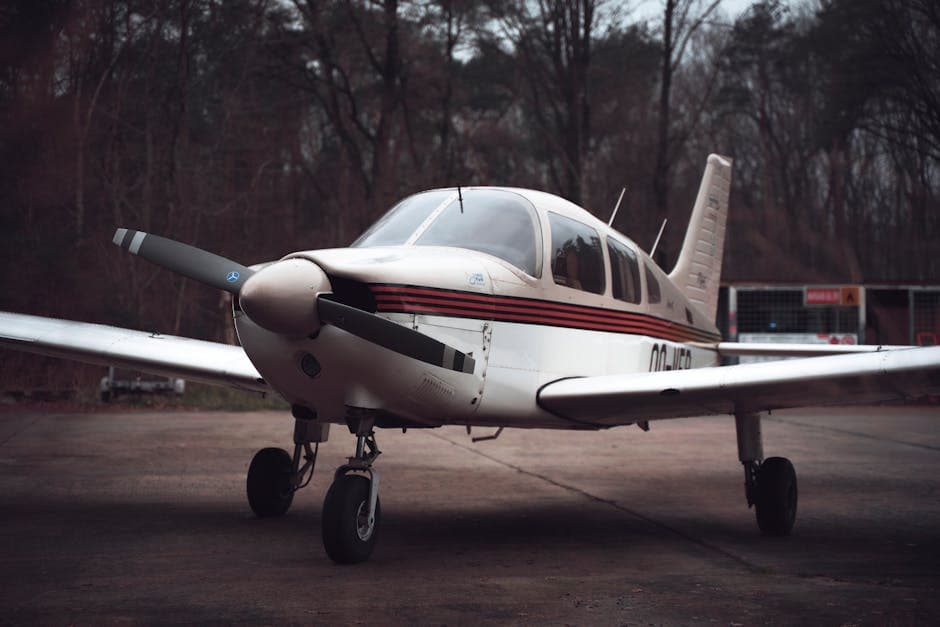
When considering pilot school, tuition fees are a significant factor. North Cyprus offers a highly competitive cost structure compared to traditional aviation training hubs in North America or Western Europe. While pilotage programs inherently involve higher costs due to flight training expenses, North Cyprus universities strive to make quality aviation education accessible through reasonable academic tuition and generous scholarship opportunities.
The total cost of a pilotage program typically comprises academic tuition fees and separate flight training fees. Academic tuition for pilotage programs in North Cyprus, after applying standard international student scholarships, generally ranges from $8,000 to $12,000 USD per academic year for a Bachelor's degree. Flight training costs, which are additional and vary based on flight hours and aircraft type, typically range from $40,000 to $70,000 USD for the entire program, depending on the chosen flight school and license progression. This combined cost often remains more affordable than comparable programs in many other countries, especially when factoring in the relatively lower cost of living in North Cyprus.
| University | Estimated Annual Academic Tuition (USD) | Typical Scholarship Cap |
|---|---|---|
| Near East University (NEU) | $9,500 - $11,000 | 50% - 75% |
| University of Kyrenia (UK) | $8,000 - $10,500 | 50% - 75% |
These figures represent the academic portion of the tuition; flight training fees are billed separately by the affiliated flight training organizations. Many North Cyprus universities offer substantial scholarships to international students, often covering 50% or even 75% of the academic tuition. This significantly reduces the financial burden, making a career in aviation more attainable. Students are encouraged to explore available scholarships when applying.
Student Life and Support for Aspiring Pilots
Beyond academics and flight training, student life in North Cyprus offers a supportive and enriching environment for aspiring pilots. Universities provide modern campus facilities, including well-equipped classrooms, advanced flight simulators, and dedicated aviation laboratories. For instance, the University of Kyrenia boasts state-of-the-art flight simulators that replicate various aircraft types and scenarios, allowing students to gain invaluable experience in a controlled environment before actual flight.
International students benefit from comprehensive support systems, including student accommodations, academic advising, and career counselling. On-campus dorm options are widely available, offering a safe and convenient living experience. Universities also host various student clubs and societies, including aviation-specific groups, fostering a sense of community and providing opportunities for networking with peers and industry professionals. The multicultural environment of North Cyprus, with students from over 100 countries, enriches the educational experience, preparing future pilots for diverse global interactions.
Furthermore, the visa process for North Cyprus is generally straightforward. The TRNC Ministry of Foreign Affairs outlines clear guidelines for international student visas, which are typically issued upon arrival with a valid offer letter from a recognized university. This ease of access, combined with a safe and welcoming society, makes North Cyprus an appealing choice for international students pursuing a demanding field like aviation.
Launching Your Career: Employability and Global Mobility
Graduating from a pilot school in North Cyprus provides a strong foundation for a global aviation career. The combination of rigorous training, adherence to international standards, and the dual accreditation of degrees significantly enhances employability. The EU Diploma Supplement ensures that your qualifications are readily understood and accepted by employers and educational institutions across Europe, facilitating career progression or further postgraduate studies within the European Union.
Moreover, YÖK accreditation means your degree holds equivalence with those from Turkish state universities, opening up opportunities within Turkey's rapidly expanding aviation sector. This dual recognition provides graduates with unparalleled flexibility, allowing them to pursue diverse career paths such as commercial airline pilot, cargo pilot, flight instructor, or corporate pilot. The demand for pilots remains robust globally, as evidenced by reports from organizations like the UNESCO Institute for Statistics on global labor market trends and education outcomes, ensuring that well-trained pilots are always in demand.
North Cyprus universities also provide career counselling services to help pilotage graduates connect with airlines and aviation companies. The practical experience gained through flight training, coupled with the comprehensive theoretical knowledge, prepares students to confidently enter the competitive aviation industry. The focus on international standards means graduates are ready to adapt to various regulatory environments, making them highly desirable candidates for airlines worldwide.
Frequently Asked Questions About Pilot School in North Cyprus
Aviation Programs at North Cyprus Universities
Hand-picked programs from North Cyprus universities you can apply to directly.

Ready to Launch Your Aviation Career in North Cyprus?
Explore top pilot schools, compare programs, and start your application today to become a globally recognized pilot.