Study Pilotage in North Cyprus
No IELTS or entrance exam required — admission is based on your transcript.

The Indispensable Role of a Harbor Pilot
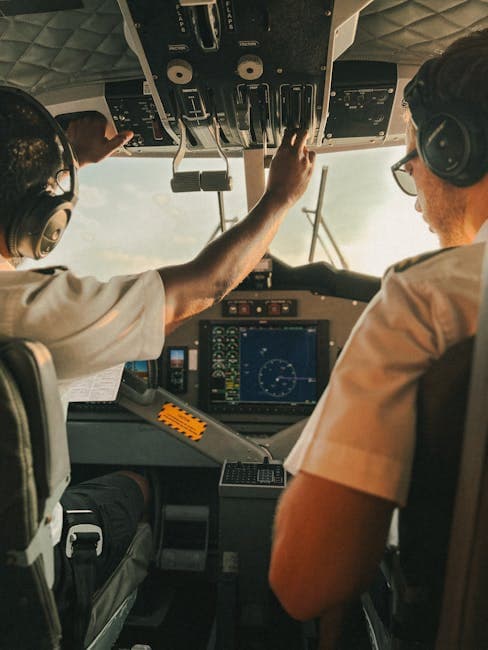
A harbor pilot is a highly specialized and essential maritime professional responsible for guiding vessels safely through congested waterways, narrow channels, and into and out of ports. This critical role involves navigating ships, often massive container vessels or oil tankers, that are too large or complex for their own crew to manage safely within confined port limits. The expertise of a harbor pilot prevents accidents, protects marine environments, and ensures the efficient flow of global commerce.
The job requires an intricate understanding of local currents, tides, weather patterns, navigational hazards, and port regulations. Harbor pilots board incoming ships offshore and take command of the vessel's navigation until it is safely docked, and vice-versa for outgoing ships. This high-stakes profession demands exceptional judgment, extensive experience, and continuous professional development, making the journey of how to become a pilot a rigorous but rewarding one.
Charting Your Course: Essential Education for Aspiring Pilots
The first step in understanding how to become a pilot in the maritime sector is securing a foundational education. Aspiring harbor pilots typically begin their journey with a bachelor's degree in a relevant maritime field. Common degree programs that feed into this career path include:
Key Maritime Degree Programs
Maritime Studies
Focuses on ship operations, navigation, marine engineering, and maritime law.
Nautical Science
Provides in-depth training in navigation, seamanship, ship handling, and maritime safety.
Marine Transportation
Covers commercial shipping, logistics, port operations, and international trade.
These programs are designed to equip students with the theoretical knowledge and practical skills necessary for a career at sea, leading to various officer positions before specializing as a pilot. The curriculum often includes simulator training, practical seamanship, and regulatory compliance, preparing graduates for the rigorous demands of the maritime industry.
North Cyprus Universities Offering Maritime Programs

North Cyprus is emerging as a significant hub for maritime education, with several universities offering internationally recognized degrees. For instance, Eastern Mediterranean University (EMU), through its Maritime Faculty, offers programs such as Nautical Science and Marine Engineering. Similarly, the University of Kyrenia (UK) is entirely dedicated to maritime education, providing a comprehensive range of programs, including Maritime Transportation Management and Marine Engineering, directly aligning with the educational requirements for aspiring harbor pilots.
These institutions are accredited by the Higher Education Planning, Evaluation, Accreditation and Coordination Council (YÖDAK) in North Cyprus and are recognized by the Turkish Council of Higher Education (YÖK), ensuring academic equivalence to degrees from Turkish state universities. This dual accreditation is a significant advantage for graduates seeking career opportunities in Turkey or further academic pursuits within the Turkish higher education system.
The Global Demand for Maritime Professionals
The maritime sector is a cornerstone of the global economy, facilitating over 90% of international trade. This creates a consistent and robust demand for skilled maritime professionals, including harbor pilots. According to the UNESCO Institute for Statistics, maritime transport continues to expand, driven by globalization and increasing consumer demand, which in turn fuels the need for expert navigators and port operators.
The International Chamber of Shipping (ICS) and BIMCO's latest Seafarer Workforce Report (2021) projected a need for an additional 89,510 officers by 2026 to meet the demands of the global merchant fleet. While this figure encompasses various officer roles, the specialized nature of harbor piloting ensures a stable and high-paying career path for those who achieve the necessary qualifications and experience. The aging workforce in many developed maritime nations also contributes to a continuous demand for new talent, making the question of how to become a pilot particularly relevant today.
North Cyprus: A Gateway to Global Maritime Careers

Choosing to study maritime programs in North Cyprus offers a unique advantage for international career mobility. Degrees issued by North Cyprus universities come with the EU Diploma Supplement. This 'blue diploma' is a standardized document that provides a detailed description of the nature, level, context, content, and status of the studies successfully completed by the holder. It significantly enhances the transparency and academic recognition of your qualification within the European Higher Education Area, making your degree easily understood and accepted by European universities for further study and by European employers for work.
Furthermore, as mentioned, these degrees are accredited by Turkey's Council of Higher Education (YÖK). This dual recognition from both the European framework and the Turkish national system provides graduates with exceptional international mobility. For a career like a harbor pilot, which often involves working in international ports or with globally operating shipping companies, this level of recognition is invaluable. It streamlines the process of having your qualifications accepted for licensing and employment across Europe, Turkey, and beyond, giving you a competitive edge in the global maritime job market.
Navigating Admission: How to Become a Pilot in North Cyprus
North Cyprus universities maintain one of the most open admissions policies in the region, which is a significant advantage for international students. When considering how to become a pilot by pursuing a maritime degree here, the application process is straightforward and focuses primarily on your academic record.
North Cyprus universities DO NOT require external English-language proficiency exams such as IELTS, TOEFL, Pearson PTE, Cambridge English, or Duolingo English Test for admission. Similarly, standardized entrance exams like SAT, ACT, GRE, or GMAT are NOT required. Admission decisions are based on your secondary-school transcript (and for graduate programs, your bachelor's transcript). You submit your academic documents, and if you meet the GPA expectations, you receive an offer.
Upon arrival at the university, applicants who do not already hold an English-language qualification (such as an IELTS 5.5 or equivalent, which is optional to provide) will take an in-house English Proficiency Exam. This is a placement test, not an admission gate. If you do not pass this in-house exam, you will enter the university's English Preparatory School, typically for one academic year, before commencing your degree program. There is no second admission decision after Prep School; you simply continue to your chosen maritime program.
| University | Annual Tuition (USD) | Scholarship Opportunity |
|---|---|---|
| Eastern Mediterranean University (EMU) | $6,000 - $8,500 | Up to 50% - 75% |
| University of Kyrenia (UK) | $5,500 - $8,000 | Up to 50% - 75% |
| Girne American University (GAU) | $5,000 - $7,500 | Up to 50% - 70% |
These figures are illustrative and can vary by specific program and year. Most North Cyprus universities offer substantial scholarships to international students, often covering 50% or even 75% of tuition fees. For detailed and up-to-date information, prospective students should explore specific program pages or our scholarship support section. Intake months for most bachelor's programs are typically September (Fall) and February (Spring).
Sea Time and Certification: Beyond the Classroom

While a strong academic foundation is crucial, the path to becoming a harbor pilot extends significantly beyond the classroom. A substantial amount of sea service is mandatory. Graduates of maritime programs typically begin their careers as deck officers on merchant vessels, accumulating thousands of hours of practical experience at sea. This period, often lasting 5-10 years, is vital for developing ship handling skills, navigational expertise, and leadership qualities under various conditions.
During this sea service, officers must obtain several certifications, progressing through different levels of competency. These include Officer of the Watch (OOW), Chief Mate, and ultimately Master Mariner (Captain) licenses. These licenses are globally recognized under the International Convention on Standards of Training, Certification and Watchkeeping for Seafarers (STCW), ensuring that a maritime degree from North Cyprus, coupled with the EU Diploma Supplement, facilitates the recognition of your qualifications internationally when applying for these crucial certifications. Once a Master Mariner license is obtained, an individual can then apply for specific harbor pilot training programs, which are often highly competitive and localized to particular ports.
Career Progression and Specialization
The journey to becoming a harbor pilot is a testament to dedication and continuous learning. After achieving the Master Mariner qualification and gaining extensive command experience, a mariner can apply to a specific port authority or pilotage service. This often involves a rigorous selection process, followed by an intensive training program that can last from six months to two years.
During this training, aspiring harbor pilots work under the supervision of experienced pilots, learning the unique characteristics of the local port, including its specific currents, depths, traffic patterns, and docking procedures. They must demonstrate proficiency in handling various types of vessels in all weather conditions. Upon successful completion, they are licensed as full harbor pilots, ready to take on the immense responsibility of guiding ships safely through the port. This career offers not only significant financial rewards but also immense professional satisfaction in a vital global industry.
Frequently Asked Questions About Becoming a Harbor Pilot
Explore Pilot & Aviation Programs in North Cyprus
Hand-picked programs from North Cyprus universities you can apply to directly.

Ready to Chart Your Maritime Future?
Begin your journey to a rewarding career as a harbor pilot by exploring accredited maritime programs in North Cyprus. Our platform can help you find the perfect university and program to launch your international career.