Study Pilotage in North Cyprus
No IELTS or entrance exam required — admission is based on your transcript.

The Dream of Flight: Understanding the Pilot's Path
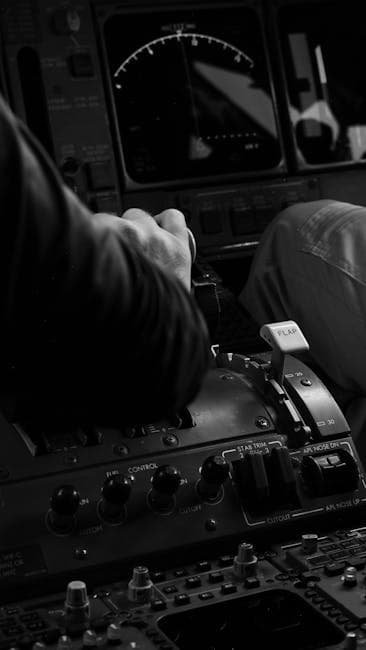
Becoming a pilot is a rigorous yet incredibly rewarding journey, demanding dedication, precision, and a substantial investment in training. For many, the allure of commanding an aircraft and traversing the globe is a powerful motivator. However, the path to the cockpit involves specific stages, each with its own requirements and costs. Understanding these steps is crucial for anyone asking how to become a pilot and contemplating a career in aviation.
This guide will demystify the process, from initial medical assessments to advanced flight certifications, and address the critical question: how much does it cost to become a pilot? We will also explore how studying for an aviation degree in North Cyprus can offer a globally recognized and cost-effective pathway, leveraging the unique accreditation advantages of its universities.
The Essential Steps to Become a Pilot
The journey to becoming a commercial pilot is structured into several distinct phases, each building upon the last. While specific regulations may vary slightly by country (e.g., those set by the European Union Aviation Safety Agency (EASA) or the Federal Aviation Administration (FAA) in the US), the core progression remains consistent globally. Aspiring pilots must navigate medical clearances, theoretical knowledge instruction, practical flight training, and a series of examinations.
Key Stages in Pilot Training
Initial Medical Examination
Before any flight training begins, candidates must pass a stringent medical examination, typically a Class 1 Medical Certificate for commercial pilots. This ensures you meet the physical and mental health standards required for aviation safety. Conditions like severe vision impairment, certain heart conditions, or neurological disorders can be disqualifying.
Private Pilot License (PPL)
The PPL is your first step. It allows you to fly single-engine aircraft for recreational purposes. Training involves approximately 40-60 hours of flight time, including solo flights, cross-country navigation, and instrument training. You'll also complete ground school covering aerodynamics, meteorology, navigation, and regulations, culminating in written and practical exams.
Instrument Rating (IR)
An Instrument Rating permits you to fly under Instrument Flight Rules (IFR), meaning you can fly in various weather conditions by relying solely on the aircraft's instruments. This involves about 40-50 hours of instrument flight instruction and a comprehensive theoretical exam.
Commercial Pilot License (CPL)
The CPL is essential for flying for hire or reward. It requires a minimum of 200-250 hours of total flight time (depending on the regulatory authority and training path), including advanced maneuvers, complex aircraft training, and night flying. The ground school covers commercial operations, and you must pass both written and practical exams.
Multi-Engine Rating (MEP)
Most commercial aircraft have multiple engines. This rating allows you to fly multi-engine planes and is often integrated into CPL training or pursued shortly after. It involves specific flight instruction and a checkride in a multi-engine aircraft.
Airline Transport Pilot License (ATPL) Theory
While the full ATPL requires significant flight experience (1,500 hours), aspiring airline pilots typically complete the ATPL theoretical knowledge exams during their initial training. This involves extensive study in subjects like air law, aircraft systems, flight planning, human performance, and meteorology. Many integrated programs combine CPL and ATPL theory.
Flight Instructor Rating (FI) / Multi-Crew Co-operation (MCC) / Jet Orientation Course (JOC)
After obtaining a CPL, many pilots build flight hours by becoming instructors. Alternatively, specific courses like MCC (essential for multi-pilot aircraft operations) and JOC (familiarization with jet aircraft systems and handling) are often required by airlines before employment. These bridge the gap between single-pilot commercial flying and airline operations.
Type Rating
Once hired by an airline, pilots undergo a 'type rating' course for the specific aircraft they will fly (e.g., Boeing 737, Airbus A320). This is an intensive, aircraft-specific training program conducted by the airline or an approved training organization, often in full-motion simulators.
How Much Does It Cost to Become a Pilot? A Detailed Breakdown
The question of how much does it cost to become a pilot is often the most daunting for prospective students. Pilot training is notoriously expensive, primarily due to the high costs associated with aircraft rental, fuel, instructor fees, simulator time, and examination fees. The total cost can vary significantly based on the country, the type of flight school (modular vs. integrated), and whether you pursue an aviation degree program.
Typical Cost Estimates by License Type (International Averages)
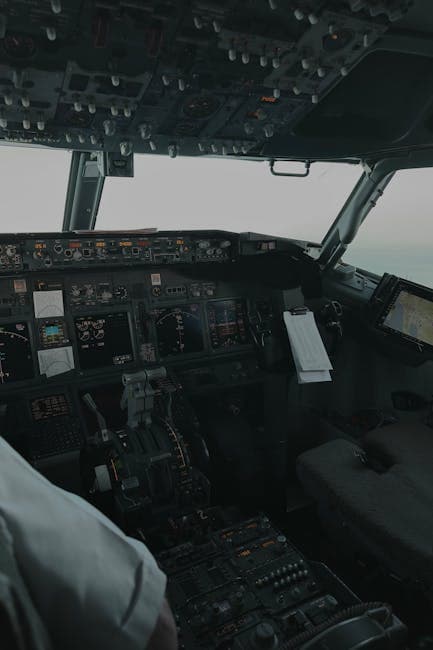
These figures are approximate and can fluctuate based on fuel prices, instructor rates, and specific school packages. They generally cover tuition, flight hours, ground school materials, and examination fees, but often exclude living expenses, medical exams, and type ratings.
Estimated Costs for Pilot Licenses
Private Pilot License (PPL)
USD $10,000 - $18,000. This is the foundational license, allowing you to fly recreationally. Costs vary based on the aircraft used and the number of hours required to reach proficiency.
Instrument Rating (IR)
USD $10,000 - $15,000. Essential for flying in less-than-ideal weather conditions, relying on instruments.
Commercial Pilot License (CPL)
USD $25,000 - $40,000. This allows you to fly for compensation or hire. It requires more advanced training and flight hours.
Airline Transport Pilot License (ATPL) Theory & Hour Building
USD $60,000 - $120,000 (for an integrated program leading to 'frozen ATPL'). This comprehensive training package includes CPL, IR, MEP, MCC, JOC, and sufficient hours to qualify for airline entry. The full ATPL is granted after accumulating 1,500 flight hours.
Type Rating
USD $20,000 - $40,000. This is aircraft-specific training, often covered by the airline if you are hired, but can be an out-of-pocket expense for self-sponsored pilots.
Cost Comparison: Pilot Training in Different Countries
The geographical location of your training significantly impacts the overall cost. Countries with lower living expenses and less congested airspace often offer more affordable options without compromising quality. Here's a general comparison:
| Region/Country | Estimated Cost (USD) |
|---|---|
| United States | $80,000 - $120,000 |
| United Kingdom (EASA) | $90,000 - $130,000 |
| Canada | $70,000 - $100,000 |
| Australia | $80,000 - $110,000 |
| Europe (e.g., Spain, Greece for EASA) | $70,000 - $100,000 |
| North Cyprus (integrated degree programs) | $50,000 - $80,000 (excluding university tuition for non-flight components) |
These figures are for flight training only and do not include university tuition for degree programs that integrate flight training. When considering an aviation degree, the overall cost will include both academic tuition and flight training fees, which are often separate components.
Funding Your Pilot Training: Scholarships, Loans, and Sponsorships
Given the significant investment required, exploring funding options is a crucial part of planning how to become a pilot. Several avenues exist to help aspiring pilots manage the costs:
Scholarships and Grants
Various aviation organizations, airlines, and governmental bodies offer scholarships to support pilot training. These can be merit-based, need-based, or targeted at specific demographics. For instance, the European Union Aviation Safety Agency (EASA) occasionally promotes grants, and many national aviation authorities or pilot associations provide funding opportunities. Students should actively research scholarships offered by their home country's aviation sector, international foundations, and even specific flight schools.
Student Loans
Traditional student loans are a common way to finance higher education, including aviation degree programs. Many banks and financial institutions offer specialized education loans for vocational training or university studies. Government-backed student loan schemes, such as those in the US or some European countries, may also be accessible. For international students, securing a loan might require a co-signer or specific collateral.
Airline Sponsorships and Cadet Programs
Some major airlines run cadet programs where they sponsor a portion or even the entirety of a pilot's training in exchange for a commitment to work for the airline for a set number of years after qualification. These programs are highly competitive but offer a direct pathway to employment and significantly reduce the financial burden. While less common than in previous decades, opportunities still arise, particularly as the industry faces pilot shortages.
Pilot Training and Aviation Degrees in North Cyprus
North Cyprus is emerging as an attractive destination for aspiring international pilots due to its high-quality, internationally recognized aviation degree programs and comparatively affordable costs. Universities in North Cyprus offer structured academic programs that integrate theoretical knowledge with practical flight training, providing a holistic education for future aviation professionals.
For instance, the University of Kyrenia (UK) offers a Professional Flight Training program, designed to take students from zero flight experience to a 'frozen ATPL' status. Similarly, Near East University (NEU) provides a Professional Pilotage (Flight Training) program. These programs are meticulously designed to meet international aviation standards, including those of the Directorate General of Civil Aviation (DGCA) of Turkey, which aligns with EASA regulations.
International Recognition and Employability
A significant advantage of studying aviation in North Cyprus is the robust international recognition of its university degrees. All North Cyprus university degrees, including those in aviation, are issued with the EU Diploma Supplement. This document provides a standardized description of the nature, level, context, content, and status of the studies successfully completed, making the qualification easily readable and accepted by European universities for further study and by European employers for work. This is particularly beneficial for a field like aviation, which demands cross-border professional standards and mobility.
Furthermore, these degrees are accredited by Turkey's Council of Higher Education (YÖK), ensuring academic equivalence to degrees from Turkish state universities. This dual accreditation (EU Diploma Supplement and YÖK) provides graduates with strong international mobility, opening realistic career and further-study opportunities across Europe, Turkey, and globally. For an aspiring pilot, this means their qualifications are understood and valued by airlines and aviation authorities worldwide, enhancing their employability.
Admissions to North Cyprus Aviation Programs

North Cyprus universities maintain one of the most accessible admissions policies in the region, a significant advantage for international students. Unlike many other global institutions, North Cyprus universities do not require external English-language proficiency exams such as IELTS, TOEFL, Pearson PTE, Cambridge English, or Duolingo English Test for admission. This removes a common barrier for many international applicants.
Admission is primarily based on your secondary-school transcript. For graduate programs, your bachelor's transcript is the key document. There are no competitive entrance exams administered at the application stage. Applicants who do not already hold an English-language qualification (such as a high school diploma from an English-medium institution) will take an in-house English Proficiency Exam upon arrival at the university. This is a placement test, not an admission gate. If a student does not pass this in-house exam, they will enter the university's English Preparatory School for typically one academic year before commencing their degree program, with no second admission decision required.
Cost-Effectiveness of Aviation Degrees in North Cyprus
While pilot training is inherently expensive, North Cyprus offers a more budget-friendly option compared to many Western countries. The overall cost of an integrated aviation degree, combining academic study with flight training, can range from approximately USD $50,000 to $80,000 for the flight training component, in addition to university tuition fees which typically range from USD $5,000 to $8,000 per academic year after scholarships for aviation management degrees, and slightly higher for professional pilotage degrees. This makes the total investment significantly lower than comparable programs in the US, UK, or Australia.
Universities like the University of Kyrenia and Near East University offer various scholarships, often covering 50% or even 75% of the tuition fees for international students. These scholarships are typically merit-based or automatically applied upon admission, further reducing the financial burden. The lower cost of living in North Cyprus also contributes to overall savings, making it an attractive destination for students seeking quality education without exorbitant expenses. You can explore available scholarships on our scholarship support page.
Career Prospects and Global Mobility with a North Cyprus Aviation Degree
Graduates of aviation programs from North Cyprus universities are well-positioned for diverse career opportunities in the global aviation industry. The combination of a robust academic curriculum, practical flight training, and the dual accreditation of their degrees (EU Diploma Supplement and YÖK) ensures that their qualifications are highly transferable.
Pilots with a 'frozen ATPL' from a North Cyprus institution can pursue roles with commercial airlines, cargo operators, charter companies, and even corporate aviation departments. The international recognition stemming from the Bologna Process alignment and YÖK accreditation means that these graduates are not confined to a single regional job market but can realistically apply for positions across Europe, Turkey, the Middle East, Africa, and Asia. This strong international mobility is a core advantage, providing a wide array of options for career progression and specialization in a dynamic global industry.
Student Life and Support in North Cyprus
Beyond academic and flight training excellence, North Cyprus offers a vibrant and supportive environment for international students. The island nation boasts a Mediterranean climate, a rich cultural heritage, and a welcoming atmosphere. Universities provide extensive student support services, including student accommodations, career counselling, and visa guidance.
The cost of living is generally lower than in many European countries, allowing students to manage their budgets more effectively. This affordability, combined with the high quality of education and the unique international recognition of degrees, makes North Cyprus an increasingly popular choice for students worldwide. For those ready to start their aviation journey, exploring the programs at North Cyprus universities is a strategic first step.
Frequently Asked Questions About Becoming a Pilot
Aviation Programs at North Cyprus Universities
Hand-picked programs from North Cyprus universities you can apply to directly.

Ready to Take Flight? Explore Aviation Programs in North Cyprus
Start your journey to becoming a pilot with a globally recognized and affordable degree. Our advisors can help you find the perfect program.