Study Pilotage in North Cyprus
No IELTS or entrance exam required — admission is based on your transcript.

The Sky's the Limit: Why Pursue a Pilot Career?
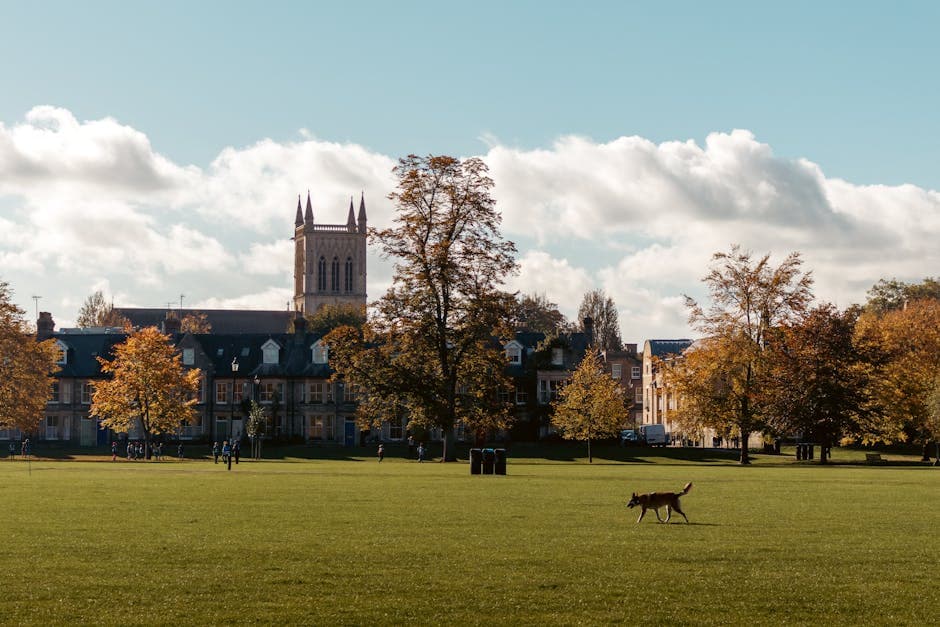
The allure of the cockpit, the challenge of commanding sophisticated aircraft, and the opportunity to travel the world make a pilot career highly desirable. Beyond the romance of flight, the aviation industry offers competitive salaries, significant responsibility, and a dynamic work environment. As of 2026, the global air travel sector continues its strong recovery and expansion, fueled by increasing passenger numbers and cargo demand. This growth translates directly into a sustained need for qualified pilots across commercial airlines, cargo operations, and military forces worldwide.
For many, the journey to become a pilot begins with a clear vision: whether it's navigating international routes for a major airline or serving their country as an air force pilot. Each path, while distinct, demands a unique blend of academic preparation, rigorous training, and unwavering dedication. Understanding the specific requirements and pathways is the first step in transforming this ambition into a tangible career.
Steps to Become a Pilot: The Commercial Aviation Path
The journey to becoming a commercial pilot is structured and progressive, typically involving several key stages from initial flight experience to advanced certifications. This path focuses on developing the skills and knowledge required to operate aircraft safely and efficiently in a civilian context, transporting passengers or cargo.
Key Stages to Becoming a Commercial Pilot
Obtain a Private Pilot License (PPL)
This is the foundational license, allowing you to fly single-engine aircraft under visual flight rules. It typically requires 40-60 hours of flight time, including solo flights and cross-country navigation, and passing both a written exam and a practical flight test.
Accumulate Flight Hours and Ratings
After your PPL, you'll need to build significant flight experience. This includes obtaining an Instrument Rating (IR) to fly in varying weather conditions using instruments, and a Multi-Engine Rating (ME) to operate aircraft with more than one engine. Commercial pilots typically need 200-250 hours for their Commercial Pilot License (CPL).
Earn a Commercial Pilot License (CPL)
The CPL is the minimum requirement for paid flying. It demands more advanced maneuvers, navigation skills, and a deeper understanding of aviation regulations. This license opens doors to careers such as flight instruction, banner towing, or aerial photography, which further help accumulate flight hours.
Achieve an Airline Transport Pilot License (ATPL)
To fly for major airlines as a captain, the ATPL is essential. This license requires a minimum of 1,500 flight hours, including specific amounts of cross-country, night, and instrument flight time. It involves extensive theoretical knowledge exams and a final practical test.
Type Rating and Airline Training
Once you have your ATPL, airlines will provide specific training for the aircraft you'll be flying (e.g., Boeing 737, Airbus A320). This 'type rating' involves simulator training and supervised flights, culminating in a checkride to ensure proficiency on that particular aircraft type.
Throughout these stages, continuous learning, adherence to safety protocols, and maintaining peak physical and mental fitness are paramount. The entire process, from PPL to ATPL and type rating, can take anywhere from 2 to 4 years, depending on the intensity of training and individual progress.
Educational Requirements for Aspiring Pilots
While it is technically possible to become a pilot without a university degree, a bachelor's degree in an aviation-related field offers significant advantages. These include a deeper understanding of aviation systems, aerodynamics, meteorology, air traffic control, and airline operations. Furthermore, many airlines prefer or even require a bachelor's degree for their pilot recruits, especially for leadership positions.
North Cyprus offers several excellent academic pathways for aspiring pilots. Universities such as Eastern Mediterranean University (EMU) and Near East University (NEU) offer Bachelor of Science programs in Aviation Management, providing a strong theoretical foundation in the business and operational aspects of the aviation industry. Girne American University (GAU) and the University of Kyrenia (UK), on the other hand, offer Professional Pilotage programs that often integrate academic study with practical flight training through partnerships with flight schools. For instance, the University of Kyrenia's Professional Pilotage program is designed to meet the rigorous standards for obtaining an ATPL, combining academic coursework with flight instruction.
A significant advantage of pursuing an aviation degree in North Cyprus is the international recognition of the qualifications. Degrees from North Cyprus universities are issued with the EU Diploma Supplement. This document enhances the transparency and academic recognition of your degree across the European Higher Education Area, making it easier to pursue further studies or career opportunities within Europe. Additionally, these degrees are accredited by Turkey's Council of Higher Education (YÖK), ensuring academic equivalence to degrees from Turkish state universities. This dual accreditation provides graduates with robust international mobility, opening doors for careers and advanced education in Europe, Turkey, and beyond.
How to Become an Air Force Pilot: Specifics and Pathways
Becoming an air force pilot involves a different, often more rigorous, pathway focused on military service and national defense. This career demands not only exceptional flying skills but also leadership capabilities, physical resilience, and a commitment to military discipline. The process typically begins with joining the armed forces and then applying for pilot training within that structure.
Key steps to become an air force pilot generally include:
- Academic Qualification: Most air forces require a bachelor's degree. This can be in any field, but STEM subjects (Science, Technology, Engineering, Mathematics) are often preferred. Some countries offer dedicated military academies where cadets earn a degree while undergoing initial military training.
- Officer Training: Aspiring pilots must first become commissioned officers. This involves completing officer training school, which focuses on leadership, military strategy, and physical conditioning.
- Flight School: Upon commissioning, candidates enter specialized flight training programs tailored for military aviation. This training is highly intensive, covering basic flight, advanced tactical maneuvers, and specific aircraft types (e.g., fighter jets, transport aircraft, helicopters).
- Service Commitment: Air force pilots typically incur a significant service commitment, often 8-10 years, after completing their flight training.
Physical and mental standards for air force pilots are exceptionally high, including stringent vision, hearing, and psychological evaluations. Candidates must demonstrate not only academic prowess but also superior problem-solving skills under pressure and an unwavering commitment to duty.
Comparing Paths: Commercial Pilot vs. Air Force Pilot
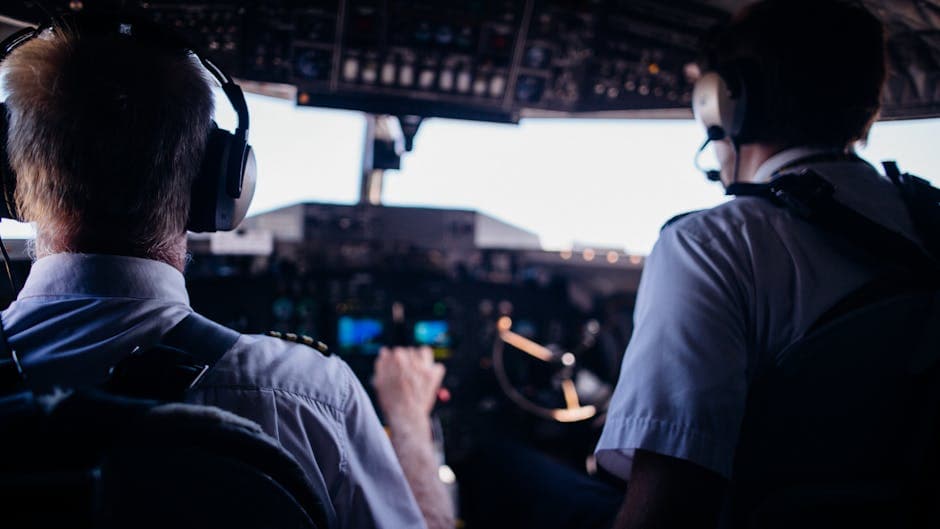
While both commercial and air force pilots share a passion for flight, their training, career progression, and daily responsibilities diverge significantly. Understanding these differences is crucial for anyone considering either path. The choice often depends on personal aspirations, tolerance for risk, and desired lifestyle.
| Feature | Commercial Pilot | Air Force Pilot |
|---|---|---|
| Primary Role | Transport passengers/cargo for airlines; private charter | National defense, combat, reconnaissance, transport for military |
| Training Focus | Civilian flight schools, focused on commercial operations, safety, regulations | Military academies, intense combat/tactical training, leadership, discipline |
| Funding | Self-funded (loans, savings) or airline sponsorship | Government-funded, part of military service |
| Aircraft Types | Passenger jets (Boeing, Airbus), cargo planes, business jets | Fighter jets, bombers, transport aircraft, reconnaissance planes, helicopters |
| Career Progression | First Officer to Captain, potential for management roles | Officer ranks, command positions, specialized roles (test pilot, instructor) |
| Lifestyle | Scheduled routes, international travel, variable hours, home base | Deployments, unpredictable schedules, high-stress environments, military base life |
| Post-Service Opportunities | Highly sought after by commercial airlines due to experience | Often transition to commercial aviation or government roles |
The skills developed in either path are highly transferable. Many air force pilots transition to commercial aviation after completing their military service, bringing with them invaluable experience in complex aircraft operations, decision-making under pressure, and leadership. Conversely, commercial pilots often possess a deep understanding of civil aviation regulations and operational efficiency.
North Cyprus: A Launchpad for Your Aviation Career
For international students looking to lay a solid academic foundation for an aviation career, North Cyprus presents a compelling option. The universities here offer programs that are both academically rigorous and internationally recognized, preparing students for the demanding world of aviation. For example, the Professional Pilotage program at Girne American University aims to equip students with the necessary theoretical knowledge and practical skills to pursue a career as a professional pilot, often in collaboration with certified flight training organizations.
The academic programs, such as Aviation Management at Eastern Mediterranean University, typically cover subjects ranging from aviation law and safety management to airline economics and airport operations. These programs are designed to provide a holistic understanding of the industry, which is invaluable whether you aim to be in the cockpit or in aviation management. Tuition fees for bachelor's degrees in aviation-related fields at North Cyprus universities typically range from $6,000 to $9,000 USD per academic year, before scholarships. Most universities offer significant scholarships, often between 50% and 75%, to international students, making these programs highly accessible. Intake months are primarily September and February, aligning with international academic calendars.
The strategic location of North Cyprus, at the crossroads of Europe, Asia, and Africa, also provides a unique perspective on global aviation trends. Furthermore, the emphasis on English-medium instruction across all programs ensures that graduates are well-prepared for an international career where English is the universal language of aviation. The Higher Education Planning, Evaluation, Accreditation and Coordination Council (YÖDAK) oversees the quality and accreditation of all higher education institutions in North Cyprus, ensuring adherence to international standards.
Navigating Admissions to North Cyprus Aviation Programs
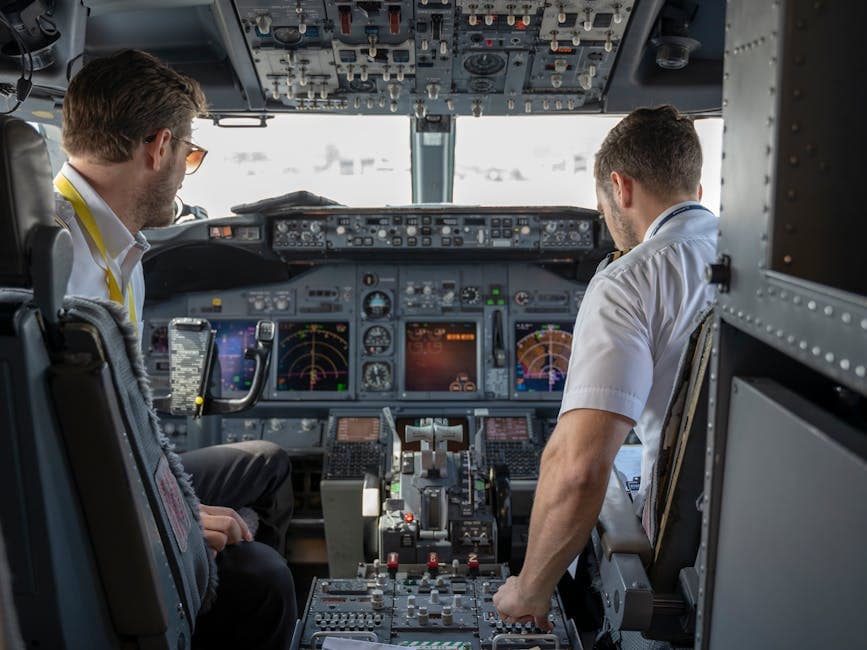
One of the most attractive aspects of studying in North Cyprus for international students is the straightforward admissions process. North Cyprus universities maintain one of the most open admissions policies in the region, focusing primarily on an applicant's academic record rather than standardized tests.
Specifically, North Cyprus universities do not require external English-language proficiency exams such as IELTS, TOEFL, Pearson PTE, Cambridge English, or Duolingo English Test for admission. Similarly, standardized entrance exams like SAT, ACT, GRE, or GMAT are not required, nor do universities administer competitive entrance exams at the application stage. Admission is primarily based on your secondary-school transcript (and for graduate programs, your bachelor's transcript). This policy simplifies the application process significantly for international students.
Upon arrival at the university, applicants who do not already hold an English-language qualification (such as a high school diploma from an English-medium institution) will take an in-house English Proficiency Exam. This is a placement test, not an admission gate. If a student does not pass this in-house exam, they will enter the university's English Preparatory School, typically for one academic year, before commencing their degree program. This preparatory year ensures students have the necessary language skills to succeed in their studies, with no second admission decision required after completing Prep School. Even for competitive programs like Professional Pilotage, the admission policy remains consistent: no external tests or entrance exams at the application stage, though higher GPA expectations on the transcript may apply.
FAQs About Becoming a Pilot
Frequently asked questions
Aviation programs at North Cyprus universities
Hand-picked programs from North Cyprus universities you can apply to directly.

Ready to Launch Your Aviation Career in North Cyprus?
Explore top-tier aviation and pilotage programs at internationally recognized universities. Start your application today and take the first step towards a rewarding career in the skies.