Study Pilotage in North Cyprus
No IELTS or entrance exam required — admission is based on your transcript.

The Dream of Flight: Navigating Your Path to Becoming a Pilot

For many, the dream of soaring through the skies as a commercial pilot is a powerful aspiration. The journey to achieving this dream, however, is complex, requiring specialized training, significant financial investment, and adherence to stringent international standards. Prospective pilots often begin their search with queries like how to become a pilot in Texas, considering local options and their associated costs and pathways.
While Texas offers numerous flight schools and aviation programs, it is essential for aspiring international pilots to explore global alternatives that might provide a more accessible or cost-effective route without compromising on quality or international recognition. North Cyprus has emerged as a compelling destination for aviation education, offering EASA-compliant programs that prepare students for a global career, often at a fraction of the cost found in traditional Western markets.
Understanding How to Become a Pilot: The Core Requirements
Regardless of where you choose to train, the fundamental steps to how to become a pilot remain largely consistent, governed by international aviation authorities like the International Civil Aviation Organization (ICAO). These steps are designed to ensure pilots possess the necessary knowledge, skills, and physical fitness to operate aircraft safely and efficiently. The process is demanding but structured, leading to internationally recognized licenses and ratings.
A comprehensive pilot training program integrates theoretical ground school instruction with extensive practical flight experience. Aspiring pilots must progress through various stages of certification, each building upon the last, to achieve the qualifications required for commercial aviation. Choosing a program that aligns with globally accepted standards, such as those set by the European Union Aviation Safety Agency (EASA), is paramount for international career mobility.
Key Steps to Pilot Certification
Medical Certification
Obtain a Class 1 Medical Certificate from an approved aviation medical examiner. This is a strict physical and mental health evaluation, a prerequisite for all pilot training.
Ground School Training
Complete theoretical instruction covering subjects like aerodynamics, meteorology, navigation, aircraft systems, air law, and human performance. This knowledge forms the foundation for safe flight operations.
Flight Training Hours
Accumulate a specified number of flight hours under the supervision of certified instructors. This includes dual instruction (with an instructor) and solo flight time, progressing from basic maneuvers to complex instrument procedures.
License and Rating Acquisition
Earn various licenses and ratings, typically starting with a Private Pilot License (PPL), followed by an Instrument Rating (IR), Commercial Pilot License (CPL), Multi-Engine Rating (ME), and eventually the Airline Transport Pilot License (ATPL) through modular or integrated courses.
Written and Practical Examinations
Pass rigorous written exams for each license and rating, as well as practical flight tests (checkrides) with designated examiners to demonstrate proficiency and adherence to safety standards.
Pilot Training in North Cyprus: Meeting International Standards
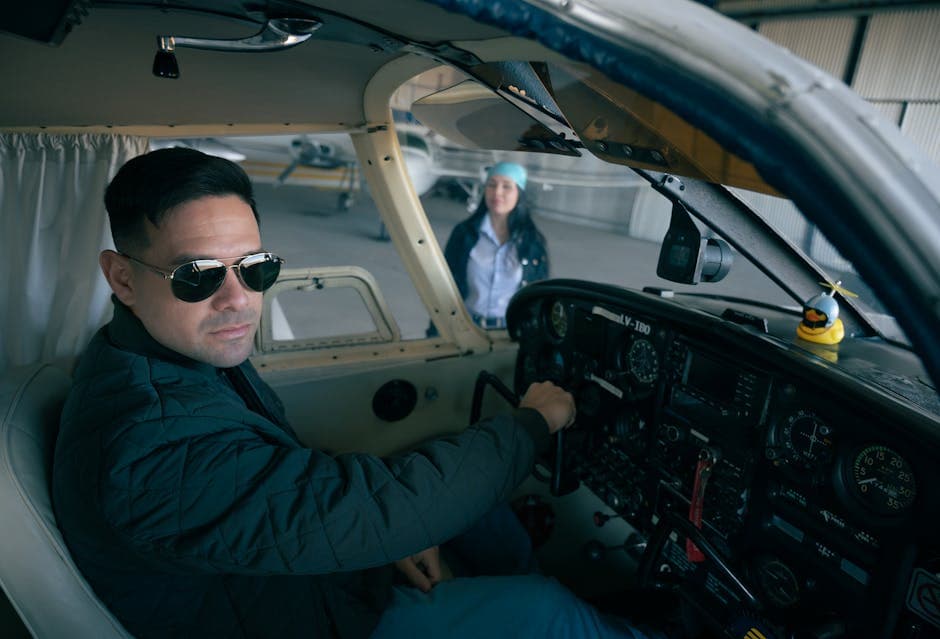
North Cyprus offers robust aviation programs designed to meet and exceed international standards, particularly those established by the European Union Aviation Safety Agency (EASA). This adherence to EASA regulations is a critical advantage, as EASA licenses are highly respected and widely recognized across Europe and many other parts of the world, providing graduates with excellent global mobility. Universities in North Cyprus integrate both the academic and practical components of pilot training, often partnering with approved flight training organizations.
Several prominent North Cyprus universities offer comprehensive aviation education. Girne American University (GAU), for instance, provides a Bachelor of Science in Professional Flight, meticulously structured to deliver EASA-compliant training. Similarly, the University of Kyrenia (UK) is a dedicated institution with a strong focus on maritime and aviation studies, offering a Bachelor of Science in Pilotage (Flight Training) that covers all necessary theoretical and practical modules. While Eastern Mediterranean University (EMU) does not offer direct pilotage, its Faculty of Aviation and Aeronautical Sciences provides related programs like Aviation Management, which can be a valuable complementary degree for aspiring pilots or those seeking roles in aviation operations.
These institutions often collaborate with certified flight academies to ensure students gain the required flight hours and practical experience using modern aircraft and simulators. This integrated approach means students receive a university degree alongside their flight licenses, offering a more holistic education than standalone flight schools. The curricula are regularly updated to reflect the latest advancements in aviation technology and safety protocols, ensuring graduates are well-prepared for the demands of the modern cockpit.
Cost Comparison: Texas vs. North Cyprus Aviation Programs
The financial commitment for pilot training is often the most significant hurdle for aspiring aviators. In the United States, including states like Texas, the total cost for obtaining an Airline Transport Pilot License (ATPL) can range from $80,000 to well over $150,000 USD, not including living expenses. These figures encompass tuition for ground school, flight hours, simulator time, examiner fees, and materials. This substantial investment can be prohibitive for many international students.
North Cyprus presents a compelling alternative with significantly lower costs for equivalent, internationally recognized aviation programs. While exact figures vary by university and program, the overall expense for pilot training in North Cyprus, including both tuition and living costs, is often substantially less than in the US. This affordability does not come at the expense of quality, as programs maintain high standards and EASA compliance.
| Category | Texas (USD) | North Cyprus (USD) |
|---|---|---|
| Tuition (Aviation Program) | $35,000 - $50,000 | $8,000 - $15,000 |
| Flight Training (per hour) | $150 - $250 | $100 - $180 |
| Accommodation (annual) | $10,000 - $18,000 | $3,000 - $6,000 |
| Living Expenses (annual) | $8,000 - $12,000 | $3,000 - $5,000 |
| Total Estimated Annual | $53,000 - $80,000 | $14,000 - $26,000 |
The significant difference in tuition and living expenses makes North Cyprus an attractive option for students seeking a high-quality education without the exorbitant price tag. Furthermore, while tuition is often quoted in USD or Euro, the local cost of living in Turkish Lira (TRY) offers considerable purchasing power, further reducing the overall financial burden. Many universities also offer scholarships, which can further decrease the net cost of education. This makes the path to how to become a pilot in Texas seem less daunting when considering global alternatives.
Global Employability: Degree Recognition and Career Pathways
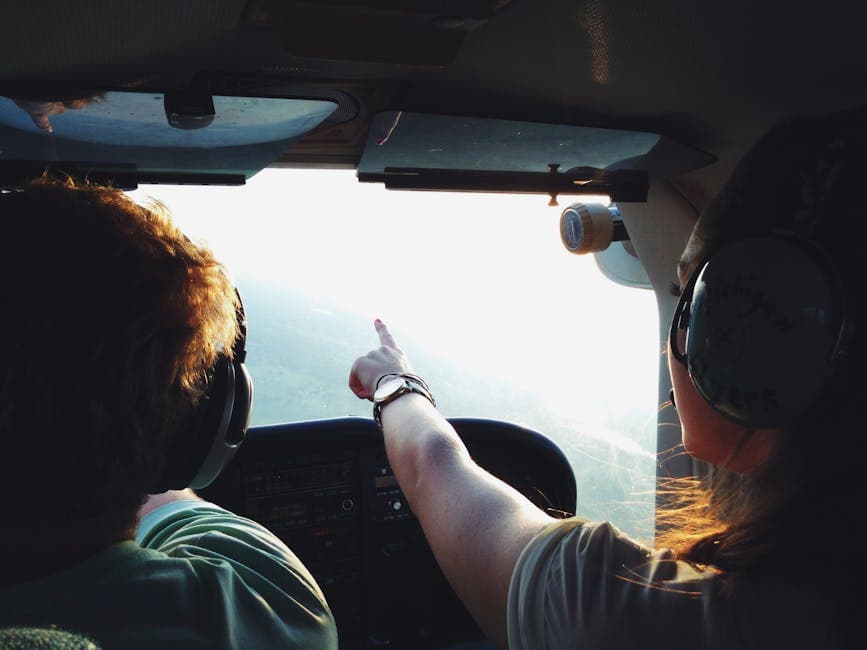
A key advantage of pursuing aviation education in North Cyprus is the robust international recognition of its degrees. All North Cyprus university degrees are issued with the EU Diploma Supplement, often referred to as the "blue diploma." This crucial document ensures that the qualification is transparent, readable, and accepted throughout the European Higher Education Area (EHEA). For aviation graduates, this means their academic credentials are well-understood by European universities for further postgraduate studies and by European employers in the competitive aviation sector.
In addition to the EU Diploma Supplement, North Cyprus universities are accredited by Turkey's Council of Higher Education (YÖK). This accreditation grants academic equivalence to degrees obtained from Turkish state universities, providing significant advantages for graduates who may wish to pursue career or further study opportunities in Turkey. The dual accreditation by both EHEA standards and YÖK ensures a broad base of recognition, enhancing the international mobility and employability of North Cyprus aviation graduates.
For pilots, this comprehensive recognition is invaluable. An EASA-compliant pilot license, combined with a university degree recognized across Europe and Turkey, opens doors to a wide array of career opportunities. Graduates can pursue roles with major airlines, cargo operators, charter companies, and flight instruction academies across Europe, the Middle East, Africa, and Asia. While direct conversion to an FAA license for employment in the United States typically requires additional specific training and examinations, the foundational EASA training is globally respected and provides a strong base for such conversions. The TRNC Ministry of National Education and the TRNC Higher Education Planning, Evaluation, Accreditation and Coordination Council (YÖDAK) ensure that these educational standards are rigorously maintained.
Admission Requirements and the Visa Process for Aspiring Pilots
One of the most attractive features of North Cyprus universities for international students, including those aspiring to be pilots, is their open and accessible admissions policy. Unlike many institutions globally, North Cyprus universities do not require IELTS, TOEFL, Pearson PTE, Cambridge English, Duolingo English Test, or any other external English-language proficiency exam for admission. Furthermore, they do not require SAT, ACT, GRE, GMAT, or any standardized entrance exam, nor do they administer a competitive entrance exam at the application stage for any program, including specialized ones like Pilotage.
Admission is primarily based on the applicant's academic transcript from secondary school. For graduate programs, the bachelor's transcript is the main criterion. This streamlined process means that prospective students can submit their documents and typically receive an offer of admission based on their academic record. Applicants who do not already hold an English-language qualification (e.g., an optional IELTS 5.5 or equivalent, which can be submitted to skip further assessment) will take an in-house English Proficiency Exam upon arrival at the university. This is a placement test, not an admission gate. Students who do not pass this in-house exam will enter the university's English Preparatory School, typically for one academic year, before commencing their degree program, without needing a second admission decision.
The student visa process for North Cyprus is generally straightforward. After securing an acceptance letter from a North Cyprus university, international students apply for an entry permit or student visa. Required documents typically include a valid passport, the official university acceptance letter, proof of financial means to cover tuition and living expenses, and academic transcripts. Our platform offers comprehensive student visa guidance to assist applicants through each step, ensuring a smooth transition to studying in North Cyprus.
Scholarships and Financial Support for Aspiring Pilots
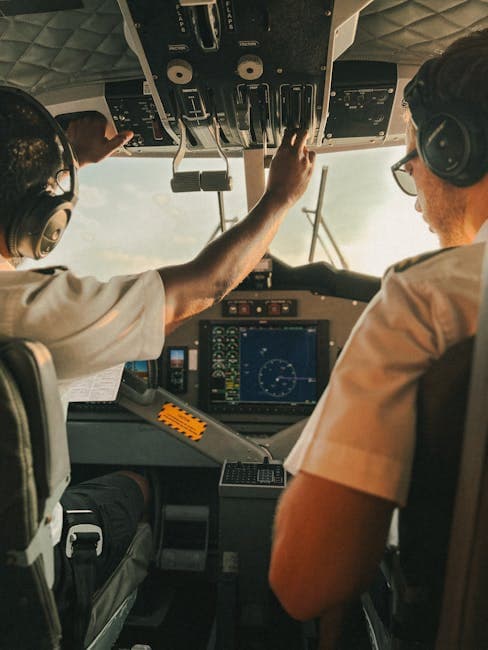
Recognizing the substantial investment required for aviation education, North Cyprus universities are committed to making pilot training accessible through various scholarship and financial aid opportunities for international students. These scholarships can significantly alleviate the financial burden, making the dream of flight a tangible reality for more students.
Many institutions, including Girne American University (GAU) and Eastern Mediterranean University (EMU), offer partial tuition scholarships, often ranging from 25% to 75% for eligible international students. These scholarships are typically awarded based on academic merit or demonstrated financial need and are applied directly to the tuition fees. Prospective students are strongly encouraged to explore available scholarship support options early in their application process, as deadlines and eligibility criteria can vary by university and program.
Beyond tuition-specific aid, some scholarships may also cover a portion of dormitory fees or provide modest stipends for living expenses, further reducing the overall cost of study. Students should meticulously review the scholarship offerings on each university's official website and prepare a strong application to maximize their chances of securing financial assistance. Early application for both admission and scholarships is often advantageous.
Student Life and Support in North Cyprus
Studying in North Cyprus offers a vibrant and enriching experience for international students. University campuses are modern, featuring state-of-the-art facilities, including specialized aviation laboratories, flight simulators, and advanced learning resources where applicable. The diverse student body creates a multicultural environment that fosters global understanding and networking opportunities, essential for a career in international aviation.
North Cyprus universities provide extensive support services tailored to international students. These include academic advising, career counselling, health services, and comprehensive student accommodations ranging from on-campus dormitories to off-campus apartments. The island's Mediterranean climate, rich history, and stunning natural landscapes offer numerous opportunities for recreation, cultural exploration, and a balanced student life outside of rigorous academic and flight training schedules.
The combination of a relatively low cost of living, a safe and welcoming atmosphere, and dedicated student support ensures that aspiring pilots can focus on their demanding studies and training without undue financial or logistical pressures. This supportive environment, coupled with internationally recognized degrees, makes North Cyprus a highly attractive and practical destination for those committed to becoming professional pilots.
Frequently Asked Questions About Pilot Training in North Cyprus
Explore Aviation Programs in North Cyprus
Hand-picked programs from North Cyprus universities you can apply to directly.

Ready to Launch Your Aviation Career?
Discover EASA-compliant pilot training programs in North Cyprus that offer international recognition and affordability. Start your application today and take the first step towards the cockpit.