Study Pilotage in North Cyprus
No IELTS or entrance exam required — admission is based on your transcript.

The Allure of the Skies: Why Pursue a Pilot Career?

For many, the dream of flying is a powerful motivator, promising a career filled with adventure, responsibility, and unparalleled views. Becoming a pilot means entering a profession that is not only prestigious but also critical to global connectivity, facilitating travel, trade, and emergency services. The demand for skilled aviators remains consistently high, driven by the expansion of airline fleets, growth in air cargo, and the need for pilots in various sectors such as corporate aviation, flight instruction, and aerial services.
Beyond the romantic appeal, a pilot's career offers competitive salaries and opportunities for continuous professional development. Pilots are problem-solvers, decision-makers, and leaders, entrusted with the safety of hundreds of lives and millions of dollars in equipment. This blend of technical skill, mental acuity, and a dynamic work environment makes aviation an exceptionally rewarding field for those who are passionate about it.
Navigating the Path: How to Become a Pilot
The journey to becoming a professional pilot is structured, progressive, and requires mastering a series of licenses and ratings. It begins with foundational flight skills and progresses to advanced operational competencies necessary for commercial aviation. The typical path involves several key stages, each building upon the last.
Key Steps to Becoming a Licensed Pilot
Obtain a Private Pilot License (PPL)
This is the first significant step, allowing you to fly for recreational purposes. It involves ground school to learn aviation theory (aerodynamics, navigation, meteorology, regulations) and approximately 40-60 hours of flight training, including solo flights and cross-country navigation. You must pass a written exam and a practical flight test (checkride).
Acquire an Instrument Rating (IR)
The IR allows you to fly under Instrument Flight Rules (IFR), meaning you can operate in a wider range of weather conditions, relying solely on instruments rather than visual cues. This rating is crucial for professional pilots and involves additional ground instruction and at least 40 hours of instrument flight time.
Earn a Multi-Engine Rating (MER)
While not always a prerequisite for a Commercial Pilot License, the MER is essential for flying aircraft with more than one engine, which includes most commercial airliners. This rating involves specific training on multi-engine aircraft characteristics and emergency procedures.
Achieve a Commercial Pilot License (CPL)
With a CPL, you can fly for compensation or hire. This requires more advanced flight maneuvers, a deeper understanding of aviation systems, and typically a minimum of 200-250 total flight hours (depending on the country's regulations and training path). Like the PPL, it culminates in a written exam and a practical checkride.
Accumulate Flight Hours and Ratings
After the CPL, pilots often work as flight instructors, banner towers, or cargo pilots to build significant flight hours. Many also pursue additional ratings, such as a Certified Flight Instructor (CFI) rating, to gain experience and further their careers. For airline careers, an Airline Transport Pilot License (ATPL) is the ultimate goal, requiring 1,500 hours of flight time and extensive theoretical knowledge.
Pass Medical Examinations
Throughout your career, maintaining a valid medical certificate is paramount. For commercial operations, a Class 1 Medical Certificate is required, involving stringent physical and mental health assessments. These exams are conducted by aviation medical examiners and must be renewed regularly.
Is Becoming a Pilot Hard? Understanding the Challenges
The question, is becoming a pilot hard?, is frequently asked by aspiring aviators. The honest answer is yes, it is challenging, but not insurmountable for those with dedication and aptitude. The difficulty stems from several factors, including the extensive time commitment, significant financial investment, rigorous academic and practical training, and the high standards for medical and psychological fitness.
Time Commitment and Academic Rigor

Integrated pilot training programs can take 2 to 4 years to complete, while modular paths, which allow for more flexibility, may extend over several more years. The academic component is demanding, covering subjects like aerodynamics, meteorology, air law, navigation, human factors, and aircraft systems. These subjects require a strong grasp of physics, mathematics, and critical thinking. Students must be prepared for continuous study, not just during initial training but throughout their careers, as regulations and technology evolve.
Financial Investment
The cost of pilot training is often the most significant barrier. Obtaining all necessary licenses and ratings for a commercial career can range from $70,000 to $150,000 USD or more, depending on the training path, location, and type of aircraft used. This includes tuition for ground school, flight hours, instructor fees, examination fees, and materials. While scholarships and loans are available, the initial investment is substantial.
Psychological and Physical Demands
Beyond academic and financial hurdles, pilots face considerable psychological and physical demands. The ability to make quick, sound decisions under pressure, maintain situational awareness, and manage stress is critical. Maintaining a Class 1 Medical Certificate requires ongoing health vigilance, as any significant health issue can jeopardize a pilot's career. The responsibility for hundreds of lives and expensive equipment places a unique burden that requires exceptional discipline and mental fortitude.
Pilot Training Pathways: Modular vs. Integrated Programs
When considering how to become a pilot, prospective students encounter two primary training structures: integrated and modular. Each offers distinct advantages and disadvantages, catering to different learning styles, financial situations, and career timelines.
Integrated Programs
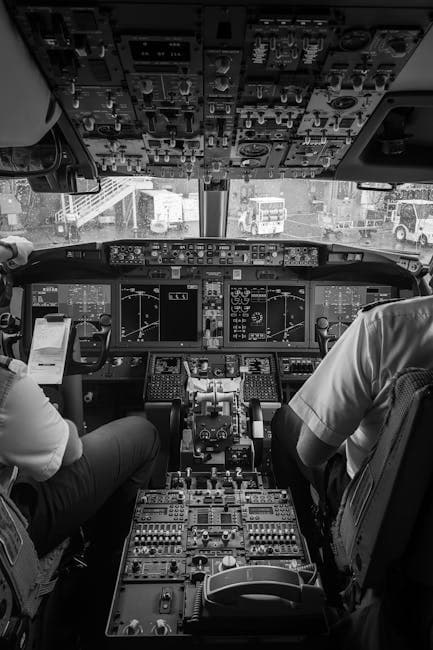
Integrated programs are full-time, structured courses typically offered by dedicated flight academies or university aviation departments. They combine ground school and flight training into a continuous, intensive curriculum, often leading to a 'frozen' ATPL (fATPL) upon completion. This means all theoretical exams for the ATPL are passed, and the minimum flight hours for a CPL with IR and MER are achieved. Students then need to accumulate 1,500 flight hours to unfreeze their ATPL and become an airline captain. Integrated programs are generally faster, taking 18 to 24 months, and are often preferred by airlines for their structured, disciplined approach. However, they come with a higher upfront cost.
Modular Programs
Modular programs allow students to obtain each license and rating separately, often over a longer period. This flexibility is ideal for individuals who need to work while studying or prefer to spread out the financial cost. Students can complete their PPL, then their IR, then their CPL, and so on, at their own pace. While potentially more cost-effective in the short term, the overall duration can be significantly longer, sometimes stretching over 3 to 5 years or more. Both pathways ultimately lead to the same licenses and career opportunities, but the journey differs.
| Feature | Integrated Program | Modular Program |
|---|---|---|
| Structure | Full-time, continuous curriculum | Part-time, license by license |
| Duration | 18-24 months | 3-5+ years (flexible) |
| Cost (upfront) | Higher | Lower (spread out) |
| Pace | Intensive, fast-paced | Self-paced, flexible |
| Airline Preference | Often preferred for structured training | Accepted, but may require more self-initiative |
Aviation Programs in North Cyprus: A Strategic Choice
For international students seeking a high-quality yet accessible path to a pilot career, North Cyprus presents a compelling option. Several universities in the Turkish Republic of Northern Cyprus (TRNC) offer comprehensive aviation programs, often combining robust academic curricula with practical flight training through established partnerships with flight schools. These programs are designed to meet international aviation standards, preparing graduates for global employment.
Leading institutions like Cyprus International University (CIU), Eastern Mediterranean University (EMU), Near East University (NEU), and University of Kyrenia (UK) offer Bachelor of Science programs in Professional Pilotage or similar aviation disciplines. For instance, CIU's Professional Pilotage (B.Sc.) program integrates theoretical knowledge with flight training conducted at partner flight academies, ensuring students gain both academic depth and practical flying skills. Similarly, EMU and NEU provide comprehensive pilotage degrees that adhere to international civil aviation regulations, often aligning with European Aviation Safety Agency (EASA) standards.
International Recognition and Employability
A significant advantage of pursuing aviation education in North Cyprus is the dual accreditation and recognition framework. Degrees issued by North Cyprus universities come with the EU Diploma Supplement. This document provides a standardized description of the nature, level, context, content, and status of studies completed, making the qualification transparent and readable across the European Higher Education Area. This means that a pilotage degree from a North Cyprus university is readily understood and accepted by European universities for further study and by European employers for work, enhancing graduates' international mobility.
Furthermore, these degrees are accredited by Turkey's Council of Higher Education (YÖK), ensuring academic equivalence to degrees from Turkish state universities. This dual recognition by both the EU Diploma Supplement and YÖDAK (the Higher Education Planning, Evaluation, Accreditation and Coordination Council of TRNC) and YÖK provides graduates with robust credentials that are respected across Europe, Turkey, and globally. This strong foundation significantly boosts the employability of North Cyprus aviation graduates in an industry that inherently demands cross-border professional standards.
Cost-Effectiveness of Studying Aviation in North Cyprus
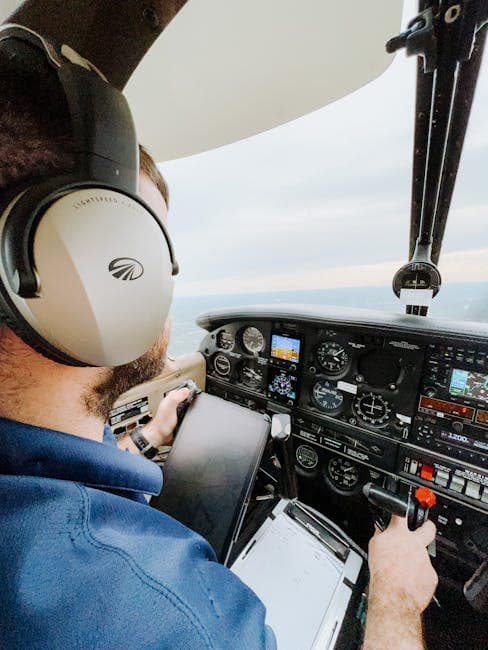
Compared to major aviation training hubs in North America or Western Europe, North Cyprus offers a notably more affordable pathway to becoming a pilot. While the total cost of pilot training remains substantial due to the inherent expenses of flight hours and aircraft maintenance, the academic portion of university programs and the overall cost of living are considerably lower.
Annual tuition fees for Bachelor of Science in Pilotage programs at universities like CIU, EMU, NEU, and UK typically range from $6,000 to $9,000 USD for the academic component after scholarships. This is often significantly less than equivalent university programs in the USA or UK, where tuition alone can easily exceed $20,000 - $30,000 USD annually. It is important to note that flight training costs are usually separate and additional, typically ranging from $40,000 to $80,000 USD depending on the licenses pursued and the flight school's rates.
| University | Estimated Annual Tuition (Academic) | Typical Scholarship Rate |
|---|---|---|
| Cyprus International University (CIU) | $6,500 - $8,000 USD | 50% - 75% |
| Eastern Mediterranean University (EMU) | $7,000 - $8,500 USD | 50% - 75% |
| Near East University (NEU) | $7,500 - $9,000 USD | 50% - 75% |
| University of Kyrenia (UK) | $6,000 - $7,500 USD | 50% - 75% |
Beyond tuition, the cost of living in North Cyprus is considerably lower than in many Western countries. Monthly expenses for accommodation, food, transportation, and personal needs typically range from $400 to $700 USD, allowing international students to manage their budgets more effectively. Many universities also offer student accommodations and meal plans, further simplifying living arrangements and reducing costs. This overall affordability makes North Cyprus an attractive destination for aspiring pilots from diverse economic backgrounds.
Your Application Journey to North Cyprus Aviation Programs
Applying to an aviation program in North Cyprus is a straightforward process, designed to be accessible for international students. The universities maintain one of the most open admissions policies in the region, focusing on academic merit rather than standardized test scores.
Admission Requirements: No External Tests Needed
A key advantage for international students is that North Cyprus universities do not require IELTS, TOEFL, Pearson PTE, Cambridge English, Duolingo English Test, SAT, ACT, GRE, GMAT, or any other external English-language proficiency exam or standardized entrance exam for admission. Admission decisions are primarily based on your secondary-school transcript (high school grades). For pilotage programs, a strong academic record, particularly in science and mathematics, is highly recommended and often expected.
Applicants who do not already hold an English-language qualification (such as a high school diploma from an English-medium institution) will take an in-house English Proficiency Exam upon arrival at the university. This is a placement test, not an admission gate. If a student does not pass this in-house exam, they will enter the university's English Preparatory School for typically one academic year before starting their degree. After completing Prep School, they proceed directly to their chosen program without needing a second admission decision. This policy ensures that language proficiency supports academic success without creating an initial barrier to entry.
Application Process and Intake Months
To start your application, you will typically need to submit your secondary school leaving certificate and transcript, a copy of your passport, and a passport-sized photograph. Some universities may also request a letter of recommendation or a personal statement, though this is less common for undergraduate admissions. Once your documents are reviewed, you will receive an offer of admission.
North Cyprus universities generally have two main intake periods: the Fall intake (starting around September/October) and the Spring intake (starting around February/March). Applying well in advance of these deadlines is advisable, especially for competitive programs like pilotage, to allow ample time for visa processing and scholarship support applications. Our student visa guidance can assist you through this process.
Frequently Asked Questions About Becoming a Pilot
Explore Aviation Programs in North Cyprus
Hand-picked programs from North Cyprus universities you can apply to directly.

Ready to Take Flight? Start Your Pilot Journey in North Cyprus
Discover world-class aviation programs with international recognition and affordable living costs. Our advisors can help you navigate the application process and find the perfect university.