Study Pilotage in North Cyprus
No IELTS or entrance exam required — admission is based on your transcript.

The Sky's the Limit: Understanding How to Become a Pilot

The dream of flying an aircraft, whether for commercial airlines, cargo operations, or private charters, captivates many. However, the journey to becoming a licensed pilot is rigorous, requiring extensive training, specialized knowledge, and significant investment. Aspiring pilots must navigate a complex landscape of educational pathways, regulatory requirements, and financial considerations to achieve their wings.
The path typically involves acquiring various licenses and ratings, starting with a Private Pilot License (PPL) for recreational flying, progressing to a Commercial Pilot License (CPL) for paid work, and ultimately aiming for an Airline Transport Pilot License (ATPL), which is the highest level of aircraft pilot certification and required for commanding commercial airline flights. Each stage demands specific flight hours, theoretical examinations, and practical skill tests.
Traditional vs. University-Based Flight Training: Pathways to the Cockpit
There are two primary routes for individuals looking to become a pilot: traditional standalone flight schools (often referred to as Flight Training Organizations or FTOs) and university-based aviation programs. Each pathway offers distinct advantages and disadvantages in terms of structure, cost, and career integration.
Traditional flight schools focus exclusively on flight training and ground school, often allowing for a more accelerated path to obtaining licenses. Students typically complete modular courses, gaining licenses incrementally. While this can sometimes be quicker, it often means students are responsible for securing their own academic qualifications and may lack the broader educational background that a university degree provides.
The Integrated University Approach
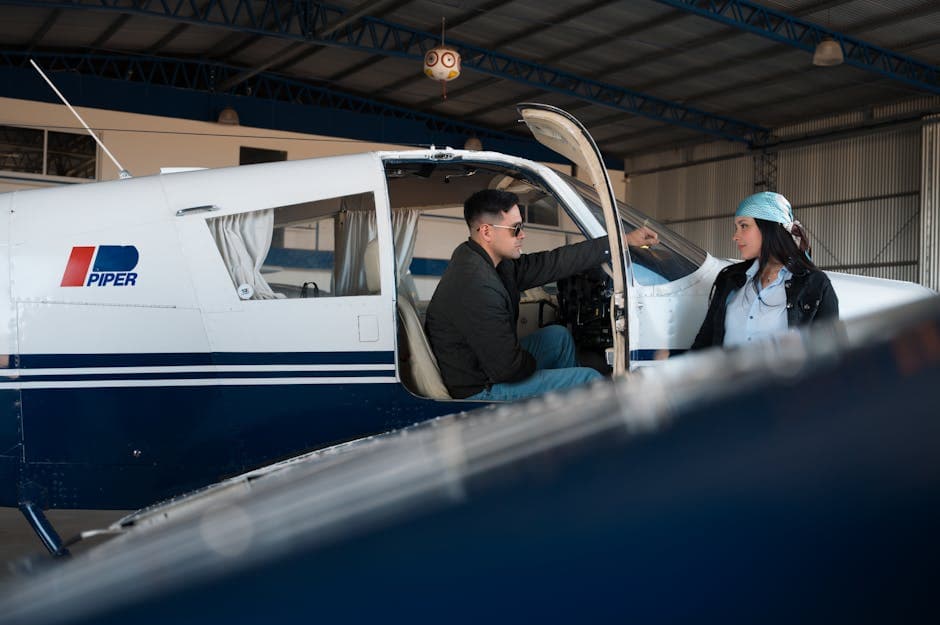
University-based programs, on the other hand, integrate flight training with a bachelor's degree in aviation, such as Aviation Management or Professional Pilotage. These programs offer a holistic education, combining technical flight skills with academic subjects like aerodynamics, aviation law, meteorology, air traffic control, and airline operations management. Graduates emerge not only with their pilot licenses but also with a recognized academic degree, which can enhance career prospects in various aviation sectors, including management, safety, or further academic pursuits.
For international students, a university degree also provides a structured environment, comprehensive support services, and often, clearer pathways for visa and immigration processes. Furthermore, the academic rigor of a university program can instill a deeper understanding of aviation principles, fostering critical thinking and problem-solving skills vital for complex operational environments. The accreditation of these degrees, particularly in regions like North Cyprus, offers significant advantages for global mobility.
The Cost of Flying: Is It Possible to Become a Pilot for Free?
The cost associated with pilot training is undeniably high. A comprehensive program leading to a Commercial Pilot License (CPL) and multi-engine instrument rating can range from $70,000 to over $150,000 in countries like the United States or Canada. This figure typically covers flight hours, instructor fees, ground school, examination fees, and materials. University-based programs, which include a full bachelor's degree, can push this total even higher, often exceeding $200,000.
Given these substantial figures, the idea of becoming a pilot for free seems almost impossible. However, while entirely free training is rare, several pathways can significantly reduce or even eliminate the direct financial burden on the aspiring pilot. These typically involve highly competitive cadet programs or generous scholarship opportunities.
Cadet Programs: Company-Sponsored Training
One of the most direct routes to 'free' pilot training is through airline cadet programs. Major airlines like Emirates, Qatar Airways, Lufthansa, and British Airways occasionally run sponsored programs where they cover the full cost of flight training for selected candidates. In return, graduates are typically bonded to work for the sponsoring airline for a set number of years (e.g., 5-10 years) after completing their training. These programs are intensely competitive, requiring exceptional academic records, aptitude, and often, specific nationality or residency requirements.
These programs are not always available and their entry requirements are stringent, often including advanced psychometric testing, interviews, and medical assessments. However, for those who qualify, they represent an unparalleled opportunity to launch a career without the burden of substantial student loan debt.
Scholarships and Financial Aid

Beyond cadet programs, numerous scholarships and grants exist to support aspiring pilots. These can come from aviation organizations, government bodies, private foundations, or individual universities. While full scholarships covering all expenses are less common for flight training specifically, partial scholarships can significantly offset costs. For instance, the OECD's Education at a Glance reports on various national and international funding schemes that support higher education, some of which extend to specialized fields like aviation.
Pathways to Fund Your Pilot Training
Airline Cadet Programs
Direct sponsorship from major airlines covering full training costs, often with a commitment to work for the airline post-graduation. Highly competitive with rigorous selection processes.
University Scholarships
Many universities, particularly those offering aviation degrees, provide merit-based or need-based scholarships for international students. These can cover a significant portion of tuition fees.
Government Loans & Grants
Some countries offer student loans or grants specifically for vocational training or higher education, which can be applicable to aviation programs. Eligibility varies by nationality and residency.
Aviation-Specific Foundations
Organizations like the Ninety-Nines, Experimental Aircraft Association (EAA), and various national pilot associations offer scholarships to support flight training for diverse groups of aspiring aviators.
Becoming a Pilot in North Cyprus: A Strategic Advantage
North Cyprus has emerged as an increasingly attractive destination for international students seeking high-quality, internationally recognized education at a more affordable cost. This includes specialized fields such as aviation. Universities in North Cyprus offer structured degree programs that integrate theoretical knowledge with practical flight training, providing a comprehensive education for aspiring pilots and aviation professionals.
A key advantage of studying in North Cyprus is the accessible admissions policy. North Cyprus universities DO NOT require IELTS, TOEFL, or any other external English-language proficiency exam for admission. Furthermore, there are NO SAT, ACT, GRE, GMAT, or competitive entrance exams administered at the application stage. Admission is primarily based on your secondary-school transcript, making the application process straightforward for international students.
For instance, the University of Kyrenia (UK) is particularly renowned for its Professional Pilotage program, which is designed to meet international aviation standards and prepare students for a career as a commercial airline pilot. Other institutions like Near East University (NEU) and Girne American University (GAU) offer degrees such as Aviation Management, which provide a strong foundation for careers in airline operations, airport management, and other related fields, often with flight training components or pathways.
| University | Program | Estimated Annual Tuition (USD) | Typical Scholarship Cap |
|---|---|---|---|
| University of Kyrenia (UK) | Professional Pilotage (BSc) | $6,000 - $8,000 | 50% - 75% |
| Near East University (NEU) | Aviation Management (BSc) | $4,500 - $6,500 | 50% - 75% |
| Girne American University (GAU) | Pilotage (BSc) | $5,500 - $7,500 | 50% - 75% |
| Cyprus International University (CIU) | Aviation Management (BSc) | $4,000 - $6,000 | 50% - 75% |
These figures reflect tuition fees after the application of international student scholarships, which are widely available across North Cyprus universities. For specific and up-to-date tuition details, it is always recommended to consult the official university websites or our scholarship support page.
Accreditation and Global Employability: The North Cyprus Edge
A significant advantage of pursuing an aviation degree in North Cyprus is the robust international recognition of its university qualifications. Degrees issued by North Cyprus universities come with the EU Diploma Supplement. This 'blue diploma' is a crucial document that provides a standardized description of the nature, level, context, content, and status of studies successfully completed by the holder. It significantly enhances the transparency and academic and professional recognition of qualifications within the European Higher Education Area (EHEA) and beyond.
This means that an aviation degree from a North Cyprus university is readable and accepted by European universities for further postgraduate study and by European employers for work. This is particularly vital in fields like aviation, where cross-border professional standards are paramount. Coupled with this, North Cyprus university degrees are accredited by Turkey's Council of Higher Education (YÖK), ensuring academic equivalence to Turkish state-university degrees. This dual accreditation provides strong international mobility, offering realistic career and further-study opportunities across Europe, Turkey, and globally.
For a pilot, this translates into a qualification that is understood and respected by aviation authorities and airlines worldwide, facilitating career progression and international job applications. The TRNC Higher Education Planning, Evaluation, Accreditation and Coordination Council (YÖDAK) oversees the quality and accreditation of all higher education institutions in North Cyprus, ensuring adherence to international standards.
Essential Requirements for Aspiring Pilots: Medical and Licensing

Beyond academic qualifications and flight training, aspiring pilots must meet stringent medical and licensing requirements. The most critical medical requirement is obtaining a Class 1 Medical Certificate. This is a comprehensive medical examination that assesses vision, hearing, cardiovascular health, neurological function, and psychological well-being. It must be maintained throughout a pilot's career, typically renewed annually for commercial pilots under 60.
North Cyprus universities offering pilotage programs integrate these requirements into their curriculum and guidance. Students are typically advised and supported in undergoing the necessary medical examinations to ensure they meet the international standards set by aviation authorities, such as those prescribed by the International Civil Aviation Organization (ICAO). Meeting these medical standards is a non-negotiable prerequisite for obtaining any pilot license.
In terms of licensing, a Professional Pilotage degree program in North Cyprus will typically lead to the issuance of a Commercial Pilot License (CPL) with Instrument Rating (IR) and Multi-Engine Rating (ME), along with the theoretical knowledge required for an Airline Transport Pilot License (ATPL). These licenses are internationally recognized, allowing graduates to pursue employment with airlines and aviation companies across the globe. The specific regulatory body for aviation in North Cyprus (TRNC Civil Aviation Department) ensures that training and licensing comply with ICAO standards.
North Cyprus vs. Other Global Aviation Hubs: A Cost-Benefit Analysis
When considering where to pursue pilot training, prospective students often compare options in traditional aviation hubs like the United States, Canada, or various European countries. While these regions offer established training infrastructure, they frequently come with significantly higher tuition fees and living costs compared to North Cyprus.
For example, a bachelor's degree with integrated flight training in the US can cost upwards of $150,000-$200,000, not including living expenses. In contrast, as shown in the table above, the estimated annual tuition for a Professional Pilotage program in North Cyprus, after scholarships, can range from $6,000 to $8,000. Even with living costs, which are considerably lower in North Cyprus (estimated at $400-$600 per month for student accommodations and basic expenses), the overall financial outlay is substantially reduced.
The cost-effectiveness in North Cyprus does not compromise quality. The universities adhere to international academic and aviation standards, and the degrees carry the weight of the EU Diploma Supplement and YÖK accreditation. This combination of affordability, quality education, and strong international recognition makes North Cyprus a compelling option for international students seeking to become a pilot without incurring prohibitive debt.
Your Flight Plan to North Cyprus: Application and Beyond
Embarking on your pilot training journey in North Cyprus is a streamlined process designed for international students. The application primarily requires your secondary-school transcript. For graduate programs, your bachelor's transcript is needed. This focus on academic records, rather than external standardized tests, simplifies admission.
Upon arrival, if you do not already hold an English-language qualification (such as an IELTS 5.5 or equivalent, which is optional to provide), you will take an in-house English Proficiency Exam. This is a placement test, not an admission gate. If you do not pass, you will enter the university's English Preparatory School for typically one academic year before starting your degree program, ensuring you have the necessary language skills for success.
Steps to Apply for Aviation Programs in North Cyprus
Research Programs
Explore aviation-related programs like Professional Pilotage or Aviation Management at universities such as the University of Kyrenia, Near East University, or Girne American University. You can compare every program on our platform.
Prepare Documents
Gather your secondary-school transcripts, passport copy, and passport-sized photos. For graduate programs, include your bachelor's transcript. No external English tests or entrance exams are required.
Submit Your Application
Apply directly through our platform to start your application. Our team provides comprehensive guidance on the application process and required documents.
Secure Your Offer & Visa
Upon receiving your offer letter, proceed with visa application guidance provided by our team. The TRNC Ministry of Foreign Affairs outlines visa requirements for international students.
Arrive & Begin Your Studies
Upon arrival, take the in-house English Proficiency Exam (if applicable). If needed, you'll attend the English Preparatory School before commencing your degree, ensuring a smooth transition into your aviation studies.
Frequently Asked Questions About Becoming a Pilot
Explore Aviation Programs in North Cyprus
Hand-picked programs from North Cyprus universities you can apply to directly.

Ready to Launch Your Aviation Career?
Discover the aviation programs in North Cyprus that can make your dream of becoming a pilot a reality. With internationally recognized degrees, accessible admissions, and significant scholarship opportunities, your journey to the skies starts here.