Study Pilotage in North Cyprus
No IELTS or entrance exam required — admission is based on your transcript.

The Sky's Calling: Why a Pilot Career is More Accessible Than Ever
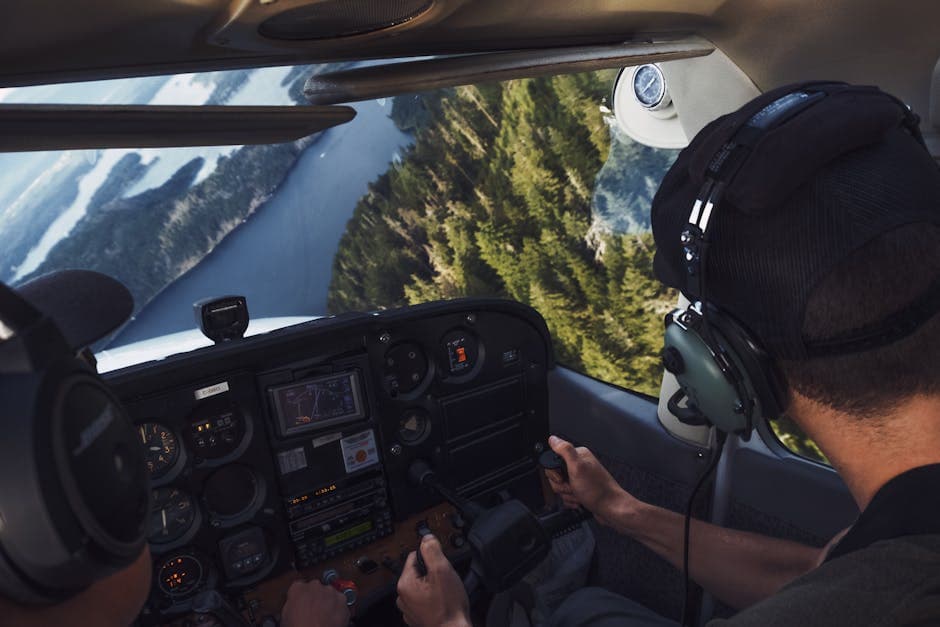
For many, the dream of flying a commercial airliner or private jet seems distant, shrouded in perceived complexity and high barriers to entry. However, with strategic planning and the right educational pathway, a career as a pilot is increasingly within reach for ambitious international students. The aviation sector, despite its cyclical nature, consistently requires a fresh influx of skilled professionals, making the question of how to become a pilot a pertinent one for today's youth.
North Cyprus has emerged as a compelling destination for aspiring aviators, offering internationally recognized programs that simplify the journey while maintaining global standards. Universities like Girne American University (GAU) and Eastern Mediterranean University (EMU) provide comprehensive flight training integrated with academic degrees, preparing students not just for the cockpit but for leadership roles within the broader aviation industry.
Understanding the Requirements to Become a Pilot
Becoming a licensed pilot involves fulfilling a series of non-negotiable criteria, encompassing age, education, medical fitness, and flight experience. These requirements to become a pilot are designed to ensure the highest levels of safety and competence in a demanding profession.
Key Requirements for Aspiring Pilots
- •
Age
Applicants must typically be at least 17 years old to begin flight training and 18 to obtain a Commercial Pilot License (CPL). For an Airline Transport Pilot License (ATPL), the minimum age is 21.
Education
A secondary school diploma is the fundamental educational requirement. Strong performance in subjects like Mathematics, Physics, and English is highly beneficial. For university-level aviation programs, a bachelor's degree in aviation or aeronautical sciences is often pursued concurrently with flight training.
Medical Fitness
Aspiring pilots must pass a rigorous medical examination, typically a Class 1 Medical Certificate, issued by an authorized aviation medical examiner. This assesses vision, hearing, cardiovascular health, neurological function, and mental health to ensure fitness for flight duties.
English Language Proficiency
Aviation is an international field, and English is the universal language of air traffic control. While North Cyprus universities do not require external tests like IELTS or TOEFL for admission, students must demonstrate English proficiency. This is typically assessed via an in-house English Proficiency Exam upon arrival. Those who do not pass enter a preparatory English school for one academic year before starting their degree. Students who already hold an IELTS 5.5 or equivalent may be exempt from the in-house proficiency exam.
Flight Hours & Training
The number of required flight hours varies depending on the license sought. A Private Pilot License (PPL) requires around 45 hours, while a Commercial Pilot License (CPL) typically demands 200-250 hours. An Airline Transport Pilot License (ATPL) requires a minimum of 1,500 flight hours, often accumulated through initial commercial flying roles.
It is crucial to understand that these requirements are often set by international bodies like the International Civil Aviation Organization (ICAO), whose standards are adopted by national aviation authorities. Compliance with these global benchmarks ensures that licenses and qualifications are recognized worldwide, a critical factor for international career mobility.
Pilot Training Pathways: Global vs. North Cyprus Approach

Globally, aspiring pilots can pursue several training paths: modular, integrated, or military. Modular training allows students to obtain licenses step-by-step, offering flexibility but often taking longer. Integrated training, typically offered by dedicated flight academies or universities, combines theoretical knowledge with practical flight instruction in a structured, full-time program, leading directly to a 'frozen' ATPL.
Integrated Flight Training in North Cyprus
North Cyprus universities offering aviation programs largely follow an integrated approach, often combining a bachelor's degree in Aeronautical Engineering, Aviation Management, or Professional Pilotage with comprehensive flight training. This model ensures that students not only gain the practical skills to fly but also a deep theoretical understanding of aviation principles, management, and safety protocols.
For instance, Girne American University (GAU) offers a Bachelor of Science in Professional Pilotage, which includes both academic coursework and flight training conducted by approved flight schools. Similarly, Eastern Mediterranean University (EMU) provides a Bachelor of Science in Pilotage, integrating academic rigor with practical flight hours. The University of Kyrenia (UK) is also a prominent institution with a strong focus on aviation and maritime studies, offering a range of pilot training programs.
This integrated model is particularly appealing because it results in a university degree alongside flight licenses, enhancing career prospects and providing a strong academic foundation. The degrees issued by North Cyprus universities are recognized within the European Higher Education Area (EHEA) through the Bologna Process, and are further accredited by the Turkish Council of Higher Education (YÖK). This dual recognition significantly boosts the international mobility and employability of graduates across Europe, Turkey, and beyond.
Costs and Scholarship Opportunities for Aviation Students
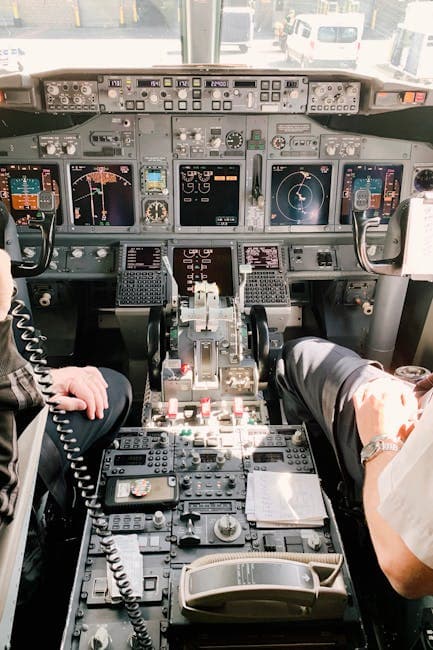
Pilot training is a significant investment, with costs varying widely based on the country, training provider, and type of license. Globally, integrated ATPL programs can range from $70,000 to over $150,000 USD. In North Cyprus, the combined cost of a bachelor's degree and flight training offers a competitive alternative, often at a more accessible price point than in Western Europe or North America.
| University | Estimated Annual Tuition (USD) | Scholarship Cap (up to) |
|---|---|---|
| Girne American University (GAU) | $6,500 - $8,000 | 50% - 75% |
| Eastern Mediterranean University (EMU) | $7,000 - $9,000 | 50% |
| University of Kyrenia (UK) | $6,000 - $7,500 | 50% - 75% |
| Near East University (NEU) | $7,500 - $9,500 | 50% - 75% |
These tuition figures generally cover the academic portion of the degree. Flight training fees are typically separate and can add an additional $40,000 - $60,000 USD over the course of the program, depending on the flight school and the total flight hours accumulated. However, many North Cyprus universities offer substantial scholarship support, which can significantly reduce the overall financial burden. These scholarships, often ranging from 25% to 75% of tuition fees, are typically merit-based or need-based, and applicants are automatically considered upon submission of their admission documents.
Prospective students should thoroughly research the specific program costs, including flight training fees, and available scholarships at each university. Early application often improves scholarship chances. For more detailed financial guidance, students can explore resources from the UNESCO Institute for Statistics on education financing or consult directly with university admissions offices.
The North Cyprus Advantage: Global Employability and Recognition
One of the most compelling advantages of studying aviation in North Cyprus is the robust international recognition of its degrees. As mentioned, North Cyprus universities operate under the framework of the TRNC Higher Education Planning, Evaluation, Accreditation and Coordination Council (YÖDAK), which ensures adherence to quality standards. Furthermore, degrees are issued with the EU Diploma Supplement.
The EU Diploma Supplement is a standardized document that provides a detailed description of the nature, level, context, content, and status of the studies successfully completed by the holder. This 'blue diploma' significantly enhances the transparency and academic and professional recognition of North Cyprus qualifications across the European Higher Education Area and beyond. For pilot graduates, this means their academic qualifications are readily understood and accepted by European airlines and aviation bodies for further study or employment.
In parallel, the accreditation by Turkey's Council of Higher Education (YÖK) grants academic equivalence to Turkish state-university degrees. This dual recognition provides graduates with exceptional international mobility, opening doors to career and further study opportunities not only in Europe but also in the rapidly expanding aviation markets of Turkey, the Middle East, and Asia. This strong foundation for employability is a core value proposition for international students considering North Cyprus.
Admission to Pilot Programs in North Cyprus: A Clear Path
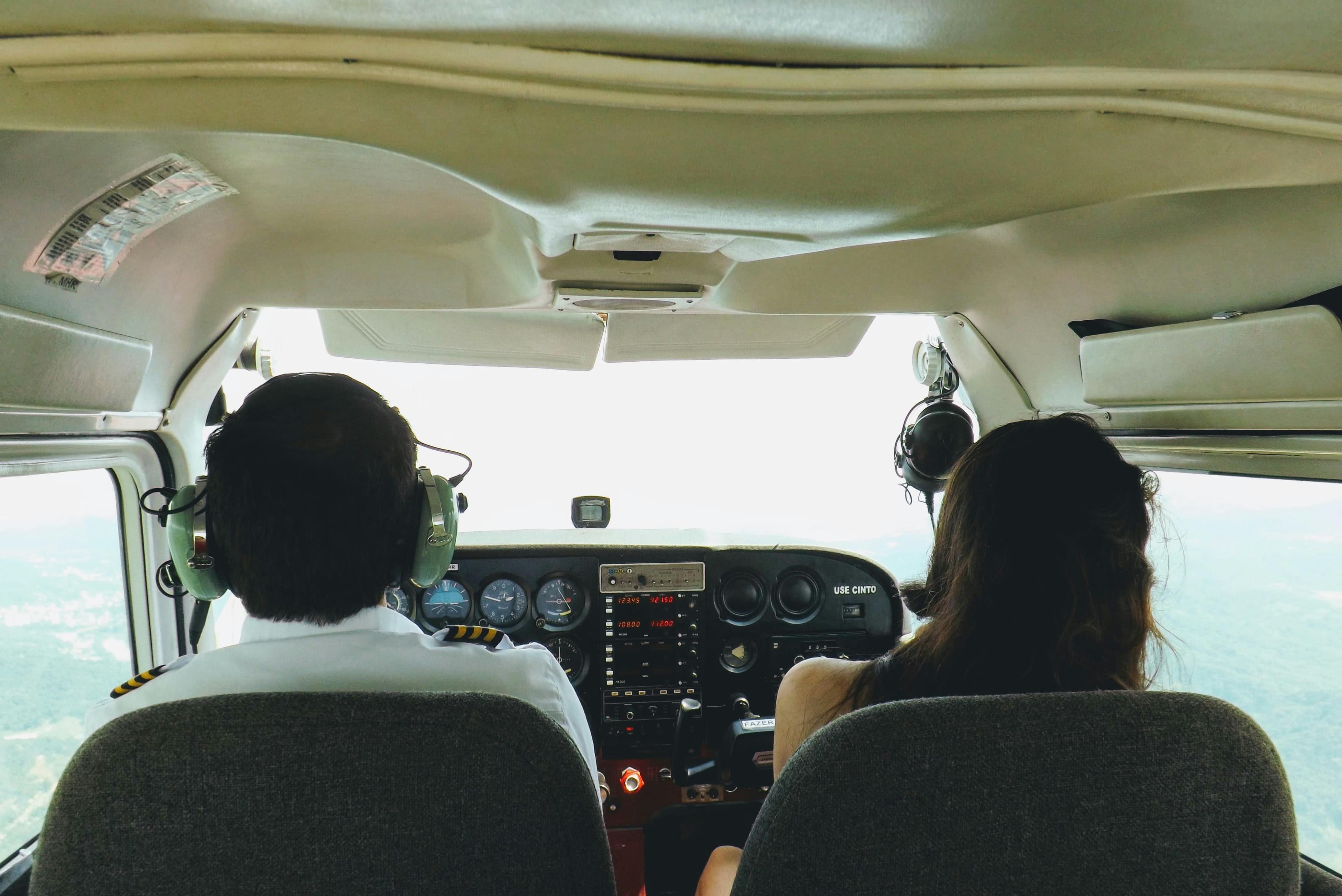
North Cyprus universities are known for their open admissions policies, which significantly simplify the application process for international students. Unlike many other global destinations, North Cyprus universities DO NOT require external English language proficiency exams such as IELTS, TOEFL, Pearson PTE, or Cambridge English. They also DO NOT require standardized entrance exams like SAT, ACT, GRE, or GMAT for admission to pilotage programs.
Admission is primarily based on your secondary-school transcript. For graduate programs, your bachelor's transcript is the key document. This streamlined approach means that once you submit the necessary academic documents, you can expect to receive an offer of admission. Upon arrival at the university, applicants who do not already hold an English-language qualification will take an in-house English Proficiency Exam. This is a placement test, not an admission gate. If you do not pass, you will attend the university's English Preparatory School for typically one academic year before commencing your degree program, without needing to re-apply.
Required Documents for Admission
To start your application to a pilot program in North Cyprus, you will typically need to prepare the following documents:
- Completed application form
- Copy of your high school diploma or leaving certificate
- Official academic transcripts from your secondary education
- Copy of your passport (valid for at least 6 months)
- Passport-sized photographs
- Proof of English proficiency (if you have an existing qualification like IELTS 5.5, otherwise you take the in-house exam)
- Any other specific documents requested by the university, such as a motivation letter or recommendation letters.
We recommend starting your application early to secure your place and maximize scholarship opportunities. You can start your application today and receive personalized career counselling to guide your choices.
Beyond the Classroom: Student Life and Support
Studying in North Cyprus extends beyond academic and flight training. Universities offer vibrant campus environments with extensive student support services. From modern student accommodations to diverse student clubs and societies, the focus is on providing a holistic educational experience. International students benefit from dedicated offices that assist with everything from visa guidance to cultural integration.
The island's Mediterranean climate, rich history, and affordable cost of living contribute to an attractive study-abroad destination. Students can enjoy a high quality of life, engage in various recreational activities, and immerse themselves in a multicultural community. This supportive environment is crucial for students undertaking the rigorous demands of pilot training, ensuring they have the resources and well-being to succeed.
Frequently Asked Questions
Explore Pilotage and Aviation Programs
Hand-picked programs from North Cyprus universities you can apply to directly.

Ready to Launch Your Pilot Career?
Discover the aviation programs that fit your aspirations. Our advisors can help you navigate the requirements and application process for North Cyprus universities.