Study Dentistry in North Cyprus
No IELTS or entrance exam required — admission is based on your transcript.


Why Study Dentistry in Canada? The Global Appeal
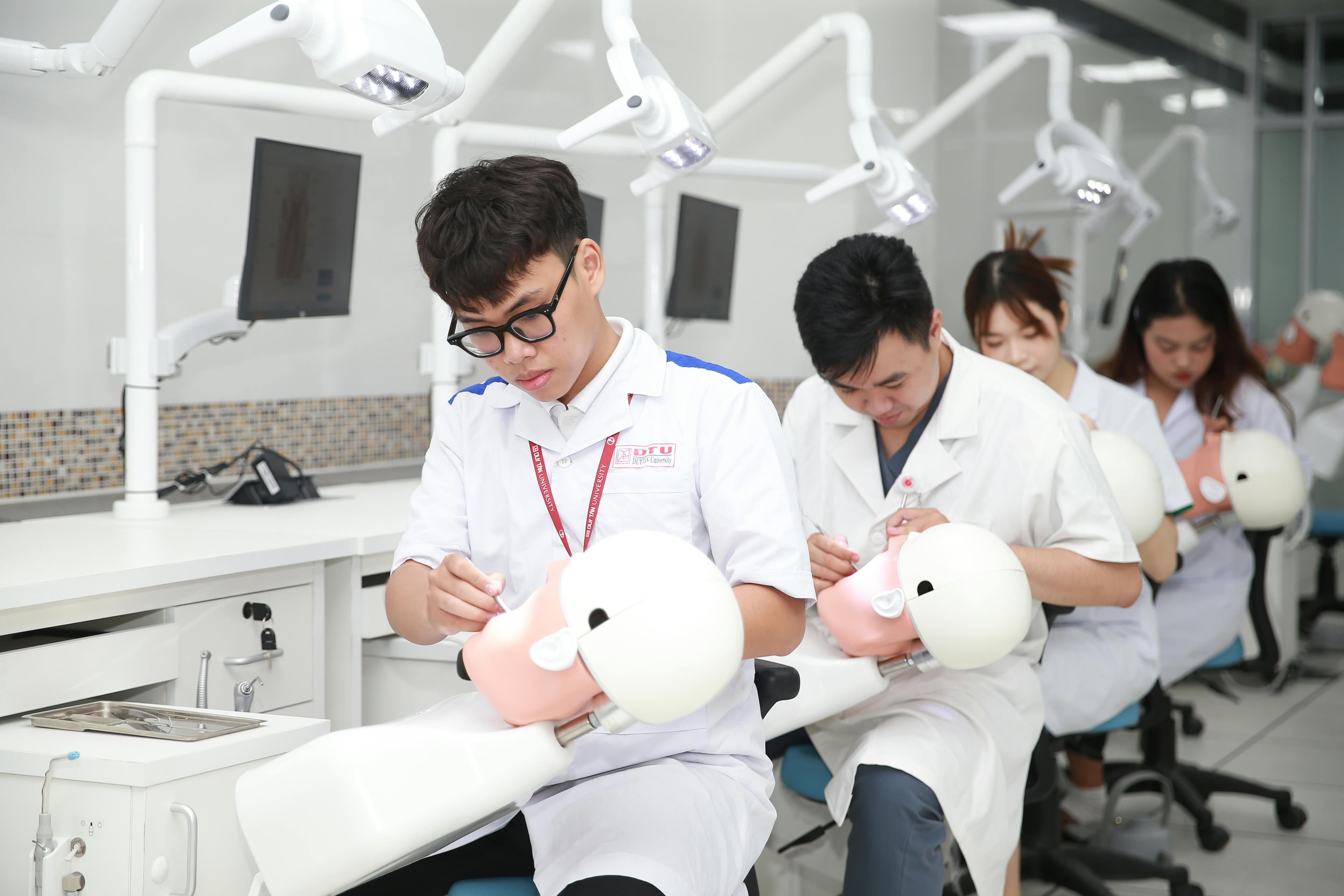
For aspiring dental professionals worldwide, the decision to study dentistry in Canada is often driven by the country's reputation for academic excellence, cutting-edge research, and high standards of clinical practice. Canadian dental schools are consistently ranked among the best globally, offering a Doctor of Dental Surgery (DDS) or Doctor of Dental Medicine (DMD) degree that is highly respected. Graduating from a Canadian institution opens doors to lucrative and stable careers, not just in Canada but across the world.
The country's multicultural and welcoming environment is another significant draw for international students. Major cities like Toronto, Vancouver, and Montreal are vibrant hubs of diversity, providing a supportive setting for students from all backgrounds. Furthermore, the emphasis on evidence-based practice and patient-centered care within the Canadian dental curriculum ensures that graduates are not only technically proficient but also compassionate and ethical healthcare providers. This holistic approach to education is a cornerstone of the Canadian system, making it a top-tier destination for dental studies.
Understanding the Pathway: Pre-Requisites for Canadian Dental Schools
Gaining admission to a Canadian dental school is a multi-stage process that begins long before the application is submitted. Unlike many systems where students can enter a dentistry program directly from high school, the Canadian model requires a significant amount of prior university-level education. The first and most fundamental prerequisite is the completion of a bachelor's degree or, at a minimum, three years of undergraduate study (equivalent to 90 credit hours). While no specific major is mandated, most successful applicants hold degrees in the life or health sciences, such as biology, biochemistry, or biomedical sciences, as this provides the necessary academic foundation.
Beyond the degree itself, universities have a list of mandatory prerequisite courses. These typically include a full year (two semesters) of general biology with labs, general chemistry with labs, organic chemistry with labs, and physics. Many schools also require or strongly recommend courses in biochemistry, physiology, anatomy, and English. A high Grade Point Average (GPA) is non-negotiable. The competitive nature of admissions means that applicants typically need a GPA of 3.7 or higher on a 4.0 scale, particularly in their science prerequisite courses, to be seriously considered. This rigorous academic screening ensures that only the most capable students enter the demanding dental curriculum.
The Dental Aptitude Test (DAT): Canada's Standardized Hurdle
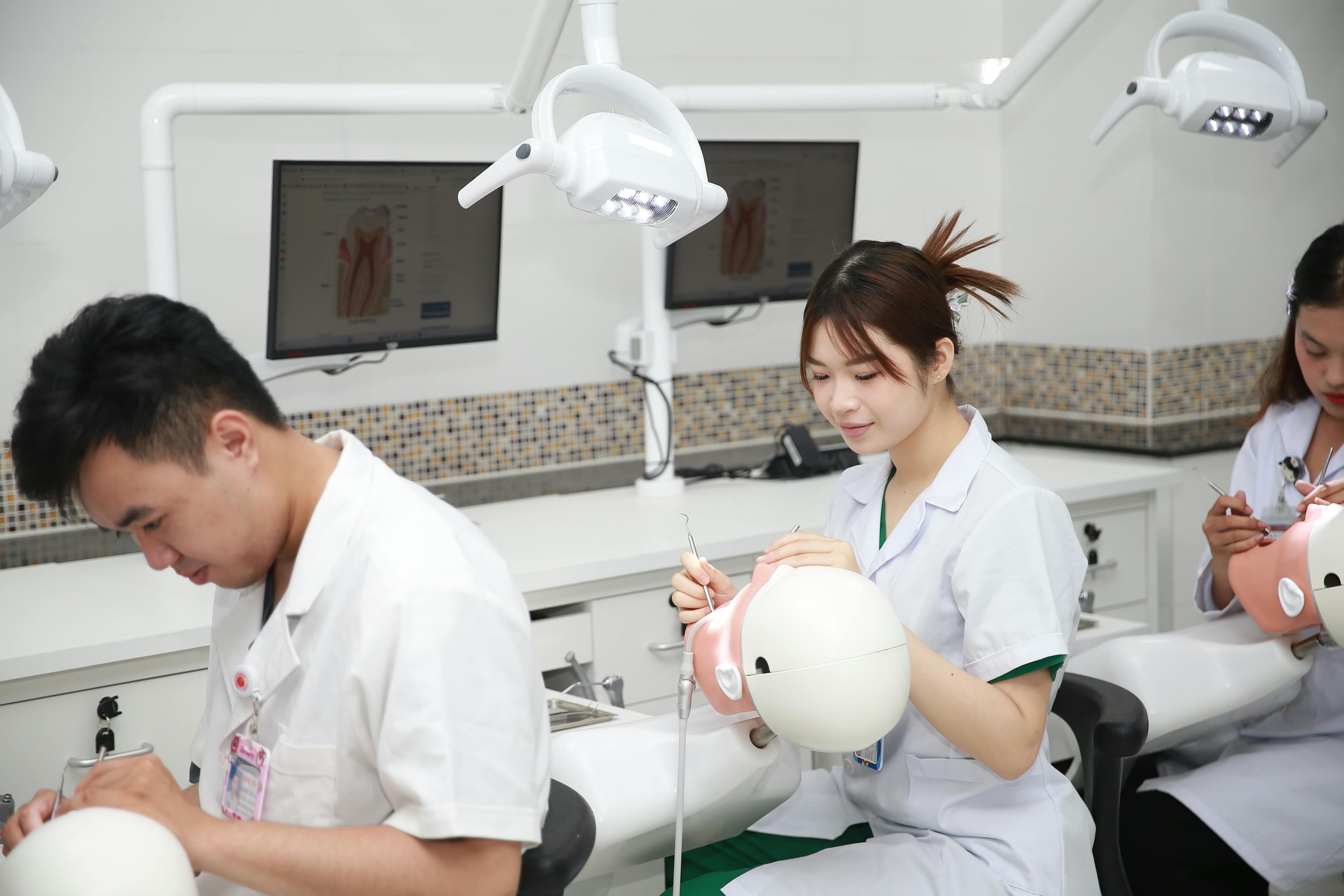
The single most important component of the application, after academic transcripts, is the Dental Aptitude Test (DAT). Administered by the Canadian Dental Association (CDA), the DAT is a standardized exam designed to assess the key skills and knowledge areas deemed essential for success in dental school. It is a mandatory requirement for all 10 accredited dental schools in Canada. The test is designed to measure general academic ability, comprehension of scientific information, two- and three-dimensional spatial reasoning, and manual dexterity.
The DAT is comprised of four main sections:
- Survey of the Natural Sciences: This section tests foundational knowledge in biology and general chemistry. It consists of multiple-choice questions that require not just memorization but a deep understanding of core scientific principles.
- Perceptual Ability Test (PAT): Often considered the most challenging section, the PAT evaluates spatial reasoning skills. It includes subsections on keyhole apertures, top-front-end views, angle ranking, hole punching, cube counting, and pattern folding. These tasks are designed to predict a student's ability to visualize and manipulate objects in three dimensions, a critical skill in dentistry.
- Reading Comprehension Test: This section assesses the ability to read, analyze, and interpret complex scientific texts, a skill necessary for keeping up with academic literature throughout one's dental career.
- Manual Dexterity Test (MDT): While not part of the written exam, this optional component involves a hands-on soap carving exercise. Some universities, like the University of Western Ontario, require this component to assess fine motor skills.
Preparing for the DAT is an intensive process, often requiring months of dedicated study. A competitive score is crucial and adds another significant layer of difficulty to the Canadian dental school application process.
Top Universities to Study Dentistry in Canada
Canada is home to ten highly-regarded dental schools, all of which are accredited by the Commission on Dental Accreditation of Canada (CDAC). While all provide an excellent education, several are consistently highlighted in global rankings and are particularly sought after by international applicants. According to the QS World University Rankings for Dentistry, Canadian institutions feature prominently.
Key institutions include:
- University of Toronto, Faculty of Dentistry: As Canada's oldest and largest dental school, U of T is a global leader in dental research and education. Its DDS program is renowned for its comprehensive clinical training and strong emphasis on scientific inquiry.
- University of British Columbia, Faculty of Dentistry: Located in Vancouver, UBC offers a DMD program that integrates clinical experience early in the curriculum. It is known for its community outreach programs and innovative teaching methods.
- McGill University, Faculty of Dental Medicine and Oral Health Sciences: Situated in Montreal, McGill offers a unique DMD program that is integrated with its Faculty of Medicine for the first 18 months, providing a strong foundation in the basic medical sciences.
- University of Alberta, School of Dentistry: This school is known for its strong research programs and a curriculum that emphasizes a collaborative, team-based approach to patient care.
Admission to these programs is intensely competitive, with each school receiving thousands of applications for a very small number of available seats, especially for international students.
The Financial Reality: Tuition Fees and Living Costs
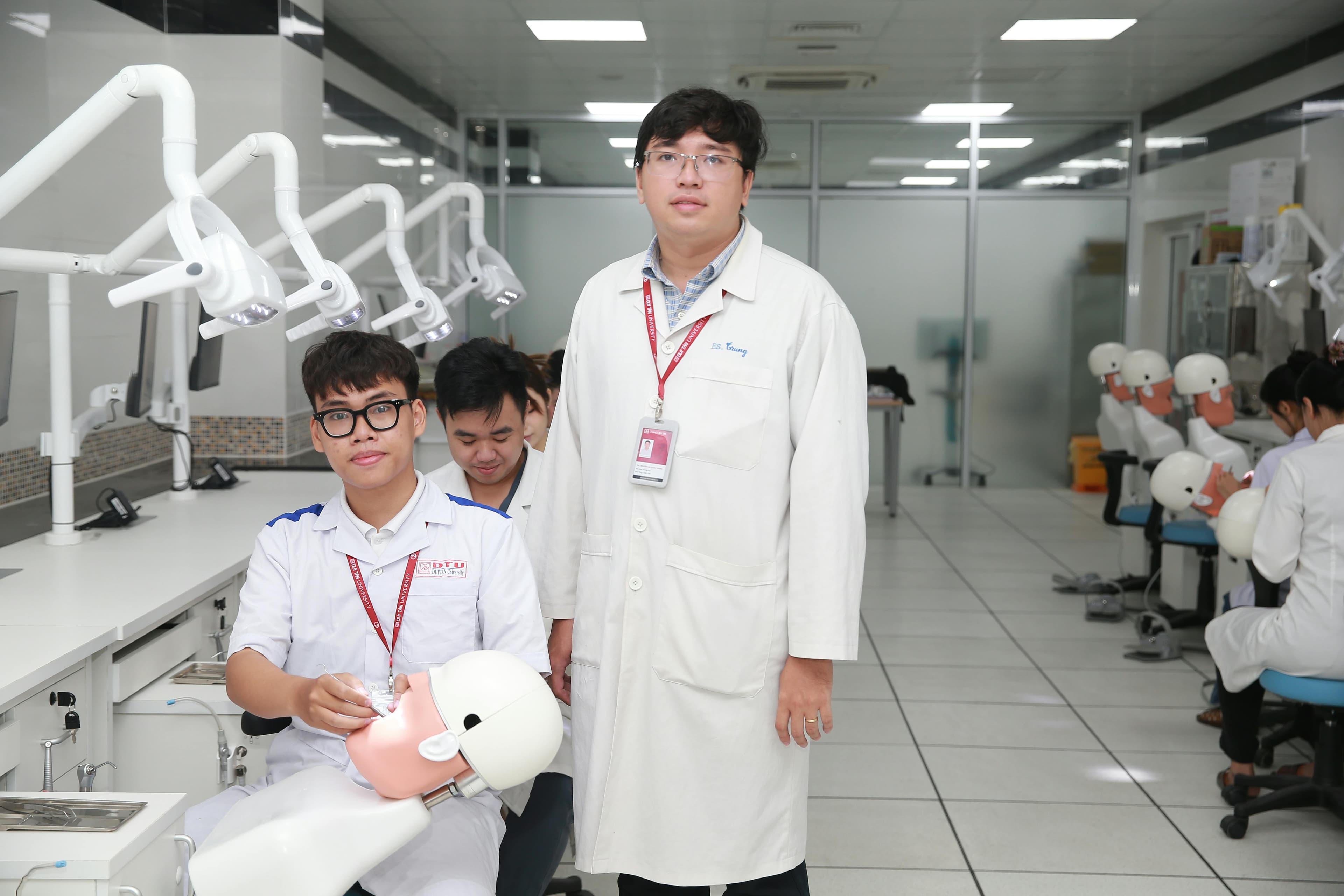
The decision to study dentistry in Canada comes with a significant financial commitment. For international students, the costs are substantially higher than for domestic students. Tuition fees for DDS or DMD programs can be among the highest for any field of study in the country. In addition to tuition, students must budget for ancillary fees, dental instruments and supplies, textbooks, and mandatory health insurance.
Living costs also represent a major expense. The cost of accommodation, food, transportation, and personal expenses varies depending on the city, with Toronto and Vancouver being the most expensive. International students must demonstrate proof of sufficient funds to cover their tuition and living expenses for the duration of their studies to obtain a Canadian study permit. The combination of high tuition and high living costs makes financial planning an absolutely critical part of the application process.
| Cost Component | Estimated Annual Range (CAD) | Notes |
|---|---|---|
| Tuition Fees | $55,000 - $95,000 | Varies significantly by university. Does not include ancillary fees. |
| Instruments & Supplies | $5,000 - $15,000 | Often higher in the first year. |
| Living Expenses (Accommodation, Food, etc.) | $18,000 - $25,000 | Dependent on city and lifestyle. |
| <strong>Total Estimated Annual Cost</strong> | <strong>$78,000 - $135,000</strong> | <strong>Represents a significant financial barrier for many applicants.</strong> |
The Application Gauntlet: A Step-by-Step Guide
Navigating the application process for Canadian dental schools requires meticulous planning and attention to detail. The timeline typically starts more than a year before the intended start date. Missing a deadline or submitting an incomplete application will almost certainly result in rejection.
Key Steps in the Canadian Dental School Application Process
Complete Prerequisite Education
Ensure you have completed or are on track to complete the required bachelor's degree credits and specific science courses with a high GPA. This phase can take 3-4 years.
Prepare for and Write the DAT
Dedicate 4-6 months to intensive study for the Dental Aptitude Test. Register for the exam well in advance, as spots can fill up quickly. Aim for a score well above the average for successful applicants.
Submit Your Application
Applications are typically due in the fall (September to December) for admission the following August/September. This involves submitting transcripts, DAT scores, a personal statement, and letters of reference.
- 4
Attend Interviews
Shortlisted candidates are invited for an interview, which may include a traditional panel interview, a Multiple Mini-Interview (MMI) circuit, and sometimes a practical skills assessment. This usually occurs between January and March.
Receive Admission Offers
Offers of admission are typically sent out in the spring (March to May). If you are accepted, you will need to formally accept the offer and begin the process of applying for a Canadian study permit.
An Alternative Pathway: Exploring Dentistry Programs in North Cyprus
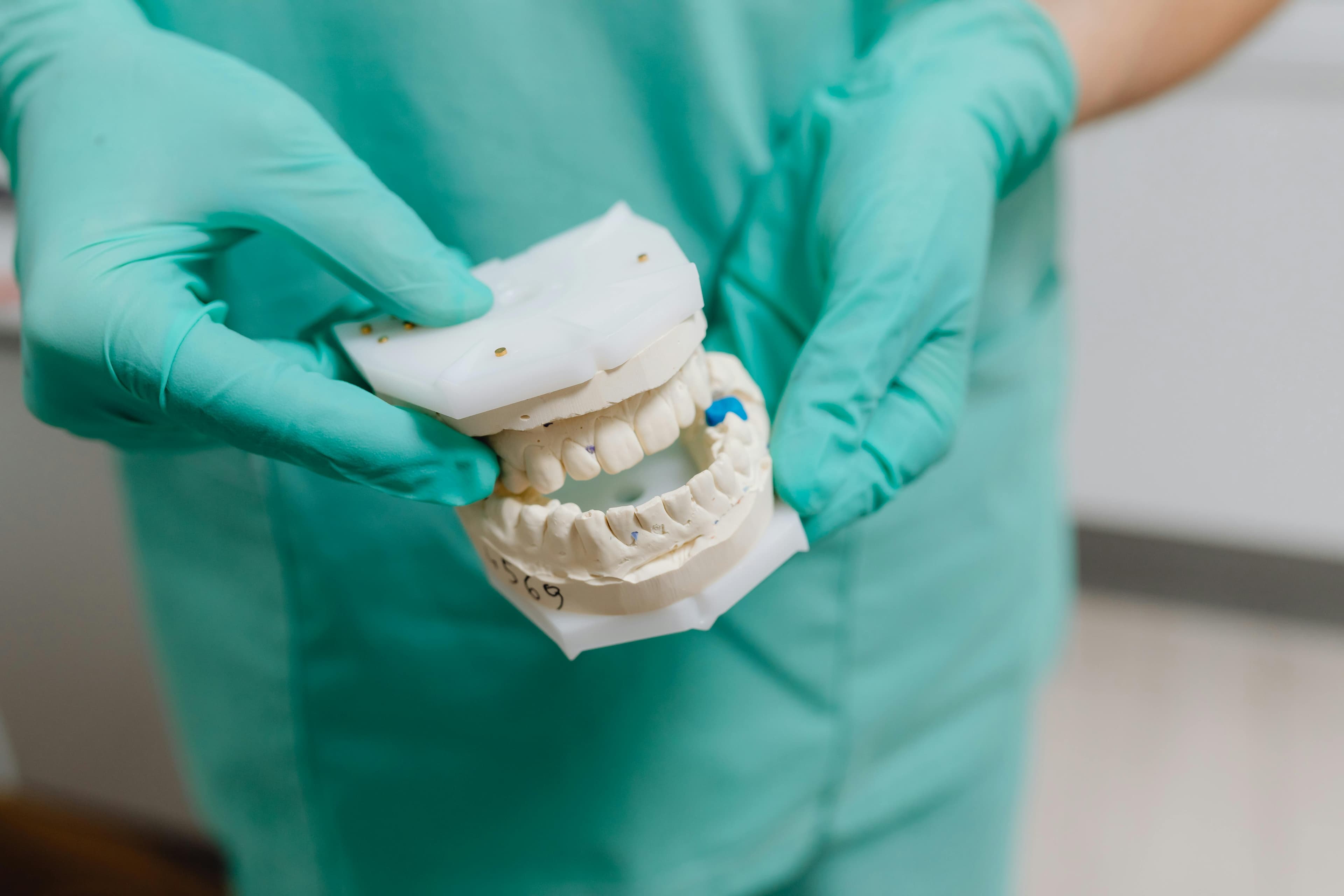
For many international students, the combination of intense academic competition, mandatory standardized tests like the DAT, and prohibitive costs makes studying dentistry in Canada an unattainable dream. This is where exploring alternative, high-quality destinations becomes a strategic choice. North Cyprus has emerged as a compelling option, offering internationally recognized dentistry programs with a significantly more accessible admissions process.
The most significant difference lies in the admission requirements. Universities in North Cyprus, such as Near East University (NEU) and Cyprus International University (CIU), do not require any standardized entrance exams like the DAT or SAT. Admission is based directly on an applicant's secondary school transcript. This holistic review of academic performance removes the immense pressure and uncertainty associated with a single, high-stakes exam. Furthermore, there is no requirement for a prior bachelor's degree; students can enter the 5-year dentistry program directly after completing high school.
Another key advantage is the approach to English language proficiency. North Cyprus universities do not require external tests like IELTS or TOEFL for admission. Instead, students who do not already have a qualifying score take an English proficiency exam upon arrival. This is a placement test, not an admission barrier. Students who do not meet the required level for direct entry into the faculty are simply placed in the university's English Preparatory School for up to one year. After successfully completing the prep program, they automatically proceed to their dentistry studies. This supportive system ensures students have the language skills to succeed without penalizing them at the application stage. You can start your application today with just your high school documents.
Global Recognition and Career Mobility: The North Cyprus Advantage
A common concern for students considering alternative study destinations is the international recognition of their degree. This is an area where North Cyprus universities offer a distinct and powerful advantage through a dual-accreditation framework. Firstly, all degrees are accredited by Turkey's Council of Higher Education (YÖK). This means a dentistry degree from NEU or CIU is considered academically equivalent to one from a state university in Istanbul or Ankara, opening up significant opportunities for postgraduate specialization or professional practice in Turkey.
Secondly, and crucially for global mobility, graduates receive the EU Diploma Supplement. This document is a standardized description of the nature, level, context, content, and status of the studies that were successfully completed. It is recognized across the European Higher Education Area (EHEA), which was established through the Bologna Process. The Diploma Supplement makes qualifications easily readable and comparable across Europe, facilitating academic and professional recognition. This means a graduate can more easily apply for master's or PhD programs at European universities or have their qualifications understood by employers within the EU and beyond.
This combination of YÖK accreditation and the EU Diploma Supplement provides graduates with a truly global degree, offering a level of career flexibility and international mobility that is difficult to match. The affordability, with tuition fees often ranging from €6,000 to €12,000 per year and generous scholarship support available, makes it a financially sustainable route to a world-class dental education.
Licensing and Building a Career After Graduation
Regardless of where you study, becoming a licensed dentist involves meeting the specific requirements of the country where you wish to practice. After graduating from a Canadian dental school, you must pass the National Dental Examining Board of Canada (NDEB) examinations to become licensed to practice in Canada. This is a rigorous, multi-part assessment that ensures a national standard of competence.
For graduates of North Cyprus universities, the path to licensure depends on their career goals. The YÖK accreditation facilitates the process of becoming licensed in Turkey. For those wishing to practice in Europe, the EU Diploma Supplement is a critical tool in the recognition process, though each country will have its own specific requirements and potential equivalency exams. Many graduates also return to their home countries, where their internationally-recognized degree allows them to sit for local licensing board exams. The key takeaway is that a degree from North Cyprus provides a foundation for a global career, with established pathways for recognition in two major economic and academic zones—Turkey and the EHEA—and beyond. You can browse all programs in the health sciences to compare your options.
Frequently Asked Questions
Dentistry Programs in North Cyprus
Hand-picked programs from North Cyprus universities you can apply to directly.

Ready to Explore a More Accessible Path to Dentistry?
Avoid the stress of entrance exams and the high costs of Canadian schools. Start your journey to becoming a globally-recognized dentist in North Cyprus.