Study Pilotage in North Cyprus
No IELTS or entrance exam required — admission is based on your transcript.

Charting Your Course: Why North Cyprus for Pilot Training?

The dream of flying high, commanding an aircraft, and navigating the skies is a powerful one. For many international students, however, the path to becoming a pilot is often perceived as prohibitively expensive or academically exclusive. North Cyprus offers a compelling alternative, combining rigorous academic standards with a uniquely open admissions policy and a cost-effective living environment.
Studying in North Cyprus means embarking on a career path bolstered by dual international recognition. Degrees issued by North Cyprus universities, including those in aviation, come with the EU Diploma Supplement. This 'blue diploma' significantly enhances the readability and acceptance of your qualification across the European Higher Education Area, facilitating further study or employment within Europe. Concurrently, these degrees are accredited by Turkey's Council of Higher Education (YÖK), ensuring academic equivalence to Turkish state-university degrees. This dual accreditation provides graduates with robust international mobility, opening doors for realistic career and further-study opportunities not only in Europe and Turkey but globally, particularly in a field like aviation with its cross-border professional standards.
Pilot School vs. Pilot Training: Understanding Your Aviation Path
When considering an aviation career, it's crucial to distinguish between 'pilot school' and 'pilot training.' A pilot school refers to the institution or university that provides the comprehensive academic and practical curriculum. This typically involves a Bachelor's degree program in Pilotage or Aviation Management, integrating flight instruction with theoretical knowledge in subjects like aerodynamics, navigation, meteorology, and aviation law. Conversely, pilot training encompasses the specific instructional phases required to obtain various pilot licenses and ratings.
The journey through pilot training typically involves several key license types:
- Private Pilot License (PPL): This is the entry-level license, allowing you to fly for recreational purposes, carrying passengers but not for hire. It involves approximately 40-60 hours of flight time and foundational theoretical knowledge.
- Commercial Pilot License (CPL): The CPL is the minimum requirement for aspiring professional pilots. It allows you to be paid for flying and involves more advanced maneuvers, instrument flying, and a deeper understanding of aviation systems. Training typically requires 150-250 hours of flight time, depending on the regulatory framework.
- Airline Transport Pilot License (ATPL): The ATPL is the highest level of pilot certification, required to act as captain (Pilot in Command) on multi-crew, multi-engine aircraft in commercial air transport. While a 'frozen ATPL' can be obtained after CPL training and sufficient theoretical exams, the full ATPL requires significant flight experience (typically 1,500 hours) and further practical tests.
North Cyprus pilot schools integrate these training phases into structured degree programs, ensuring students graduate with both academic qualifications and the necessary flight certifications.
Leading Aviation Academies in North Cyprus
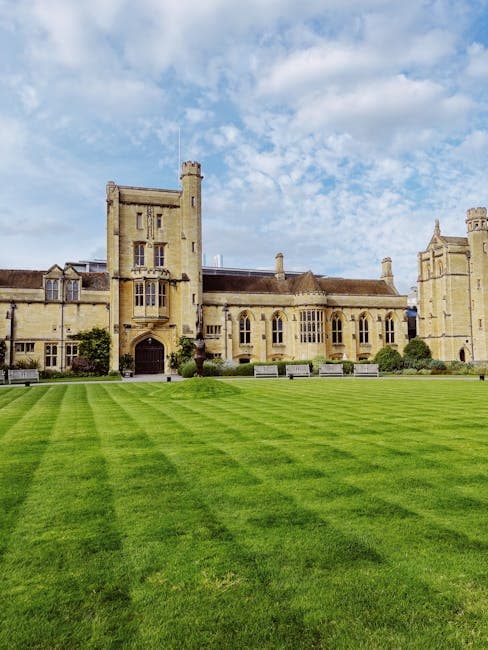
Several universities in North Cyprus have invested significantly in establishing modern aviation academies, offering comprehensive pilot training programs. A prominent example is the University of Kyrenia (UK) Aviation Academy. The University of Kyrenia offers a 4-year Bachelor of Science in Pilotage program, designed to equip students with both the academic foundation and practical flight skills required for a successful aviation career. Their facilities often include state-of-the-art flight simulators and a dedicated fleet of training aircraft, overseen by experienced instructors.
Another institution contributing to aviation education is Girne American University (GAU), which has also developed programs related to aviation, often focusing on management aspects alongside foundational pilot training elements. These universities collaborate with international aviation organizations and regulatory bodies to ensure their curricula meet global standards, preparing graduates for diverse roles within the airline industry.
Key Advantages of Pilot Training in North Cyprus
Internationally Recognized Degrees
Degrees are issued with the EU Diploma Supplement and accredited by YÖK, ensuring global acceptance and career mobility.
State-of-the-Art Facilities
Universities like the University of Kyrenia feature modern flight simulators, dedicated training aircraft, and advanced aviation laboratories.
Experienced Instructors
Training is conducted by seasoned pilots and aviation professionals with extensive industry experience.
Cost-Effective Education
Pilot training and living expenses in North Cyprus are significantly more affordable than in many European or North American countries.
Open Admission Policy
North Cyprus universities do not require external English tests or competitive entrance exams for admission, simplifying the application process for international students.
Cost of Pilot Training: North Cyprus vs. International Hubs
The financial investment for pilot training can be substantial globally. In major aviation hubs like the United States or Western Europe, the cost for a full CPL or 'frozen ATPL' program can range from $70,000 to $120,000 USD, sometimes even higher. This often does not include living expenses, which can add another $1,000-$2,000 USD per month.
North Cyprus presents a more accessible financial model. While specific tuition fees for pilotage programs vary by university and year, they are generally more competitive. For instance, a Bachelor's degree in Pilotage, which includes integrated flight training, might have annual tuition fees ranging from $6,000 to $10,000 USD after standard international student scholarships (typically 50-75% for most programs). The total cost for a full program, including flight hours, can be estimated to be significantly lower than in many Western countries, often falling within the $40,000 to $70,000 USD range for the entire degree and flight training, depending on the program and individual progress.
| Category | North Cyprus (USD) | Western Europe/US (USD) |
|---|---|---|
| Annual Tuition (Pilotage B.Sc. after scholarship) | $6,000 - $10,000 | $15,000 - $30,000 (academic only) |
| Estimated Total Flight Training Cost (full program) | $40,000 - $70,000 | $70,000 - $120,000+ |
| Monthly Living Expenses (approx.) | $400 - $700 | $1,000 - $2,000+ |
Beyond tuition, the cost of living in North Cyprus is notably lower than in most European countries or the United States. Students can expect monthly expenses for accommodation, food, transportation, and personal needs to range from $400 to $700 USD. This affordability extends to student accommodations, with university dormitories or shared apartments offering economical options. This overall lower financial burden makes North Cyprus an attractive destination for aspiring pilots seeking quality education without compromising their budget.
Admission Requirements and Application Process
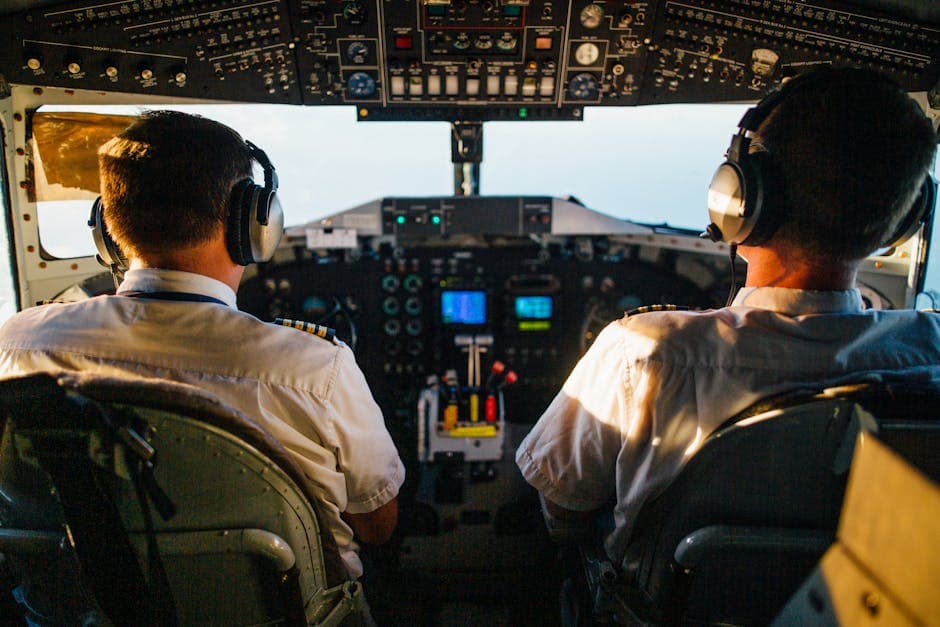
One of the most significant advantages of pursuing pilot training in North Cyprus is the straightforward admission process. North Cyprus universities maintain one of the most open admissions policies in the region. Crucially, they do NOT require IELTS, TOEFL, Pearson PTE, Cambridge English, Duolingo English Test, SAT, ACT, GRE, GMAT, or any other standardized entrance exam for admission. This policy removes a common barrier for many international students.
Admission to pilotage programs, like other competitive fields such as Medicine or Dentistry, is primarily based on the applicant's secondary-school transcript. Prospective students submit their academic documents, and if they meet the GPA expectations for the program, they receive an offer. Applicants who do not already hold an English-language qualification (such as an IELTS score of 5.5 or equivalent, which is optional to provide) will take an in-house English Proficiency Exam upon arrival at the university. This is a placement test, not an admission gate. If a student does not pass this in-house exam, they enter the university's English Preparatory School for typically one academic year before starting their degree program, without needing a second admission decision.
Essential Documents for Your Pilotage Application
Secondary School Diploma/Certificate
Proof of completion of secondary education.
Academic Transcripts
Official records of your grades from secondary school. For graduate programs, your bachelor's transcript is also required.
Passport Copy
A clear photocopy of your valid passport's data page.
Passport-Sized Photos
Typically 2-4 recent biometric photographs.
Medical Certificate
A Class 1 Aviation Medical Certificate, which is a prerequisite for flight training. This is typically obtained after admission but before commencing flight modules.
Visa and Post-Graduation Work Opportunities
Securing a student visa for North Cyprus is a straightforward process for most international students. Upon receiving your acceptance letter from a North Cyprus university, you will apply for a student visa through the TRNC Ministry of Foreign Affairs or its representative offices in your home country. The required documents typically include your acceptance letter, passport, academic transcripts, and proof of financial means. Our student visa guidance section provides detailed, step-by-step instructions to ensure a smooth application.
Post-graduation, the employability of pilotage graduates from North Cyprus is significantly enhanced by the dual accreditation of their degrees. The EU Diploma Supplement ensures that your qualification is understood and valued across Europe, making it easier to pursue opportunities with European airlines or aviation companies. Simultaneously, YÖK accreditation facilitates career prospects within Turkey, a rapidly growing aviation market. While North Cyprus itself is a smaller market, the international recognition of the degree provides graduates with the flexibility to seek employment globally, in regions with high demand for pilots, such as the Middle East, Asia, and other parts of Europe. Graduates are well-prepared for roles as First Officers, flight instructors, or in aviation management.
Global Recognition and Career Mobility

The international recognition of a pilotage degree from North Cyprus is a cornerstone of its value proposition. The Bologna Process, which the EU Diploma Supplement supports, aims to create a more transparent and comparable higher education system across Europe. This means that a Bachelor's degree in Pilotage from a North Cyprus university is readily understood and accepted by employers and academic institutions within the 49 countries of the European Higher Education Area. This clarity significantly reduces bureaucratic hurdles when applying for jobs or further master's degrees in Europe, providing a tangible advantage in a competitive global job market.
Furthermore, the accreditation by YÖK, the Turkish Council of Higher Education, ensures that your degree holds the same academic weight as those from state universities in Turkey. Turkey's aviation sector is dynamic and expanding, offering numerous opportunities for qualified pilots. This dual accreditation strategy effectively broadens your career horizons, providing a credible pathway to employment and further study in two major geopolitical and economic spheres – Europe and Turkey – while also being recognized globally due to adherence to international aviation standards.
Navigating EASA and ICAO Standards
International aviation operates under a complex framework of standards to ensure safety and interoperability. The International Civil Aviation Organization (ICAO), a specialized agency of the United Nations, sets worldwide standards and recommended practices for air navigation, aircraft design, and pilot licensing. All pilot training programs in North Cyprus, like those globally, adhere to ICAO standards, ensuring that the licenses obtained are internationally recognized and convertible.
For pilots aspiring to work in Europe, the European Union Aviation Safety Agency (EASA) sets the regulatory framework. While North Cyprus is not an EU member state, its universities design their pilot training programs to align closely with EASA standards, making the conversion of an ICAO-compliant license to an EASA license a streamlined process. This typically involves completing specific EASA theoretical exams and potentially some additional flight training hours, depending on the specific license and country. Graduates from North Cyprus pilot schools are well-prepared for this conversion, giving them a competitive edge in the European aviation job market.
Frequently Asked Questions About Pilot Training in North Cyprus
Aviation Programs at North Cyprus Universities
Hand-picked programs from North Cyprus universities you can apply to directly.

Ready to Launch Your Aviation Career?
North Cyprus offers a unique blend of quality education, affordability, and international recognition for aspiring pilots. Explore programs, scholarships, and start your application today.