Study Pilotage in North Cyprus
No IELTS or entrance exam required — admission is based on your transcript.

The Aspiring Pilot's Journey: Understanding ATPL Requirements
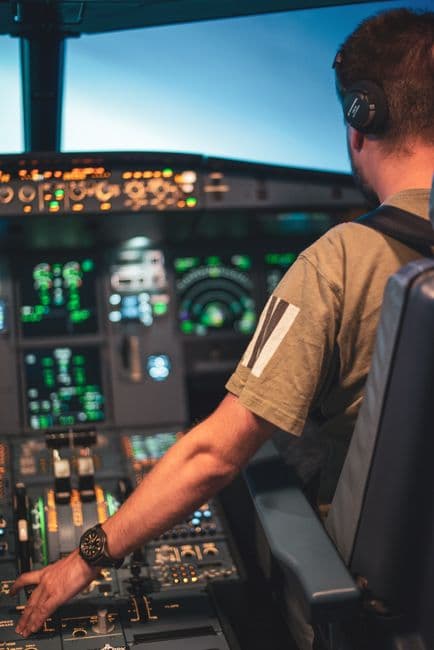
Embarking on a career as a commercial pilot is a demanding yet profoundly rewarding path. It requires not just a passion for flight, but also rigorous training, unwavering discipline, and a deep understanding of aviation principles. At the heart of this journey lies the Airline Transport Pilot License (ATPL), often referred to as the 'gold standard' in professional pilot certification.
The ATPL is the highest level of aircraft pilot certification, qualifying you to act as pilot-in-command (captain) of an aircraft in commercial air transport. While initial training often leads to a 'frozen ATPL' — meaning all theoretical exams are passed but flight experience requirements are not yet met — the ultimate goal is to achieve the full, unfrozen ATPL. This license is universally recognized and respected, opening doors to major airlines worldwide. Understanding the specific ATPL requirements is the first critical step for any aspiring pilot.
Core ATPL Requirements: Knowledge, Experience, and Health
To earn an ATPL, candidates must demonstrate proficiency across three fundamental areas: theoretical knowledge, practical flight experience, and medical fitness. These requirements are standardized by international bodies such as the International Civil Aviation Organization (ICAO) and implemented by national aviation authorities like the European Union Aviation Safety Agency (EASA), ensuring a consistent global standard for pilot competency.
Theoretical Knowledge
The theoretical component of ATPL training is extensive, covering 14 distinct subjects. These include Air Law, Aircraft General Knowledge, Flight Performance and Planning, Human Performance, Meteorology, Navigation, Operational Procedures, Principles of Flight, Communications, and more. Students typically undergo hundreds of hours of classroom instruction and self-study, culminating in a series of rigorous examinations. Passing these exams is a prerequisite for advancing to the practical flight training phases.
Flight Experience
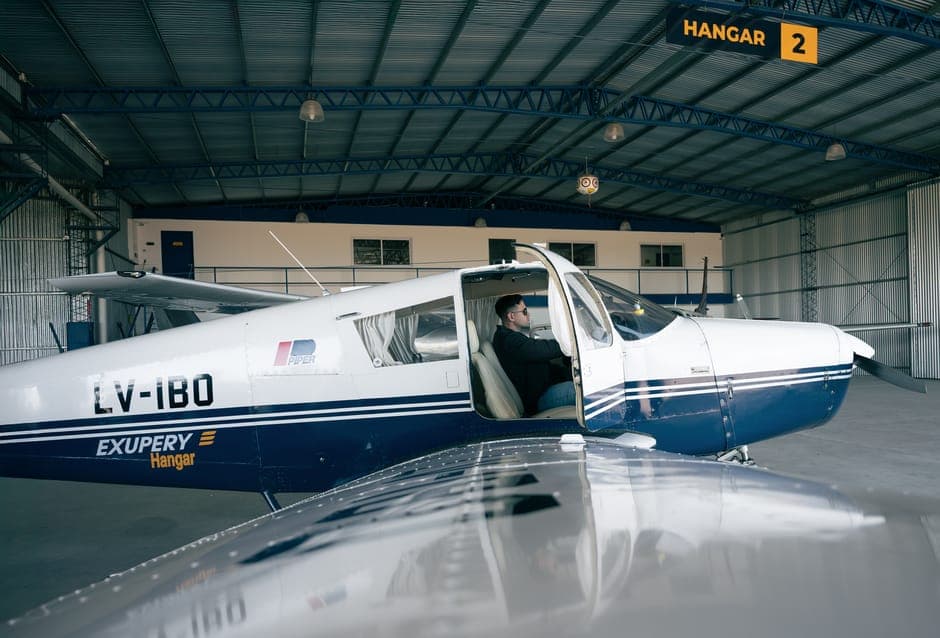
The practical experience requirement for an unfrozen ATPL mandates a minimum of 1,500 flight hours. This total is broken down into specific categories, including:
- 500 hours multi-pilot aircraft (MPA)
- 250 hours as pilot-in-command (PIC) or 100 hours PIC and 150 hours as co-pilot
- 200 hours cross-country flight, of which 100 hours must be as PIC
- 75 hours instrument time
- 100 hours night flight as PIC or co-pilot
These hours are accumulated progressively through various licenses and ratings, ensuring a comprehensive development of flight skills and decision-making under diverse operational conditions.
Medical Fitness
Pilots must hold a valid Class 1 Medical Certificate, issued by an authorized aero-medical examiner. This certificate confirms that a pilot meets the stringent health standards required for commercial aviation. Regular medical examinations are mandatory to maintain this certification throughout a pilot's career, ensuring they remain physically and mentally fit to perform their duties safely.
Key ATPL Requirements at a Glance
Theoretical Exams
Pass all 14 ATPL theoretical subjects, typically over 650 hours of instruction.
Flight Hours
Accumulate a minimum of 1,500 flight hours, including specific PIC, multi-engine, and instrument time.
Medical Certificate
Hold a valid Class 1 Medical Certificate, subject to regular renewals.
Age Requirement
Be at least 21 years old to hold an unfrozen ATPL.
The Path to the Cockpit: Typical Pilot Training Steps
The journey from an aspiring student to a qualified airline pilot typically follows a structured progression of licenses and ratings. Most students opt for either an integrated or a modular training pathway. Integrated courses are full-time, structured programs that take a student from no prior experience to a 'frozen ATPL' in approximately 18-24 months. Modular courses offer greater flexibility, allowing students to obtain licenses and ratings separately at their own pace.
Student Pilot License (SPL) and Private Pilot License (PPL)
The initial phase begins with obtaining a Student Pilot License, which permits solo flight under instructor supervision. This is followed by the Private Pilot License (PPL), requiring approximately 45-60 flight hours. The PPL allows you to fly for recreational purposes, carrying passengers in visual meteorological conditions (VMC).
Commercial Pilot License (CPL) and Instrument Rating (IR)
Building on the PPL, the Commercial Pilot License (CPL) is the next significant step. This typically involves around 200 flight hours and enables you to fly aircraft for hire or reward. Concurrently, or shortly after, pilots obtain an Instrument Rating (IR), which qualifies them to fly under Instrument Flight Rules (IFR), relying solely on cockpit instruments, crucial for commercial operations in varying weather conditions.
Multi-Engine Rating (MER) and ATPL Frozen
Most commercial aircraft are multi-engine, so a Multi-Engine Rating (MER) is essential. This training focuses on operating aircraft with more than one engine. Upon successful completion of all theoretical ATPL exams, CPL, IR, and MER, a pilot holds a 'frozen ATPL'. This means they are qualified to act as a First Officer (co-pilot) in commercial air transport. The ATPL becomes 'unfrozen' once the pilot accumulates the required 1,500 flight hours, including the specific PIC and multi-pilot experience.
Choosing the Right Pilot School: Key Considerations

Selecting the appropriate pilot school, or Approved Training Organization (ATO), is paramount to your success. The quality of your training directly impacts your skills, safety, and future employability. It's not merely about finding a pilot school; it's about investing in a foundational education that will shape your entire career.
Accreditation and Regulatory Approvals
Ensure the school is fully accredited by relevant national and international aviation authorities. For instance, programs in North Cyprus are overseen by the TRNC Higher Education Planning, Evaluation, Accreditation and Coordination Council (YÖDAK) and also recognized by the Turkish Council of Higher Education (YÖK). This dual accreditation is vital for degree recognition and career mobility, particularly within Europe and Turkey.
Fleet and Facilities
Investigate the school's aircraft fleet. Is it modern and well-maintained? Does it include a variety of aircraft types relevant to your training, from single-engine trainers to multi-engine aircraft? The availability of advanced flight simulators is also crucial for practicing complex procedures and emergency scenarios in a controlled environment.
Instructor Experience and Student Support
Experienced instructors with a strong commercial aviation background can provide invaluable insights and mentorship. Additionally, consider the level of student support offered, including academic assistance, career counselling, and accommodation options. A supportive learning environment can significantly enhance your training experience.
Location and Weather Conditions
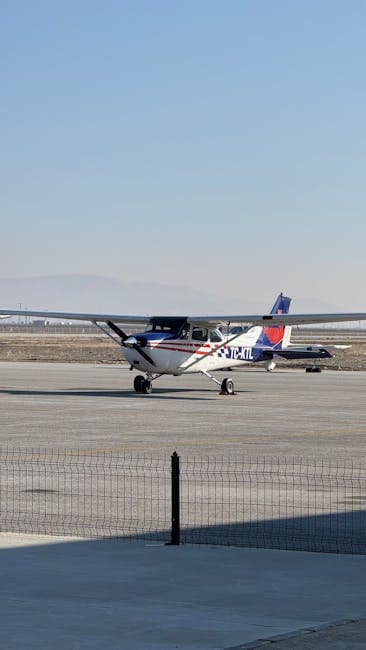
The geographical location and prevailing weather conditions can profoundly impact the efficiency of your flight training. Regions with consistently clear weather and high visibility flight (VFR) days allow for more continuous training, reducing delays and potentially shortening the overall training duration. This is a significant advantage offered by destinations like North Cyprus.
North Cyprus: An Emerging Hub for Aviation Education
North Cyprus is rapidly gaining recognition as an attractive destination for international students seeking high-quality aviation education. Its Mediterranean climate offers exceptionally favorable weather conditions for flight training, with a high number of VFR days throughout the year. This consistency allows students to progress through their flight hours more efficiently compared to regions with more unpredictable weather patterns.
Universities in North Cyprus, such as Near East University (NEU) and Eastern Mediterranean University (EMU), offer comprehensive aviation programs, including Bachelor's degrees in Pilotage (Professional Flight). These programs integrate academic studies with practical flight training, providing a holistic education. All instruction is delivered in English, making North Cyprus particularly accessible for international students.
A significant advantage of pursuing pilot training in North Cyprus is the robust international recognition of its university degrees. Graduates receive the EU Diploma Supplement, which enhances the readability and acceptance of their qualifications within the European Higher Education Area. This means that a pilotage degree from a North Cyprus university is understood and valued by European universities for further study and by European employers for work. Furthermore, these degrees are accredited by Turkey's Council of Higher Education (YÖK), ensuring academic equivalence to Turkish state-university degrees. This dual accreditation provides graduates with exceptional international mobility and realistic career opportunities across Europe, Turkey, and globally.
Cost of Pilot Training and Living Expenses in North Cyprus
Pilot training is a significant financial investment globally, with costs often ranging from $70,000 to over $150,000 in popular destinations like Europe or the USA. North Cyprus presents a more affordable alternative without compromising on quality or international recognition. For instance, a Bachelor's degree in Pilotage at Near East University or Eastern Mediterranean University typically ranges from $6,000 to $10,000 per academic year after scholarships, which are widely available to international students. The total cost for an integrated 'frozen ATPL' program combined with a degree can be significantly lower than in many Western countries.
Beyond tuition, the cost of living in North Cyprus is considerably lower than in most European countries or the USA. Students can expect to spend approximately $300-$600 per month on accommodation, food, transportation, and personal expenses, depending on their lifestyle and choice of student accommodations. This affordability extends the reach of high-quality pilot education to a broader range of international students.
| Destination | Est. Annual Tuition (USD) | Est. Monthly Living Cost (USD) |
|---|---|---|
| North Cyprus (after scholarships) | $6,000 - $10,000 | $300 - $600 |
| Western Europe | $15,000 - $35,000 | $800 - $1,500 |
| USA | $20,000 - $40,000 | $1,000 - $2,000 |
| South Africa | $8,000 - $15,000 | $400 - $800 |
Navigating Admissions and Funding Your Pilot Dream
Applying to a pilot school in North Cyprus is a straightforward process designed to be accessible for international students. Unlike many other global destinations, North Cyprus universities maintain one of the most open admissions policies in the region. They do not require external English language proficiency exams such as IELTS, TOEFL, Pearson PTE, or Cambridge English. Furthermore, there are no standardized entrance exams like SAT, ACT, GRE, or GMAT for admission to any program, including competitive fields like pilotage.
Admission is primarily based on your secondary-school transcript. For graduate pilotage programs (though less common), your bachelor's transcript would be the basis. Prospective students simply need to submit their academic documents to receive an offer. Upon arrival at the university, applicants who do not already hold an English-language qualification (such as an optional IELTS 5.5 or equivalent) will take an in-house English Proficiency Exam. This is a placement test, not an admission gate. Should a student not pass this internal exam, they will enter the university's English Preparatory School for typically one academic year before commencing their degree program, without needing a second admission decision.
Financing pilot training can be a challenge, but North Cyprus universities offer substantial scholarship support. Many institutions provide scholarships ranging from 25% to 75% of tuition fees for international students. These scholarships are often merit-based or need-based and can significantly reduce the financial burden. Prospective students are encouraged to inquire about specific scholarship opportunities when they start their application. Additionally, exploring student loans or other financial aid options in your home country can further support your educational investment.
Career Mobility: The Global Advantage of a North Cyprus Aviation Degree
The aviation sector is inherently global, and the mobility of pilots is a key factor in career progression. A degree from a North Cyprus university, particularly in a field with cross-border professional standards like pilotage, offers a distinct advantage. The issuance of the EU Diploma Supplement alongside your degree means your qualification is transparent and readily understood across the 49 member countries of the European Higher Education Area. This facilitates seamless recognition if you choose to pursue further studies or employment within Europe.
Coupled with the accreditation by YÖK, which grants academic equivalence to degrees from Turkish state universities, North Cyprus graduates are exceptionally well-positioned for international careers. This dual recognition ensures that your pilotage qualification is not only highly regarded but also easily transferable, providing a credible pathway to work in diverse aviation markets. Whether you aspire to fly for a European airline, work in Turkey, or pursue opportunities in other global aviation hubs, a North Cyprus aviation degree provides a robust foundation for a truly international career.
Frequently asked questions
Aviation programs at North Cyprus universities
Hand-picked programs from North Cyprus universities you can apply to directly.

Ready to Launch Your Aviation Career?
Explore top-tier pilot training programs in North Cyprus and take the first step towards a global career in aviation.