Study Pilotage in North Cyprus
No IELTS or entrance exam required — admission is based on your transcript.

The Sky's the Limit: Embarking on a Commercial Pilot Career

For many, the dream of flying extends beyond a hobby; it's a calling to become a commercial pilot, navigating the skies and connecting continents. The journey to the flight deck is rigorous, demanding dedication, precision, and the right educational foundation. A specialized pilot school provides the essential theoretical knowledge and practical flight training required to achieve this ambition.
Becoming a commercial pilot involves more than just learning to fly an aircraft. It encompasses mastering complex aviation systems, understanding air traffic control procedures, adhering to stringent safety regulations, and developing critical decision-making skills under pressure. The path typically leads through accredited flight training programs, culminating in various licenses and ratings that permit you to fly for airlines, cargo carriers, corporate aviation, or other commercial operations.
Today's aviation landscape is dynamic, with technological advancements constantly reshaping the industry. Modern aircraft feature sophisticated avionics, and pilots must be adept at utilizing these tools. Furthermore, the global nature of aviation means that qualifications and licenses often need to be recognized internationally, making the choice of pilot school and its accreditation crucial for future career mobility.
Charting Your Course: Steps to Earn a Commercial Pilot License
The journey to becoming a commercial pilot is structured, progressing through several key stages, each building upon the last. While specific regulations may vary slightly by country or aviation authority, the core steps remain consistent globally. These steps ensure that aspiring pilots develop a comprehensive understanding of aviation principles and gain sufficient practical experience.
Key Steps to Becoming a Commercial Pilot
Private Pilot License (PPL)
This is the foundational license, allowing you to fly single-engine aircraft for recreational purposes. It involves approximately 40-60 hours of flight time, including solo flights, and covers basic aerodynamics, navigation, and aviation weather.
Instrument Rating (IR)
The IR allows you to fly under Instrument Flight Rules (IFR), meaning you can pilot an aircraft solely by reference to instruments, crucial for flying in adverse weather conditions or at night. This rating requires significant instrument flight time and theoretical knowledge.
Commercial Pilot License (CPL)
The CPL is the minimum requirement for paid pilot work. It demands a higher level of proficiency and typically requires 150-250 hours of total flight time, depending on the training pathway. This includes advanced maneuvers, cross-country flights, and complex aircraft operations.
Multi-Engine Rating (MEP)
Most commercial aircraft have multiple engines, so this rating is essential. It teaches you how to operate aircraft with more than one engine, including emergency procedures for engine failure.
Airline Transport Pilot License (ATPL) Theory
While the full ATPL requires 1,500 hours of flight time, the theoretical component is often completed during initial training. This comprehensive study covers advanced aviation subjects, preparing you for airline operations.
Type Rating
Once hired by an airline, you will receive specific training and a 'type rating' for the particular aircraft you will fly (e.g., Airbus A320, Boeing 737). This is highly specialized training conducted by the airline or a dedicated training organization.
Throughout these stages, aspiring pilots must also pass stringent medical examinations to ensure they meet the physical and mental health standards required for aviation. The regulatory body for aviation in Europe is the European Union Aviation Safety Agency (EASA), which sets the standards for pilot licensing across member states and associated countries. Understanding these regulations is key when choosing a pilot school.
Integrated vs. Modular vs. University-Affiliated: Choosing Your Pilot Training Pathway
When selecting a pilot school, prospective students encounter different training structures, each with its own advantages and disadvantages. The three primary pathways are integrated, modular, and university-affiliated programs. Understanding these distinctions is crucial for making an informed decision about your career trajectory.
Integrated ATPL Programs
An integrated ATPL (Airline Transport Pilot License) program is a full-time, intensive course designed to take a student with little to no flying experience directly to a 'frozen ATPL' status. This typically means completing all the necessary theoretical and practical training (PPL, IR, CPL, MEP, ATPL theory) in a continuous, structured curriculum over 18-24 months. The advantage of integrated programs lies in their streamlined nature, often fostering a strong cohort environment and a direct path to airline readiness. Universities like the University of Kyrenia and Girne American University in North Cyprus offer such comprehensive programs, often leading to a Bachelor's degree alongside flight qualifications.
Modular Training Programs
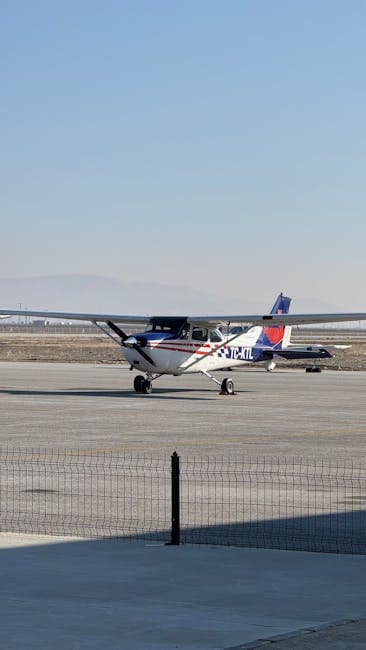
Modular training offers greater flexibility, allowing students to complete each license and rating (PPL, IR, CPL, MEP, ATPL theory) as separate courses, often at different flight schools and at their own pace. This approach is popular among individuals who need to work while training or prefer to spread the financial burden over a longer period. While it may take longer to achieve a commercial pilot license (typically 2-4 years), it provides more control over the learning schedule and can sometimes be more cost-effective in terms of upfront investment. However, it requires significant self-discipline and motivation to maintain momentum.
University-Affiliated Aviation Degree Programs
Increasingly, aspiring pilots are opting for university-affiliated programs that combine flight training with an academic degree, often a Bachelor of Science in Aviation, Aeronautical Engineering, or similar fields. This pathway offers the benefits of a broader education, enhancing critical thinking, problem-solving skills, and providing a fallback career option should a medical issue or other unforeseen circumstance prevent a flying career. North Cyprus universities excel in this model, integrating flight training with a robust academic curriculum. For instance, the Eastern Mediterranean University and Near East University, while not exclusively pilot schools, offer strong engineering and technical programs that can complement external flight training or provide a strong academic base for aviation careers. The degrees from these institutions, including those with pilot training components, often come with the EU Diploma Supplement, which facilitates international academic and professional recognition, a significant advantage for global career mobility.
Investing in the Cockpit: Cost Breakdown and Financing for Aspiring Pilots
The financial investment required for pilot school is substantial, often ranging from $70,000 to $150,000 USD, depending on the chosen pathway, location, and type of flight school. This cost typically covers flight instruction, aircraft rental, ground school materials, examination fees, and simulator time. It is crucial for prospective students and their families to understand the various components of this investment.
Key Cost Components
The overall cost can be broken down into several categories:
- Tuition Fees for Academic Programs: For university-affiliated programs, this covers the Bachelor's degree component.
- Flight Training Fees: This is often the largest component, covering actual flight hours, instructor fees, and aircraft maintenance.
- Ground School Materials: Textbooks, charts, navigation tools, and online learning platforms.
- Examination Fees: For written and practical exams at each license stage.
- Medical Certificates: Regular medical examinations are mandatory.
- Accommodation and Living Expenses: Especially for international students studying abroad.
- Miscellaneous: Uniforms, headsets, and other personal equipment.
Financing Options

Given the significant costs, various financing options are available:
- Student Loans: Government-backed or private student loans are common.
- Scholarships and Grants: Aviation organizations, airlines, and universities often offer scholarships for aspiring pilots. In North Cyprus, universities like the University of Kyrenia and Girne American University typically offer international students substantial tuition fee scholarships, often ranging from 50% to 75% of the base tuition.
- Airline Cadet Programs: Some major airlines sponsor cadet programs, covering training costs in exchange for a commitment to work for them post-graduation.
- Personal Savings and Family Support: Many students rely on personal funds or family contributions.
| University | Annual Tuition (USD) | Typical Scholarship Range |
|---|---|---|
| University of Kyrenia (UK) | $6,500 - $8,500 | 50% - 75% |
| Girne American University (GAU) | $6,000 - $8,000 | 50% - 75% |
| Cyprus International University (CIU) | $5,500 - $7,500 | 50% - 75% |
It is important to note that the tuition figures above primarily cover the academic portion of the degree. The actual flight training hours, which are typically outsourced to approved flight training organizations (FTOs) or integrated within the university's own flight school, will incur additional costs that can range from $40,000 to $80,000 USD over the course of the program. Prospective students should inquire about the full, all-inclusive cost when evaluating pilot schools.
High-Flying Demand: Career Outlook for Commercial Pilots
The career outlook for commercial pilots remains exceptionally strong globally. Despite occasional fluctuations due to economic cycles or unforeseen events, the long-term trend points towards a significant and sustained demand for qualified aviation professionals. Major aircraft manufacturers like Boeing and Airbus consistently release forecasts that highlight the need for hundreds of thousands of new pilots over the next two decades.
According to the OECD Education at a Glance reports, sectors requiring highly specialized skills, such as aviation, often experience robust employment growth and competitive salaries. The expansion of air travel, particularly in emerging economies, and the retirement of an aging pilot workforce are primary drivers of this demand. This creates ample opportunities for newly qualified pilots to secure positions with regional airlines, major international carriers, cargo operators, and corporate aviation departments.
Beyond the airlines, commercial pilots can find careers in various specialized fields, including flight instruction, aerial surveying, air ambulance services, agricultural aviation, and even test piloting. The versatility of a commercial pilot license opens doors to a diverse range of roles, ensuring that graduates from a reputable pilot school have multiple avenues to explore their passion for flying.
North Cyprus: A Strategic Launchpad for Aspiring Commercial Pilots
North Cyprus is rapidly emerging as an attractive destination for international students seeking high-quality and accessible pilot training. Its universities offer a compelling combination of internationally recognized qualifications, modern training facilities, and a cost-effective living and study environment. This unique value proposition makes it an increasingly popular choice for those aspiring to become a commercial pilot.
Globally Recognized Qualifications
A significant advantage of pursuing pilot training in North Cyprus is the dual accreditation and recognition framework. Graduates from North Cyprus universities receive the EU Diploma Supplement, often referred to as the 'blue diploma.' This document is designed to improve the transparency and recognition of qualifications within the European Higher Education Area (EHEA) and beyond. For aspiring pilots, this means their academic qualifications are readily understood and accepted by European aviation authorities and potential employers for further licensing and employment opportunities across Europe.
In addition to the EU Diploma Supplement, degrees from North Cyprus universities, including those in aviation, hold YÖK accreditation from Turkey's Council of Higher Education (YÖK). This accreditation grants academic equivalence to degrees awarded by Turkish state universities, which is highly valuable for those seeking aviation careers or further training within Turkey. The combination of the EU Diploma Supplement and YÖK recognition provides graduates with robust international mobility, facilitating license conversions and career opportunities across Europe, Turkey, and other regions with reciprocal agreements.
Specific Aviation Programs and Modern Facilities
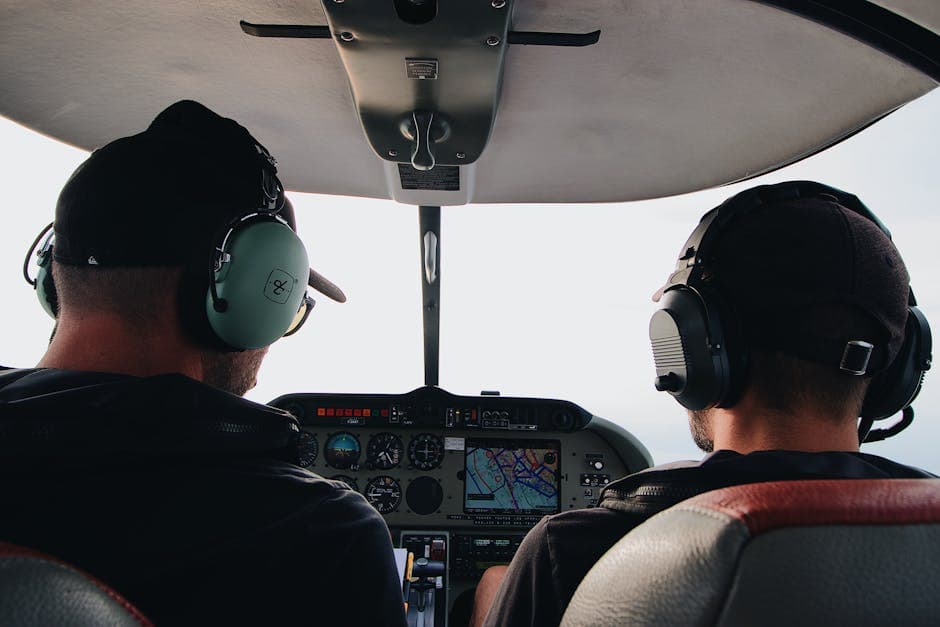
Several North Cyprus universities have invested significantly in their aviation programs. The University of Kyrenia (UK), for example, is particularly renowned for its Faculty of Aviation and Space Sciences, offering Bachelor's degrees in Professional Flight, Aeronautical Engineering, and Aviation Management. UK operates its own flight training organization (FTO) with a modern fleet of training aircraft and state-of-the-art flight simulators, providing hands-on experience from day one. Similarly, Girne American University (GAU) offers a Bachelor of Science in Professional Flight, emphasizing practical training alongside academic rigor. These institutions ensure that students are trained on contemporary equipment, preparing them for the realities of modern commercial aviation.
Cost Advantages and Accessible Admissions
Compared to established pilot schools in Western Europe or North America, North Cyprus offers a more affordable pathway to becoming a commercial pilot without compromising on quality or international recognition. Tuition fees are generally lower, and the cost of living in North Cyprus is significantly more budget-friendly for international students. Furthermore, North Cyprus universities maintain one of the most open admissions policies in the region. They do not require external English language proficiency exams like IELTS or TOEFL, nor do they mandate standardized entrance exams such as SAT or ACT for admission into their pilot programs.
Admission is primarily based on the applicant's secondary-school transcript. Upon arrival, students who do not already hold an English-language qualification take an in-house English Proficiency Exam. This is a placement test, not an admission gate. If a student does not pass this internal exam, they enter the university's English Preparatory School for typically one academic year before commencing their degree program. This supportive approach ensures that all admitted students have the necessary language foundation to succeed in their demanding aviation studies.
Navigating Admission: Applying to Pilot School in North Cyprus
The application process for pilot school in North Cyprus is straightforward and designed to be accessible for international students. With intake months typically in September/October for the Fall semester and February/March for the Spring semester, prospective students have multiple opportunities to begin their journey.
Application Steps for Pilot Programs
Prepare Your Documents
Gather your secondary school leaving certificate and transcripts. For graduate programs, your bachelor's transcript is needed. A copy of your passport is also essential. Remember, no IELTS, TOEFL, SAT, or other external tests are required for admission.
Submit Your Application
Apply online through the university's portal or via an authorized education agent. You can easily start your application with us to streamline the process.
Receive Your Offer Letter
Upon successful evaluation of your documents, the university will issue an unconditional or conditional offer letter. This process is typically swift, often within a few days.
Secure Your Scholarship
North Cyprus universities offer generous scholarships to international students, typically 50% or 75% on tuition fees. These are often automatically applied upon admission. Explore available scholarships for more details.
Pay Deposit and Obtain Visa
Pay the required deposit to confirm your enrollment. Then, proceed with your student visa application. Our student visa guidance team can assist you through this process, which involves applying to the TRNC Ministry of Foreign Affairs (TRNC MFA).
Arrival and English Proficiency Test
Upon arrival in North Cyprus, you will take an in-house English Proficiency Exam. If you pass, you proceed directly to your pilot program. If not, you will enroll in the university's English Preparatory School for one academic year, after which you will continue to your chosen degree without a second admission decision.
This structured yet flexible admission process, combined with the comprehensive training and global recognition, positions North Cyprus as an excellent choice for anyone serious about pursuing a career as a commercial pilot. To explore specific programs, you can browse all aviation programs offered by our partner universities.
Frequently Asked Questions About Pilot Training in North Cyprus
Frequently Asked Questions
Aviation Programs at North Cyprus Universities
Hand-picked programs from North Cyprus universities you can apply to directly.

Ready to Launch Your Aviation Career?
Let us help you find the perfect pilot school and program in North Cyprus that aligns with your aspirations and budget. Our advisors are ready to guide you.