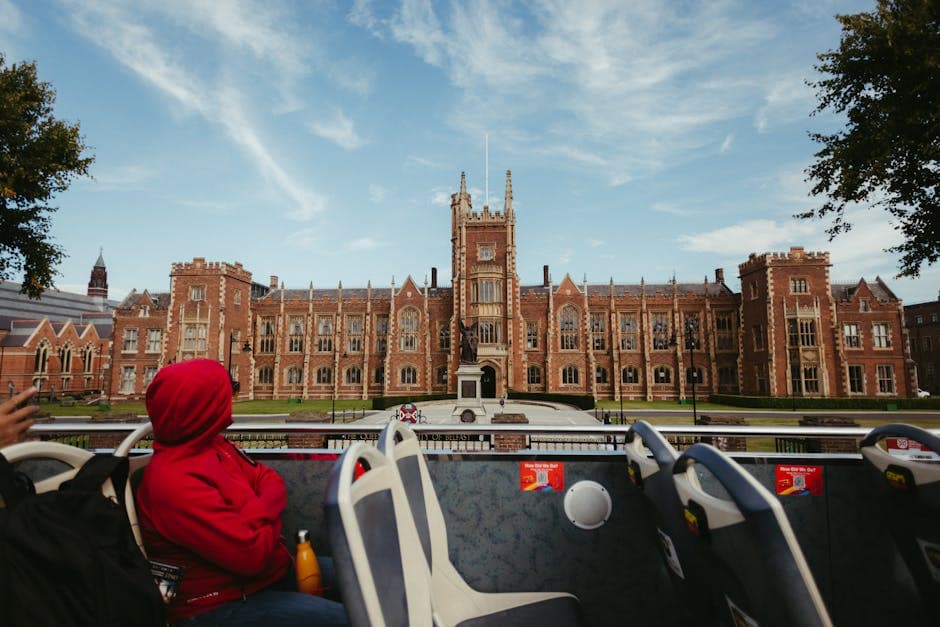
Why 'Study Abroad Spanish' is a Top Search for Students Worldwide

The query 'study abroad spanish' consistently ranks among the top searches for prospective international students, and for good reason. Spanish is the second most spoken native language globally, unlocking communication with nearly 500 million people across 20 countries. For students in fields like international business, diplomacy, and tourism, fluency is a significant career asset. Beyond the professional advantages, the allure of vibrant cultures—from the architectural marvels of Barcelona to the historic streets of Mexico City—offers an unparalleled life experience.
However, this dream comes with a critical question: what is the actual living cost for international students in these destinations? While the cultural return on investment is high, the financial outlay can vary dramatically. Understanding the full financial picture, from rent and groceries to visa regulations on part-time work, is the first step in turning a study abroad dream into a feasible plan. This guide provides a rigorous breakdown of expenses in popular Spanish-speaking countries and presents a compelling, high-quality, and affordable alternative for global education.
A Deep Dive into Living Costs in Popular Spanish-Speaking Countries
The financial reality of student life differs significantly across the Spanish-speaking world. While a shared language connects these destinations, their economic landscapes create vastly different budgeting requirements for students. Here, we analyze the typical monthly expenses in three primary hubs for Spanish language learners: Spain, Mexico, and Argentina.
Spain: European Standard, Higher Costs

As a member of the European Union, Spain offers high standards of living, excellent infrastructure, and access to the wider Schengen Area. However, this comes at a price. In major cities like Madrid and Barcelona, students should budget between €1,000 and €1,300 per month. Accommodation is the largest expense, with a room in a shared apartment costing €400–€650. Groceries, public transport, and leisure activities can easily add another €500–€650. Smaller cities like Valencia or Granada are more affordable, with monthly costs potentially dropping to the €800–€1,000 range, but they remain significantly more expensive than many non-Western European destinations.
Mexico: A Middle-Ground with Regional Variation
Mexico presents a more moderate cost profile. In Mexico City, a student can manage on a budget of approximately $700–$1,000 USD per month. A room in a shared flat might cost $300–$500 USD, while food and transport are notably cheaper than in Europe. A meal at an inexpensive restaurant can be found for under $10 USD. However, costs can fluctuate based on lifestyle and location. Tourist-heavy areas like Cancún or Monterrey will have a higher cost of living. Students must also factor in costs for private health insurance, which is strongly recommended.
Argentina: The Most Affordable, with Economic Volatility
Historically, Argentina, particularly Buenos Aires, has been one of the most budget-friendly destinations for students. It's possible to live on a budget of $500–$700 USD per month. Accommodation is remarkably affordable, with shared apartment rooms available for $200–$350 USD. The primary challenge in Argentina is economic instability. High inflation rates mean that costs can change rapidly, and currency fluctuations can impact a student's budget unexpectedly. While the day-to-day cost is low, financial planning requires constant vigilance.
Comparative Monthly Student Budgets: A Global Snapshot

To put these figures in context, it's helpful to see them side-by-side. The following table provides an estimated monthly living cost for international students across several key destinations, including North Cyprus. These figures are averages and can vary based on personal spending habits, but they offer a clear baseline for financial planning. Note the significant value proposition offered by North Cyprus, which combines a Mediterranean lifestyle and European educational standards with much lower living expenses.
| Expense Category | Madrid, Spain | Mexico City, Mexico | Buenos Aires, Argentina | Nicosia, North Cyprus |
|---|---|---|---|---|
| Accommodation (Shared) | €450 - €650 | €280 - €470 | €190 - €330 | €200 - €350 |
| Food & Groceries | €250 - €350 | €180 - €280 | €150 - €250 | €200 - €250 |
| Transportation | €50 - €70 | €30 - €50 | €20 - €40 | €40 - €60 |
| Utilities & Internet | €80 - €120 | €50 - €80 | €40 - €70 | €60 - €90 |
| Leisure & Personal | €150 - €250 | €100 - €150 | €80 - €120 | €100 - €150 |
| <strong>Total Estimated Monthly Cost</strong> | <strong>€980 - €1,440</strong> | <strong>€640 - €1,030</strong> | <strong>€480 - €810</strong> | <strong>€600 - €900</strong> |
The Financial Reality of Part-Time Work for Students
For many students, part-time work is essential for supplementing their budget. However, regulations vary significantly by country and are often restrictive. In Spain, non-EU students with a student visa can work up to 30 hours per week, but the work must not interfere with their studies and requires a work permit tied to a specific employer. The process can be bureaucratic and finding a suitable part-time job that meets these criteria can be challenging, especially without fluent Spanish.
In Mexico and Argentina, work regulations for students can be even more complex and enforcement varies. Officially, student visas often do not permit paid employment, pushing students into the informal economy, which lacks legal protection and stable pay. In contrast, North Cyprus has a more structured approach. International students are legally permitted to work part-time (up to 20 hours per week) after their first semester of study. This clear and accessible regulation provides a reliable way for students to gain work experience and offset their living costs in sectors like hospitality, retail, and administration.
Top 5 Budgeting Tips for Your Year Abroad
Regardless of your destination, smart financial management is key to a successful and stress-free study abroad experience. A well-planned budget prevents financial shocks and allows you to make the most of your time. Here are five practical tips to manage the living cost for international students effectively.
Essential Budgeting Strategies for Students
Use a Budgeting App
Track every expense with an app like Mint, YNAB (You Need A Budget), or Splitwise for shared costs. Visualizing where your money goes is the first step to controlling it.
Master Home Cooking
Eating out is one of the biggest budget drains. Learn to cook simple, local dishes. Shopping at local markets instead of large supermarkets can also significantly reduce your grocery bill.
Leverage Student Discounts
Your student ID is a golden ticket. Always ask for student discounts at museums, cinemas, restaurants, and on public transport. An International Student Identity Card (ISIC) can also offer global discounts.
Choose Public Transportation
Taxis and ride-sharing services add up quickly. Familiarize yourself with the local bus, metro, or tram systems. Monthly or semester passes almost always offer the best value.
Seek Out Free Cultural Events
Immerse yourself in the local culture without spending a fortune. Look for free museum days, outdoor concerts, local festivals, and park gatherings. This enriches your experience and saves money.
Funding Your Dream: Scholarships and Financial Aid

Securing funding is a critical component of any study abroad plan. For students aiming to 'study abroad spanish', options exist but are highly competitive. Government-sponsored programs like the Fulbright Program for U.S. students or country-specific scholarships offered by the Spanish government are available but often require high academic achievement and a lengthy application process. Many university-specific scholarships in Spain or Latin America are reserved for domestic or EU students.
This is another area where North Cyprus presents a distinct advantage. The university system is built around accessibility for international students. Most universities, including Cyprus International University (CIU), Eastern Mediterranean University (EMU), and Near East University (NEU), offer substantial scholarships to international applicants as a standard policy. It is common for students to receive a 50% tuition scholarship upon admission, with opportunities for higher merit-based awards. This straightforward approach to financial aid drastically reduces the overall cost of education, making it a financially sustainable choice from day one. Our team can provide dedicated scholarship support to help you navigate these opportunities.
The North Cyprus Alternative: High-Value Education at a Lower Cost
While learning Spanish offers unique benefits, students primarily seeking an affordable, high-quality international education in a multicultural environment should seriously consider North Cyprus. The island offers a safe, welcoming atmosphere with a Mediterranean climate and a diverse student body from over 140 countries. The primary language of instruction at all major universities is English, making it accessible to a global audience.
The core advantage lies in the combination of low tuition fees and a low living cost for international students. As shown in the table above, the total monthly budget is highly competitive, even when compared to the most affordable options in Latin America. Annual tuition fees for many bachelor's programs range from €2,800 to €4,500 after the standard 50% scholarship is applied. When you combine this with monthly living expenses of €600–€900, the total annual cost of studying in North Cyprus is often less than just the living expenses alone in a major Spanish city. This financial accessibility allows students to focus on their studies without the immense financial pressure common in other destinations.
Beyond Affordability: Global Career Mobility with a North Cyprus Degree
A key concern for any international student is the global recognition of their degree. North Cyprus universities have strategically positioned their qualifications for maximum international mobility. This is achieved through a dual-accreditation framework that provides graduates with powerful credentials for careers and further study across Europe, Turkey, and beyond.
Firstly, all degrees are issued with the EU Diploma Supplement. This document, developed as part of the Bologna Process, makes qualifications easily understandable and comparable across the European Higher Education Area. This means a degree from a university like Girne American University (GAU) is transparently recognized by employers and universities throughout Europe. Secondly, all universities are fully accredited by Turkey's Council of Higher Education (YÖK), giving their degrees the same academic standing as those from Turkish state universities. This is a crucial advantage for graduates who may wish to work or pursue postgraduate studies in Turkey. The local accrediting body, the TRNC Higher Education Planning, Evaluation, Accreditation and Coordination Council (YÖDAK), ensures these standards are maintained. Together, these accreditations create a globally mobile graduate, well-equipped for opportunities worldwide.
Frequently Asked Questions
Find Your Affordable, Globally-Recognized Program
Ready to explore a high-value education without the high cost? Let us match you with the right university and program in North Cyprus. Start your application today to secure your admission and scholarship.