Study Pilotage in North Cyprus
No IELTS or entrance exam required — admission is based on your transcript.

The Sky's the Limit: Why a Career in Pilotage Endures
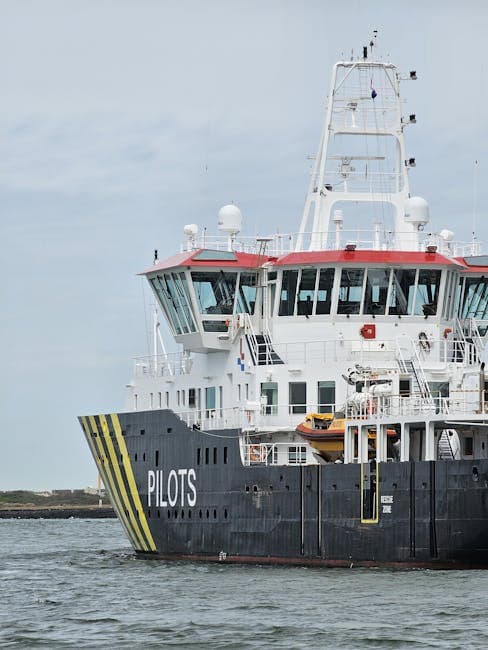
A career in pilotage is more than just flying an aircraft; it is a demanding and rewarding profession that requires a unique blend of technical skill, critical thinking, and unwavering discipline. Pilots are responsible for the safe and efficient operation of aircraft, navigating complex airspace, adhering to strict regulations, and ensuring the well-being of passengers and cargo. The role demands continuous learning, adaptability to diverse weather conditions, and excellent communication skills, often across international borders.
The global aviation sector is characterized by continuous innovation and expansion. Despite occasional economic fluctuations, the long-term trend indicates sustained growth in air travel and cargo operations, particularly in emerging markets. This growth underpins a consistent demand for skilled pilots, making it a resilient career choice. Organizations like the International Civil Aviation Organization (ICAO) and the International Air Transport Association (IATA) regularly publish forecasts that underscore the ongoing need for new talent in the cockpit, ensuring that those who choose to study pilotage are entering a field with strong future prospects.
Navigating Your Path: From Aspiring Aviator to Licensed Pilot
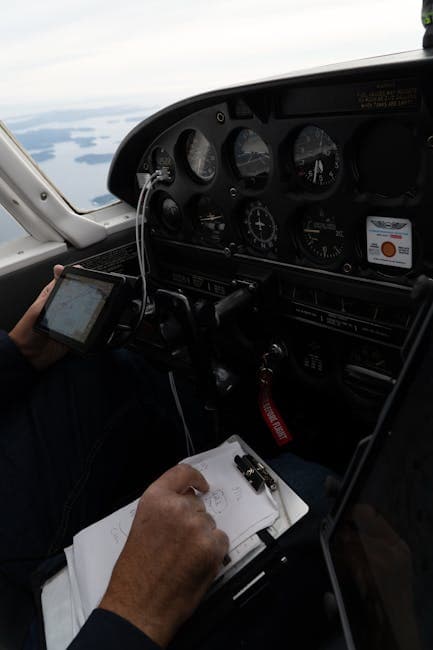
The journey to becoming a professional pilot is structured and progressive, involving several stages of licensing and certification. It typically begins with foundational flight training and culminates in advanced commercial qualifications. Understanding these stages is crucial for anyone considering a career in aviation.
Key Stages in Pilot Training
Private Pilot License (PPL)
The PPL is the first step, allowing you to fly single-engine aircraft for recreational purposes. It involves approximately 40-60 hours of flight time, ground school, and written and practical exams. This license establishes fundamental flying skills and introduces basic navigation and aviation regulations.
Instrument Rating (IR)
An Instrument Rating allows pilots to fly under Instrument Flight Rules (IFR), meaning they can navigate and fly in conditions of limited visibility, relying solely on aircraft instruments. This rating is essential for commercial operations and involves advanced training in instrument procedures and meteorology.
Commercial Pilot License (CPL)
The CPL is the minimum requirement for paid flying activities. It typically requires 200-250 hours of flight time, including advanced maneuvers, cross-country flying, and night operations. Holders of a CPL can work as flight instructors, charter pilots, or in other commercial capacities, often as a stepping stone to airline careers.
Multi-Engine Rating (MEP)
This rating permits pilots to operate aircraft with more than one engine. It is a critical addition for aspiring airline pilots, as most commercial airliners are multi-engine aircraft. Training focuses on managing engine failures and asymmetric thrust.
Airline Transport Pilot License (ATPL)
The ATPL is the highest level of pilot certification, required to act as a pilot-in-command (captain) of an aircraft in commercial airline operations. It demands a minimum of 1,500 hours of flight experience, extensive theoretical knowledge, and rigorous examinations. Many university pilotage programs are designed to lead students to the 'frozen ATPL' stage, meaning they complete the theoretical exams and accumulate flight hours towards the full ATPL.
Beyond these core licenses, pilots often pursue type ratings for specific aircraft models (e.g., Boeing 737, Airbus A320) and undergo recurrent training to maintain their proficiency and stay current with industry standards and regulations. The continuous professional development is a hallmark of the pilotage profession.
Global Horizons, Competitive Rewards: Pilot Salary Insights
A career as a pilot offers not only the thrill of flight but also significant financial rewards, with pilot salary figures varying substantially based on experience, aircraft type, airline, and geographical region. Entry-level pilots, such as first officers or those working for regional airlines, can expect to earn a solid starting salary, which increases substantially with experience and progression to captain roles on larger aircraft.
In North America, particularly the United States, a first officer at a regional airline might start with an annual salary ranging from $60,000 to $90,000. Experienced captains at major airlines, however, can command salaries upwards of $200,000 to $350,000 annually, with some senior captains exceeding $400,000. These figures often include various allowances and benefits.
European pilot salaries also reflect a wide range. A new first officer at a European low-cost carrier might earn €40,000 to €70,000 per year, while experienced captains at flag carriers could see their earnings reach €150,000 to €250,000 annually. The Middle East is known for offering highly competitive packages to attract global talent, with first officers potentially starting at $70,000 to $100,000 and captains at major airlines often earning between $180,000 and $300,000, frequently with tax-free benefits and housing allowances. These figures are based on recent global aviation industry reports and salary surveys from 2024-2025.
| Region | First Officer (Entry-Level) | Captain (Experienced) |
|---|---|---|
| North America (USA) | $60,000 - $90,000 | $200,000 - $350,000 |
| Europe | €40,000 - €70,000 | €150,000 - €250,000 |
| Middle East | $70,000 - $100,000 | $180,000 - $300,000 |
| Asia-Pacific | $50,000 - $80,000 | $120,000 - $220,000 |
Study Pilotage in North Cyprus: A Unique Academic-Flight Integration
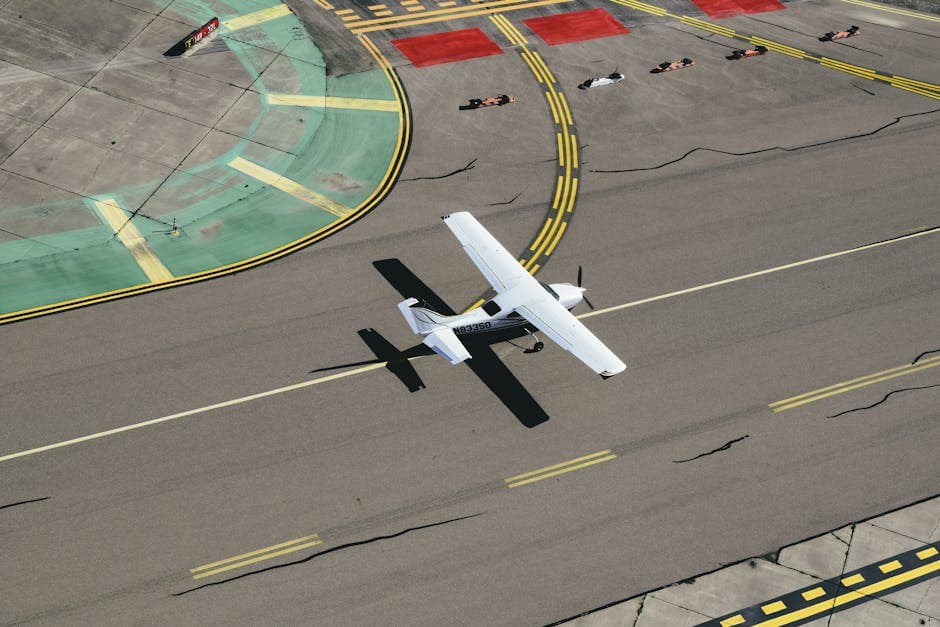
North Cyprus offers a distinctive advantage for students aspiring to study pilotage by integrating a comprehensive academic degree with rigorous flight training. This approach provides graduates with not only the practical skills to fly but also a robust theoretical foundation and a university qualification that enhances their career mobility and long-term prospects in the aviation industry.
Universities such as Near East University (NEU) and the University of Kyrenia (UK) are prominent institutions in North Cyprus that offer Bachelor's degrees in Pilotage. These programs are meticulously designed to cover all aspects of aviation, from aerodynamics and aircraft systems to air traffic control, meteorology, and aviation law. The academic curriculum is complemented by extensive hands-on flight training conducted at affiliated flight schools, ensuring students gain the necessary flight hours and practical experience to meet international licensing requirements, often leading to a 'frozen ATPL' upon graduation.
A key benefit of pursuing a pilotage degree in North Cyprus is the international recognition of the qualifications. Degrees from North Cyprus universities are issued with the EU Diploma Supplement, a document that provides a standardized description of the nature, level, context, content, and status of the studies successfully completed. This significantly enhances the readability and acceptance of the qualification across the European Higher Education Area (EHEA), making it easier for graduates to pursue further studies or employment within Europe.
Furthermore, these degrees are accredited by Turkey's Council of Higher Education (YÖK), ensuring academic equivalence to degrees from Turkish state universities. This dual accreditation provides strong international mobility, opening doors for career and further study opportunities not only across Europe but also in Turkey and globally. For a field like pilotage, where cross-border professional standards are critical, this recognition is invaluable, offering graduates realistic career opportunities with major airlines and aviation organizations worldwide.
Admission to Pilotage Programs: A Straightforward Approach in North Cyprus
One of the most appealing aspects of studying in North Cyprus for international students is the highly accessible admissions policy. North Cyprus universities prioritize an applicant's academic background and potential, streamlining the application process significantly. This is particularly true for specialized fields like pilotage, where practical aptitude is developed through dedicated training.
Crucially, North Cyprus universities, including those offering pilotage programs like Near East University and the University of Kyrenia, do not require external English-language proficiency exams such as IELTS, TOEFL, Pearson PTE, or Cambridge English for admission. They also do not require standardized entrance exams like SAT, ACT, GRE, or GMAT. Admission is primarily based on your secondary-school transcript, demonstrating your academic readiness for university-level studies.
Upon arrival at the university, applicants who do not already hold an English-language qualification (such as a high school diploma from an English-medium institution or an optional IELTS 5.5 equivalent) will take an in-house English Proficiency Exam. This is a placement test, not an admission barrier. If a student does not pass this internal exam, they will enroll in the university's English Preparatory School for typically one academic year before commencing their degree program. This ensures all students have the necessary language skills to succeed without delaying their admission decision. To begin your application, you can visit our apply now page.
Typical Required Documents for Pilotage Admission
Secondary School Diploma/Certificate
Proof of completion of secondary education, such as a high school diploma or its equivalent.
Academic Transcripts
Official transcripts detailing your academic performance and grades from your secondary school.
Passport Copy
A clear, valid copy of your passport's identification page.
Passport-sized Photos
Recent biometric photographs as per standard passport photo requirements.
Medical Certificate (Class 1)
While not always required for initial university admission, a valid Class 1 Medical Certificate is mandatory for flight training and is a prerequisite for a Commercial Pilot License. Universities often guide students on obtaining this after admission.
Investing in Your Aviation Future: Tuition and Scholarships

The cost of pilotage programs can be a significant consideration due to the extensive flight training component. In North Cyprus, universities strive to offer competitive tuition fees, often coupled with substantial scholarship opportunities for international students, making a high-quality aviation education more accessible.
While specific tuition fees for pilotage programs can vary, a Bachelor's degree in Pilotage at institutions like Near East University or the University of Kyrenia typically ranges from $8,000 to $12,000 USD per academic year for the academic portion. However, it is crucial to note that the flight training component is usually charged separately and can add an additional $50,000 to $70,000 USD or more over the course of the program, depending on the flight school, aircraft type, and total flight hours accumulated. This combined cost is often still more affordable than similar programs in Western Europe or North America.
North Cyprus universities are committed to supporting international students through various scholarship programs. These often include merit-based scholarships, ranging from 25% to 75% tuition fee waivers, and sometimes even full scholarships for exceptional candidates. These scholarships primarily apply to the academic tuition fees, significantly reducing the overall financial burden. Students are encouraged to explore available scholarships and apply early to maximize their chances. Our dedicated scholarship support page provides further details on how to access these opportunities. Intake months for pilotage programs typically align with the general university academic calendar, with major intakes in September/October and a secondary intake in February/March each year.
Beyond the Cockpit: Career Mobility with North Cyprus Pilotage Degrees
The comprehensive education and dual accreditation of North Cyprus pilotage degrees provide graduates with a distinct advantage in the global job market. The combination of an EU Diploma Supplement and YÖK accreditation means that your qualification is not only recognized across Europe and Turkey but also understood and respected by aviation authorities and employers worldwide.
This strong international mobility is particularly beneficial in the aviation sector, which is inherently global. Graduates from North Cyprus universities are well-positioned to pursue careers with international airlines, cargo operators, charter companies, and even government aviation agencies across continents. The rigorous training, coupled with a globally recognized academic credential, prepares them for the demanding and rewarding realities of a pilot's life, whether flying for a major European carrier, a rapidly expanding Middle Eastern airline, or a regional operator in Asia.
Beyond direct flying roles, the academic depth of a pilotage degree can also open doors to related fields such as aviation management, flight operations, safety analysis, or even further postgraduate studies in aerospace engineering or aviation safety. The foundational knowledge gained provides a versatile skillset, ensuring long-term career resilience and diverse professional pathways within the dynamic aviation industry.
Frequently Asked Questions about Studying Pilotage in North Cyprus
Aviation programs at North Cyprus universities
Hand-picked programs from North Cyprus universities you can apply to directly.

Ready to Launch Your Aviation Career?
Your journey to becoming a pilot starts here. Explore top pilotage programs in North Cyprus and take the first step towards a globally recognized qualification.