Study Pilotage in North Cyprus
No IELTS or entrance exam required — admission is based on your transcript.

Defining Pilotage Education: Aviation and Maritime Tracks

Pilotage education encompasses the rigorous training and academic study required to operate aircraft or guide vessels safely and efficiently. It is a highly specialized field demanding precision, critical thinking, and unwavering discipline. While both aviation and maritime pilotage share the core principle of navigating complex environments, their training methodologies, operational contexts, and career trajectories diverge significantly.
Aviation pilotage education prepares individuals to fly various types of aircraft, from commercial airliners and cargo planes to private jets and helicopters. Programs typically integrate theoretical knowledge in aerodynamics, navigation, meteorology, and aviation law with extensive practical flight training in simulators and actual aircraft. The goal is to equip students with the necessary licenses and ratings to operate under diverse conditions, adhering to strict international aviation regulations set by bodies like the International Civil Aviation Organization (ICAO).
Maritime pilotage education, on the other hand, focuses on guiding ships through challenging waterways such as harbors, rivers, and canals. Maritime pilots are expert navigators with in-depth local knowledge of currents, tides, depths, and port procedures. Their training involves extensive nautical studies, ship handling, navigation systems, and practical experience often gained through cadetships and apprenticeships. The International Maritime Organization (IMO) sets global standards for maritime safety and training, which underpin these educational pathways.
Why Study Pilotage? Career Paths and Global Demand
A career in pilotage, whether in aviation or maritime, offers a unique blend of adventure, responsibility, and significant professional reward. The globalized nature of trade and travel ensures a continuous demand for skilled pilots, making it a resilient career choice with substantial long-term prospects. Both fields contribute directly to global logistics, commerce, and connectivity.
Aviation Pilot Career Paths and Salaries
Graduates of aviation pilotage programs can pursue roles such as:
- Commercial Airline Pilot: Flying passenger and cargo aircraft for major airlines. Entry-level first officers can expect annual salaries ranging from $50,000 to $90,000, while experienced captains at major carriers can earn upwards of $150,000 to $300,000+ globally, depending on the airline and region.
- Cargo Pilot: Transporting goods for logistics companies, often involving diverse routes and schedules. Salaries are comparable to commercial airline pilots.
- Flight Instructor: Training the next generation of pilots. Annual salaries typically range from $40,000 to $70,000.
- Corporate/Private Jet Pilot: Flying for businesses or high-net-worth individuals. Salaries can range from $70,000 to $150,000+, influenced by the employer and aircraft type.
- Aerial Survey/Photography Pilot: Specializing in data collection or visual documentation. Salaries vary widely based on contract and specialization.
The demand for aviation pilots is particularly strong in Asia-Pacific, North America, and Europe, driven by fleet expansion and pilot retirements. The International Air Transport Association (IATA) regularly publishes reports on the industry outlook, consistently indicating a need for new talent.
Maritime Pilot Career Paths and Salaries
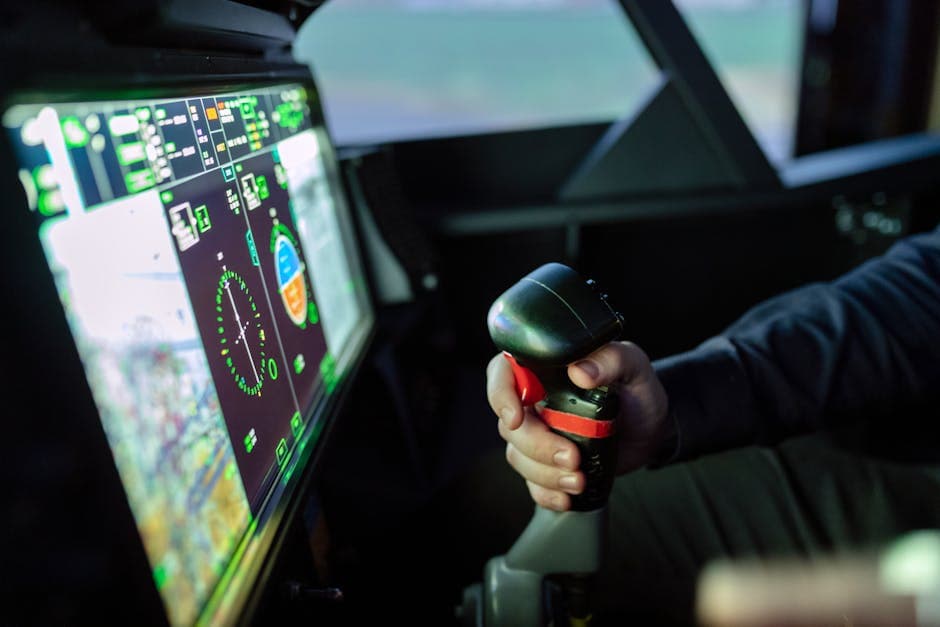
Maritime pilotage offers distinct career avenues:
- Harbor Pilot: Guiding large vessels in and out of ports. These highly specialized roles often command significant salaries due to the immense responsibility and local expertise required. Experienced harbor pilots can earn between $100,000 and $200,000+ annually in major global ports.
- River Pilot: Navigating ships through specific river systems. Similar to harbor pilots, this requires deep local knowledge and can offer high compensation.
- Ship Master/Captain: Overseeing all operations on a merchant vessel. Salaries for experienced captains of large cargo or passenger ships can range from $80,000 to $180,000+ per year.
- First Officer/Chief Mate: Second in command on a vessel, responsible for navigation and cargo operations. Salaries typically range from $50,000 to $90,000.
The global maritime trade continues to expand, ensuring a steady demand for skilled maritime professionals. The UNESCO Institute for Statistics highlights the critical role of maritime transport in global commerce, underpinning the importance of maritime pilotage.
Aviation Pilotage vs. Maritime Pilotage: Key Differences
While both fields involve navigation and high-stakes decision-making, the environments, training, and daily responsibilities of aviation and maritime pilots are fundamentally different. Understanding these distinctions is crucial for prospective students to choose the right path for their ambitions.
Aviation pilots operate in a three-dimensional airspace, contending with weather phenomena, air traffic control directives, and complex aircraft systems. Their training is heavily focused on flight mechanics, aerodynamics, and emergency procedures. Maritime pilots, conversely, navigate two-dimensional waterways, dealing with currents, tides, vessel dynamics, and port infrastructure. Their expertise lies in local hydrography and ship maneuvering in confined spaces.
| Aspect | Aviation Pilotage | Maritime Pilotage |
|---|---|---|
| Environment | Airspace (3D) | Waterways (2D) |
| Primary Vehicle | Aircraft (planes, helicopters) | Vessels (ships, boats) |
| Key Skills | Aerodynamics, flight mechanics, air traffic control, emergency procedures, meteorology | Nautical science, ship handling, local hydrography, port procedures, marine engineering |
| Regulatory Bodies | ICAO, EASA, FAA | IMO, national maritime authorities |
| Training Focus | Flight hours, simulator training, theoretical exams, aircraft systems | Cadetships, apprenticeships, nautical college, local knowledge acquisition |
| Typical Career Path | First Officer -> Captain (Commercial/Cargo/Private) | Cadet -> Officer -> Master -> Harbor/River Pilot |
Leading Destinations for Pilotage Education
Globally, several countries are renowned for their pilotage education programs, attracting students from around the world. These destinations typically boast advanced training facilities, experienced instructors, and strong industry connections.
The United States is a prominent hub for aviation training, with numerous flight schools and universities offering comprehensive programs, often leading to FAA certifications. Countries in Europe, such as the UK, France, and Germany, also have well-established aviation academies, often aligned with EASA standards. For maritime pilotage, nations with significant shipping industries like the Netherlands, Norway, and the UK offer prestigious nautical colleges and cadet programs.
However, these traditional destinations often come with high tuition fees and stringent admission criteria, including competitive entrance exams and English language proficiency tests like IELTS or TOEFL. This can present a significant barrier for many international students. As a result, students are increasingly exploring alternative destinations that offer high-quality education with more accessible admissions pathways and competitive costs.
North Cyprus: An Emerging Hub for Pilotage Education
North Cyprus is rapidly gaining recognition as an attractive and accessible destination for international students seeking quality higher education, including specialized fields like pilotage. Universities in North Cyprus combine modern facilities with a supportive learning environment and a strategic location, offering a compelling alternative to more traditional, often expensive, study-abroad options.
The University of Kyrenia (UK), for instance, stands out with its Faculty of Aviation and Space Sciences, offering programs such as Professional Pilotage and Aviation Management. This university is particularly well-equipped with flight simulators and partnerships for practical flight training, preparing students for careers in commercial aviation. Other institutions like Near East University (NEU) and Eastern Mediterranean University (EMU) also contribute to the robust educational landscape with related engineering and logistics programs that complement aviation studies.
A significant advantage of studying in North Cyprus is the international recognition of its degrees. North Cyprus university degrees are issued with the EU Diploma Supplement, often referred to as the "blue diploma." This document enhances the transparency and academic recognition of qualifications within the European Higher Education Area, making degrees readable and accepted by European universities for further study and by European employers for work. This is particularly beneficial for fields like pilotage, where international mobility and standardized qualifications are paramount.
Furthermore, these degrees are accredited by Turkey's Council of Higher Education (YÖK), ensuring academic equivalence to degrees from Turkish state universities. This dual accreditation provides graduates with strong international mobility, opening doors for realistic career and further-study opportunities across Europe, Turkey, and globally. For pilotage professionals, this means their qualifications are widely understood and respected, facilitating cross-border employment in an industry that inherently operates globally.
Top Reasons to Study Pilotage in North Cyprus
Globally Recognized Degrees
Degrees come with the EU Diploma Supplement and YÖK accreditation, ensuring international acceptance for both further study and employment across Europe, Turkey, and beyond.
Accessible Admission Policy
North Cyprus universities do not require external English proficiency tests (like IELTS/TOEFL) or standardized entrance exams (like SAT/GRE), making admission straightforward and based primarily on your academic transcript.
Modern Training Facilities
Universities like the University of Kyrenia invest in advanced flight simulators and practical training partnerships, providing hands-on experience crucial for pilotage education.
Competitive Tuition Fees
Compared to traditional pilot training hubs, North Cyprus offers high-quality education at more affordable tuition rates, often complemented by generous scholarship opportunities.
Multicultural Student Environment
Study alongside students from over 100 countries, fostering a diverse and enriching academic and social experience.
Safe and Welcoming Island Life
North Cyprus offers a safe, Mediterranean lifestyle with a low cost of living, beautiful scenery, and a warm, hospitable culture.
Admissions Requirements and Scholarships for International Students
One of the most appealing aspects of pursuing pilotage education in North Cyprus is the highly accessible admissions process for international students. North Cyprus universities have one of the most open admissions policies in the region, designed to welcome a diverse global student body.
Crucially, North Cyprus universities do not require external English language proficiency exams such as IELTS, TOEFL, Pearson PTE, Cambridge English, or Duolingo English Test for admission. Similarly, standardized entrance exams like SAT, ACT, GRE, or GMAT are not required, nor do universities administer a competitive entrance exam at the application stage. Admission is primarily based on the applicant's secondary-school transcript. For graduate programs, a bachelor's transcript is the primary requirement. Simply submit your academic documents, and you will receive an offer.
Applicants who do not already hold an English-language qualification (e.g., a high school diploma from an English-medium institution) will take an in-house English Proficiency Exam upon arrival at the university. This is a placement test, not an admission gate. If a student does not pass this in-house exam, they will enter the university's English Preparatory School, typically for one academic year, before commencing their degree program. There is no second admission decision after Prep School; students seamlessly transition to their chosen pilotage program.
Tuition Fees and Scholarship Opportunities
Tuition fees for pilotage programs in North Cyprus are significantly more affordable than in many Western countries. For instance, the Professional Pilotage program at the University of Kyrenia typically has annual tuition fees ranging from $6,000 to $9,000 after scholarships. These figures are subject to change, so prospective students should always check the latest information on the university's official website.
Scholarships are widely available for international students, often covering a substantial portion of tuition fees. Most North Cyprus universities offer automatic partial scholarships, frequently ranging from 50% to 75% for bachelor's programs, including pilotage. These scholarships are often merit-based, considering academic performance from previous studies. Students can explore available scholarships and apply directly through the university application process or through our dedicated scholarship support page.
Student Life and Support in North Cyprus
Beyond academics, North Cyprus offers a vibrant and supportive environment for international students. The island boasts a Mediterranean climate, rich history, and diverse cultural experiences. Universities provide extensive student support services, including academic advising, career counselling, and health services.
Student accommodations are readily available, ranging from on-campus dormitories to private apartments. Universities like Cyprus International University (CIU) and Girne American University (GAU) offer modern dormitory facilities with various room types and amenities. The cost of living in North Cyprus is generally lower than in many European countries, allowing students to manage their budgets more effectively while enjoying a high quality of life. You can find more details on student accommodations and living costs on our platform.
Practical Considerations: Visa, Work, and Accommodation

Navigating the practicalities of studying abroad is a key part of the planning process. For North Cyprus, the student visa process is relatively straightforward, and support is available to guide international applicants.
Student Visa Guidance
International students require a student visa to study in North Cyprus. The application process typically involves submitting an acceptance letter from a North Cyprus university, proof of financial means, and a valid passport. The TRNC Ministry of Foreign Affairs provides official guidelines. Universities often assist accepted students with their visa applications, providing necessary documentation and guidance. It's advisable to start the visa application process well in advance of your intended intake month, which are typically September/October for the Fall semester and February/March for the Spring semester.
Working While Studying
International students in North Cyprus are generally permitted to work part-time during their studies. Regulations typically allow up to 20 hours per week during the academic year and full-time during holidays. This can help students cover living expenses and gain valuable work experience. However, given the demanding nature of pilotage education, students should prioritize their studies and ensure any part-time work does not compromise their academic performance or practical training schedules.
Accommodation Options
Most universities offer on-campus dormitory facilities, which are often the preferred choice for first-year international students due to convenience, safety, and the opportunity to integrate into student life quickly. Off-campus options include shared apartments or private rentals, which can be more economical for students preferring independent living. Universities' international offices or student support services can provide assistance in finding suitable accommodation. Explore various student accommodations options available.
Frequently asked questions about studying pilotage in North Cyprus
Aviation and Pilotage Programs in North Cyprus
Hand-picked programs from North Cyprus universities you can apply to directly.

Ready to Launch Your Pilotage Career?
Discover the ideal pilotage program in North Cyprus that aligns with your ambitions. Our expert advisors can help you navigate admissions, scholarships, and student life.