Alagadi is the protected nesting beach for green sea turtles (Chelonia mydas) and loggerhead sea turtles (Caretta caretta) east of Kyrenia. It's one of the most important Mediterranean nesting sites for both species and one of the few places in North Cyprus where the beach experience is built around wildlife conservation rather than hospitality.
Location & access
Alagadi sits roughly 10 to 15 minutes by car east of central Kyrenia along the coast road. The beach is free to access by day during ordinary visiting hours. At night during the nesting and hatching season — broadly late May through September — access is restricted and managed to protect the turtles from light, noise and foot traffic on the sand.
The turtles
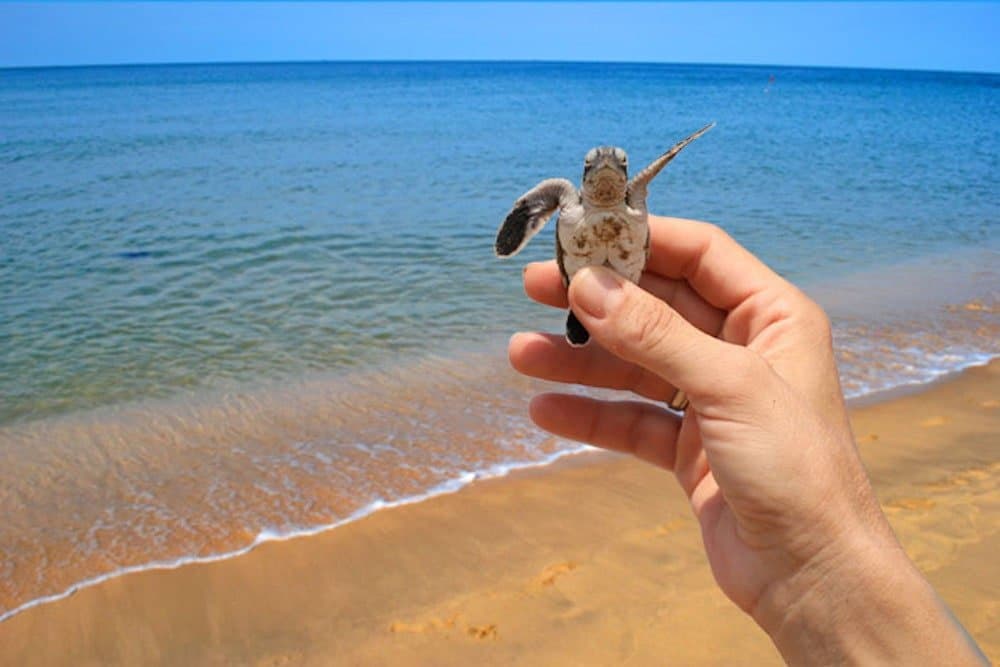
Two species nest at Alagadi: the green sea turtle (*Chelonia mydas*) and the loggerhead sea turtle (*Caretta caretta*). Adult females typically come ashore from late May, dig nests in the soft sand and lay between 70 and 150 eggs per clutch. Incubation takes around 50 to 60 days, with hatchlings emerging between mid-July and the end of September and making their way to the sea, usually at night.
Conservation and the Society for Protection of Turtles
The Society for Protection of Turtles (SPOT), established in 1991, has run a long-standing monitoring and protection programme at Alagadi. Volunteers — including marine biology students from across the world — survey nests, protect them from predators, and assist with controlled night visits during the season. Visitors who want to watch a hatching event can usually do so through SPOT's organised viewings, which are timed so spectator presence doesn't interfere with the turtles' route to the sea.
What the beach is like by day
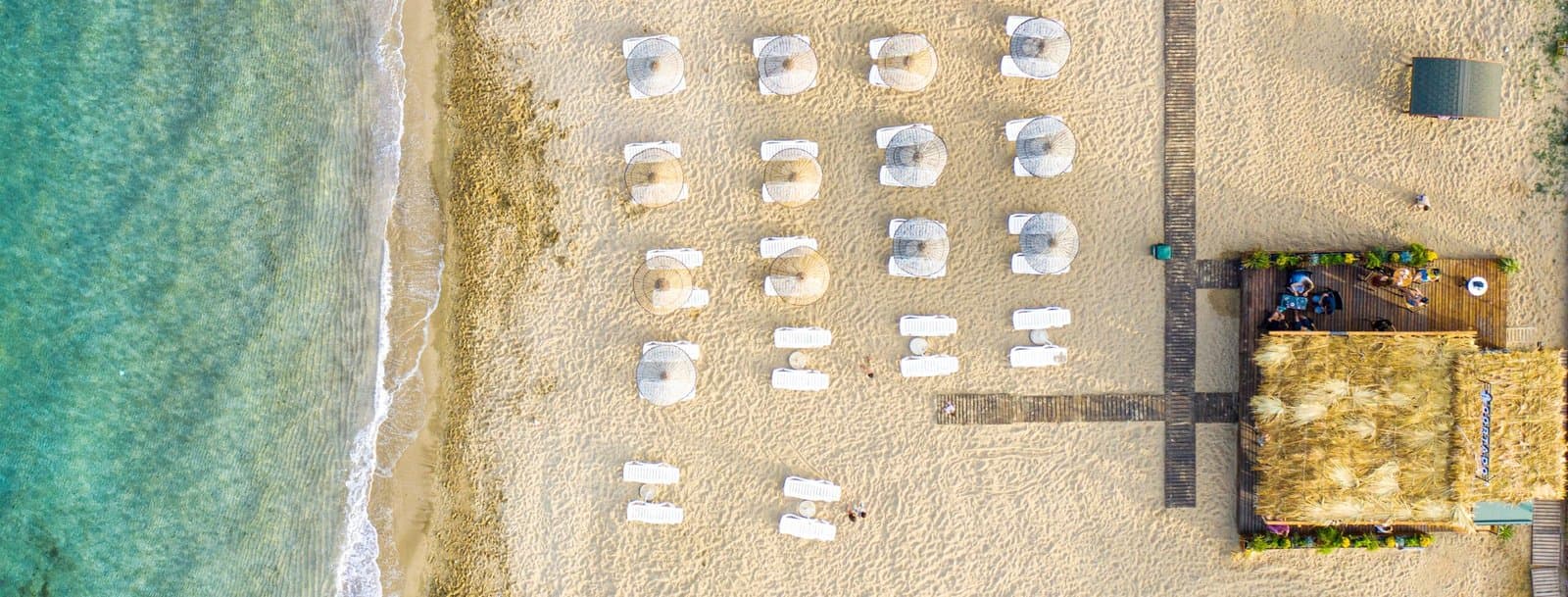
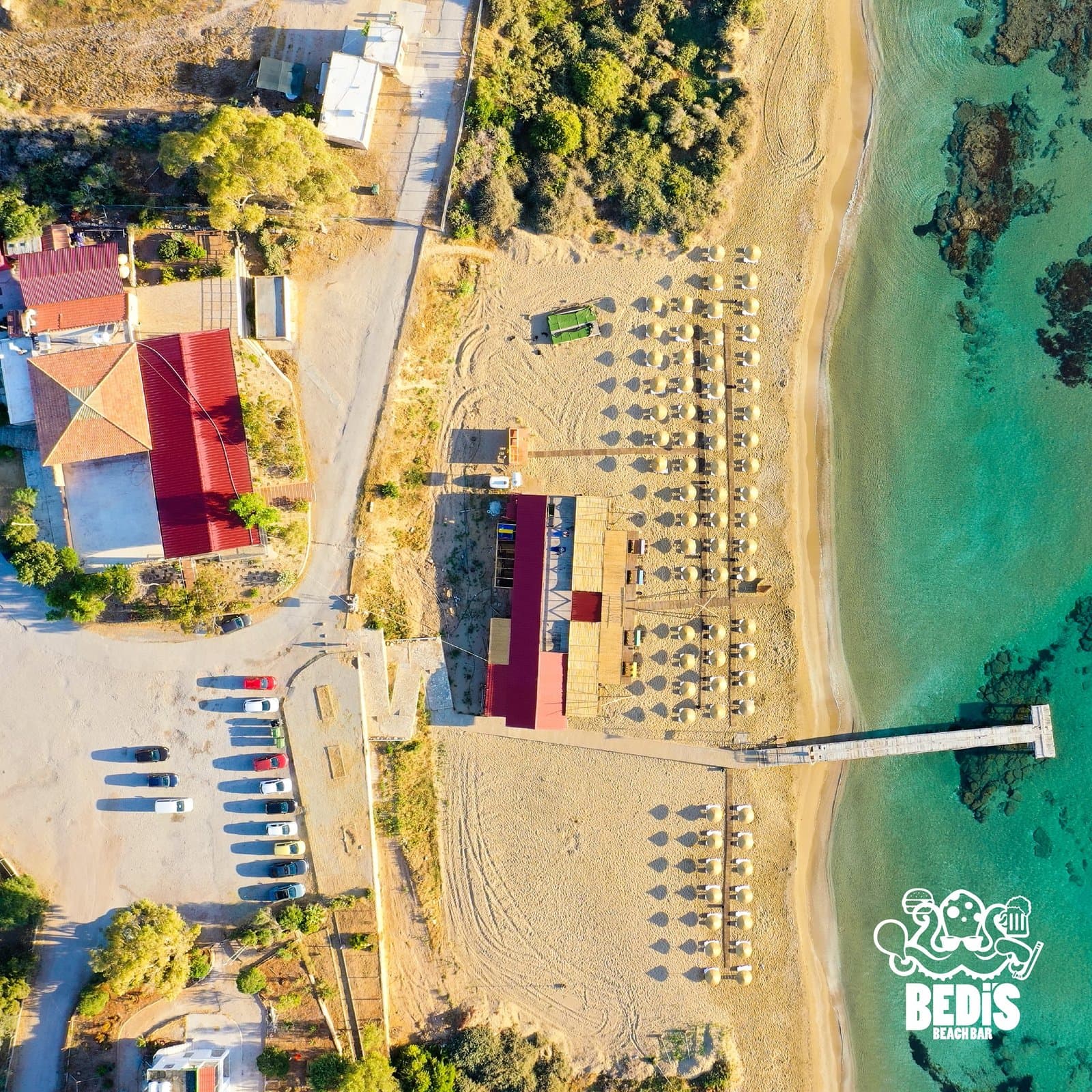
Outside the nighttime restrictions, Alagadi is a working public beach. The sand is soft and golden, the water is clear, and basic refreshment kiosks operate seasonally. There are no large beach clubs or built facilities — that's part of why nesting still happens here.
Rules and etiquette
The basic rules: don't dig in the sand during the nesting season, don't disturb marked nests, don't use flash photography or torches at night near the water, don't drive on the beach, and follow any seasonal signage. SPOT volunteers are usually on site and happy to explain.
Planning a visit to North Cyprus?
We help applicants and their families plan campus visits and travel logistics.